
First, take a breath. If you are reading this, a box truck has probably turned an ordinary day in Queens into something frightening, and you may be sore, worried about work, and unsure who to call. We are Yakov Mushiyev & Associates, P.C., a neighborhood personal injury firm in Rosedale, and we serve as a box truck accident lawyer in Queens for people who were hurt by moving trucks, rental trucks, and the boxy commercial trucks that load and unload on every block of this borough. You are not a file number to us. You are our neighbor, and we want to help you get your footing back.
This page is meant to feel like a conversation over the kitchen table. We will explain what makes these crashes different, what New York law says, what you can do this week to protect yourself, and how we can carry the heavy parts for you.

We Know These Streets, and We Know These Trucks
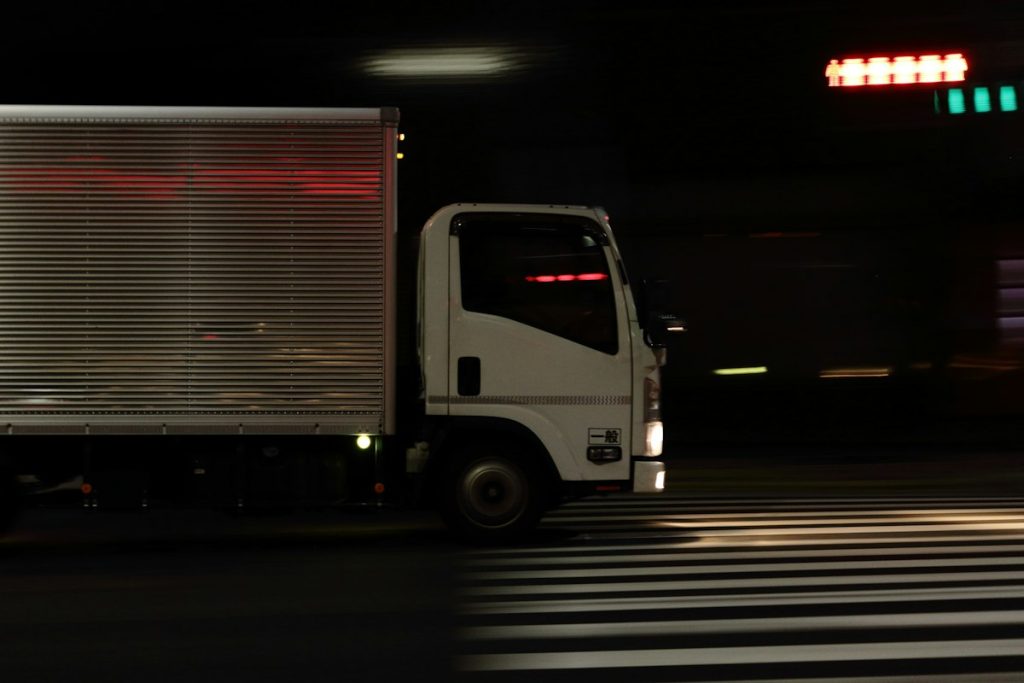
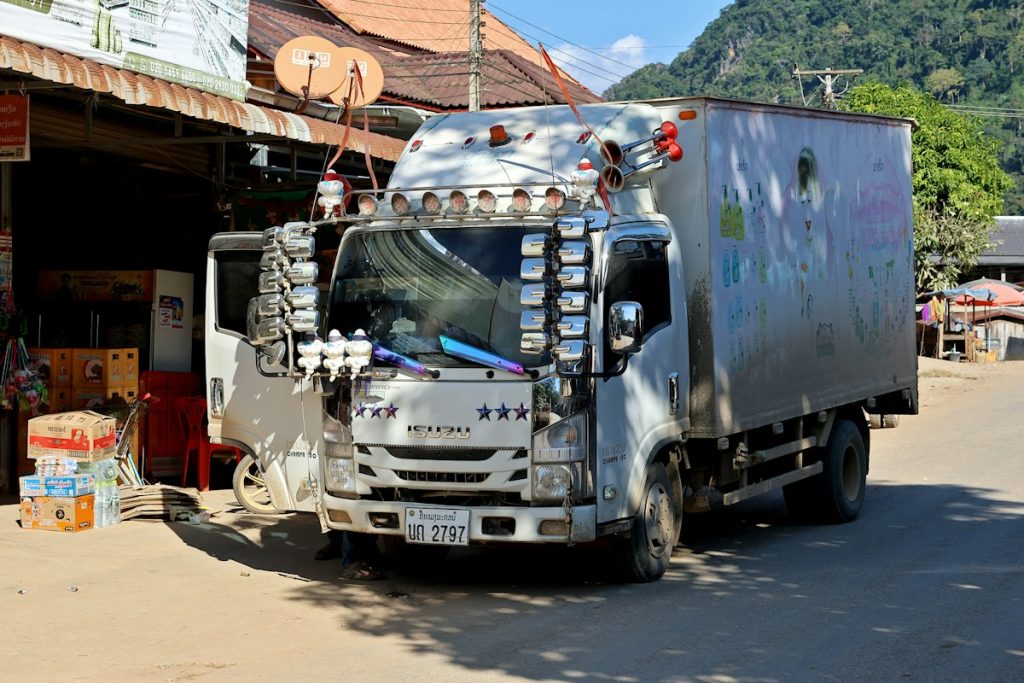
Anyone who has lived in Queens for a while knows the box truck. It is the 16-foot or 26-foot truck with the tall, square cargo body that blocks your view at the light on Jamaica Avenue. It is the furniture truck idling outside a two-family house in Middle Village. It is the rental truck crawling down a side street in Sunnyside on the first of the month, with a nervous first-time driver gripping the wheel. It is the beverage truck parked half on the sidewalk on Liberty Avenue at seven in the morning.
These trucks are part of daily life here, and most of the people driving them are working hard and trying to be careful. But the trucks themselves are unforgiving. They are heavy, tall, and wide. They have no rear window, so the driver relies entirely on mirrors. They need more room to stop and more room to turn. When something goes wrong, it is usually a pedestrian, a cyclist, or a small car that takes the worst of it.
Our office sits at 1 Cross Island Plaza, right off the Belt Parkway, so we see the same traffic you do. We understand why a crash on Northern Boulevard plays out differently from one on a quiet block in Cambria Heights, and we bring that local sense into every case.
Why Box Truck Crashes Hurt So Much
Size and weight are the simple answer. A loaded box truck can weigh several times what a typical sedan does. That mass does not stop on a dime, and when it makes contact, the energy goes into whatever it hits. But there are other, quieter reasons these crashes are so harmful:
- Large blind spots. With a solid cargo box behind the cab, drivers cannot see directly behind them and have large blind areas along the right side, where pedestrians and cyclists often are.
- Wide right turns. To clear a corner, box trucks often swing left before turning right, which can trap a car or bicycle on the inside.
- High ground clearance and rear overhang. In a rear-end crash, a small car can slide partially under the back of the box or its liftgate, which is especially dangerous for front-seat occupants.
- Inexperienced drivers. Many box trucks are light enough that their drivers do not need a commercial driver’s license, and rental trucks may be driven by people who have never handled anything bigger than an SUV.
- Height. Box trucks are tall enough to strike low bridges and overpasses, and loose cargo can spill into traffic.
The injuries we hear about from people in these crashes tend to be serious: fractures, shoulder and knee injuries, herniated discs, head injuries, and deep bruising that takes weeks to heal. We say this not to scare you, but so you know it is normal to feel worse a few days later than you did at the scene, and that it is worth getting checked.
A Box Truck Accident Lawyer in Queens Looks First at Who Was Behind the Wheel
One of the gentlest things we can do for you is take the “who is responsible” puzzle off your plate. With box trucks, that puzzle often has more pieces than you would expect.
A business truck. If the truck belonged to a moving company, a furniture store, a food distributor, or a contractor, the business that employed the driver is usually central to the claim. New York’s Vehicle and Traffic Law §388 also makes a vehicle owner vicariously liable when someone drives the vehicle with permission and causes a crash through negligence.
A rental truck. If the truck was rented for a move, the person who rented it and the person driving it may be different people, and the insurance picture depends on the rental contract, any coverage purchased at the counter, and the renter’s own policies. Companies that rent vehicles commercially also have their own defenses about owner liability, so identifying the renter and driver matters.
A leased or contracted truck. Some businesses lease their fleet or hire an outside carrier for deliveries. In those cases the trucking company, the business that hired it, and the driver may each have a role.
A maintenance or loading problem. Sometimes the crash was caused by worn brakes, a broken mirror, a liftgate left down, or cargo that was not secured. Then the people who maintained or loaded the truck may share responsibility.
You do not have to figure this out tonight. We trace the plate, the registration, the rental records, and the driver’s employment so that every possible source of insurance is on the table.
How Your Bills Get Paid While You Heal
The worry we hear most is not about lawsuits. It is about the doctor bills and the rent. Here is the good news: in New York, no-fault insurance pays basic economic loss after a car or truck crash, no matter who was at fault, up to $50,000 per person. That includes necessary medical treatment, 80 percent of lost earnings up to $2,000 per month, and up to $25 per day for other reasonable expenses, such as help around the house.
If you were driving or riding in your own car, you usually apply through your car’s insurance. If you were walking or on a bicycle and the box truck struck you, you generally apply through the truck’s insurer. Motorcycle riders are the exception: New York no-fault does not cover motorcycle operators or passengers, so we look for other coverage. Please do not let the application sit. It is generally due within 30 days of the accident, and a late application can cost you benefits.
For anything beyond no-fault, such as pain and suffering, the larger part of lost income, and future medical needs, we look to the at-fault parties’ liability insurance. To recover for pain and suffering in a motor vehicle case, New York requires a “serious injury” under Insurance Law §5102(d), such as a fracture, significant disfigurement, a permanent loss of use, or a permanent consequential or significant limitation. Your doctors’ records, more than anything we say, will answer that question.
2026 update: For motor-vehicle injury cases commenced on or after May 26, 2026, New York now applies a modified comparative fault rule under CPLR 1411. If you are found more than 50 percent at fault (more than all the defendants combined), you recover nothing; at 50 percent or less, your recovery is reduced by your share. The same 2026 changes also removed the “90/180-day” category from the serious injury definition. If your case has not been filed yet, these rules will likely apply to it.
Small Things You Can Do This Week That Help a Lot
You do not need to become an investigator. But a few simple steps, done early, can make a real difference later. Think of this as the advice a friend who works in this field would give you:
- See a doctor and keep going. Follow through on physical therapy and specialist visits. Gaps in treatment are something insurers notice.
- Write down what you remember. The truck’s color, any company name or phone number on the box, the plate, the time, the weather, and what the driver said. Memories fade quickly.
- Save your photos. Pictures of the truck, your car, the street, your injuries, and the traffic signals. Back them up somewhere safe.
- Look around for cameras. Corner stores, bodegas, laundromats, and homes with doorbell cameras may have caught the crash. Footage is often recorded over within days.
- Keep a simple pain and activity journal. A few lines a day about what hurts and what you could not do. It becomes powerful evidence of how the injury changed your life.
- Hold off on recorded statements. The truck company’s insurer may call quickly and kindly. You can politely say you will have your lawyer get back to them.
- Stay quiet online. Posts and photos can be taken out of context.
If you would like a fuller walk-through of how a box truck claim unfolds from the crash through resolution, our detailed guide to box truck accident cases in Queens follows a claim step by step.
The Deadlines That Quietly Matter
We know deadlines are the last thing you want to think about while you are hurting, so we will keep this short. The general personal injury deadline in New York is three years under CPLR 214(5). That sounds like plenty of time, but evidence like camera footage and truck data can disappear in days.
Some deadlines are much shorter. If the box truck belonged to New York City or a public authority, a Notice of Claim is generally required within 90 days, and a lawsuit generally within one year and 90 days. If your loved one died in a crash, wrongful death claims generally must be brought within two years of the death. Drivers involved in a crash where someone was hurt must also file a DMV report, form MV-104, within 10 days. When you call us, one of the first things we do is make a list of every deadline that applies to you, so you can stop worrying about them.
Box Trucks and Our Parkways
Here is something every longtime Queens driver eventually learns: commercial vehicles are banned from New York’s parkways, including the Grand Central, the Cross Island, the Belt, and the Jackie Robinson. Box trucks that ignore the ban run into two kinds of trouble. They can strike low overpasses, sometimes peeling open the top of the cargo box and sending debris across the lanes, and they put a large, slow-to-stop vehicle into traffic designed for cars.
If you were hurt by a box truck on a parkway, the simple fact that it was there may help show carelessness, and it raises questions about who planned the route and whether the driver was properly trained. On the roads where trucks are permitted, such as the Long Island Expressway, the Van Wyck, and the BQE, the questions turn to lane changes, blind spots, and following distance. Our page on highway accidents in Queens goes deeper into expressway crashes.
Three Queens Landmarks Where Box Trucks Share the Road With Us
Box trucks pass through every corner of the borough. These three familiar places show how differently that traffic feels from one neighborhood to the next.
Calvary Cemetery Skyline View
From the hills of Calvary Cemetery in western Queens, near Blissville, Maspeth, and Woodside, rows of old headstones frame a sweeping view of the Manhattan skyline. It is one of the largest cemeteries in the United States by number of burials, and a quiet, moving place to visit. Just outside its gates, though, the Long Island Expressway, the Brooklyn-Queens Expressway, and the Kosciuszko Bridge carry some of the heaviest truck traffic in the city, and the industrial blocks along Newtown Creek and in Maspeth are full of box trucks loading and unloading. Visitors driving out should take extra care at the ramps and service roads.
The Queens Museum
The Queens Museum sits in Flushing Meadows Corona Park, in the building that once hosted early sessions of the United Nations General Assembly, and it is beloved for the Panorama of the City of New York, a giant scale model of all five boroughs. Families often pair a museum visit with the Unisphere next door. The park is ringed by the Grand Central Parkway, the Van Wyck, and the Long Island Expressway, and event days bring delivery and vendor trucks onto nearby local streets in Corona and Flushing. Watch for trucks backing into tight loading areas and for children near parked vehicles.
Baisley Pond Park
Baisley Pond Park in South Jamaica is a neighborhood treasure, with a large pond, ball fields, playgrounds, and walking paths enjoyed by families from Jamaica, Rochdale, and St. Albans. It sits near the busy Rockaway Boulevard, Baisley Boulevard, and Sutphin Boulevard corridors, close to the cargo and logistics businesses that serve JFK Airport, so box trucks are a constant presence. People crossing to the park with strollers and kids on bikes should be especially alert at wide intersections. It is also a short drive from our Rosedale office.
Directions to Our Rosedale Office from Calvary Cemetery
From the Calvary Cemetery area, take the Long Island Expressway east to the Van Wyck Expressway south. Follow the Van Wyck toward JFK and take the Belt Parkway east toward the Cross Island Parkway, then exit toward Rosedale at Brookville Boulevard and follow local signs to Cross Island Plaza. Our office is at 1 Cross Island Plaza, Suite 325. Expect heavier traffic on the Van Wyck at rush hour, and give yourself extra time.

Neighbors Often Ask Us: Box Truck Questions and Answers
A box truck backed into me on my own block. Is that the kind of thing a lawyer handles?
Yes. Back-over crashes on residential streets are one of the most common ways box trucks injure pedestrians and drivers, because the driver cannot see directly behind the cargo box. Drivers are expected to back up only when it is safe, often with a spotter or working camera. If you were hurt, the fact that it happened slowly, on a quiet street, does not make the injury any less real or the claim any less valid.
Something fell off a box truck and hit my car. Who is responsible?
Usually the people responsible for loading and securing the cargo, and often the truck’s operator and owner as well. An unlatched rear door, a ramp that was not stowed, or furniture stacked loosely can all lead to debris in the road. Try to photograph the object and the truck and note any company name on the box. If the truck kept going, report it to police right away.
I was hit by a liftgate or loading ramp while walking on the sidewalk. Do I have a claim?
You may. People who load and unload trucks must take reasonable care for pedestrians nearby, and a liftgate lowered into someone’s path or a ramp left across a walkway can be negligent. These cases can involve the truck’s insurance, the business making the delivery, or the property where it happened, so we look at every angle and which rules apply to that setting.
The driver was someone hired just for the day to help with a move. Does that change things?
It can make the investigation more involved, but it does not leave you without options. Under VTL §388, the owner of the truck can be vicariously liable for a permissive driver’s negligence, and the person or business that hired the driver may also share responsibility. We look at the rental contract, who gave permission to drive, and every insurance policy that might apply.
The box truck drove off after the crash. What can I do?
Call the police and report it as soon as possible. Leaving the scene of a crash involving injury is a violation of VTL §600. Write down any part of the plate, company name, or phone number you saw, and look for cameras nearby. If the truck is never identified, coverage through MVAIC or your own uninsured motorist coverage may apply, but strict notice deadlines run quickly.
My child was in the car when the box truck hit us. How is a child’s claim handled?
Children’s injury claims are handled with extra care. A parent or guardian usually acts for the child, and New York uses special court procedures when a child’s claim is settled, designed to protect the child’s interests. Special deadline rules can apply to minors, but please do not rely on them; evidence still disappears. Get your child checked by a pediatrician, even if they seem fine.
I feel okay, but my car is badly damaged. Should I still see a doctor?
We gently encourage it. Adrenaline can hide pain for hours or even days, and injuries like whiplash, concussions, and disc problems often show up later. A prompt visit protects your health first, and it also creates a medical record connecting any injury to the crash. If you later need treatment, that early record can matter a great deal.
Can no-fault help with things like rides to appointments or help at home?
No-fault can cover up to $25 per day for other reasonable and necessary expenses connected to the injury, in addition to medical bills and a portion of lost wages. Keep receipts for things like transportation to treatment and help with household tasks you cannot do. Submit them promptly, because no-fault insurers have their own paperwork rules and timelines.
The truck company’s insurer was very friendly on the phone. Should I keep talking with them?
It is fine to be polite, but you do not have to give a recorded statement or discuss your injuries in detail. Friendly adjusters are still working for the company that may pay your claim. A casual comment like “I’m doing okay” can be quoted later. You can simply say your lawyer will be in touch, and let us handle the conversation.
What happens after I call your office?
We listen first. We will ask how you are doing, what happened, and what you have so far, such as photos, the police report number, and medical visits. Then we explain your options in plain words, including deadlines that apply to you. If you choose to work with us, we take over the insurance calls and evidence requests so you can focus on getting better.
Let a Box Truck Accident Lawyer in Queens Carry the Weight
You have enough to deal with right now. Let us handle the phone calls, the paperwork, and the investigation. Call Yakov Mushiyev & Associates, P.C. at 718.775.3110, or reach out to our Rosedale office online. We are at 1 Cross Island Plaza, Suite 325, Rosedale, NY 11422, and we are glad to talk with neighbors from every part of Queens. If you are in eastern Queens, you may also find our page for a box truck accident lawyer in Bellerose helpful, and our general injury FAQ answers more of the basics.
Related reading: Box Truck Accident Lawyer in Queens: a claim from start to finish · Lyft accident claims in Queens · Neighborhoods we serve
General information, not legal advice. Attorney Advertising. Prior results do not guarantee a similar outcome.