
If an impaired driver hit you, you did not choose this fight, but you can choose how well you play it from here. Yakov Mushiyev & Associates, P.C. is a personal injury firm based in Rosedale, and as a drunk driving accident lawyer in Queens our job is simple to describe and demanding to do: protect your claim while you put your energy into getting better. We gather the evidence, deal with the insurers, track the deadlines, and keep you informed so that every decision you make is an informed one.
This page is built like a coaching plan. It will not promise you an outcome, because nobody honestly can. What it will do is show you where drunk driving claims are won or weakened, what you control, and how our team carries the parts you should not have to carry alone.
How a Drunk Driving Accident Lawyer in Queens Helps You Get Back in the Game
Think of your recovery as two parallel tracks. One is physical: doctors, therapy, rest, and slowly getting your routine back. The other is legal and financial: medical bills, lost pay, insurance forms, and the question of who will answer for what happened. Most people try to run both tracks at once while they are hurting. That is where mistakes happen.
When you work with our office, we take over the second track. In practical terms, that means we:
- Open your no-fault claim correctly and on time so medical bills and part of your lost earnings start moving.
- Request the police accident report, any arrest paperwork that becomes available, and witness information.
- Send preservation letters for video and records before they are overwritten or discarded.
- Identify every possible source of payment, including the driver’s liability policy, the vehicle owner’s coverage, your own supplementary uninsured/underinsured motorist (SUM) coverage, and, where the facts support it, a bar or liquor store that served a visibly intoxicated person.
- Organize your medical proof around New York’s serious injury threshold, which is often the real battleground.
- Handle every call with adjusters so nothing you say gets twisted later.
You do the healing. We do the heavy lifting. That division of labor is the whole point of hiring a firm.
Your Mindset Matters: Three Truths to Hold Onto
Truth one: an arrest is helpful, but it is not your case
Many people assume that once the police charge the other driver with DWI under Vehicle and Traffic Law §1192, the injury claim takes care of itself. It does not. The criminal case belongs to the District Attorney and is about punishing a crime. Your civil case is about compensating you for harm. The two run on separate tracks, with different standards of proof and different timelines. A conviction or plea can be powerful evidence, but your claim still has to prove the extent of your injuries and what they cost you. Do not wait on the criminal case to start protecting yourself.
Truth two: you are allowed to be careful with the insurance company
Adjusters are often polite and quick to call. Their courtesy is not the same as advocacy. You are not required to give a recorded statement to the other driver’s insurer, and you should not guess about your injuries before you have seen a doctor more than once. “I’m still being evaluated” is a complete, honest answer.
Truth three: small daily habits build a strong claim
Attending every appointment, following your treatment plan, keeping receipts, and writing down how your injuries affect your days are not glamorous. They are what turns “I was hurt” into proof. Consistency wins here, the same way it does in physical therapy.
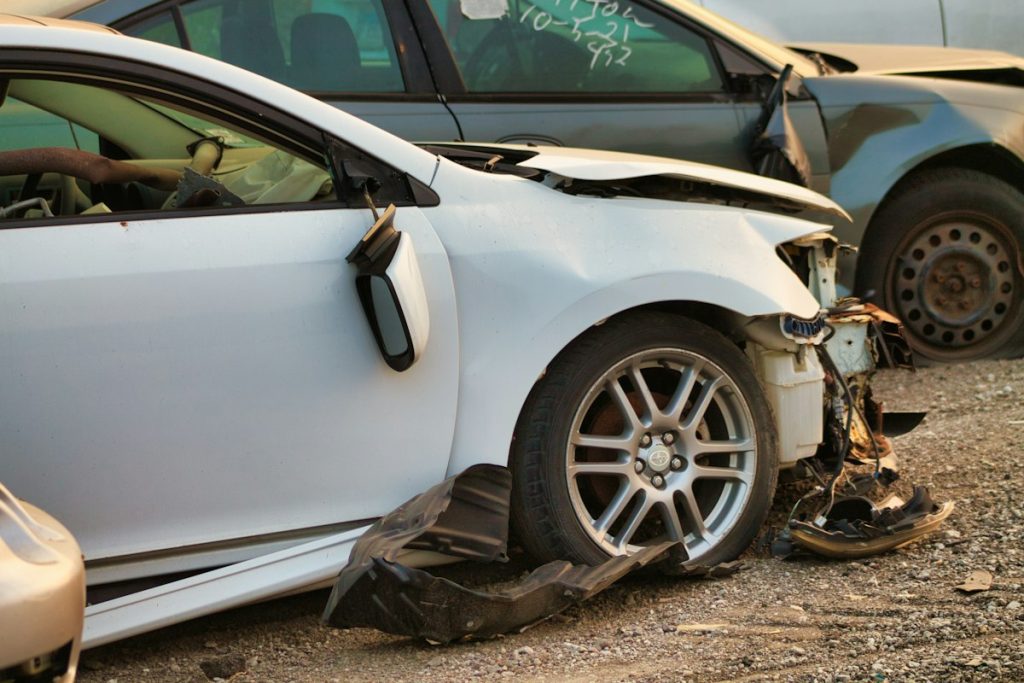
Who Can Be Held Responsible After a Drunk Driving Crash
A strong claim starts by finding everyone who may share responsibility. In an impaired driving case, that list can be longer than people expect.
The impaired driver
The driver is the obvious starting point. Driving while intoxicated is itself a violation of New York law, and an impaired driver who causes a crash can be held liable for the harm that follows. Their auto liability policy is usually the first insurance we look to for pain and suffering and for economic losses beyond no-fault.
The vehicle owner
If the driver borrowed someone else’s car with permission, New York’s vicarious liability rule, Vehicle and Traffic Law §388, can make the owner responsible for the permissive driver’s negligence. That can matter when the driver carries little or no coverage of their own.
The bar, restaurant or store that sold the alcohol
New York’s Dram Shop Act, General Obligations Law §11-101, allows an injured person to bring a claim against a business that unlawfully sold alcohol to a visibly intoxicated person who then caused injury. These claims depend on facts that fade quickly: receipts, credit card records, surveillance footage, and testimony from people who saw the driver before they left. If you know or suspect where the driver was drinking, tell us early. That information can open a second avenue of recovery.
Your own policy, when the other coverage falls short
Impaired drivers are sometimes uninsured or carry only minimum limits. Your own SUM coverage may step in, and if no other coverage exists, MVAIC may apply. Both have strict notice rules, so report the crash promptly and let us handle the paperwork.
The Money Side: What You Can Recover and How It Gets Paid
Here is the practical sequence most Queens drunk driving victims will move through.
- No-fault first. Under New York’s no-fault system, your own auto policy (or the policy covering the vehicle you were in) generally pays basic economic loss up to $50,000 per person regardless of who caused the crash. That covers medical bills, 80% of lost earnings up to $2,000 a month, and up to $25 a day for other reasonable expenses. The application is generally due within 30 days, which is why we push to file early. Pedestrians and cyclists struck by a car usually claim through that vehicle’s insurer. Motorcycle riders are not covered by New York no-fault, so their path is different.
- Beyond no-fault. Economic losses that exceed no-fault, such as wages above the cap or medical costs past $50,000, can be pursued against the at-fault driver.
- Pain and suffering. To recover for pain, suffering, and loss of enjoyment of life after a motor vehicle crash, you generally must show a “serious injury” as defined in Insurance Law §5102(d). Fractures, significant disfigurement, permanent loss of use of a body part, and significant or permanent consequential limitations are among the categories.
- Additional defendants. Where the facts support a dram shop claim or owner liability, those parties’ insurers may also contribute.
2026 update: For motor-vehicle personal injury actions commenced on or after May 26, 2026, New York changed two important rules. Under CPLR 1411 as amended for these cases, a claimant whose share of fault is greater than the defendants’ combined fault (more than 50%) recovers nothing, while a claimant at 50% or less has recovery reduced by their percentage. The “90/180-day” category was also removed from the serious injury definition in §5102(d). In drunk driving cases the other driver’s impairment often weighs heavily on fault, but insurers may still argue you share blame, so documenting your own careful conduct matters more than ever.
Notice what that update means for you as the injured person: the evidence about your own driving, walking or riding now carries extra weight. Dashcam footage, phone records showing you were not on a call, and witnesses who saw you stopped at a light can all help keep the focus where it belongs.
Your Recovery Playbook: Moves You Control Starting Today
You cannot change the crash. You can control a surprising amount of what happens next. Treat these as your daily drills.
Drill one: get a complete medical picture
Adrenaline hides injuries. Concussions, disc injuries, and soft tissue damage often announce themselves days later. Tell every provider about every symptom, including headaches, dizziness, trouble sleeping, and changes in mood. A drunk driving crash is frequently violent, and the full picture may take weeks to emerge. The records your doctors create are the foundation of the serious injury analysis.
Drill two: keep a recovery journal
Five minutes a night is enough. Note pain levels, missed work, tasks you could not do, events you skipped, and help you needed from family. Months from now, when an adjuster suggests you were “back to normal” quickly, your journal will tell the true story in your own words.
Drill three: save everything
Photos of the scene and vehicles, the tow receipt, prescription receipts, parking stubs from medical visits, pay stubs, and any letters from insurers. Put them in one folder or one phone album. Organized proof is persuasive proof.
Drill four: go quiet on social media
Defense teams look at public profiles. A single photo of you smiling at a family event can be presented out of context. You do not have to disappear; just stop posting about the crash, your injuries, or your activities until your case is resolved.
Drill five: let the paperwork flow through us
Drivers involved in a crash with injury must generally file a DMV report, form MV-104, within 10 days. No-fault applications have their own 30-day window. If an uninsured driver is involved, MVAIC notice requirements are strict. We track these so that a missed form never becomes the reason a claim stalls.
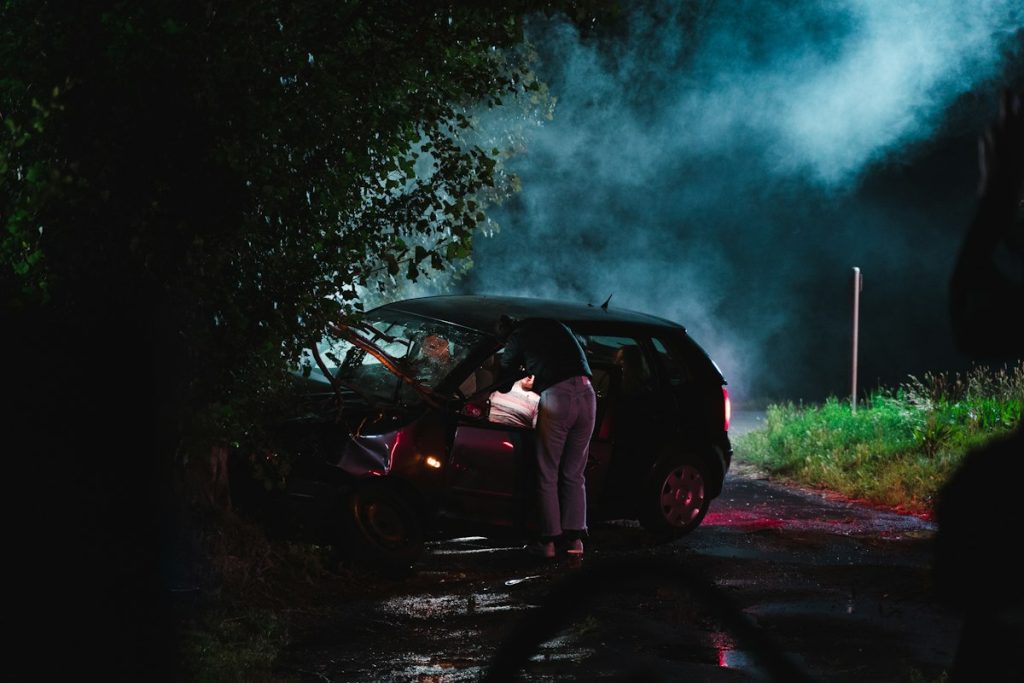
Evidence That Makes or Breaks an Impaired Driving Claim
Drunk driving cases often come with more documentation than an ordinary fender bender, but much of it lives in other people’s hands. Here is what we go after, and why speed matters.
| Evidence | Why it matters | Why time is short |
|---|---|---|
| Police accident report and arrest paperwork | Documents officer observations, field sobriety testing, and charges | Some materials are released only as the criminal case moves |
| Chemical test results | Can establish impairment at the time of the crash | Access may depend on the criminal proceeding |
| Bar or restaurant receipts and card records | May support a dram shop claim | Businesses do not keep records forever |
| Surveillance and doorbell video | Shows the driver’s condition, the route, or the crash itself | Many systems overwrite footage within days or weeks |
| 911 calls and witness statements | Capture erratic driving reported before the impact | Memories fade; contact details get lost |
| Vehicle data and dashcams | Speed, braking and impact timing | Vehicles get repaired or salvaged |
None of this requires you to play detective. It requires someone to send the right letters to the right places quickly. That is our role.
Where Impaired Drivers Put Queens Families at Risk
Impaired driving can happen on any block, but certain patterns show up across the borough. Long, wide arterials such as Queens Boulevard, Northern Boulevard, Woodhaven Boulevard and Rockaway Boulevard tempt drivers to speed late at night when traffic thins. Highways and parkways, including the Van Wyck, the Long Island Expressway, the Grand Central Parkway, the Cross Island Parkway and the Belt Parkway, see wrong-way entries and high-speed rear impacts. Neighborhood nightlife corridors in Astoria, Long Island City, Jackson Heights and along Jamaica Avenue bring drinking and driving into areas full of pedestrians.
In southeast Queens, closer to our Rosedale office, Merrick Boulevard, Francis Lewis Boulevard, Sunrise Highway and the Conduit Avenue corridor carry heavy evening traffic. Crashes on these roads can involve pedestrians at bus stops, people walking home from transit, and drivers coming off the parkways at speed. Wherever your crash occurred in the borough, the legal framework is the same; the evidence we chase, such as nearby business cameras or a specific bar’s records, is shaped by the location.
Three Queens Landmarks Where Our Clients Live, Work and Unwind
The Jamaica Performing Arts Center
The Jamaica Performing Arts Center sits on Jamaica Avenue in downtown Jamaica, inside a historic 19th-century former church building that has been reborn as a home for theater, music and community events. It is steps from one of the busiest transit hubs in Queens, with the Jamaica Center subway station and the Jamaica LIRR station nearby. That mix of evening events, buses, pedestrians and drivers looking for parking makes Jamaica Avenue a place where an impaired driver can do real damage. If you attend a show, plan your ride home, cross at signals, and stay alert to cars turning from side streets after dark.
Brookville Park in Rosedale
Brookville Park runs along Brookville Boulevard in Rosedale, a neighborhood green space with ballfields, playgrounds, paths and water that families in southeast Queens use year-round. It is one of the closest parks to our office at Cross Island Plaza, so many of the people we help know it well. The surrounding roads connect to the Belt Parkway and the Cross Island Parkway, which means drivers sometimes come off the highway faster than neighborhood streets allow. On summer evenings, when kids are walking to and from games, a single impaired driver on Brookville Boulevard can turn a routine outing into an emergency.
Rockaway Beach and Boardwalk
Rockaway Beach and its long concrete boardwalk, rebuilt after Hurricane Sandy, draw crowds from across the city every summer. Visitors arrive by the A train, the ferry and car, many of them driving over Cross Bay Boulevard or the Marine Parkway–Gil Hodges Memorial Bridge. Beach days that stretch into evenings at nearby bars and food spots can bring impaired drivers onto Beach Channel Drive and Rockaway Beach Boulevard just as families are heading home. If a beach day ends with a crash, preserve photos and receipts and call us before talking to any insurer about what happened.
Directions to Our Rosedale Office from the Jamaica Performing Arts Center
From the Jamaica Performing Arts Center on Jamaica Avenue, head east and pick up Merrick Boulevard heading southeast through St. Albans and Springfield Gardens toward Laurelton. Continue toward the Belt Parkway and Cross Island Parkway interchange in Rosedale, where Cross Island Plaza sits just off the parkways near Brookville Boulevard. The drive typically takes about 20 minutes outside rush hour. Our office is in Suite 325 at 1 Cross Island Plaza.
Deadlines: The Clock Runs Even When You Are Resting
Recovery takes the time it takes. Legal deadlines do not wait for it. In New York, most personal injury lawsuits must be filed within three years under CPLR 214(5). If the crash involved a city vehicle or a public authority, a Notice of Claim is generally due within 90 days, and a lawsuit generally within one year and 90 days. If a loved one died, a wrongful death action generally must be brought within two years of the death. No-fault and MVAIC have even shorter notice windows. Starting early is not about rushing you; it is about keeping every option open while you heal.
If your crash happened just over the line in northeast Queens, our page for the drunk driving accident lawyer serving Bellerose covers that neighborhood specifically. For a timeline-style walkthrough of the first hour through the first year after an impaired driving crash, read our in-depth guide to drunk driving accident claims in Queens.
Why Work With Our Rosedale Team
Yakov Mushiyev & Associates, P.C. focuses on injury cases for people in Queens and the surrounding area. You can learn more about our firm and how we approach each client, but the short version is this: we answer your questions plainly, we keep you updated, and we prepare each case as if it may need to be presented in court, because that preparation is what gives a claim its strength.
Drunk driving crashes rarely look like one neat category. Many begin as a rear-end collision at a Queens light, and some involve people who were on the clock when they were struck, which can bring workers’ compensation into the picture alongside the injury claim. Whatever shape yours takes, our broader Queens personal injury practice lets us look at the whole situation rather than one slice of it. You can also browse our general injury law FAQ for quick answers to common questions.
Questions Our Clients Ask a Drunk Driving Accident Lawyer in Queens
Do I have to testify in the drunk driver’s criminal case?
You may be asked to cooperate with the District Attorney’s office, for example by speaking with a prosecutor or appearing if the case goes to trial. Many DWI cases resolve with a plea, so testimony is not always needed. Your civil injury claim is separate, and you do not need the criminal case to finish before we begin building it. We can help you understand how the two proceedings interact and make sure statements you give in one do not create problems in the other.
Can I get restitution in the criminal case and still bring an injury claim?
Criminal courts can sometimes order restitution for out-of-pocket losses, but it is usually limited and does not address pain and suffering. A civil claim is designed to address the full range of damages the law allows. The two are not necessarily either-or, though amounts paid in one can affect what is recoverable in the other. We look at both so you are not leaving anything on the table or being paid twice for the same loss.
What if the drunk driver has no insurance?
That situation is more common than people think. Your own supplementary uninsured/underinsured motorist coverage may apply, and if no other insurance is available, MVAIC may provide a path to recovery. Both require prompt notice and a police report, and MVAIC’s deadlines are strict. Tell us right away if you learn the driver was uninsured so we can file the required notices as soon as possible.
I was a passenger in the drunk driver’s car. Do I still have a claim?
Often, yes. A passenger can bring a claim against the driver they were riding with, and against another driver if both share fault. Insurers sometimes argue that a passenger who knew the driver had been drinking bears some responsibility. How that argument plays out depends on the facts and on the comparative fault rules that apply to your case. Do not let embarrassment stop you from getting advice; these situations are handled every day.
How do you prove the bar over-served the driver?
A dram shop claim generally requires showing the business unlawfully sold alcohol to someone who was visibly intoxicated, and that the sale contributed to your injury. Evidence can include receipts and card transactions, the length of the driver’s tab, surveillance video, and testimony from staff or patrons who saw slurred speech, stumbling or other signs. Because this evidence disappears quickly, the sooner we know where the driver was drinking, the better.
Will the other driver’s DWI arrest guarantee I win?
No outcome is guaranteed. An arrest and conviction can be strong evidence of fault, but your claim also has to prove what your injuries are, how they affect you, and, for pain and suffering after a car crash, that they meet New York’s serious injury threshold. Insurers may also raise questions about your own conduct. Treat the arrest as a strong starting position, not the finish line.
Should I talk to the drunk driver’s insurance adjuster?
You can provide basic information such as your name and contact details, but you are not obligated to give a recorded statement or discuss your injuries in detail with the other driver’s insurer. Adjusters are trained to collect statements that limit what the company pays. Once you have a lawyer, we handle those communications so you can focus on treatment.
How long will my drunk driving injury case take?
It depends on how long your medical treatment lasts, how clearly liability is established, how many insurers are involved, and whether a lawsuit is needed. Resolving a case before you know the full extent of your injuries can mean accepting too little. Many cases take months; some take longer, especially if litigation is required. We will give you honest updates at each stage rather than a promise of speed.
Can I recover if I was walking or biking when the drunk driver hit me?
Yes, pedestrians and bicyclists struck by a vehicle generally claim no-fault benefits through that vehicle’s insurer for medical bills and lost earnings, and they can pursue the driver for losses beyond no-fault. New York law also requires drivers to exercise due care to avoid pedestrians and cyclists. Photos, nearby business video and witness names are especially valuable in these cases.
How quickly should I contact a lawyer after an impaired driving crash?
As soon as your immediate medical needs are handled. Early involvement lets us request video before it is overwritten, identify the bar or store involved, file no-fault and uninsured notices within their windows, and keep insurers from locking you into statements. A free consultation costs you nothing but a phone call, and it can help you understand where you stand.
Take the Next Step Today
You have already done the hardest part: getting through the crash. Now let a drunk driving accident lawyer in Queens take on the fight for fair compensation while you focus on recovering. Call Yakov Mushiyev & Associates, P.C. at 718.775.3110 or contact our team online to talk through your situation. Our office is at 1 Cross Island Plaza, Suite 325, in Rosedale, and we work with injured people across Queens.
Related reading: Drunk Driving Accident Lawyer in Queens: a timeline from the first hour to the first year.
General information, not legal advice. Attorney Advertising. Prior results do not guarantee a similar outcome.