
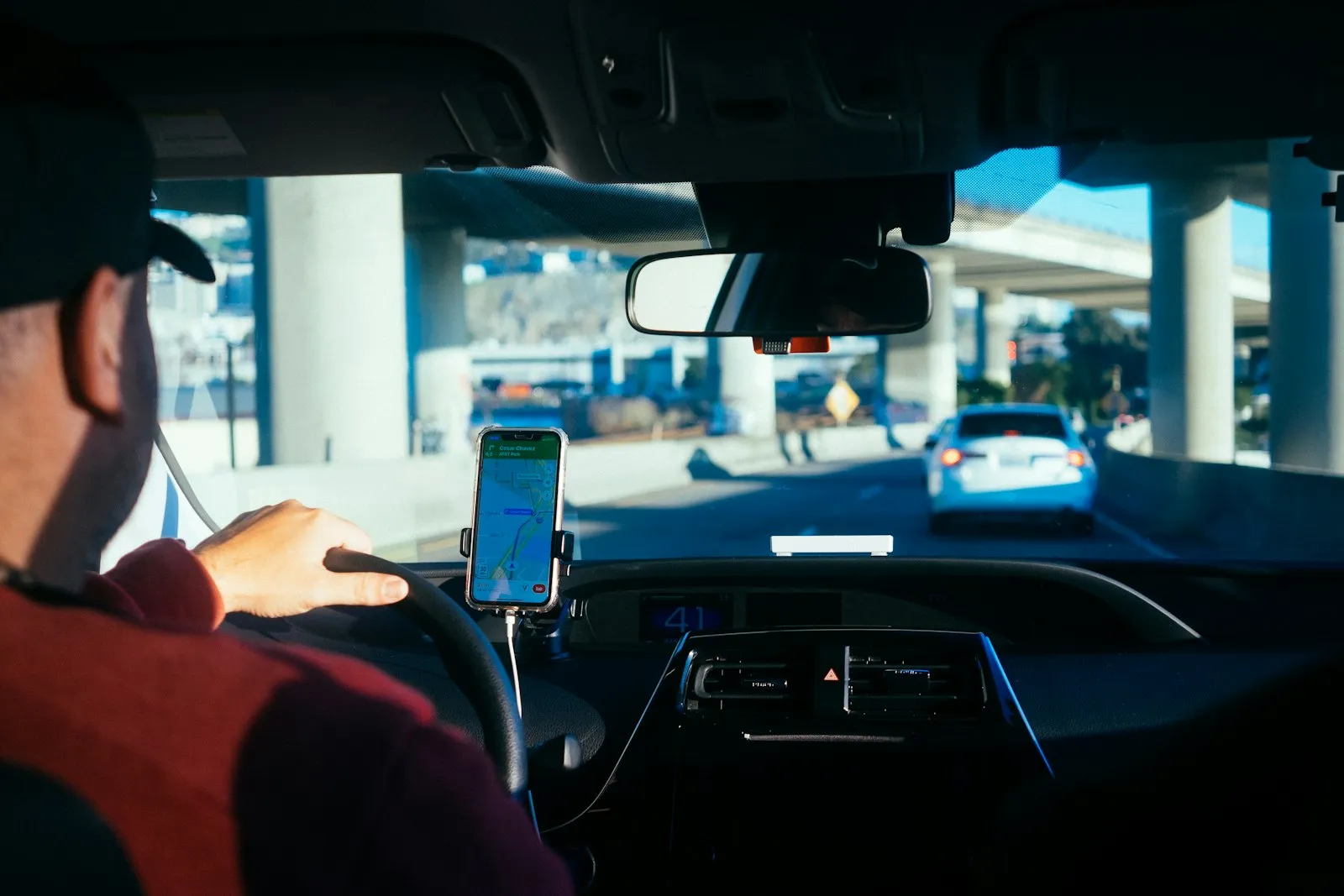
Within seconds of a crash, the Lyft app has already recorded things a street-hailed cab never writes down for you: the driver’s name, the plate, the exact minute the trip began and the route the car was following. That record is the single biggest difference between a Lyft claim and almost any other car accident claim in Kew Gardens Hills, and it is why the first questions we ask a new client are about their phone, not just their injuries. Below, we compare your options side by side, whether you were a rider, a pedestrian, a cyclist or another driver. Yakov Mushiyev & Associates, P.C. represents injured people throughout Queens, and as a Lyft accident lawyer in Kew Gardens Hills, our team handles these cases from the first no-fault form onward.
Your first conversation is free. We consult in English, Russian and Spanish, we can visit you at home or in the hospital or meet by video, and there is no fee unless we win. Call 718.775.3110 any time; phone intake runs 24/7.
Lyft vs. Yellow Cab vs. Local Car Service: Where the Claim Differs
All three of these rides are licensed by the NYC Taxi & Limousine Commission. In New York City, a Lyft car is a TLC-licensed for-hire vehicle: the driver needs a TLC driver license, the car carries TLC plates, and the vehicle must have commercial for-hire insurance. The differences come later, in how the ride was booked, where the proof lives and how many insurance layers may sit behind the car (see the TLC’s website).
| Question | Lyft | Yellow or green cab | Neighborhood car service |
|---|---|---|---|
| How the ride starts | Request in the app; driver and plate shown before pickup | Street hail or taxi app | Phone call or a regular account with a base |
| Who licenses the driver | TLC | TLC | TLC |
| Best early proof of the trip | Your in-app receipt and trip ID | Medallion or permit number, meter data | The base’s dispatch records |
| No-fault (PIP) minimum | $100,000 per person since March 1, 2026 | $100,000 per person since March 1, 2026 | $100,000 per person since March 1, 2026 |
| Possible extra coverage | Lyft may carry coverage above the TLC minimums on some trips; it must be confirmed | Depends on the medallion owner’s policy | Depends on the vehicle owner and base |
The takeaway: a Lyft claim usually starts with better documentation than a cab claim, but the insurance behind it can be harder to read. We never assume a number until we have seen the policy.
A Kew Gardens Hills Trip vs. a Trip From Nassau: Which Insurance Rule Applies
Many online articles quote a large liability figure from New York State’s rideshare law. That law exempts cities of one million people or more, which leaves NYC to the TLC.
| Ride starts on Main Street, Kew Gardens Hills | Ride starts in Valley Stream or Elmont | |
|---|---|---|
| Which rules set the minimums | TLC for-hire vehicle rules | New York State rideshare rules |
| Liability minimum | $100,000 per person / $300,000 per occurrence (vehicles under 8 seats) | $1.25 million while a passenger is aboard, under the state rule that applies outside New York City |
| No-fault (PIP) | $100,000 per person since March 1, 2026 | Determined under the state framework; confirm from the policy |
| Where the no-fault form goes | The insurer of the Lyft car you were in | The insurer of the Lyft car you were in |
Where the ride started is one of the first facts we confirm from the receipt. Also note: crashes that happened before March 1, 2026 may still fall under the higher PIP requirement in the policy that was in force at the time.
Passenger, Pedestrian, Cyclist or Other Driver: Comparing Your Claim
New York is a no-fault state. Personal injury protection pays medical bills, lost earnings and other basic economic loss regardless of who caused the crash, under Insurance Law § 5102. Which policy you claim against depends on where you were when the Lyft was involved.
| Your role | No-fault usually comes from | Does your own fault matter much? |
|---|---|---|
| Lyft passenger | The Lyft car’s commercial policy | Rarely; riders seldom share blame |
| Pedestrian hit by a Lyft | The Lyft car that struck you | Yes; the 2026 fault cutoff can apply |
| Cyclist hit by a Lyft | The Lyft car that struck you | Yes; the 2026 fault cutoff can apply |
| Driver of another car | Usually your own policy first | Yes; fault is often contested |
| The Lyft driver | Separate track through the Black Car Fund for work injuries | Depends on the claim |
No-fault does not pay for pain and suffering. To pursue those damages against an at-fault driver, an injured person has to meet the serious injury threshold, and then the claim moves to the liability coverage. If the at-fault driver carries little insurance, your own SUM coverage, or a household relative’s, may matter, because uninsured motorist coverage on TLC vehicles in NYC is far lower than under the state rideshare rule. The DFS explains these coverages.
The Lyft Evidence Checklist
A cab rider might leave with nothing but a meter receipt. A Lyft rider has a phone full of evidence. Before anything else:
- Screenshot the ride receipt, including the trip ID, the pickup and drop-off points, and the start and end times.
- Capture the driver’s name and plate exactly as the app displayed them.
- Save the route map so the path the car took can be compared with the crash location.
- Report the crash in the Lyft app through its safety tools, and also report it to the police.
- Do not delete the app or your account, even if you never want to ride again.
- Note the driver’s status if you were not a passenger: app off, waiting for a request, en route to a pickup, or carrying a rider.
Add ordinary crash evidence too: photos of both cars, the intersection, traffic signals, your injuries, and the names of witnesses. Main Street storefront camera footage is often overwritten quickly.
What 2026 Changed for Lyft Riders, Before and After
- No-fault on TLC vehicles: the PIP requirement is now $100,000 per person, effective March 1, 2026.
- Serious injury categories: the 2026 budget removed the category measured by days of disability. Eight remain: death; dismemberment; significant disfigurement; fracture; loss of a fetus; permanent loss of use of a body organ, member, function or system; permanent consequential limitation of use of a body organ or member; and significant limitation of use of a body function or system.
- Fault cutoff: under the new CPLR 1411(b), in motor-vehicle injury suits filed on or after May 26, 2026, a claimant whose fault is greater than the defendant’s (or the defendants’ combined) recovers nothing; at 50% or less, recovery is reduced proportionally.
- Order of decision: fault must now be decided before serious injury.
- Damages cap: a $100,000 cap on non-economic damages applies to an at-fault claimant who was driving uninsured, was convicted of impaired driving, or was convicted of a felony committed while driving. It does not cap economic damages, other people’s claims or wrongful death.
For a Lyft passenger, the fault cutoff rarely bites. For a pedestrian on Main Street or a cyclist on Jewel Avenue, it can decide the whole case, which is why we build the fault evidence first.
Deadlines That Apply After a Lyft Crash
- 30 days to submit the no-fault application to the insurer of the Lyft car you were in (or the car that hit you).
- 90 days to serve a notice of claim if a city or MTA vehicle, such as a bus, was also involved.
- 2 years for a wrongful death action, which covers pecuniary losses only.
- 3 years to file a personal injury lawsuit under CPLR 214(5).
Drivers may also need to file an accident report with the New York DMV.
Kew Gardens Hills Pickup Spots, Ranked by Risk Type
With no subway station of its own, Kew Gardens Hills relies heavily on app rides, which keeps Lyft cars on the same handful of streets all day:
| Location | Typical Lyft move | Who is exposed in this pattern |
|---|---|---|
| Main Street | Stopping in the travel lane next to double-parked cars | Passengers opening doors; pedestrians crossing mid-block |
| Union Turnpike | Merging toward the Grand Central Parkway or Van Wyck | Other drivers in lane-change and rear-end crashes |
| Jewel Avenue and 72nd Avenue | Cutting between Main Street and the highways | Cyclists and turning drivers |
| Kissena Boulevard by Queens College | Campus pickups bunched at class change | Students on foot and riders getting in |
| Long Island Expressway service roads | Exiting fast while reading the next turn on a phone | Pedestrians at service-road crossings |
Main Street’s Kosher Dining Strip, Flushing Meadows Corona Park and Queens College: Lyft Traffic Patterns
Main Street is the neighborhood’s heart, a long run of kosher restaurants, bakeries and groceries that draws diners from around Queens and Long Island. Many visitors arrive by Lyft. Drop-offs cluster in the early evening and before Jewish holidays, when the curb is already lined with delivery trucks and double-parked cars. Traffic thins around the Sabbath and returns afterward.

Across the Van Wyck to the west is Flushing Meadows Corona Park, the largest park in Queens, home to the Unisphere, the Queens Museum, the Queens Zoo and the USTA Billie Jean King National Tennis Center, with Citi Field at its northern end. During the US Open, ball games and big events, Lyft requests surge and drivers circle the park’s edges looking for a place to stop, sometimes on ramps and service roads.
Queens College, on Kissena Boulevard by the Long Island Expressway, adds a third pattern: late classes, students without cars, and waves of app pickups at the same few gates. Drivers often stop wherever the pin lands, even in a crosswalk or bus stop.
Why Hire a Lyft Accident Attorney Who Knows Queens
- We sort out the TLC rules versus the state rideshare rule from the trip record, not from guesswork.
- We request the Lyft trip data, the driver’s status and any additional coverage information.
- We canvass Main Street and Union Turnpike businesses for video before it is erased.
- We file in Queens County when an insurer will not make a fair offer.
For the broader rules that apply to every crash, see our car accident practice. You can also review our settlements page, keeping in mind that every case turns on its own facts. If the car you were in was a yellow or green cab rather than a Lyft, our Kew Gardens Hills taxi accident page covers that situation. Crashes just north of here are covered on our Flushing Lyft accident lawyer page, and our Queens accident lawyer hub lists the rest of the borough. If you are a Lyft driver hurt on the job, read our article on driver injuries and the Black Car Fund in Kew Gardens Hills.
Lyft Accident FAQs
Does the big state rideshare insurance figure cover my Kew Gardens Hills ride?
Generally no. That amount comes from the state rideshare law, which applies to trips starting outside New York City, such as a ride from Nassau. A trip that starts in Kew Gardens Hills falls under the TLC minimums: $100,000 per person and $300,000 per occurrence in liability coverage for vehicles with fewer than eight seats.
Can Lyft itself have more insurance on my trip?
Possibly. Lyft may carry additional coverage above the TLC minimums on some trips. Whether it applies to yours, and how much, has to be confirmed from the insurer and the trip record.
Who gets my no-fault application if I was a Lyft passenger?
The insurer of the Lyft car you were riding in, under its commercial policy. It is due within 30 days of the crash.
A Lyft hit me while I was crossing Main Street. What now?
As a pedestrian, you generally claim no-fault from the vehicle that struck you. If your injury fits one of the eight serious injury categories, you can also pursue the driver for pain and suffering, though the 2026 fault cutoff means the evidence about how you crossed matters.
Should I keep the Lyft app on my phone?
Yes. Screenshot the receipt and trip details, report the crash in the app, and do not delete the app or account. The trip history is evidence.
What does it cost to hire your firm?
Nothing up front. The case review is free and we charge no fee unless we win. More general answers are on our FAQ page.
About Kew Gardens Hills: Local FAQs
Which neighborhoods border Kew Gardens Hills?
Flushing lies to the north, Fresh Meadows to the east, and Kew Gardens and Forest Hills to the southwest. Flushing Meadows Corona Park sits just across the Van Wyck Expressway to the west. Most addresses use ZIP code 11367.
How do people get to Manhattan without a car?
There is no subway stop inside the neighborhood. Many riders take a bus to the E and F trains at Kew Gardens–Union Turnpike, or to the 7 train in Flushing. That gap is a big reason app rides are so common here.
Which bus routes serve Main Street and Jewel Avenue?
The Q20 and Q44 run along Main Street between Jamaica and Flushing, and the Q64 runs along Jewel Avenue toward Forest Hills. Check the MTA for current service.
Where is the closest emergency room?
NewYork-Presbyterian Queens in Flushing and NYC Health + Hospitals/Queens in Jamaica are both nearby. In an emergency, call 911 and let paramedics decide where to take you.
Where would a Kew Gardens Hills injury case be filed?
Usually in Queens County Supreme Court on Sutphin Boulevard in Jamaica. The New York State Unified Court System publishes court locations and filing information.
Where should I ask a Lyft driver to let me out on Main Street?
On a side street or fully at the curb, and on the sidewalk side of the car.

Talk to a Lyft Accident Lawyer in Kew Gardens Hills Today
The 30-day no-fault clock started on the day of your crash. Call 718.775.3110 or send us a message for a free case review in English, Russian or Spanish. We can meet at home, in the hospital or by video. Our office is at 1 Cross Island Plaza, Suite 325, Rosedale, NY 11422, open Monday through Friday from 9 to 6, with phone intake 24/7. There is no fee unless we win.
Attorney Advertising. This is general information about New York law, not legal advice, and reading it does not create an attorney-client relationship. Laws change, and every case depends on its own facts. Prior results do not guarantee a similar outcome.