
An MTA Bus Accident Lawyer in Queens sees versions of the scene below often. It is an illustrative composite, not a real case.
Woodhaven Boulevard. A weekday, just before 7 a.m.
The bus is full. Nurses heading to shifts. Students with headphones. A man in a hard hat holding a coffee he hasn’t touched. A woman standing near the rear door, one hand on a pole, the other on a stroller.
A car swerves out of the service lane. The operator hits the brakes.
The stroller rolls. The coffee flies. The woman goes down hard against the edge of a seat.
Within ten minutes, most of the passengers have boarded the next bus. Within a week, the bruise on her hip has turned into something her doctor wants to image. Within three months, if she does nothing, her right to bring a claim may be in serious jeopardy.
That last part is the story most riders never hear. This feature reports how these claims actually work, and what riders across the borough should know.
The Network
Queens runs on buses.
Large parts of the borough sit far from a subway line. Southeast Queens, eastern Queens, the Rockaways and much of the north shore depend on bus routes to reach jobs, schools and train connections.
Those buses are operated by the Metropolitan Transportation Authority, through two main entities: New York City Transit, which includes the Manhattan and Bronx Surface Transit Operating Authority, and MTA Bus Company, which took over many routes once run by private operators.
They run on the borough’s busiest roads. Woodhaven and Cross Bay Boulevards, with their Select Bus Service. Main Street in Flushing and Archer Avenue in Jamaica, where bus priority treatments have reshaped traffic. Merrick Boulevard. Hillside Avenue. Northern Boulevard. Queens Boulevard. Jamaica Avenue. Express buses climb onto the LIE and the Van Wyck toward Manhattan.
More buses means more rider trips. More trips means more chances for something to go wrong.
How People Get Hurt
MTA bus injuries fall into a handful of patterns. None of them are exotic.
- Sudden stops and starts. Standing riders lose their footing. Seated riders hit the seatback in front of them.
- Boarding and exiting. Doors close on an arm or bag. The bus pulls away while someone is still stepping down. A rider steps off into a pothole or onto a broken curb because the bus stopped away from the curb.
- Collisions. The bus strikes another vehicle, or another vehicle strikes the bus.
- Pedestrians and cyclists. A turning bus clips someone in the crosswalk. A bus merging out of a stop sideswipes a cyclist.
- Interior hazards. A spill, a loose fixture, a malfunctioning ramp or kneeling mechanism.
Each type raises its own evidence questions. But all of them share one legal fact that changes everything.
The 90-Day Clock Every MTA Bus Accident Lawyer in Queens Warns About
Here it is, plainly.
The MTA and its subsidiaries are public authorities. To bring a personal injury claim against them, you generally must serve a written Notice of Claim within 90 days of the incident.
The rule comes from General Municipal Law §50-e, and for New York City Transit, Public Authorities Law §1212.
Ninety days. Not three years.
The notice must describe the claim: when and where it happened, how, and what injuries resulted. It has to be served on the right entity in the right way.
After that, the authority may demand a hearing, known as a 50-h hearing, where you answer questions under oath. A lawsuit generally must be filed within one year and 90 days of the incident.
Miss the 90 days and the path gets much harder. A court may allow late notice in some circumstances, but that is never guaranteed.
Compare that with the general New York personal injury statute of limitations: three years under CPLR 214(5). Many riders assume the longer clock applies to them. It usually doesn’t.
Which Entity? It Matters
Ask a rider who operates their bus and they’ll say “the MTA.” That is true, and not specific enough.
Whether a route is run by New York City Transit or MTA Bus Company can affect who must be named on the Notice of Claim and served. Getting the entity wrong can create problems later.
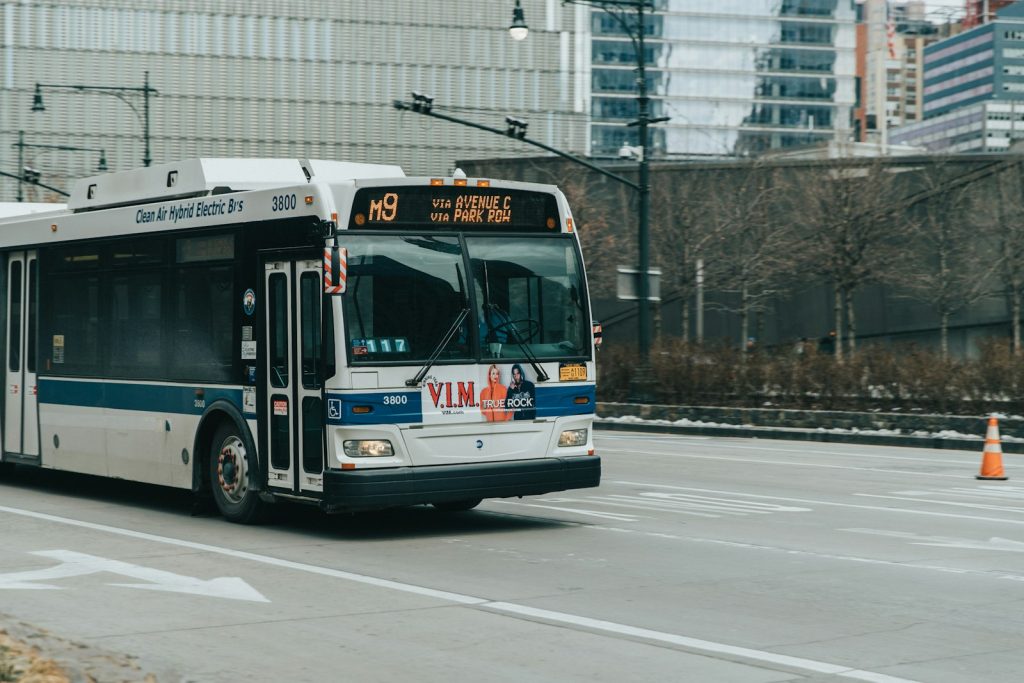
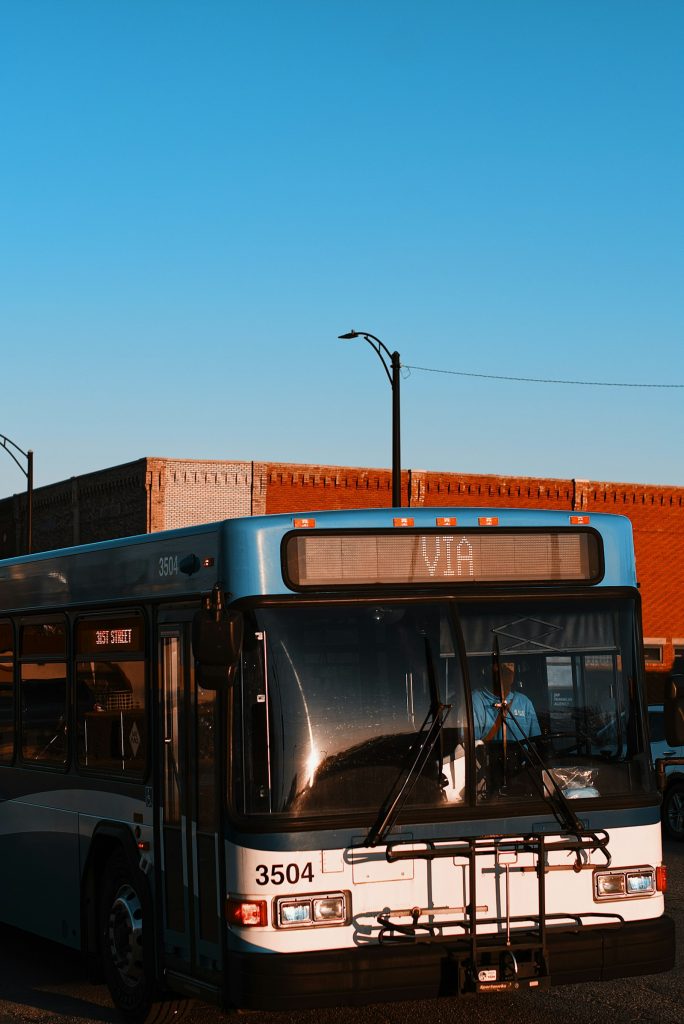
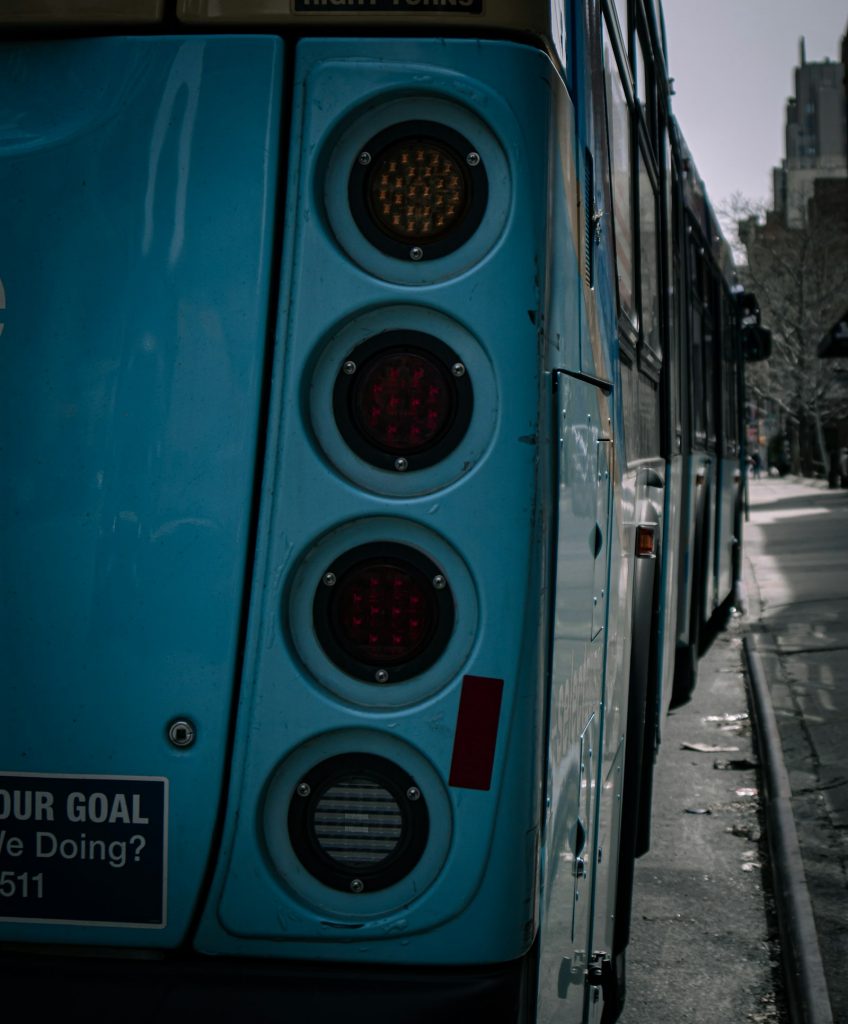
Write down the route and the bus number. The number is usually displayed on the front, sides and rear of the bus. Those two details help identify the operator.
And if another vehicle caused the crash, there may be a second claim against that driver and owner, on the ordinary three-year timeline. The owner of a vehicle is generally liable for a permissive driver’s negligence under VTL §388.
Two claims. Two clocks. One rider who just wants to get back to work.
The Proof
An MTA bus is a rolling source of records. Few riders know how much information may exist about the moment they were hurt.
Cameras. Many MTA buses carry onboard cameras. Some point at the cabin and doors. Some face the road. Bus-lane enforcement cameras also watch certain corridors. Whether a specific camera captured a specific incident varies. Retention is limited.
Location tracking. MTA buses are tracked by GPS. That is how real-time arrival information reaches riders’ phones. Location data can help reconstruct where a bus was and how it moved.
Operator and incident reports. Operators are generally expected to report incidents. Those reports, along with dispatcher communications, can contain early accounts of what happened.
Maintenance records. If a door, brake or ramp malfunctioned, repair histories may show whether the problem was known.
The street. Stores and buildings along bus corridors often have cameras. Their footage may be overwritten within days or weeks.
The riders. Fellow passengers saw it. Most of them leave on the next bus.
The pattern is the same everywhere: the evidence exists, but much of it is held by the authority itself, and much of it doesn’t last. A prompt preservation demand helps. So do your own photos, the names of witnesses, and proof you were aboard, like the card or phone you used to pay your fare.
The Sudden-Stop Problem
Here is a hard truth riders should know.
Buses jerk. Everybody who rides one knows that. New York courts know it too.
In claims based on a bus’s start or stop, courts have generally required proof that the movement was unusual and violent, more than the ordinary jolts of city travel. A rider’s own testimony that “it stopped hard” often isn’t enough on its own.
What can help? Onboard video. Braking data. Other passengers who also fell or were thrown. A clear medical record describing how the injury happened.
And context. A bus that slammed its brakes because a car cut in front of it, or because the operator was looking away, tells a different story than a routine stop.
The Money
Bus crashes are motor vehicle accidents under New York law. That brings in the no-fault system.
No-fault generally pays basic economic loss up to $50,000 per person, regardless of fault: medical bills, 80% of lost earnings up to $2,000 a month, and up to $25 a day for other reasonable expenses. The application is generally due within 30 days.
In bus cases, which insurer handles no-fault can turn on special rules, including whether you or a relative in your household own an insured vehicle. Identifying the correct carrier quickly matters.
Beyond no-fault, a claim for pain and suffering requires a “serious injury” under Insurance Law §5102(d). That includes fractures, significant disfigurement, permanent loss of use, and permanent consequential or significant limitations. Economic loss above no-fault can be pursued regardless.
2026 update: For motor-vehicle personal-injury actions commenced on or after May 26, 2026, CPLR 1411 applies modified comparative fault. A claimant whose fault exceeds the defendants’ combined fault (more than 50%) recovers nothing; at 50% or less, recovery is reduced by the claimant’s share. The “90/180-day” serious-injury category was also removed. Bus claims count as motor-vehicle claims, so arguments that a rider wasn’t holding on, or that a pedestrian stepped out against the signal, now carry higher stakes.
Inside the 50-h Hearing
For many riders, the 50-h hearing is the first time they sit across from a lawyer for the other side.
It is an examination under oath. A court reporter records it. The authority’s attorney asks about the incident, your injuries, your medical history, your work and your daily life.
It is not a trial. There is no judge. But what you say can be used later.
Preparation matters. Riders who review their timeline, their medical treatment and their limitations beforehand tend to give clearer, more accurate testimony. Guessing is risky. “I don’t know” or “I don’t remember” is a legitimate answer when it’s true.
Three Queens Landmarks on the Bus Map
MTA buses reach every corner of Queens. Three well-known destinations show how close everyday bus travel is to the borough’s cultural life.
Queens Botanical Garden
The Queens Botanical Garden sits along Main Street in Flushing, a short walk south of downtown. Its roots trace to a garden exhibit at the 1939 World’s Fair, and today it offers themed gardens, a rose garden, a bee garden and an environmentally designed visitor center. Many visitors arrive by bus or walk over from the Main Street subway and bus hub. Main Street near the garden carries heavy bus traffic, so crossing to and from the entrance, especially with children, calls for patience at the signals and attention to buses pulling in and out of stops.
The Bowne House in Flushing
On Bowne Street, the Bowne House is one of the oldest surviving houses in New York City, dating to the 1660s. It is closely tied to the history of religious freedom in America, as its 17th-century Quaker owner hosted worship there in defiance of colonial authorities. Today it operates as a historic house museum. It sits a few blocks from busy Northern Boulevard and the Main Street commercial core, where buses, delivery vehicles and pedestrians compete for space. Visitors arriving by bus often cross Northern Boulevard, a wide road where turning drivers and buses mix with heavy foot traffic.
Forest Hills Stadium
Tucked inside the residential enclave of Forest Hills Gardens, Forest Hills Stadium is the historic tennis stadium of the West Side Tennis Club, which hosted the U.S. national championships for decades before the tournament moved to Flushing Meadows. Today it is an outdoor concert venue. On show nights, thousands of people pour into narrow streets near Queens Boulevard and Austin Street, and many arrive by subway, LIRR or bus. Buses on Queens Boulevard and nearby routes navigate crowds, ride-hail pickups and drivers unfamiliar with the area, a combination that calls for extra care after a concert lets out.
Directions to Our Rosedale Office from Queens Botanical Garden
From Queens Botanical Garden on Main Street in Flushing, head south on Main Street to the Long Island Expressway and take it east. Exit onto the Cross Island Parkway southbound and follow it past Hillside Avenue and Jamaica Avenue toward the Belt Parkway area in Rosedale. Exit near Francis Lewis Boulevard and continue on local streets to 1 Cross Island Plaza, Suite 325. Plan on about 20 to 35 minutes, depending on traffic.
What Riders Can Do Right Now
The reporting points to a short list.
- Report it. Tell the operator before you leave the bus, if you can. Call police for any collision or serious injury.
- Record it. Route, bus number, direction, time, nearest cross street.
- Photograph it. The bus, the scene, the curb, your injuries.
- Find the witnesses. A name and a phone number from one fellow rider can change a case.
- Get treated. Tell the doctor exactly how you were hurt.
- File no-fault. Generally within 30 days.
- Count to 90. The Notice of Claim deadline is the one that sinks the most claims.
Riders on the eastern edge of the borough can read our page for an MTA bus accident in Bellerose. For the bigger picture across New York, see our overview as a bus accident attorney in New York. Parents should also read our guide for a school bus accident in Queens, and if your crash involved a large commercial vehicle rather than a bus, our page for a truck accident lawyer in Queens explains those rules. Our general personal injury FAQ page answers more common questions.
MTA Bus Accident FAQs
How long do I have to file a claim after an MTA bus accident in Queens?
A Notice of Claim generally must be served within 90 days of the incident on the correct MTA entity, under General Municipal Law §50-e and, for New York City Transit, Public Authorities Law §1212. A lawsuit generally must be filed within one year and 90 days. These deadlines are much shorter than the general three-year personal injury statute of limitations, and missing the 90-day notice can put your claim at serious risk.
What is a 50-h hearing?
A 50-h hearing is an examination under oath that a public entity, including MTA authorities, may demand after you serve a Notice of Claim and before you file a lawsuit. The authority’s lawyer asks about the incident, your injuries, your medical history and how your life has been affected. A court reporter records it. There is no judge, but your testimony can be used later, so careful preparation with your attorney is important.
Is my bus operated by New York City Transit or MTA Bus Company?
Both operate bus routes in Queens, and the right entity can matter when serving a Notice of Claim. The route number and the bus number displayed on the front, sides and rear of the bus help identify the operator. The MTA website also has route information. An attorney can confirm which entity operated your bus and make sure the notice is served properly.
I was thrown when the bus braked hard. Can I recover?
It depends on the evidence. New York courts generally treat ordinary starts and stops as a normal part of bus travel, so riders usually must show the movement was unusual and violent. Onboard video, braking data, testimony from other passengers who were also affected, and detailed medical records can help. Why the bus braked also matters, for example if the operator was distracted or another driver cut in front.
Who pays my medical bills after an MTA bus accident?
New York’s no-fault system generally pays basic economic loss up to $50,000 per person, including medical bills, 80% of lost earnings up to $2,000 a month, and up to $25 a day for other reasonable expenses, regardless of fault. In bus cases, which insurer handles your claim can depend on special rules, such as whether you or a household relative own an insured car. File promptly, generally within 30 days.
Can I sue the MTA for pain and suffering?
Yes, if you meet the requirements. You must serve a timely Notice of Claim, and because bus crashes are motor vehicle accidents, you generally must show a “serious injury” under Insurance Law §5102(d), such as a fracture, significant disfigurement, or a permanent or significant limitation. Comparative fault rules also apply, and for cases commenced on or after May 26, 2026, a claimant found more than 50% at fault recovers nothing.
What if I was hit by an MTA bus while walking or biking?
Bus operators must exercise due care to avoid pedestrians and cyclists, as all drivers must. A claim against the operating MTA entity requires a Notice of Claim within 90 days. Bus cameras, street video and witnesses at the crosswalk or bus stop can be key evidence. No-fault benefits and the serious-injury threshold generally apply, as they do with other motor vehicle crashes.
Does the MTA keep video of bus incidents?
Many MTA buses have onboard cameras, but not every camera captures every incident, and footage is not kept indefinitely. Systems often overwrite older recordings unless video is saved. That’s why a prompt preservation request is important. Street cameras on nearby businesses are often an even more time-sensitive source, since private systems may record over footage within days or weeks.
I missed the 90-day deadline. Is it too late?
Not necessarily, but your options narrow. New York law allows a court, in some circumstances, to permit late service of a Notice of Claim, considering factors such as whether the authority learned the essential facts in time and whether it was prejudiced by the delay. Approval is not guaranteed, and the request itself has deadlines. If you’re past 90 days, speak with an attorney immediately rather than waiting further.
Where is your office, and is it near a bus line?
Our office is at 1 Cross Island Plaza, Suite 325, Rosedale, NY 11422, near the Cross Island Parkway and Belt Parkway in southeast Queens. Local buses serve the surrounding Rosedale and Laurelton area, and the drive from Flushing or Forest Hills typically uses the Cross Island Parkway. If an injury makes travel difficult, call 718.775.3110 to discuss other options.
Related: For a full overview of how our firm handles these claims, visit our MTA Bus Accident Lawyer in Queens page.
Talk to an MTA Bus Accident Lawyer in Queens
The clock starts the moment the bus stops. If you were hurt on, near, or by an MTA bus anywhere in the borough, speak with an MTA Bus Accident Lawyer in Queens before the 90-day window closes. Call Yakov Mushiyev & Associates, P.C. at 718.775.3110 or reach us online. Our office is at 1 Cross Island Plaza, Suite 325, Rosedale, NY 11422.
General information, not legal advice. Attorney Advertising. Prior results do not guarantee a similar outcome.