
Dear reader,
If you have found your way to this page, there is a good chance that someone you love, or you yourself, was struck from the side by another car somewhere in our borough. Maybe it happened at a light on Hillside Avenue, maybe at a quiet stop sign in Bayside. We are writing to you the way a T-Bone Accident Lawyer in Queens would speak if we were sitting with you at your kitchen table: slowly, honestly, and with your family’s next few months in mind. You do not need to read every word today. Bookmark it. Come back when you can.
A side-impact crash is different from most collisions. There is very little between you and the other vehicle: a door, a window, a side airbag if your car has one. The bumper and engine compartment that absorb so much force in a front or rear collision are simply not there. So when people tell us they “only” got hit in the side, we gently remind them that the body often takes the brunt of these crashes in ways that do not show up for days.
This letter is meant to help you understand what happens next, what you are entitled to ask for, and which deadlines matter. It is general information, not advice about your specific case. But we hope it makes the road ahead feel a little less unfamiliar.
First, About You: The Hours and Days After a Side-Impact Crash
Before we talk about insurance or fault, we want to talk about your body. In a broadside collision, your head and neck are thrown sideways, a direction the spine is not built to move in. Your shoulder, ribs, pelvis and hip on the struck side can absorb the door as it pushes inward. Passengers on the near side often suffer more than the driver, and a child in a rear seat can be affected in ways that are hard to see right away.
Please consider these steps, even if you feel “mostly fine”:
- See a doctor quickly. Emergency rooms at nearby Queens hospitals, an urgent care center, or your own physician. Tell them you were hit from the side and on which side. That detail helps them look for the right injuries.
- Write down what hurts each day. Headaches, numbness in your fingers, a hip that aches when you climb stairs. Short notes on your phone are enough. Months from now, memory blurs; notes do not.
- Keep every paper. Discharge instructions, prescription receipts, the tow slip, the police officer’s card with the report number.
- Do not rush to “be strong.” Many of the families we meet tried to go back to work the next morning. Rest is part of recovery, and gaps in treatment are something insurers notice.
If you are caring for a spouse or parent who was hurt, take care of yourself too. Coordinating appointments, managing the car, answering calls from adjusters: this is a second job. You are allowed to ask for help with it.
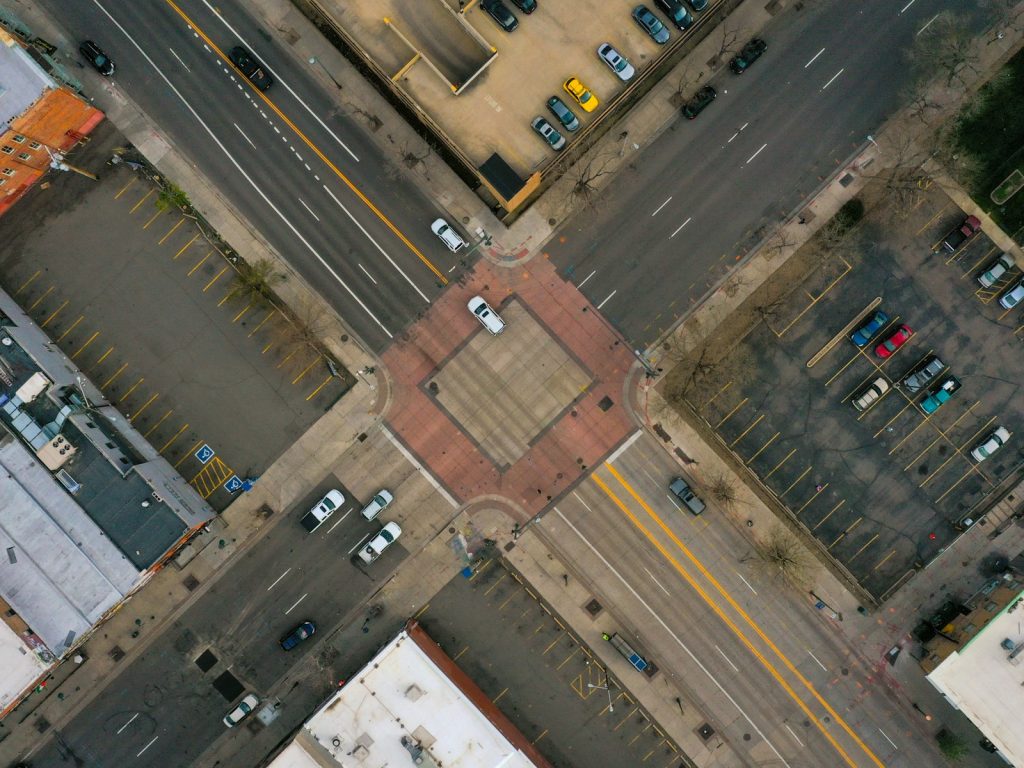
What a T-Bone Accident Lawyer in Queens Looks at First: Who Had the Right of Way
Almost every T-bone crash comes down to one question: who was supposed to go, and who was supposed to wait? Side-impact collisions usually happen where paths cross: at intersections, at driveways, at parking-lot exits onto a busy road. One driver enters a space the other driver had a right to occupy.
The New York Vehicle and Traffic Law sets out right-of-way rules for signals, stop signs, yield signs and left turns. In our experience, the common patterns in Queens look like this:
- Running a red light or a stale yellow on wide roads like Queens Boulevard, Northern Boulevard, or Woodhaven Boulevard, where many lanes of crossing traffic give a speeding driver a false sense of room.
- Left turns across oncoming traffic, where a driver turning left misjudges the speed of an approaching car and puts the side of their own vehicle, or the side of yours, in its path.
- Rolling through a stop sign on residential side streets in neighborhoods like Bayside, Fresh Meadows and Cambria Heights, where drivers grow used to empty cross streets.
- Pulling out of a driveway, gas station or shopping lot onto roads like Francis Lewis Boulevard, Merrick Boulevard or Jamaica Avenue without a clear view.
- Service-road merges along the Long Island Expressway and Horace Harding Expressway, where traffic exiting and entering crosses paths at speed.
You might be thinking, “But it was so obvious. They ran the light.” Sometimes it is that clear. Often, though, the other driver tells their insurer a different story: the light was yellow, you were speeding, you were on your phone. That is why the evidence matters so much, and why it matters early.
The evidence that tells the truth
In a side-impact case, the physical story is written on the cars themselves. Where the damage sits, how deep it goes, and the angle of the crush can help a reconstruction expert estimate speeds and positions. But cars get repaired or scrapped quickly, so photographs from every angle, taken before anything is fixed, are precious.
Beyond the vehicles, we look for:
- Video. Nearby shops, bodegas, gas stations, apartment buildings and buses may have cameras. Many systems record over themselves within days or weeks, so speed matters.
- Dashcam footage from your car, the other car, or a passing driver who stopped to help.
- Signal information. Traffic-signal timing records can sometimes help show what color a light likely was at a given moment.
- Event data recorders. Many modern vehicles store pre-crash data such as speed and braking for a few seconds before impact.
- Witnesses. A pedestrian waiting at the corner or a driver stopped at the light often sees exactly who entered the intersection on red.
- The police report and, for drivers, the DMV report. New York drivers generally must file form MV-104 within 10 days when anyone is injured or killed, or when property damage exceeds $1,000.
You do not have to gather all of this yourself. Your job right now is to heal. But if you have photos, names or numbers, keep them safe and share them with whoever is handling your claim.
How the Bills Get Paid While You Heal
One of the first worries families share with us is money. The hospital bill arrives. Work is on hold. The car is gone. Here is how New York’s system is designed to work, in plain terms.
No-fault comes first
New York is a no-fault state. If you were driving or riding in a car, your own policy (or the policy covering the car you were in) generally pays “basic economic loss” up to $50,000 per person, regardless of who caused the crash. That can include medical bills, 80% of lost earnings up to $2,000 a month, and up to $25 a day for other reasonable expenses, like help around the house. If you were a pedestrian or bicyclist struck by the car, you generally claim no-fault through that vehicle’s insurer.
Please hear this part clearly: the no-fault application is generally due within 30 days of the accident. That deadline is easy to miss when you are in pain and overwhelmed. If you have not filed yet, make it a priority. The New York State Department of Financial Services has consumer information about how auto coverage works.
Pain, suffering and the “serious injury” door
No-fault covers money out of pocket. It does not compensate you for pain, for the months you could not lift your child, or for the hobby you had to give up. To bring a claim for those losses after a motor vehicle accident, New York law requires a “serious injury” as defined in Insurance Law §5102(d). That definition includes things like a fracture, significant disfigurement, permanent loss of use of a body part, a permanent consequential limitation, a significant limitation of use, and death.
Side-impact crashes produce fractures more often than many people expect: ribs, pelvis, collarbone, and wrists and arms raised in reflex. Shoulder and spinal injuries are also common. Whether your injury meets the threshold is a medical and legal question, which is one more reason consistent treatment and careful records matter. Economic losses above what no-fault pays, such as lost wages beyond the cap, can be pursued regardless of the threshold.
When the other driver has little or no insurance
Sometimes the driver who broadsided you carries only the minimum, or no insurance at all, or drives away. Your own policy may include supplementary uninsured/underinsured motorist (SUM) coverage. If there is no other coverage, the Motor Vehicle Accident Indemnification Corporation, known as MVAIC, may apply, but it has strict notice requirements, including a police report and timely notice. If the driver fled, report it to police as soon as possible.
2026 update: For motor-vehicle personal-injury lawsuits commenced on or after May 26, 2026, New York moved to a modified comparative fault rule under CPLR 1411: if your share of fault is greater than the defendants’ combined share (more than 50%), you recover nothing; at 50% or less, your recovery is reduced by your percentage. The same changes removed the “90/180-day” category from the serious-injury definition. Because T-bone cases so often involve disputes over who had the light, these changes make early evidence even more important.
When the Other Side Says You Share the Blame
We want to prepare you for something that can feel unfair. Even when another driver plainly ran a red light, their insurer may argue that you were going too fast, that you should have seen them coming, or that you entered on a late yellow yourself. These arguments are common in intersection and side-impact claims because both cars were moving and both drivers had choices to make.
Being told you are “partly at fault” does not mean you have no claim. Under the rules described above, your percentage of fault reduces what you can recover, and for newer motor-vehicle cases a share above 50% would bar recovery. That is why a careful, honest reconstruction, built on video, data and witnesses, is so valuable. It replaces guesswork with facts.
More Than One Party May Be Responsible
A side-impact crash can involve more people than the two drivers. Some possibilities a T-Bone Accident Lawyer in Queens will consider include:
- The vehicle’s owner. Under VTL §388, an owner is generally vicariously liable for the negligence of someone driving with permission. If a friend borrowed a car, or a relative drove the family vehicle, the owner’s policy is usually in play.
- An employer. If the driver was working, making deliveries or driving a company van, the business may be responsible as well.
- A government entity. If a city vehicle, such as a DSNY truck, or an MTA bus caused the crash, special rules apply. A Notice of Claim is generally required within 90 days, and a lawsuit generally within one year and 90 days. Ninety days goes by fast.
- Rideshare and taxi coverage. If you were a passenger in an Uber, Lyft or yellow cab, the driver is TLC-licensed and must carry commercial insurance, and your medical bills usually begin with no-fault from that vehicle’s policy.
If your crash happened just over the line in eastern Queens, our page on a Bellerose T-bone accident claim walks through how these issues look in that neighborhood. And because so many broadside crashes happen where two roads meet, you may also find our guide for an intersection accident in Queens helpful.
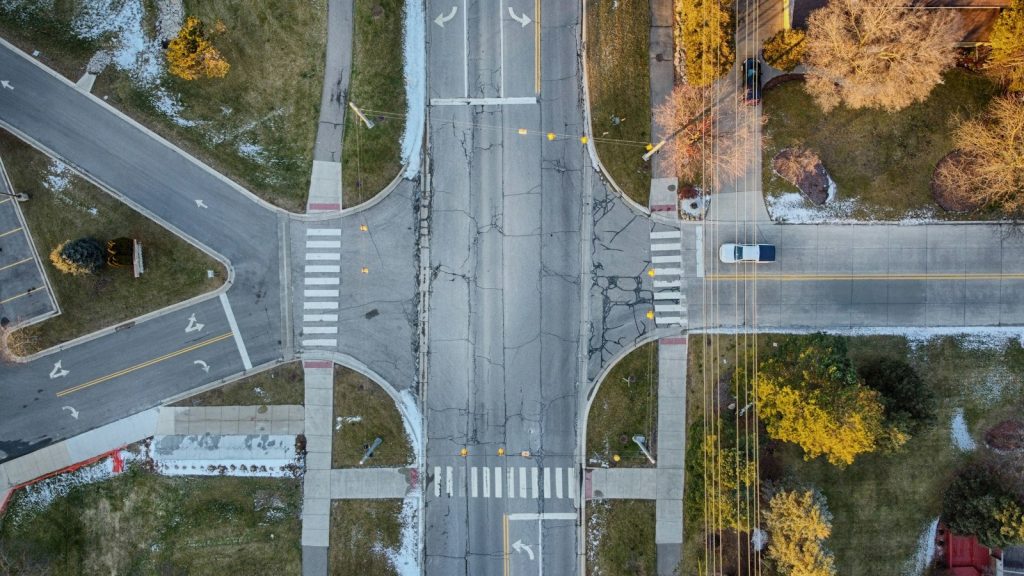
The Clock You Cannot See
We do not want to frighten you, but we would be failing you if we did not say this plainly. Deadlines in New York injury cases are strict. The general statute of limitations for personal injury is three years under CPLR 214(5). Claims against the City and certain public authorities move much faster, with that 90-day notice. No-fault has its 30-day application window. If a loved one died as a result of the crash, a wrongful-death claim generally must be filed within two years of the death.
None of this means you have to make every decision this week. It means it is wise to talk with someone early, so that the options you have today are still there when you are ready.
Three Queens Landmarks Near Where Families Find Us
Our clients come from every corner of the borough. Here are three places many of them know well, and what the roads around them can teach about side-impact safety.
Fort Totten Park
At the northern tip of Bayside, where Little Neck Bay meets the East River, Fort Totten Park preserves a Civil War-era stone fortification, historic military buildings and open lawns with sweeping views toward the Throgs Neck Bridge. Families come for walks, kayaking programs and summer events. Getting there usually means driving along Totten Avenue or Bell Boulevard, or exiting the Cross Island Parkway near Bayside. Those exits and the residential intersections that follow can be tricky, with drivers leaving parkway speeds and coming into stop-sign streets. If you are visiting, slow down well before cross streets near the park entrance, and watch for cars nosing out to see past parked vehicles.
Alley Pond Park
Stretching from Douglaston and Little Neck down toward Oakland Gardens, Alley Pond Park is one of the largest parks in Queens, with wetlands, forest trails, the Alley Pond Environmental Center and one of the oldest and tallest trees in the city. It is also cut through by major roads: the Long Island Expressway, the Grand Central Parkway and the Cross Island Parkway all run through or alongside it. That means service roads, ramps and busy crossings like Winchester Boulevard and Springfield Boulevard. Merging traffic near these ramps is a classic setting for angled and side-impact crashes, so give yourself extra time and space.
Addisleigh Park Historic District in St. Albans
In southeast Queens, the Addisleigh Park Historic District protects a leafy neighborhood of early twentieth-century Tudor and Colonial Revival homes. It is known nationally because many celebrated African American musicians, athletes and civic leaders made their homes there in the mid-twentieth century, and New York City designated it a historic district in 2011. The quiet streets sit close to busy Linden Boulevard and Merrick Boulevard, where drivers turning onto or off of the main roads meet fast through-traffic. If you live nearby, our Rosedale office is only a short drive southeast.
Directions to Our Rosedale Office from Fort Totten Park
From Fort Totten Park in Bayside, head to the Cross Island Parkway southbound, following it along Little Neck Bay and past the Long Island Expressway and Grand Central Parkway interchanges. Continue south past Hillside Avenue and Jamaica Avenue toward the Belt Parkway area in Rosedale. Exit near Francis Lewis Boulevard and follow local streets to 1 Cross Island Plaza, Suite 325. The drive usually takes about 20 to 30 minutes, depending on traffic.
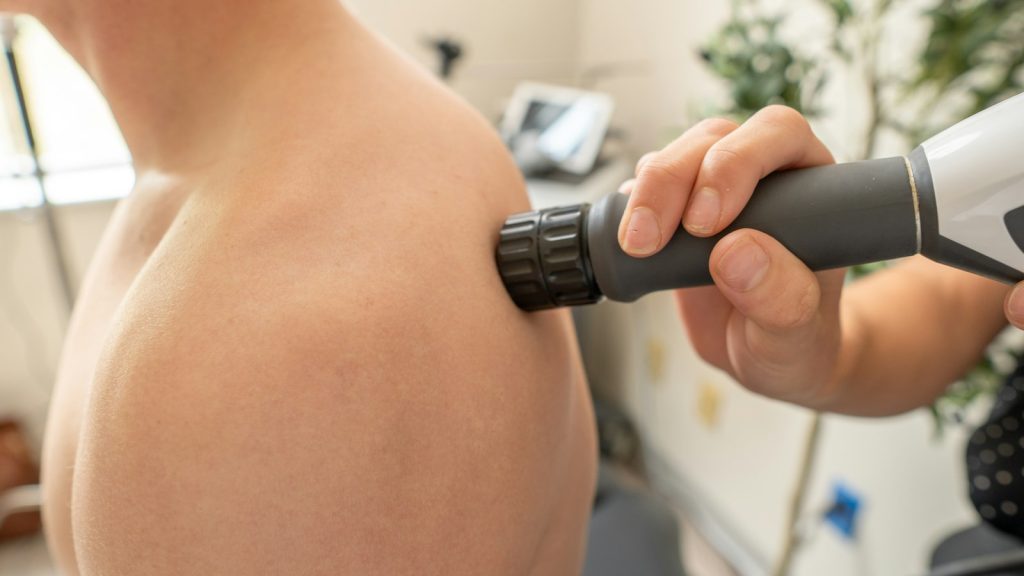
A Few Things We Would Ask You Not to Do
These are gentle cautions, born from watching good claims become harder than they needed to be:
- Do not give a recorded statement to the other driver’s insurer before you understand your rights. Adjusters are trained, polite and persistent. A casual “I didn’t see them until the last second” can be repeated back to you later as an admission.
- Do not post about the crash or your recovery online. A photo from a cousin’s birthday can be used to suggest you are not really hurt, even if you spent the next two days in bed.
- Do not let the car disappear. Before the vehicle is repaired or declared a total loss, make sure it has been photographed thoroughly.
- Do not skip appointments because you feel a little better or because the trip is hard. Tell your doctor if transportation is a problem; there may be solutions.
- Do not sign a release or cash a settlement check from the at-fault insurer without understanding what you are giving up. A release is usually final.
What Working With a T-Bone Accident Lawyer in Queens Can Look Like
We know that calling a law office can feel like a big step. It does not have to be. A first conversation is simply a chance to tell your story and ask your questions. Here is what that process generally looks like at our firm:
- Listening. We want to hear what happened, how you are feeling, and what worries you most, whether that is rent, a child’s care or your job.
- Protecting deadlines. We confirm that no-fault has been filed and identify whether any government notice deadline applies.
- Preserving proof. Where appropriate, we send preservation requests for video and vehicle data, and we track down witnesses while memories are fresh.
- Handling the calls. Insurers can communicate with us instead of you, so you can focus on treatment and family.
- Explaining every choice. Whether a claim resolves through negotiation or needs to go to court, decisions are yours, made with full information.
You can learn more about Yakov Mushiyev & Associates and see the full range of injury cases our firm handles. If your crash was one part of a broader injury picture, our overview for anyone looking for a personal injury lawyer in Queens may also help.

Questions Families Ask Us About Side-Impact Crashes
Who is usually at fault in a T-bone accident?
Fault usually falls on the driver who failed to yield the right of way, for example by running a red light, ignoring a stop sign, or turning left in front of oncoming traffic. But it is not automatic. Insurers often argue that the other driver was speeding or inattentive, and fault can be shared. Video, witness statements, vehicle damage patterns and event data recorder information all help establish what really happened. Each case depends on its own facts, so an early, careful review of the evidence is important.
Will no-fault insurance pay my medical bills after a side-impact crash?
Generally, yes. If you were in a car, the no-fault coverage on that vehicle typically pays basic economic loss up to $50,000 per person regardless of fault, including medical bills, 80% of lost earnings up to $2,000 a month, and up to $25 a day for other reasonable expenses. If you were a pedestrian or bicyclist struck by the car, you generally claim through that vehicle’s insurer. The application is generally due within 30 days of the accident, so file promptly.
Can I sue for pain and suffering after a T-bone crash in Queens?
You can if your injuries meet New York’s “serious injury” threshold in Insurance Law §5102(d). Examples include a fracture, significant disfigurement, permanent loss of use of a body part, a permanent consequential limitation, or a significant limitation of use. Side-impact crashes often cause fractures to ribs, pelvis or arms, as well as shoulder and spinal injuries. Your medical records will be central to proving the threshold, which is why steady treatment matters.
What if I was a passenger in the car that got broadsided?
Passengers are rarely at fault, which can simplify the liability question. Your medical bills usually start with no-fault from the vehicle you were riding in. Beyond that, you may have a claim against the driver who caused the crash, and potentially against the driver of your own vehicle if they shared fault. If you were in a taxi or rideshare, those drivers must carry commercial insurance. A lawyer can identify every policy that may apply.
How long do I have to file a claim?
The general deadline for a personal injury lawsuit in New York is three years from the accident under CPLR 214(5). But shorter deadlines can apply. No-fault applications are generally due within 30 days. If a city vehicle or an MTA bus was involved, a Notice of Claim is generally required within 90 days, with a lawsuit generally due within one year and 90 days. Wrongful-death claims generally have a two-year limit from the date of death.
Which Queens roads see the most side-impact crashes?
We do not want to cite numbers we cannot verify, but in our experience broadside crashes are common on wide, multi-lane roads with frequent cross streets and turning traffic, such as Queens Boulevard, Northern Boulevard, Woodhaven Boulevard, Hillside Avenue, Merrick Boulevard and Francis Lewis Boulevard. Service roads along the Long Island Expressway and residential stop-sign intersections are other frequent settings. If your crash happened anywhere in the borough, the same core rules apply.
The other driver ran a red light but says it was yellow. What now?
This is one of the most common disputes in T-bone cases. Independent evidence is the answer: nearby surveillance video, dashcams, witnesses who were waiting at the corner, and sometimes traffic-signal timing records. Vehicle damage and event data can also help a reconstruction expert estimate speeds and positions. Much of this disappears quickly, especially private video, so try to identify cameras and witnesses as soon as possible and share them with your attorney.
Does the 2026 comparative fault change affect my case?
It may. For motor-vehicle personal-injury lawsuits commenced on or after May 26, 2026, New York uses a modified comparative fault rule under CPLR 1411. If your fault is greater than the defendants’ combined fault (more than 50%), you recover nothing; at 50% or less, your recovery is reduced by your share. Because side-impact cases often involve arguments about speed and timing, this makes careful fact-gathering especially important.
What if the driver who hit me fled the scene?
Leaving the scene of an accident involving injury is against the law in New York. Call the police right away so there is a report. Your own policy’s no-fault benefits and any supplementary uninsured/underinsured motorist coverage may help. If no other coverage exists, MVAIC may apply, but it has strict notice requirements, so act as soon as possible. Any photos, partial plate numbers or nearby video can help identify the driver later.
How far is your office if I live in Bayside, Douglaston or St. Albans?
Our office is at 1 Cross Island Plaza, Suite 325, in Rosedale, close to the Cross Island Parkway and Belt Parkway. From Bayside or Douglaston, the Cross Island Parkway southbound brings you most of the way. From St. Albans, it is a short drive southeast via local roads such as Merrick Boulevard or Francis Lewis Boulevard. If travel is difficult because of your injuries, call us and we will talk about options.
Related: For a full overview of how our firm handles these claims, visit our T-Bone Accident Lawyer in Queens page.
With Care, From Our Office in Rosedale
We will close this letter the way we began: with you. Recovering from a side-impact crash takes time, patience and support. You should not have to fight an insurance company while you are learning to sleep through the night again. If you would like to talk with a T-Bone Accident Lawyer in Queens about what happened, call Yakov Mushiyev & Associates, P.C. at 718.775.3110 or reach our team through the contact page. Our office is at 1 Cross Island Plaza, Suite 325, Rosedale, NY 11422. Take care of yourself, and of each other.
General information, not legal advice. Attorney Advertising. Prior results do not guarantee a similar outcome.