
Step out of a JFK terminal and you face a quick choice: join the yellow cab line or open the Lyft app. For a traveler heading to a hotel, or an airport worker going home to South Ozone Park after a double shift, it feels like a decision about price and wait time. It is also, quietly, a decision about whose insurance answers if the ride ends in a crash on the Van Wyck or the Belt Parkway. The two options overlap more than most people expect, but the differences that do exist can shape a claim. This article walks through a Lyft accident in South Ozone Park side by side with a yellow cab crash, so you know what to do whichever line you chose.
If you are already hurt and want to talk it through, Yakov Mushiyev & Associates, P.C. offers a free case review at 718.775.3110, with phone intake 24/7 and consultations in English, Russian and Spanish.
Same Regulator, Different Paper Trail
Here is the part that surprises people. Inside New York City, a yellow cab and a Lyft car answer to the same regulator: the NYC Taxi and Limousine Commission. A Lyft car is a TLC-licensed for-hire vehicle. Its driver holds a TLC driver license, the car carries TLC plates, and it is insured under a commercial for-hire policy. A yellow cab is a medallion taxi, also TLC-licensed, with its own commercial policy.
Because both start their trips inside the city, both are covered by TLC insurance minimums rather than by New York State’s separate rideshare law. For the riders who matter most in this article, the required minimums line up closely:
| Minimum coverage, trip starting in NYC | Yellow cab (medallion) | Lyft car (for-hire, under 8 seats) |
|---|---|---|
| No-fault (PIP), per person | $100,000 since March 1, 2026 | $100,000 since March 1, 2026 |
| Liability, per person | $100,000 | $100,000 |
| Liability, per occurrence | $300,000 | $300,000 |
| Who you identify | Medallion owner, driver, insurer | Driver, plate and trip as shown in the app, insurer |
| Key record | Cab receipt and medallion number | In-app receipt, trip ID, route and timestamps |
One possible difference: Lyft may carry additional coverage above the TLC minimums on some trips. Whether it applies, and how much, has to be confirmed from the insurer and the trip record. Nobody should promise you a number for that layer before the paperwork is in hand.
Where the big rideshare number comes from
You may have read that Lyft cars carry $1.25 million in coverage, but that figure belongs to the statewide rideshare rule, which applies only to trips that start outside New York City. A Lyft that picks you up in Valley Stream or Elmont, just over the Nassau line, can fall under it. A Lyft that picks you up at a JFK terminal or on Rockaway Boulevard does not. Confusing the two can lead people to overestimate what is available, or to accept too little out of frustration.
Your First Dollar Comes From the Car You Were In
Whichever vehicle you picked at the curb, New York’s no-fault system works the same way. As a passenger, you generally claim Personal Injury Protection from the vehicle you occupied. PIP pays medical bills, lost earnings and other basic economic loss regardless of fault. The application must reach that insurer within 30 days of the crash.
- Rode in the yellow cab: the cab’s commercial policy handles your no-fault claim.
- Rode in the Lyft: the Lyft car’s commercial for-hire policy handles it.
- Hit while walking to the AirTrain or a bus stop: you claim from the vehicle that struck you, cab or Lyft.
- Driving your own car when a Lyft or cab hit you: your own no-fault coverage usually pays first.
For airport employees, the 30-day clock tends to run out quietly. You go back to work, the pain seems manageable, and by the time you see a specialist the window has closed. For travelers, the risk is flying home and assuming the paperwork can wait. It cannot.

Where the Lyft Choice Really Changes Things: Evidence
The biggest practical difference between a cab crash and a Lyft crash is the record each one leaves. A Lyft trip lives inside your phone and on the company’s servers. That is an advantage if you protect it, and a problem if you do not.
- Screenshot the in-app ride receipt, the trip ID and the route map before you do anything else with your phone.
- Capture the driver’s name and plate exactly as the app displayed them.
- Note the trip’s start and end times; they help place the crash on the timeline.
- Report the crash in the Lyft app, not only to the police, and save any in-app safety report.
- Keep the app and your account. Deleting either can make the trip harder to prove later.
If you were not a passenger, for example a pedestrian on North Conduit Avenue, the Lyft driver’s status at the moment of the crash becomes important. Was the app off? Was the driver waiting for a request, driving to a pickup, or carrying a rider? Coverage questions can turn on that answer, and only the trip record can settle it. Lyft’s own safety page describes how riders can report incidents in the app.
With a cab, you are hunting for a medallion number. With a Lyft, the evidence is already in your pocket. The mistake is letting it sit there until it is gone.
A Hypothetical Ride Home From Terminal Parking
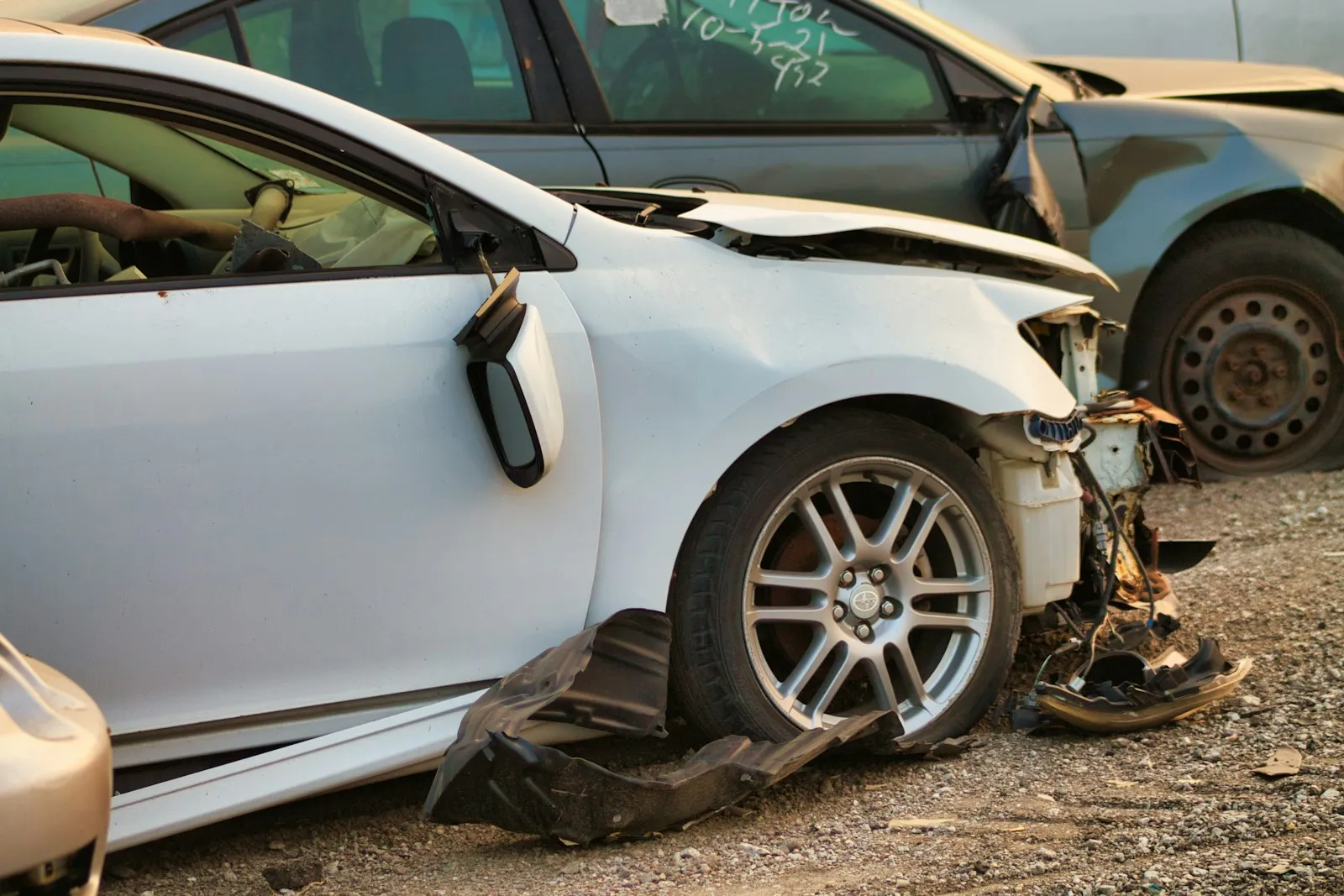
This scenario is hypothetical and is used only to illustrate how the rules work. A ramp agent finishes an overnight shift and requests a Lyft home to a block off Lefferts Boulevard. On the Van Wyck service road, another driver cuts across lanes and clips the Lyft. The ramp agent’s shoulder is fractured. Her coworker, who took a yellow cab to the same street a minute later, is rear-ended at a light on Rockaway Boulevard and hurts his neck.
Both start the same way: a no-fault application to the vehicle each one rode in, within 30 days. The ramp agent’s fracture is one of the listed serious injury categories, so she may also pursue the at-fault driver for pain and suffering. Her coworker would have to show his neck injury fits a category such as a significant limitation of use of a body function or system. If the at-fault driver in her case carried little insurance, her own SUM coverage, or a household relative’s, could matter, because underinsured coverage on TLC vehicles is far lower than under the state rideshare rule. The type of car mattered less than the type of injury and the evidence each of them saved.
The 2026 Rules Apply to Both Lines at the Curb
New York’s 2026 changes do not care whether you rode a cab or a Lyft. Three matter most:
- Serious injury has eight categories now. The old day-count category was removed. The remaining list covers death, dismemberment, significant disfigurement, fracture, loss of a fetus, permanent loss of use, permanent consequential limitation, and significant limitation of use.
- Fault is decided first. Under Insurance Law § 5104, the fact-finder decides fault before deciding whether the injury is serious.
- A fault cutoff for car cases. In motor-vehicle injury lawsuits filed on or after May 26, 2026, a claimant more at fault than the defendant recovers nothing; at 50% or less, recovery is reduced. A passenger’s own fault is rarely an issue, so this mainly affects pedestrians, cyclists and drivers.
The Department of Financial Services’ auto insurance page is a good place to read about no-fault from the consumer side.
JFK and Resorts World: Where These Rides Begin and End
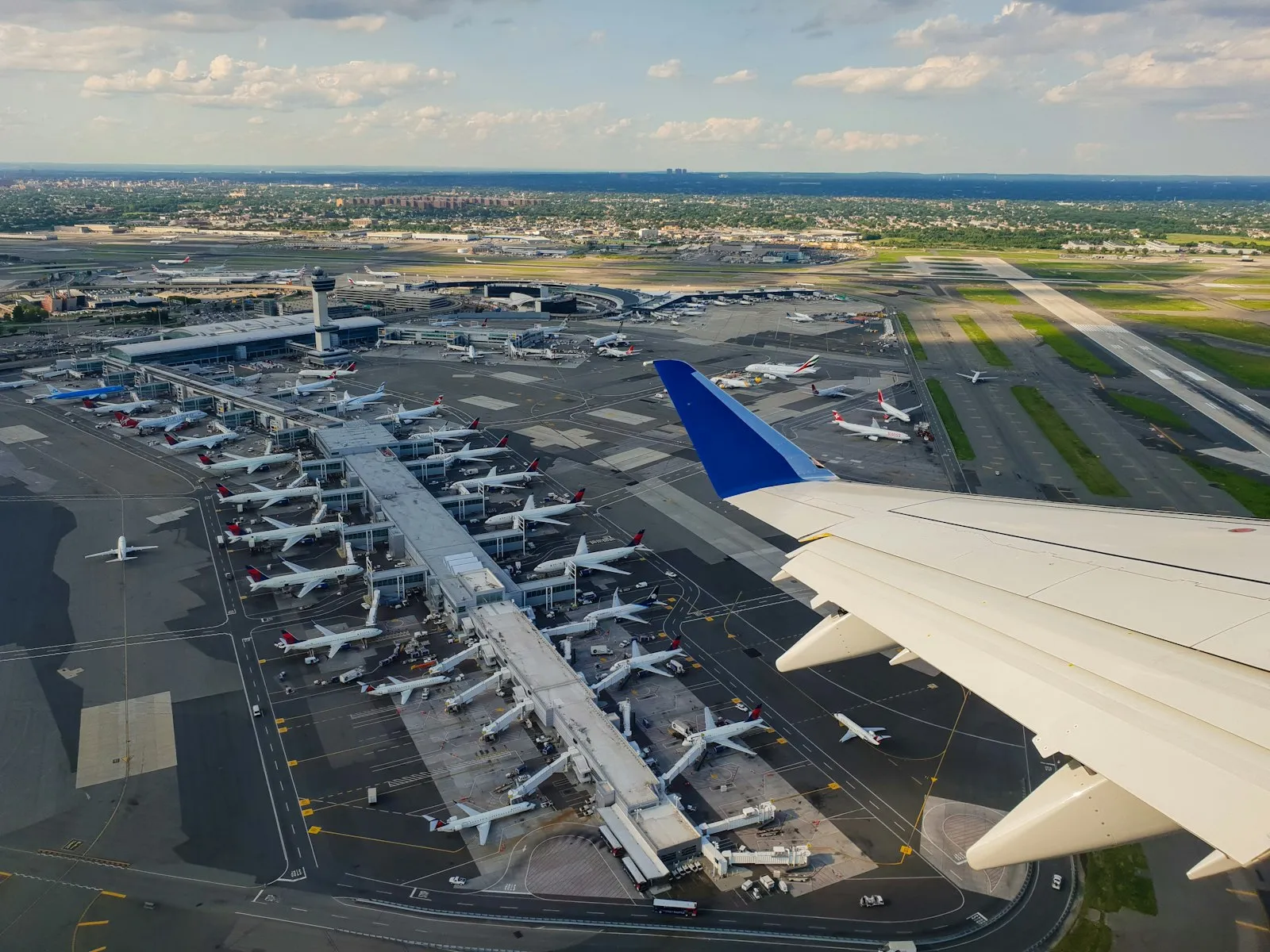
JFK International Airport, operated by the Port Authority of New York and New Jersey, is New York’s main international gateway and a major employer for this part of Queens. Yellow cabs wait at terminal taxi stands; Lyft riders follow the airport’s signs to app pickup areas, while drivers stage nearby until a request comes in. Outbound cars from both lines leave on the Van Wyck Expressway heading north past South Ozone Park, or on the Belt Parkway and North and South Conduit Avenues to the east and west. Inbound drop-offs pile up at terminal curbs where doors open into traffic and bags come out of trunks.
Resorts World Casino New York City and Aqueduct Racetrack sit on the neighborhood’s western side. People come for gaming, horse racing, restaurants and events, and the A train stops at Aqueduct Racetrack station. After late nights, many visitors call a Lyft instead, so pickups gather along Rockaway Boulevard and the North Conduit Avenue side. Drivers leaving the casino area often head straight for the airport roads to catch their next request, which puts tired drivers and wide, fast roads together.
Cab or Lyft? Your Accident FAQs
Is it better, legally, to have been in a Lyft than a yellow cab?
Not in any simple way. For trips starting in NYC, both carry the same TLC minimums: $100,000 per person and $300,000 per occurrence in liability, and $100,000 in PIP. A Lyft may have extra coverage on some trips, but that has to be confirmed.
My crash happened before March 1, 2026. Does the lower PIP minimum apply?
Possibly not. Crashes before March 1, 2026 may still fall under the policy in force at the time. The policy itself controls.
I’m a Lyft driver hurt near JFK. Is my claim the same?
No. Lyft drivers in NYC hurt on the job are generally covered for their own work injuries through the New York Black Car Fund, a workers’ compensation system for black-car and app-based drivers. That is separate from a passenger’s claim.
How long do I have to sue?
Generally three years for personal injury and two years for wrongful death. If a city or MTA vehicle was involved, a notice of claim is due within 90 days.
I live outside New York. Do I need to come back?
Much of a claim can be handled by phone and video. We can explain what, if anything, would require a trip back.
My Lyft started in Nassau and crashed in Queens. Which rules apply?
A trip that starts in Nassau generally falls under the state rideshare rules rather than TLC minimums. Where the trip started matters, which is one more reason to save the receipt.
South Ozone Park Neighborhood FAQs
How close is the neighborhood to the terminals?
Very close. South Ozone Park sits directly north of JFK, separated from the airport by the Belt Parkway and the Conduit Avenues.
Is there a train to the airport?
The AirTrain JFK links the terminals to the A train at Howard Beach and to the subway and Long Island Rail Road at Jamaica.
What are the main local streets?
Rockaway Boulevard and Lefferts Boulevard are the main local arteries, with the Van Wyck Expressway along the east side.
Which ZIP code and neighbors?
The ZIP code is 11420. Neighbors include Ozone Park, Richmond Hill, South Richmond Hill, Jamaica and Howard Beach.
Where would an injury case be heard?
Usually in Queens County Supreme Court in Jamaica. The New York State Unified Court System lists court locations and hours.
For a full overview of rideshare claims here, see our Lyft accident lawyer in South Ozone Park page. If you took the cab line instead, our South Ozone Park taxi accident lawyer page covers medallion cab claims. Neighbors on the far side of the airport can visit our Rosedale Lyft accident page, and our Queens accident lawyer hub and car accident practice page explain the rest of our work. Common questions are collected on our FAQ page.
Get a Free Case Review
Cab or Lyft, the first weeks decide a lot. Yakov Mushiyev & Associates, P.C. will review your situation for free, help you meet the 30-day no-fault deadline, and preserve the trip record before it is lost. Call 718.775.3110 or contact us online. We meet at home, in the hospital or by video, and there is no fee unless we win. Office hours are Monday through Friday, 9 to 6; phone intake runs 24/7.

Yakov Mushiyev & Associates, P.C.
1 Cross Island Plaza, Suite 325, Rosedale, NY 11422
Phone: 718.775.3110
Attorney Advertising. This is general information about New York law, not legal advice, and reading it does not create an attorney-client relationship. Laws change, and every case depends on its own facts. Prior results do not guarantee a similar outcome.