
Whitestone sits at a crossroads. A Lyft that drops you on a quiet block near the water may have started its trip at LaGuardia, in the Bronx on the far side of the bridge, or in Great Neck just over the Nassau County line. After a crash, that starting point is more than trivia. It can decide which insurance rules apply, how much coverage stands behind the driver, and what your lawyer needs to prove first. This article walks through why the place a Lyft trip began matters after a Lyft accident in Whitestone, and how to document it before the details fade.
Three Rides Into Whitestone (Hypothetical Examples)
The scenarios below are hypothetical. They are not real clients or real cases. They simply show how the same kind of crash can lead to different insurance questions.
- The airport run. A traveler books a Lyft at LaGuardia and heads home to Whitestone on the Whitestone Expressway. A car merging from the service road clips the Lyft. The trip started in Queens, so it is an NYC trip under TLC rules.
- The bridge crossing. A rider in the Bronx books a Lyft to Francis Lewis Park and is hurt when traffic stops short on the Bronx–Whitestone Bridge approach. The Bronx is part of New York City, so this is also an NYC trip.
- The county-line commute. A rider in Great Neck books a Lyft to a friend’s house in Beechhurst. The car is rear-ended after it enters Queens. Because the trip started in Nassau County, the state rideshare rules, not the TLC minimums, generally govern the coverage.
Same neighborhood, same kind of rear-end crash, two different rulebooks. That is why the first thing we look at in any Whitestone Lyft case is the ride receipt.
Trips That Begin Inside New York City
Inside the five boroughs, Lyft cars are TLC-licensed for-hire vehicles. The driver needs a TLC driver license, and the car carries TLC plates and commercial for-hire insurance that must meet the minimums set by the NYC Taxi and Limousine Commission. For a for-hire vehicle with fewer than 8 seats, those minimums are:
- Liability: $100,000 per person and $300,000 per occurrence.
- No-fault (PIP): $100,000 per person, effective March 1, 2026. Crashes before that date may still fall under the policy that was in force then.
Lyft may carry additional coverage above the TLC minimums on some trips. Whether it applies, and how much, has to be confirmed from the insurer and the trip record. Nobody should promise you a number before that is done.
Trips That Begin in Nassau or Westchester
New York State has its own rideshare insurance law, which requires $1.25 million in liability coverage while a passenger is aboard on trips that start outside New York City, such as a pickup in Nassau or Westchester. That law exempts cities of one million or more people, which is why New York City is left to the TLC. Whitestone is close enough to the county line that both kinds of trips pass through it every day.
| Where the Lyft trip started | Rules that generally apply | Liability coverage while a passenger is aboard |
|---|---|---|
| Whitestone, Flushing, LaGuardia or anywhere else in Queens | TLC for-hire rules | TLC minimum of $100,000 per person / $300,000 per occurrence |
| The Bronx, Manhattan, Brooklyn or Staten Island | TLC for-hire rules | TLC minimum of $100,000 per person / $300,000 per occurrence |
| Nassau County (for example, Great Neck) or Westchester | State rideshare rules | $1.25 million under the state rule for trips starting outside NYC |
The table is a starting point, not a final answer. The trip record, the policies themselves and the facts of the crash still have to be checked.
The Driver’s App Status Is Part of the Story
Where the ride started is one question. What the driver was doing in the app at the moment of impact is another. A Lyft driver can be in one of several phases:
- App off, driving for personal reasons
- App on, waiting for a ride request
- Request accepted, en route to a pickup
- Passenger aboard, trip in progress
If you were the passenger, your phone already shows that a trip was in progress. If you were a pedestrian, cyclist or another driver hit by a car with TLC plates, the driver’s status is less obvious, and it is something your lawyer has to pin down from the trip data and the insurers.

How to Prove Where Your Lyft Ride Began
The starting point is easy to prove today and harder to prove in six months. Do these things while the trip is still fresh:
- Screenshot the ride receipt. It shows the pickup point, drop-off point, times and the trip ID.
- Screenshot the route map so the path, including any bridge or expressway, is on record.
- Capture the driver’s name and plate exactly as the app displayed them.
- Report the crash in the Lyft app and save a copy of any in-app safety report. Then report it to police.
- Keep the app installed. Deleting it or your account can make the trip harder to retrieve.
- Photograph the plates on the car, front and back, plus the spot where the crash happened and the nearest exit sign.
Lyft’s own safety page describes its in-app reporting tools. Our job is to turn those screenshots into a timeline insurers cannot argue with.
No-Fault Comes First, Wherever the Trip Started
New York is a no-fault state. Before anyone argues about fault or policy limits, Personal Injury Protection pays medical bills, lost earnings and other basic economic loss regardless of who caused the crash. As a Lyft passenger, you apply to the insurer of the Lyft car you were riding in, under its commercial policy. As a pedestrian or cyclist, you generally apply to the insurer of the vehicle that struck you.
The application deadline is 30 days from the accident. Miss it and bills can go unpaid even when everything else about your claim is strong. Learn more about general car accident claims in New York on our practice page.
When Another Driver on the Expressway Caused It
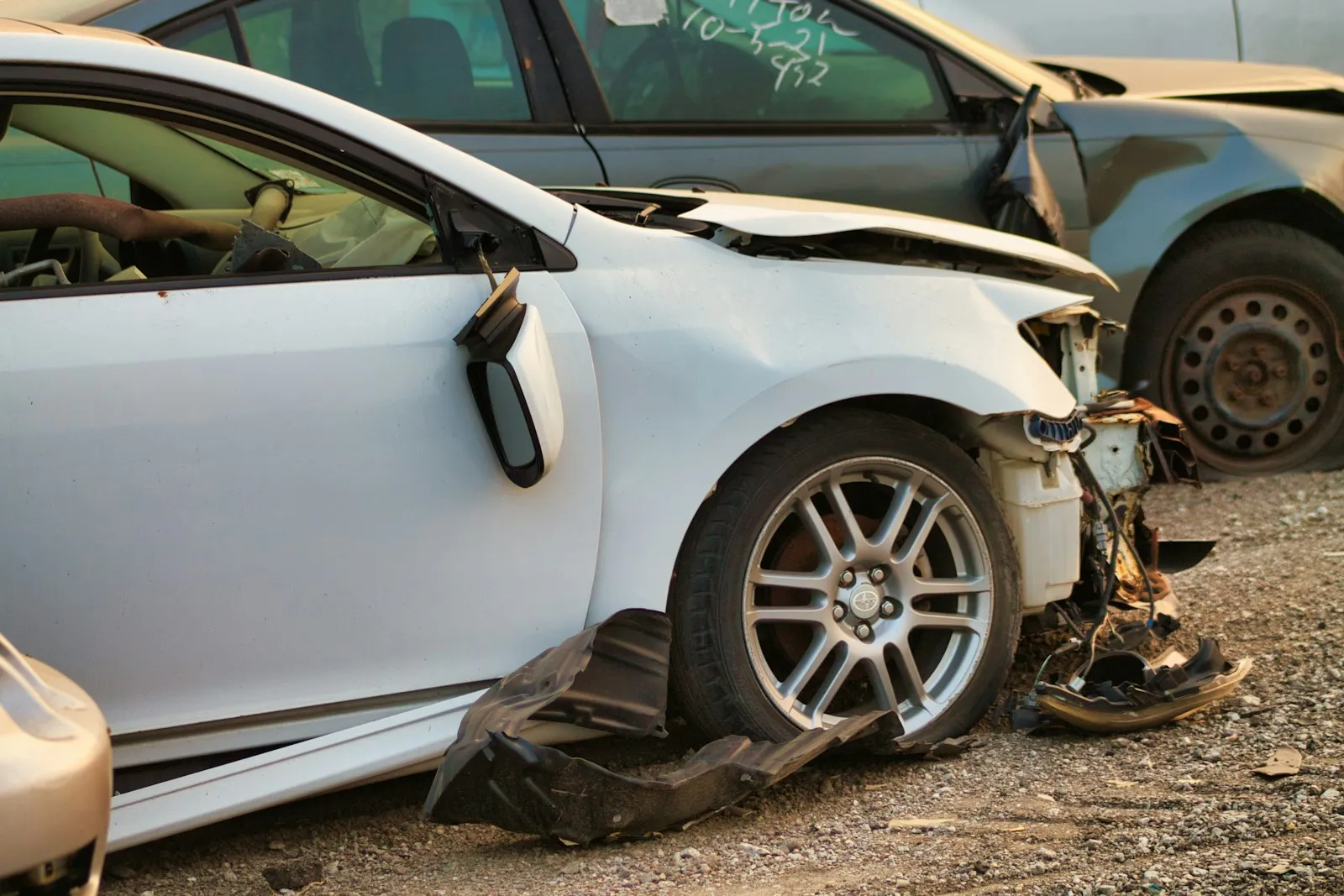
On the Whitestone Expressway and the Cross Island Parkway, the driver who caused the crash is often not the Lyft driver. It may be someone cutting across lanes toward the bridge or braking hard at a merge. Then your pain-and-suffering claim runs against that driver, and the size of that driver’s policy matters a great deal.
Uninsured and underinsured motorist coverage on TLC vehicles in New York City is far lower than under the state rideshare rule. When the at-fault driver has little insurance, your own supplementary uninsured/underinsured motorist (SUM) coverage, or that of a relative in your household, may become important. The Department of Financial Services explains these coverages in plain language.
The ride receipt tells you which rulebook applies. The crash evidence tells you who pays under it. You need both.
Pain and suffering also requires a serious injury under Insurance Law § 5102(d), which since the 2026 budget lists eight categories, from fractures to significant limitation of use of a body function or system. And for motor-vehicle lawsuits filed on or after May 26, 2026, new CPLR 1411(b) bars recovery for a claimant whose fault exceeds the defendants’ combined share. A Lyft passenger is rarely at fault, but a pedestrian, cyclist or other driver may face that argument. The general deadline to sue is three years under CPLR 214(5).

Top Destination: Francis Lewis Park Beneath the Bronx–Whitestone Bridge
Francis Lewis Park is a waterfront NYC Parks property at the Queens foot of the Bronx–Whitestone Bridge, named for Francis Lewis, a Declaration of Independence signer who lived in Whitestone. It draws visitors for its shoreline, its open lawn and its close-up view of the bridge towers. Because it pulls people from well beyond the neighborhood, it is a good example of the starting-point problem: on a single evening, riders may arrive from Flushing, from the Bronx across the bridge, or from Nassau.
Drop-offs happen on residential streets just off the bridge and expressway approaches, usually wherever the driver can pull over. Pickups at dusk are trickier: drivers circle looking for riders, stop in the travel lane, and then hurry back toward the Whitestone Expressway or Cross Island Parkway ramps. If you are hurt here, note the cross street, take a photo of where the car stopped, and save the receipt showing where the trip began.
Lyft Accident FAQs
My Lyft started in Great Neck but crashed in Whitestone. Which rules apply?
Generally the state rideshare rules, because the trip started outside New York City. The exact coverage still has to be confirmed from the policy and trip record.
My ride started at LaGuardia. Is that treated as a Queens trip?
Yes. LaGuardia is in Queens, so a trip starting there is an NYC trip under the TLC minimums.
Where does my no-fault application go?
As a passenger, to the insurer of the Lyft car you were in. As a pedestrian or cyclist, generally to the insurer of the car that hit you. Either way, it is due within 30 days.
Can I get my trip details later if I lose my screenshots?
Often, but it is slower and less certain. Keep the app installed and take screenshots right away so you are not depending on a later request.
What if the Lyft driver was hurt too?
NYC Lyft drivers hurt on the job are generally covered through the New York Black Car Fund, which is separate from a passenger’s claim.
About Whitestone: Local FAQs
How close is Whitestone to the Nassau County line?
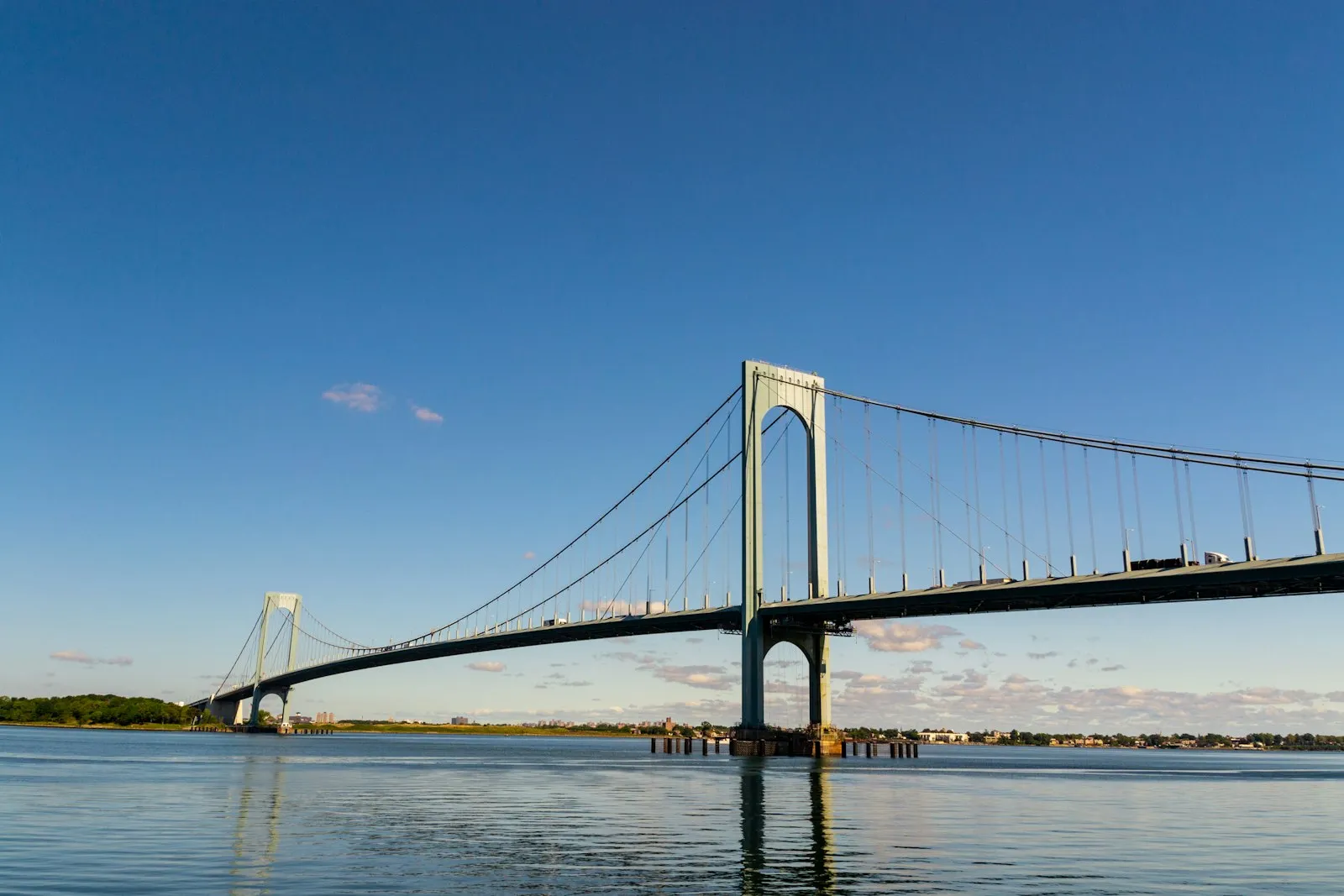
Close. Whitestone is in northeast Queens, with Bayside just to the east, and the Cross Island Parkway and Northern Boulevard both lead toward Nassau. That is why Nassau-to-Queens Lyft trips are common here.
Which bridges connect Whitestone to the Bronx?
The Bronx–Whitestone Bridge lands right in the neighborhood, and the Throgs Neck Bridge is reached by the Clearview Expressway (I-295) to the east.
What ZIP code covers Whitestone?
Whitestone, including Beechhurst and Malba, is generally served by ZIP code 11357.
Which NYPD precinct handles crash reports here?
The 109th Precinct, which also covers Flushing and College Point, typically handles Whitestone.
Where are Whitestone injury cases filed?
Whitestone is in Queens County, so cases are typically filed in Queens County Supreme Court in Jamaica. See the New York State Unified Court System for court information.
Not Sure Which Rules Cover Your Ride? Ask Us
Send us your ride receipt and we will tell you which rulebook applies and what to do next. For a full overview of rideshare claims in the neighborhood, visit our Lyft accident lawyer Whitestone page. Hurt in a yellow or green cab instead? See our Whitestone taxi accident page. We also serve riders next door through our College Point Lyft accident page and across the borough through our Queens accident lawyer practice, and our FAQ page answers general questions.
Free case reviews are available by phone, video, at home or in the hospital, in English, Russian and Spanish. Call 718.775.3110 or reach us online. There is no fee unless we win, and phone intake runs 24/7.

Yakov Mushiyev & Associates, P.C.
1 Cross Island Plaza, Suite 325, Rosedale, NY 11422
Phone: 718.775.3110
Monday–Friday, 9 a.m.–6 p.m. · Phone intake 24/7
Attorney Advertising. This is general information about New York law, not legal advice, and reading it does not create an attorney-client relationship. Every case depends on its own facts. Prior results do not guarantee a similar outcome.