
Almost everyone who calls a motor vehicle accident lawyer in Bellerose arrives with a few beliefs about how these cases work. Some come from television, some from a neighbor’s experience, and some, frankly, from the insurance company on the other side. A surprising number of those beliefs are wrong, and acting on them can quietly cost an injured person benefits, evidence or an entire claim.
Below are nine of the myths we hear most often from people hurt in car, SUV, truck, motorcycle and bus crashes in and around Bellerose, each followed by what New York law actually says. If you were injured on Hillside Avenue, Jamaica Avenue, the Cross Island Parkway or anywhere in eastern Queens, it is worth a few minutes to separate the folklore from the facts.
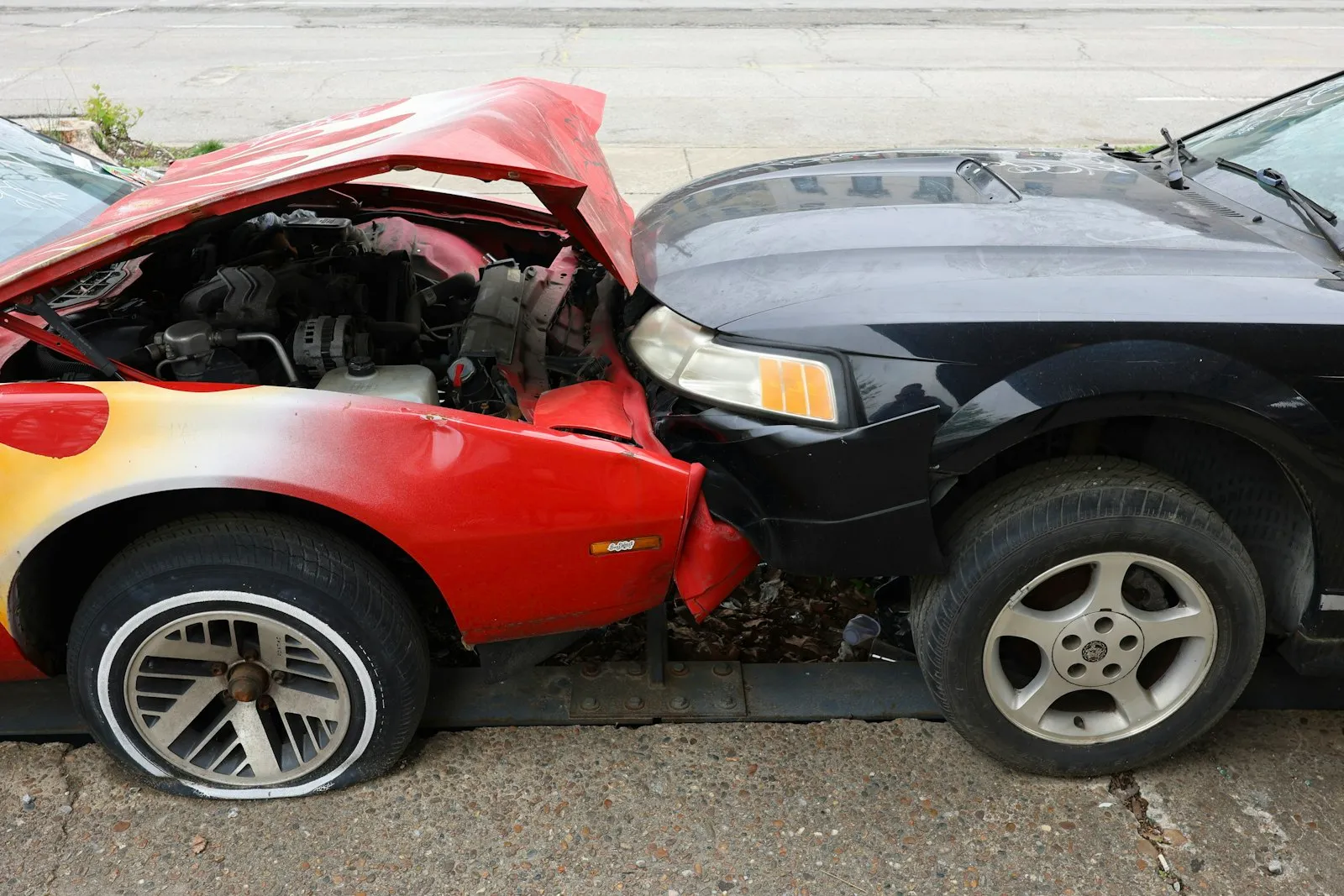
Myth 1: “New York is a no-fault state, so I can’t sue anyone.”
Fact: No-fault limits lawsuits; it does not eliminate them.
This is the single most common misunderstanding we encounter. New York’s no-fault law means your own policy (or the policy covering the vehicle you were in) pays basic economic loss, up to $50,000 per person, regardless of who caused the crash. That covers medical bills, part of your lost earnings and some other expenses.
But no-fault never pays for pain and suffering. To recover those damages, you can sue the at-fault driver if you have a “serious injury” as defined in Insurance Law §5102(d). Fractures, significant disfigurement, permanent consequential limitations and significant limitations of use are among the qualifying categories. Many people with herniated discs, torn ligaments and shoulder injuries meet the threshold when the medical evidence is properly developed.
Myth 2: “I feel fine, so I’m not really hurt.”
Fact: Many crash injuries take hours or days to show up.
Soft-tissue injuries, concussions and disc injuries frequently produce delayed symptoms. The surge of adrenaline after a collision on the Grand Central or Cross Island Parkway can mask pain completely until the next morning.
The legal problem is timing. If your first medical visit is three weeks after the crash, the insurer will argue something else caused your symptoms. Get evaluated promptly, whether at Long Island Jewish Medical Center in New Hyde Park, an urgent care, or your own doctor, and tell the provider about every complaint, even small ones.
It also helps to keep your own record. Note when new symptoms appear, such as headaches that start two days later, numbness that comes and goes, or trouble sleeping because of back pain. Those notes help your doctors connect the dots, and they help a jury understand that a delayed symptom is still a real one.
Myth 3: “The police report decides who was at fault.”
Fact: A police report is evidence, not a verdict.
Officers from the NYPD’s 105th Precinct usually arrive after the crash is over. They record what they see and what the drivers and witnesses say, sometimes in a few lines. Reports can contain errors in direction of travel, lane positions or even which car was which.
Fault is ultimately proved with the full body of evidence: vehicle damage, photographs, witness testimony, video from storefronts on Hillside and Jamaica Avenues, doorbell cameras on residential blocks, and vehicle data. A report that blames you is not the end of the story, and a report that blames the other driver does not guarantee a recovery.
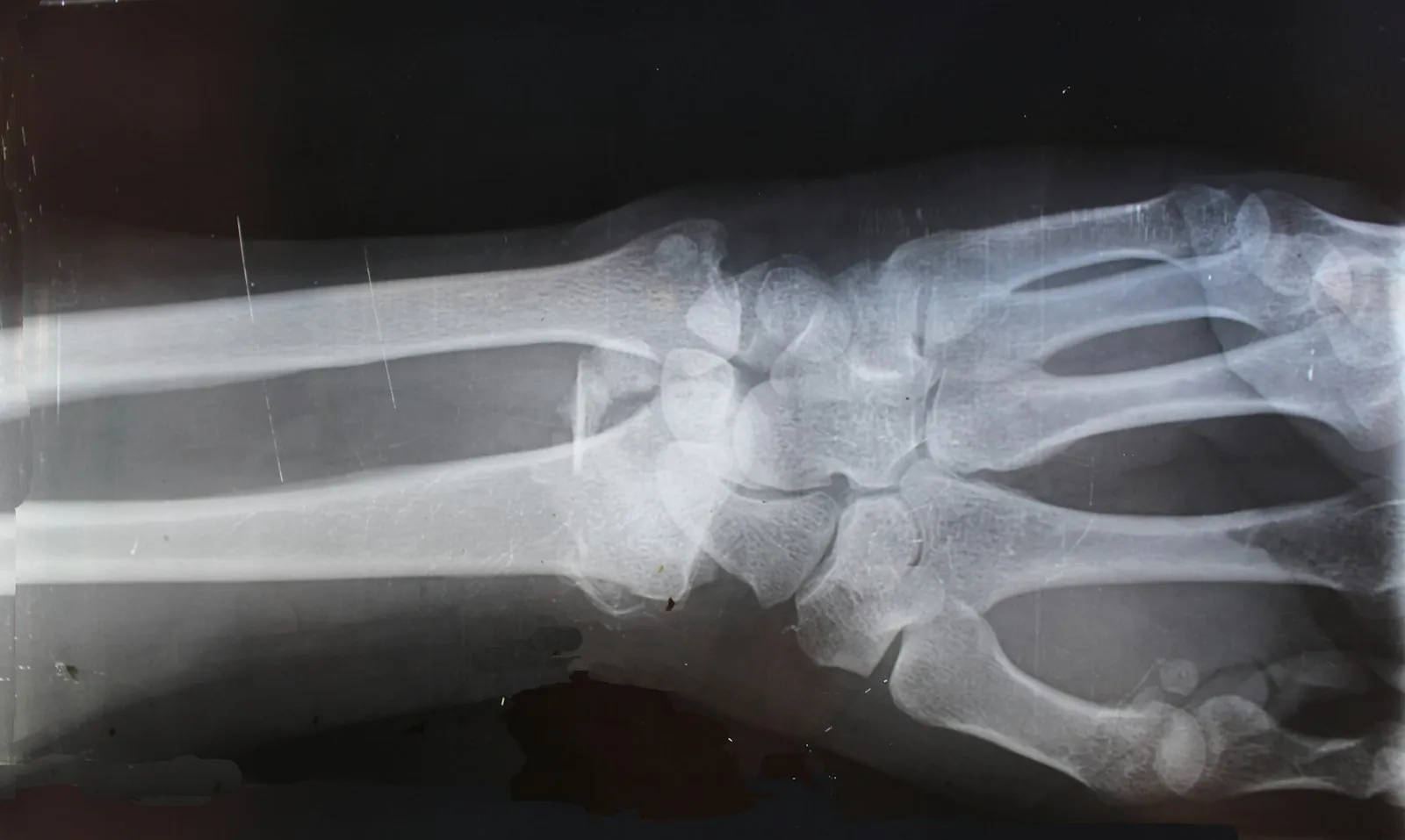
Myth 4: “I was partly at fault, so I don’t have a case.”
Fact: New York has long used comparative fault, which reduces your recovery rather than barring it.
Under CPLR 1411, your damages are reduced by your percentage of responsibility. If a jury found you 20% at fault, you would recover 80% of your damages. For a crash in December 2025, that is the traditional rule.
Update for 2026: New York’s motor-vehicle tort reform, signed in late May 2026, changed this for motor-vehicle lawsuits filed on or after its effective date (death cases are excluded). Under the new CPLR 1411(b), a plaintiff whose fault is greater than 50% cannot recover at all. The reform also eliminated the 90/180-day serious-injury category, requires juries to decide fault before serious injury, and caps pain-and-suffering at $100,000 for plaintiffs who were driving uninsured, convicted of impaired driving or committing a felony. Pure comparative fault still applies to non-motor-vehicle cases such as slip and falls.
Either way, the fault percentage is often the most contested number in the case, and it is worth fighting over.
Myth 5: “I have three years, so there’s no rush.”
Fact: Three years is the outer limit for most claims. Several deadlines are far shorter.
Yes, the general personal injury statute of limitations under CPLR 214 is three years. But:
- Your no-fault application is due within 30 days.
- Claims against New York City, NYC Transit or MTA buses, Sanitation trucks and Department of Education school buses require a Notice of Claim within 90 days, and the suit within one year and 90 days.
- Wrongful death claims must be filed within two years of death.
- Video evidence can be overwritten within days.
Waiting rarely helps anyone except the party you are claiming against.

Myth 6: “The insurance adjuster is trying to help me.”
Fact: Adjusters can be polite and still work for the other side.
The other driver’s insurer has one job: resolve your claim for as little as reasonably possible. That is not a moral failing; it is their business. But it means a friendly call asking for a quick recorded statement, or a request to sign a broad medical authorization, is not a favor.
Even your own carrier, which owes you no-fault and possibly uninsured or underinsured motorist benefits, has its own interests. Be cooperative and truthful, but understand what you are signing.
A few practical rules help here. Keep a written log of every call with an insurer: the date, the name of the person you spoke with and what was said. Ask for important requests in writing. Do not sign a general medical authorization that reaches back years before the crash, and do not guess when you are asked about speeds, distances or how long you looked away from the road. “I don’t know” is a complete and honest answer when it is true. If you have a lawyer, you can simply give the adjuster your lawyer’s name and number, and the calls stop coming to you.
Myth 7: “The first offer is probably the best I’ll get.”
Fact: Early offers usually arrive before anyone knows what the injury is worth.
A fast settlement can be tempting when bills are piling up. But an offer made before an MRI, before a surgical consultation, or before you know whether you can return to your job is made on incomplete information. Once you sign a release, you cannot reopen the claim if your condition turns out to be worse.
We never put numbers on a case in an article, and nobody should promise you one before reviewing your records. Prior results do not predict future outcomes. What we can say is that value depends on documented injuries, provable fault and available insurance, and all three take time to establish.
Myth 8: “If the other driver had no insurance, I’m out of luck.”
Fact: There are usually other paths.
If you were hit by an uninsured driver or a hit-and-run driver, you may be able to recover through MVAIC, New York’s Motor Vehicle Accident Indemnification Corporation, or through the uninsured motorist coverage on your own policy. If the at-fault driver carries only minimal insurance, your own supplementary uninsured/underinsured motorist (SUM) coverage may help. Each has its own notice requirements, so act quickly.

Myth 9: “Hiring a lawyer means going to trial and paying up front.”
Fact: Most personal injury lawyers work on contingency, and most cases resolve without trial.
We charge no fee unless we win, and the consultation is free. Many motor vehicle cases settle during negotiation or litigation. That said, the cases that settle well are usually the ones prepared as if they were headed for a jury at Queens County Supreme Court on Sutphin Boulevard. You can learn about court procedures generally through the New York State Unified Court System.
Myths and Facts at a Glance
| Myth | Fact |
|---|---|
| No-fault means I can’t sue | You can sue for pain and suffering if you meet the serious-injury threshold |
| I feel fine, so I’m fine | Symptoms are often delayed; get checked promptly |
| The police report decides fault | It is one piece of evidence and can be wrong |
| Partial fault kills my case | Fault reduces recovery; see the 2026 update for new motor-vehicle suits |
| Three years means no rush | No-fault is 30 days; City claims need notice in 90 days |
| The adjuster is on my side | The other insurer’s goal is to pay as little as possible |
| Take the first offer | Early offers come before the injury is fully known |
| No insurance means no recovery | MVAIC, UM and SUM coverage may apply |
| Lawyers cost money up front | Contingency fee; no fee unless we win |
Motor Vehicle Crashes Come in Many Forms
“Motor vehicle accident” covers more than cars. Around Bellerose we see collisions involving delivery trucks on Jamaica Avenue, city buses on Hillside Avenue, motorcycles on the parkways, and rideshare vehicles picking up near the LIRR station in Bellerose Village. Each brings its own insurance rules. A motorcyclist, for example, is excluded from no-fault PIP benefits, which changes how medical bills get paid. Commercial trucks carry federal safety rules and larger policies. If your crash involved something other than a passenger car, see our pages on truck accidents and motorcycle accidents in Bellerose, or our narrative guide from a truck accident lawyer in Bellerose.

Getting to Our Office from Bellerose
We are at 1 Cross Island Plaza, Suite 325, Rosedale, NY 11422, just off the Cross Island Parkway. From Bellerose, take the Cross Island south toward the Belt Parkway and exit near Cross Island Plaza. The trip usually takes about 15 to 20 minutes, depending on traffic. Our hours are Monday through Friday, 9 a.m. to 6 p.m.
If getting in the car is the last thing you want to do right now, we understand. We meet clients at home, in the hospital, or by video, in English, Russian or Spanish.
Get the Facts About Your Own Case
Myths are general. Your case is specific. Call a motor vehicle accident lawyer in Bellerose at 718.775.3110 or reach us online for a free consultation. You pay no fee unless we win. You can also browse our Bellerose personal injury page, our page for Bellerose car accident victims, our plain-spoken guide from a car accident lawyer in Bellerose, and our general FAQ.
Frequently Asked Questions
What counts as a “motor vehicle accident” in New York?
Generally, any collision involving a car, truck, bus, motorcycle, van or other motorized vehicle on a road or in a parking area, including crashes where a pedestrian or cyclist is struck. The type of vehicle affects which insurance applies and which deadlines matter.
Does no-fault cover me if I was a passenger?
Usually, yes. Passengers are typically covered by the no-fault policy on the vehicle they were riding in. If that coverage is unavailable, other policies, including one in your own household, may apply. You still need to file within 30 days.
What if the crash happened in Bellerose Village, on the Nassau side?
New York’s no-fault and serious-injury rules apply statewide, so the core law is the same. The investigating police agency, the court where you would file, and any notice-of-claim rules for county entities can differ. Tell us the exact location so we can sort out the details.
Can I sue for pain and suffering after a soft-tissue injury?
Possibly. Soft-tissue injuries can meet the serious-injury threshold if objective medical evidence shows a significant or permanent consequential limitation. Consistent treatment and good documentation are what make the difference.
Do I have to go to court in Jamaica?
Queens County Supreme Court at 88-11 Sutphin Boulevard handles many Queens injury suits, but most cases resolve without a trial, and much of the process happens through paperwork and depositions. If a trial is needed, we prepare you every step of the way.
This article is general information, not legal advice. Attorney Advertising. Prior results do not guarantee a similar outcome.