
A sideswipe sounds like the mildest crash there is. Two cars brush, a mirror folds in, and everyone pulls over to look at a long scrape down a door. But we see this a lot at our office near the Cross Island Parkway: the “little” sideswipe that shoves a car into a concrete divider, spins a motorcycle onto the shoulder, or leaves someone with a neck that hasn’t felt right in weeks. If you’re looking for a sideswipe accident lawyer in Queens or on Long Island, the first thing worth knowing is that these cases usually come down to one question: who left their lane, and did they make sure it was safe first?
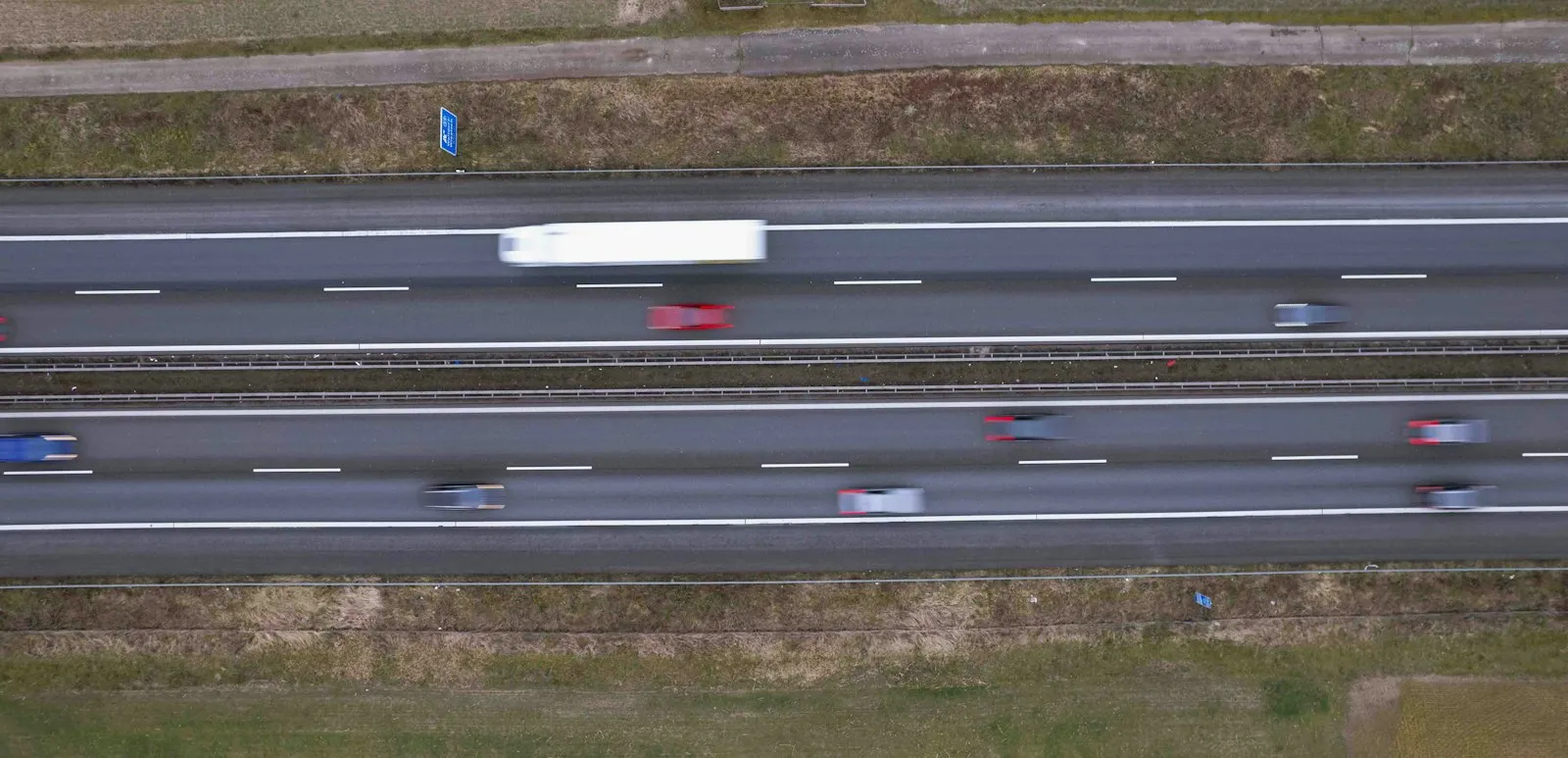
So instead of a lecture, let’s do this the way we’d do it across a table with you. Below are five situations we hear about over and over on real roads around here, and after each one, who is generally at fault and why. Every crash has its own facts, so treat these as a starting point, not a verdict.
The Rule Behind Almost Every Sideswipe Case
Before the scenarios, one piece of law does most of the heavy lifting. New York’s Vehicle and Traffic Law § 1128 says that on a road divided into lanes, a driver has to stay as nearly as practicable entirely within a single lane, and can’t move out of it until they’ve first made sure the move can be made safely. Its partner rule, VTL § 1163, requires a proper signal before turning or changing lanes.
Why does that matter so much? Because in New York, an unexcused violation of a Vehicle and Traffic Law rule is generally treated as negligence. If the other driver drifted, cut over without checking, or never signaled, that’s often the backbone of your claim. Notice the wording, though: signaling alone doesn’t make a lane change legal. A blinker is a request, not a right of way. The driver still has to confirm the space is actually open.
Picture This: The Belt Parkway Merge
You’re heading east on the Belt Parkway in the middle lane, traffic moving at a decent clip. A driver in the right lane wants to get around a slow car, flicks on a signal for about half a second, and slides left. Problem is, you’re right there, sitting in their blind spot. Their front bumper catches your rear passenger door, and both cars wobble before stopping on the shoulder.
Who’s generally at fault? Usually the driver who changed lanes. You were holding your lane, which is exactly what § 1128 asks. They had the duty to check mirrors, look over a shoulder, and wait until the move was safe. “I signaled” doesn’t excuse a lane change into an occupied space, and “I didn’t see them” is closer to an admission than a defense. The blind spot is a known feature of every car on the road, and drivers are expected to account for it.
Insurers sometimes claim you sped up to block the merge. That’s when a basic lane change accident turns into a dispute, and when a sideswipe accident lawyer starts digging into evidence.
Picture This: A Box Truck on the Van Wyck
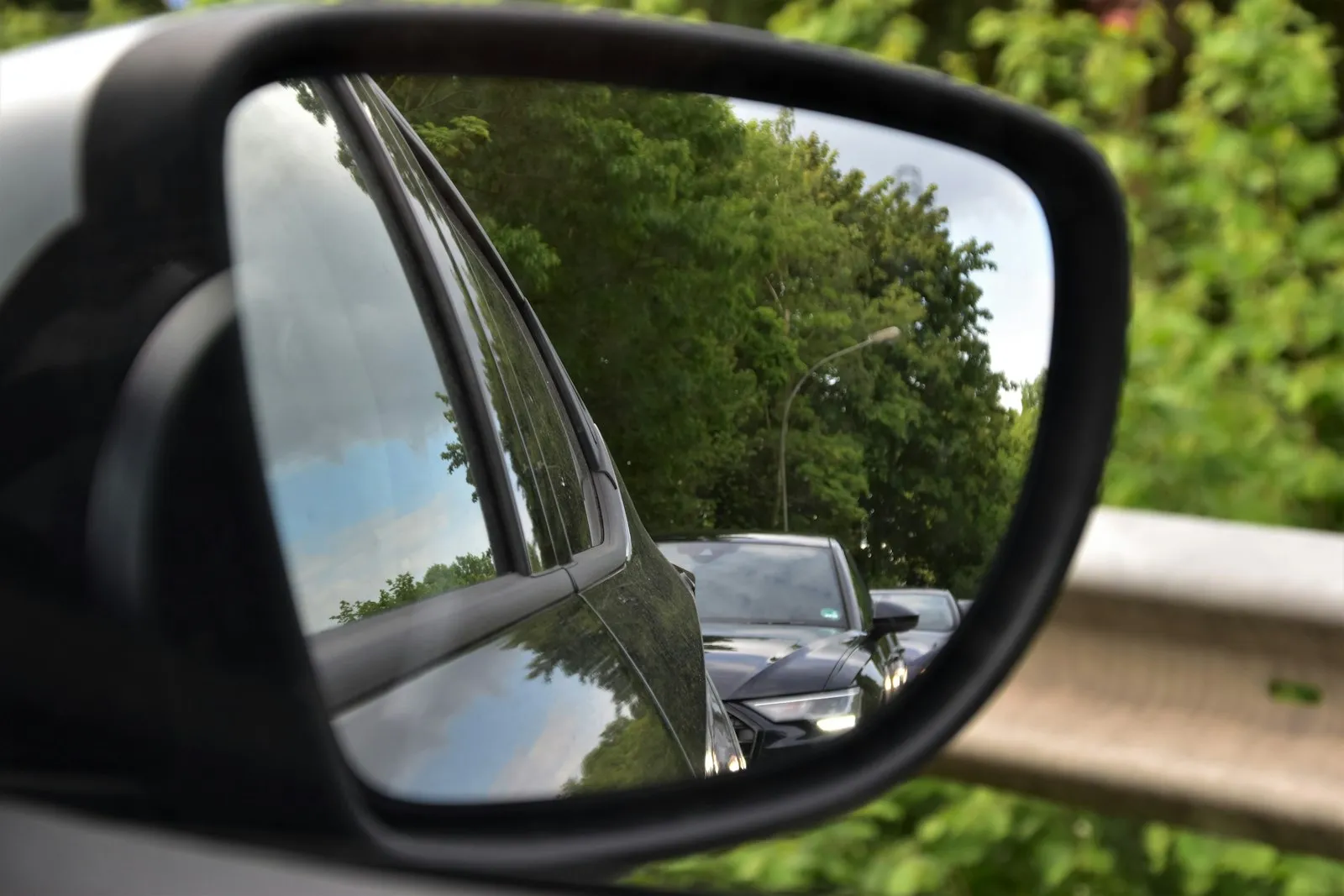
Now you’re on the Van Wyck Expressway near the airport, and there’s a box truck in the lane to your right. Trucks and buses have huge blind spots along both sides, sometimes stretching across more than one lane. The truck driver starts moving left to get ready for an exit split, never sees your sedan, and pushes into you. Your car gets squeezed toward the median barrier.
Who’s generally at fault? Again, typically the driver who moved over, and a commercial driver who knows how much they can’t see is expected to be even more careful. These crashes also open up more than one pocket. Under VTL § 388, a vehicle owner is generally liable for the negligence of someone driving it with permission, and employers are generally responsible for employees’ negligence on the job. So the trucking company, the vehicle’s owner, or a leasing company may all be part of the picture. We go deeper on that in our truck accident practice page.
Picture This: Two Cars, One Narrow Street
Not every sideswipe happens at highway speed. Think of a tight residential block in Queens with cars parked on both sides, leaving barely enough room for two cars to pass in opposite directions. You’re creeping along your side. An oncoming driver, maybe in a hurry or maybe looking at a phone, doesn’t tuck in, and your driver-side mirrors and doors meet.
Who’s generally at fault? This one is murkier. Each driver is expected to keep to their own side of the road, and an investigation will look at where the damage starts on each car, where the cars ended up, and whether one driver had room to wait. Sometimes the answer is that both drivers share some blame. That’s not the end of a claim in New York, which brings us to our next point.
Why “He Said, She Said” Doesn’t Kill Your Case
Sideswipes are famous for dueling stories. Each driver swears the other one came over. Two things help.
First, New York uses pure comparative fault under CPLR § 1411. If you’re found partly responsible, your recovery is reduced by your share, not wiped out. Even being mostly at fault doesn’t automatically bar you. Our guide to shared fault in New York walks through how that math tends to work.
Second, physical evidence often settles what memories can’t. Here’s what we look for:
- Where the damage starts and how it runs. Scrape direction and the point of first contact can show which car was moving into which.
- Paint transfer. Your car’s paint on their bumper, or theirs on your door, can help pin down angles and positions.
- Dashcam and nearby video. Your own dashcam, a passing driver’s, a bus camera, or a storefront camera on a boulevard. This footage can disappear fast, so it’s worth asking early.
- Witnesses. Anyone who pulled over or who saw the drift. Get names and numbers if you can.
- The police report. Officers record positions, statements and sometimes a diagram.
- Photos of the scene. Lane markings, skid or scuff marks, debris, and where the cars came to rest.
Separately, every driver involved generally has to file DMV Form MV-104 within 10 days if anyone was injured or damage tops $1,000. Even a scrape can blow past that number once a door, mirror and sensors are replaced.
Picture This: Queens Boulevard, a Parked Car and a Driver Who Kept Going
Queens Boulevard is wide, busy and full of lanes, service roads and people changing their minds. Picture yourself parked along a service road, or sitting in a stopped car at the curb, and a driver swings too wide, rakes down the whole side of your car, and keeps going. Or you’re driving and someone sideswipes you mid-boulevard and speeds off before you catch the plate.
Who’s generally at fault? When a moving car hits a properly parked one, the moving driver is almost always the problem. The harder issue is when that driver disappears. In a hit-and-run, or when the other driver turns out to have no insurance, the usual routes are your own household’s uninsured motorist coverage or, if there’s no such coverage available, MVAIC. Both tend to expect prompt reporting, so call the police and report the crash right away, even if you’re not sure how badly you’re hurt. We’ve written more about drivers who flee in our page on hit-and-run and drunk driving claims in Queens.
Picture This: A Motorcycle on the Southern State
You’re on a motorcycle on the Southern State Parkway, or on the Cross Island heading toward the Long Island Expressway. A car next to you decides to move over and simply doesn’t register a bike in the mirror. Motorcycles are narrow and easy to lose in a blind spot, and a sideswipe that would dent a sedan can throw a rider across the road.
Who’s generally at fault? The driver who changed lanes without making sure it was safe, same as with any car. Expect the other side to argue lane position, speed or visibility. Riders get questioned in ways other drivers often don’t, which is why we put together a page specifically for our motorcycle accident clients. Cyclists face the same danger, especially near bike lanes and delivery traffic; our post on bike and e-bike crashes in Queens covers that side of things.
The “Minor Scrape” That Isn’t Minor
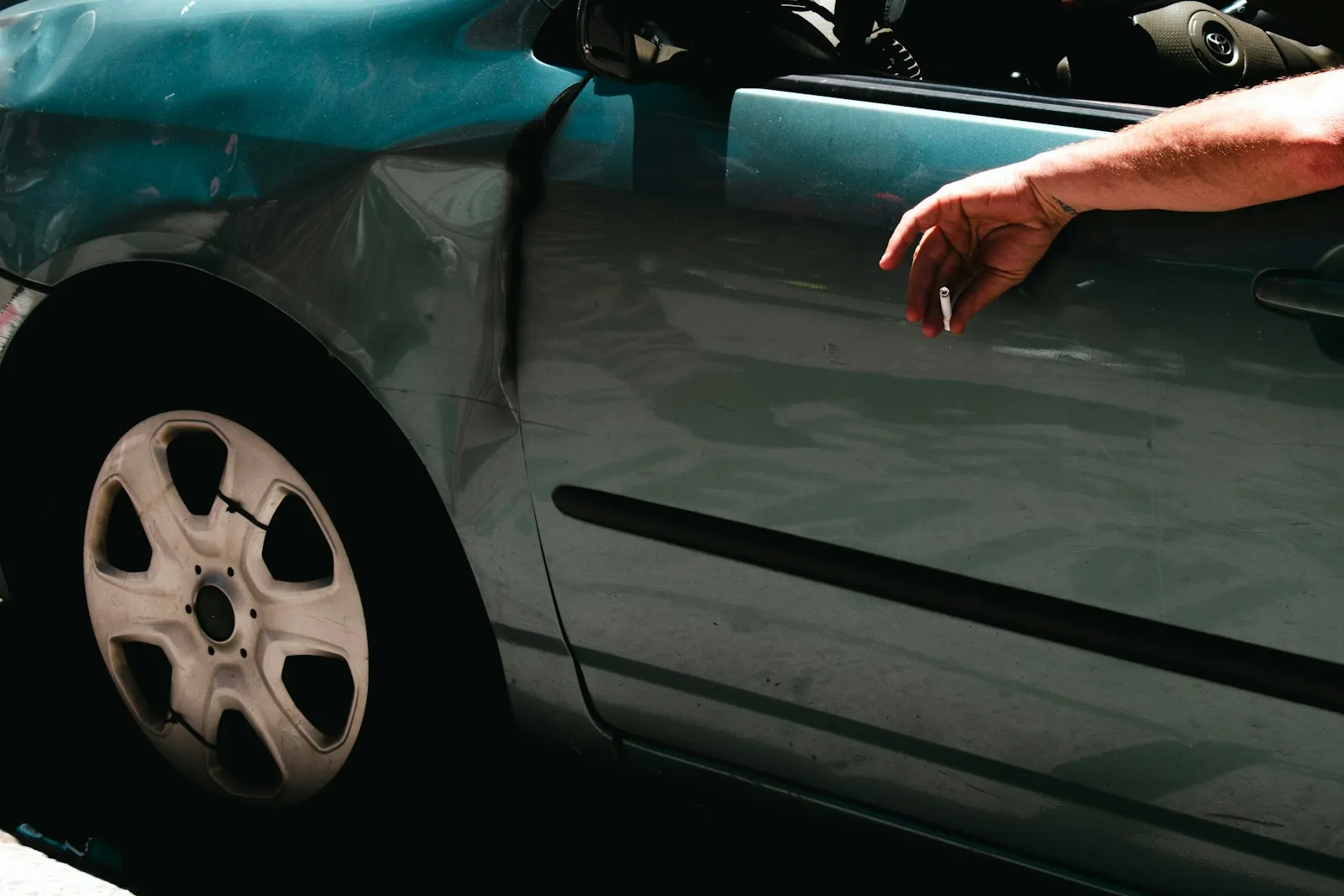
Here’s what surprises a lot of people. The damage to the car can look cosmetic while the force on your body was anything but. A sideswipe at speed can shove your car sideways into the next lane, into a guardrail, or into another vehicle. Your head and neck snap to the side, a direction the body handles poorly. People walk away thinking they’re fine and wake up stiff two days later.
Please see a doctor, even if you feel okay, and follow up if symptoms show up later. Keep records. Our article on back and neck injury claims without surgery explains why soft-tissue injuries still matter, and a whiplash claim has its own wrinkles we’ve covered in our post on whiplash and soft-tissue neck claims.
How the Money Side Generally Works
New York is a no-fault state. After a car crash, your no-fault coverage generally pays medical bills and part of your lost wages no matter who caused it, and the application is generally due within 30 days. Miss that and you can create a headache you didn’t need. Our no-fault insurance claims guide breaks down the paperwork.
No-fault doesn’t cover pain and suffering, though. To bring that kind of claim against the driver who sideswiped you, you generally need a “serious injury” as defined in Insurance Law § 5102(d). That list includes things like:
- A fracture
- Significant disfigurement
- Permanent consequential limitation of use of a body organ or member
- Significant limitation of use of a body function or system
- A medically determined injury that keeps you from substantially all of your usual activities for 90 of the first 180 days
The full list also covers death, dismemberment, loss of a fetus and permanent loss of use. Which category fits, if any, depends on your medical records.
Deadlines You’ll Want on Your Calendar
Most New York injury lawsuits generally have to be filed within three years under CPLR § 214. But if a city vehicle sideswiped you, say a municipal truck or another government vehicle, the clock is much shorter: a notice of claim is generally due within 90 days, and a lawsuit within one year and 90 days. Wrongful death claims generally have two years from the date of death. Shorter windows for no-fault and the MV-104 sit on top of all that. Waiting rarely makes any of this easier.
What We Do Differently on These Cases
We’re a personal injury firm at 1 Cross Island Plaza, a short hop from several of the roads in this post, and lane change crashes on the Belt, the Van Wyck, the LIE and the boulevards make up a steady part of our car accident work. When you hire a sideswipe accident lawyer at our firm, we move early on the things that vanish: video, witness contact information, and photos of both cars before repairs. We line up the damage pattern with the statements, and we keep your no-fault claim on track while the bigger case builds.
Attorney Yakov Mushiyev’s team has collected more than $80 million for injured clients. Consultations are free, there’s no fee unless we win, and we speak English, Russian and Spanish. If getting to an office is hard right now, we’ll meet you at home, in the hospital or by video. Call 718.775.3110 or write through our contact page.
Frequently Asked Questions About Sideswipe Crashes
The other driver says I drifted into them. Now what?
That’s one of the most common arguments we see. Don’t argue at the scene; just collect evidence. Damage location, paint transfer, video and independent witnesses usually say more than either driver’s account. And under pure comparative fault, even if some blame lands on you, you can generally still recover a reduced amount.
Do I need a sideswipe accident lawyer if the damage looks small?
Not always, but it’s worth a free conversation if you were hurt at all. Small-looking crashes can involve real injuries, and the serious injury threshold, no-fault deadlines and fault disputes are easy to trip over without help.
Does it matter that I didn’t see the other car signal?
It can. VTL § 1163 requires a signal before changing lanes, so a missing signal helps your side of the story. Even if they did signal, though, they still had to make sure the lane was clear before moving over.
What if the car that sideswiped me drove off?
Report it to the police as soon as you can. Then look to your household’s uninsured motorist coverage, or MVAIC if no such coverage applies. Prompt reporting tends to matter for both.
Can a cyclist or motorcyclist bring the same kind of claim?
Yes. The lane change rules protect everyone sharing the road. A driver who moves over without checking for a bike or motorcycle is generally held to the same standard as one who hits another car.
Visit Yakov Mushiyev & Associates
Our office is at 1 Cross Island Plaza, Suite 325, Rosedale, NY 11422, just off the Cross Island Parkway on the Queens–Nassau border. If you can’t come to us, we’ll come to you: at home, in the hospital or by video.

Talk to a Queens sideswipe accident lawyer today
Yakov Mushiyev & Associates has recovered over $80 million for injured New Yorkers across the five boroughs and Nassau County. Consultations are free, available in English, Russian and Spanish, and there is no fee unless we win.
Call 718.775.3110 or contact us online for a free case review.
This article is general information, not legal advice. Every case is different. Attorney Advertising.