
I have sat across the desk from a lot of people who fell somewhere in Rego Park and then spent weeks convinced they had no case. Some were told so by a store manager. Some were told so by a friend. Many simply felt embarrassed, as if falling were a personal failing rather than the predictable result of a wet floor, a broken step or an unshoveled sidewalk.
Rego Park is a neighborhood of big apartment buildings and co-ops, busy shopping on Queens Boulevard and Junction Boulevard, and thousands of feet of sidewalk that someone is legally responsible for. Falls here are common, and so are the myths about them. Below are the nine I hear most often, and what New York law actually says.
If you’ve been hurt in a fall, you can call Yakov Mushiyev & Associates, P.C. at 718.775.3110 at any hour.
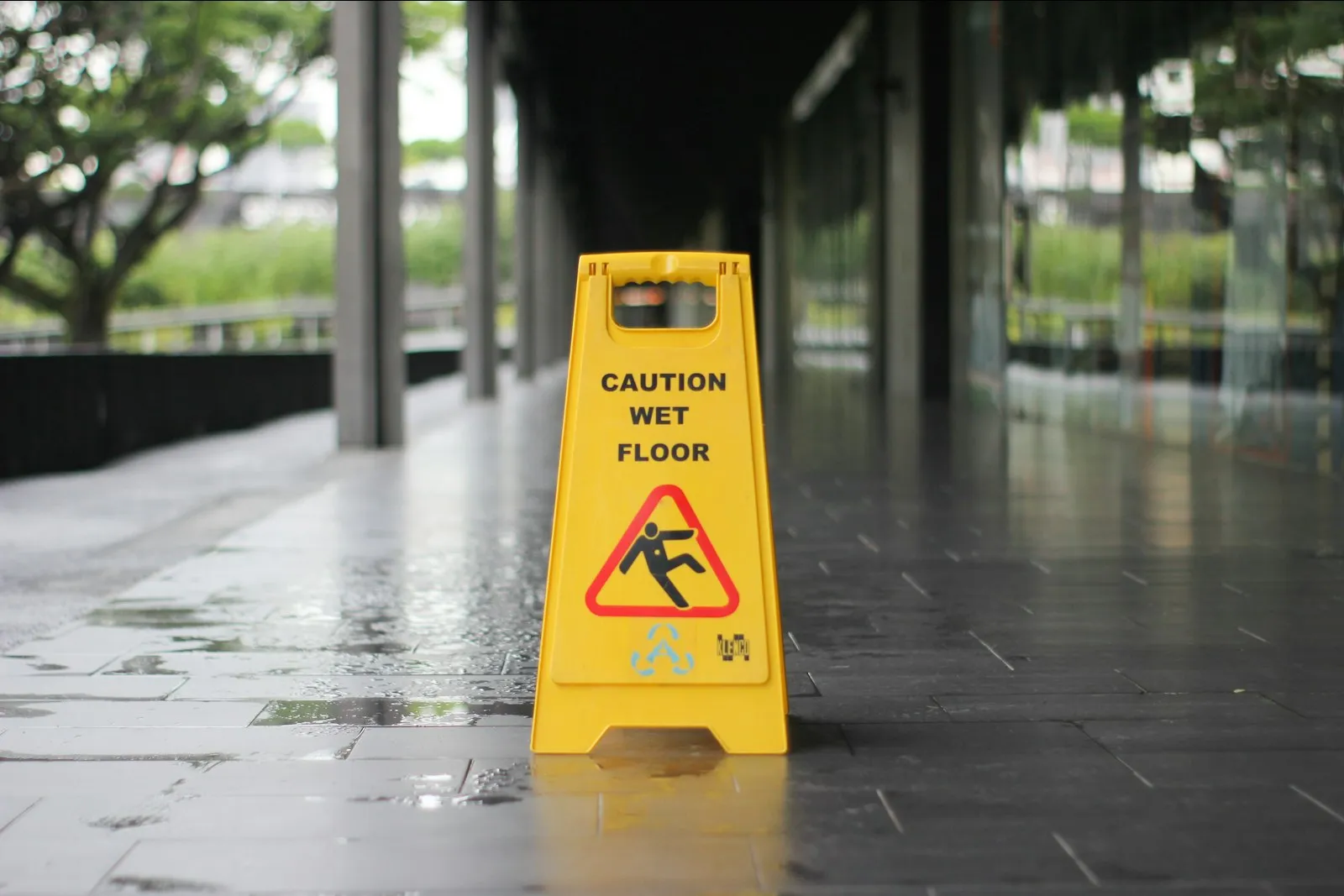
Myth 1: “If I fell, it must be my fault for not watching where I was going.”
Reality: Property owners in New York have a legal duty to keep their premises reasonably safe. When a store, landlord or co-op leaves a dangerous condition in place, the fact that you didn’t see it doesn’t make the fall your fault. Many hazards are designed by circumstance to be invisible: a clear liquid on a shiny floor, a single broken stair tread in a dim stairwell, black ice on a dark sidewalk.
New York also still uses pure comparative fault for slip-and-fall cases under CPLR § 1411(a). If you were partly careless, your compensation is reduced by your share, but it is not eliminated. The 2026 change that bars recovery for claimants more than 50 percent at fault applies to personal injury actions governed by the no-fault article of the Insurance Law, which means motor vehicle cases, not falls on property.
Myth 2: “The owner is automatically responsible because I fell on their property.”
Reality: This one cuts the other way. Owners are not insurers of everyone who walks in the door. To win a premises case in New York, an injured person generally has to show that the owner either created the dangerous condition or had notice of it, meaning they knew about it (actual notice) or it was visible and apparent for long enough that they should have found and fixed it (constructive notice).
That is why evidence about time matters so much. How long was the spill on the floor? Had tenants complained about the broken step? Was the light in the stairwell out for weeks? Our premises liability practice page explains how these cases are built.
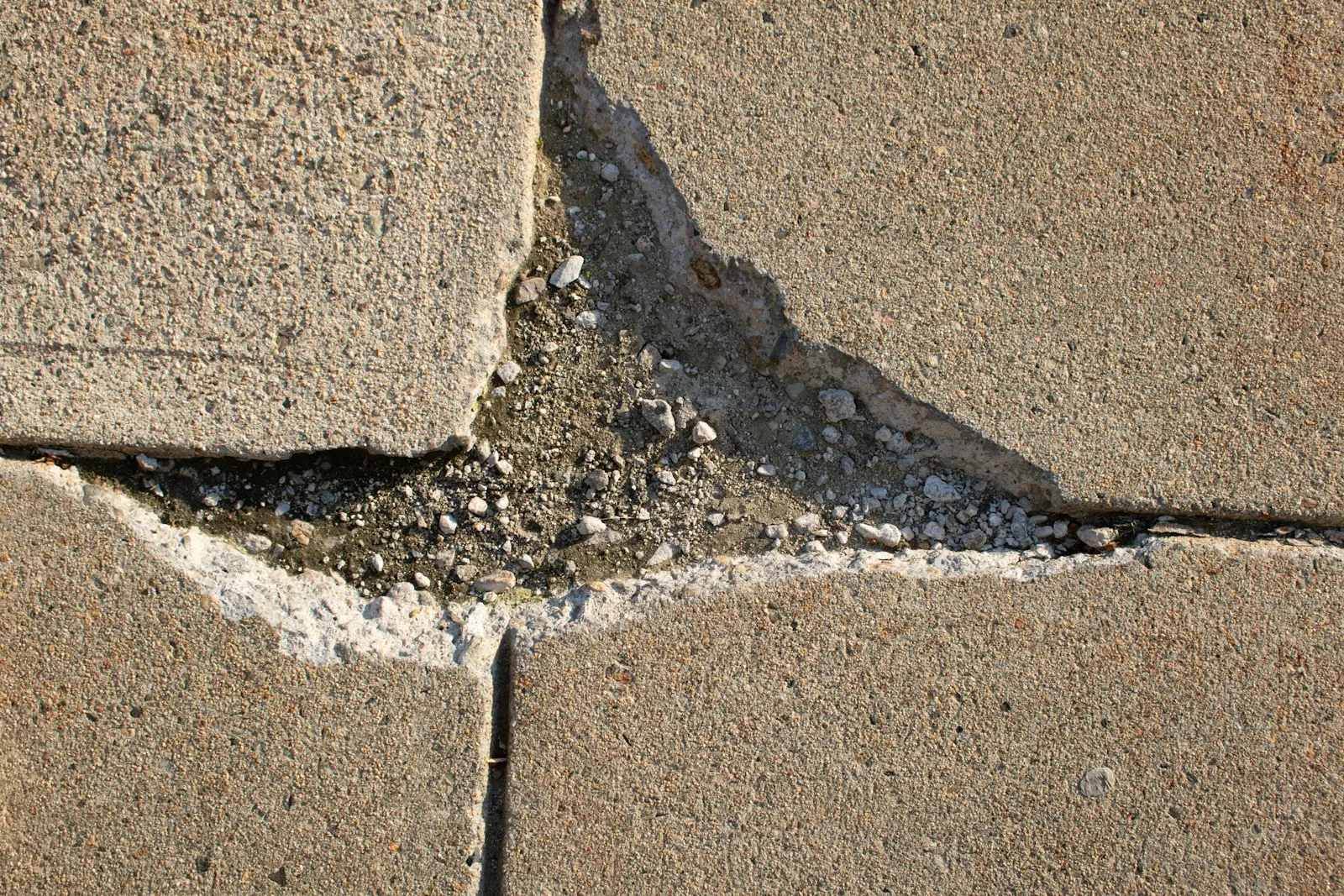
Myth 3: “The city owns the sidewalk, so you have to sue the city.”
Reality: In New York City, that’s usually wrong. Under Administrative Code § 7-210, the owner of property next to a sidewalk is generally responsible for maintaining it in a reasonably safe condition and is liable for injuries caused by failing to do so. That includes cracked or raised flags and failing to clear snow and ice.
There is an important exception: owners of one-, two- or three-family homes that are at least partly owner-occupied and used only as residences are generally exempt. On those blocks, responsibility may fall back on the city. That distinction matters in Rego Park, where large apartment buildings and commercial strips on Queens Boulevard sit a few blocks from streets of attached and detached homes.
Myth 4: “Suing the city works just like suing anyone else.”
Reality: Claims against the City of New York come with extra hurdles. You generally must file a notice of claim within 90 days of the fall under General Municipal Law § 50-e, and start any lawsuit within one year and 90 days. The NYC Comptroller’s personal injury claims page explains the filing process.
For many sidewalk and roadway defects, New York City also requires proof that it received prior written notice of the specific defect before the accident. That is a technical, records-driven issue, and it is one reason city claims should be investigated early.
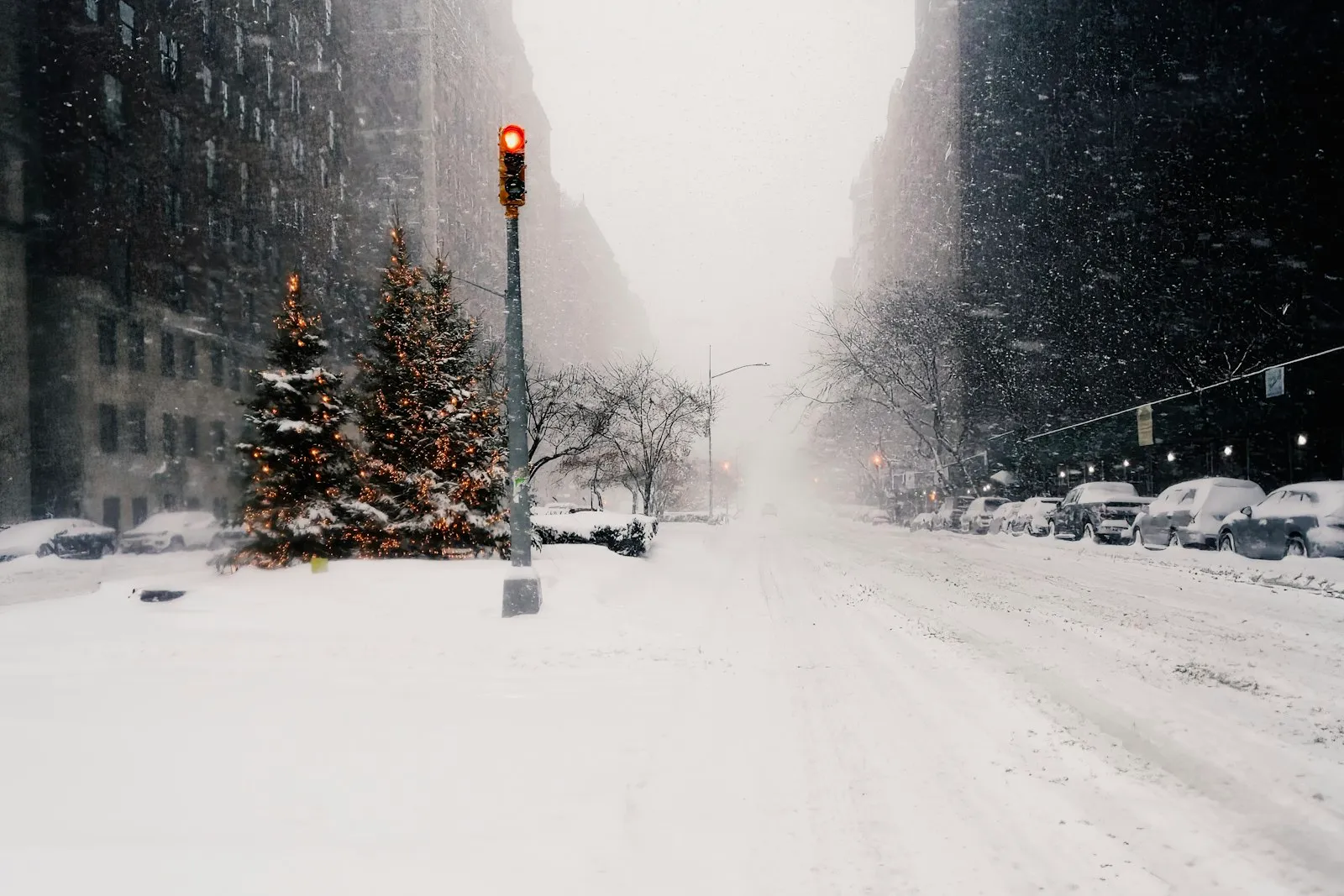
Myth 5: “Nobody can be blamed for ice. It’s the weather.”
Reality: Snow and ice cases turn on timing. Under the “storm in progress” rule, a property owner generally isn’t liable for failing to clear snow or ice while a storm is still going on, and has a reasonable time after it ends to address the conditions. New York City’s Administrative Code also sets deadlines for clearing sidewalks after snow stops falling, with overnight hours treated differently.
After that window, an owner who leaves the walk icy, or who shovels badly and leaves a refrozen path, can be responsible. Weather records from the National Weather Service are routinely used to establish exactly when a storm ended.
Myth 6: “Stores aren’t responsible if a customer caused the spill.”
Reality: It depends on how long it was there and what the store did about it. A store that doesn’t create a spill can still be responsible if employees knew about it or it was there long enough that a reasonable inspection would have found it. Supermarkets, pharmacies and big-box stores along Queens Boulevard and Junction Boulevard often have inspection logs, sweep schedules and camera coverage that tell that story. See our page on supermarket accidents for the specific issues those cases raise.

Myth 7: “My co-op board or landlord will take care of it.”
Reality: Your building may be sympathetic, but its insurance company is not on your side. Apartment owners in New York have a statutory duty to keep multiple dwellings in good repair, and falls on broken stairs, loose handrails, torn hallway carpet, wet lobby floors and dark stairwells are among the most common cases we see from Rego Park’s apartment buildings. Report the hazard in writing, photograph it before it’s fixed, and keep copies of any prior complaints from you or your neighbors.
Myth 8: “There’s no rush. I have three years.”
Reality: You do have three years under CPLR § 214 to sue a private owner, but the evidence won’t wait that long. Store video is often overwritten within days or weeks. Spills get mopped, stair treads get replaced, and sidewalk flags get patched. If a city agency may be involved, the 90-day notice-of-claim deadline can end the case before it begins.
| Deadline | What it covers |
|---|---|
| Days to weeks | Typical overwrite window for store and building video |
| 90 days | Notice of claim against the City of New York or another public entity |
| 1 year and 90 days | Lawsuit against the city or a public authority |
| 3 years | Lawsuit against a private property owner, store or landlord |
Myth 9: “A slip and fall can’t be worth much.”
Reality: Falls cause some of the most serious injuries we handle: hip and wrist fractures, knee and shoulder tears, spinal injuries and head trauma. For older adults in particular, a hip fracture can mean surgery, rehabilitation and a permanent loss of independence. Unlike car crash victims, people injured in falls don’t have to clear New York’s no-fault “serious injury” threshold, so pain and suffering is available whenever the owner is liable.
A well-documented claim can include medical bills, future care, lost earnings, and pain and suffering. The value depends on the injury, the evidence and the defendant’s insurance, not on how “minor” falls sound in conversation.
Where Falls Happen in Rego Park
The settings change, but the same handful of places come up again and again in Rego Park fall cases:
- Big-box and grocery stores on Queens Boulevard and Junction Boulevard, especially near produce, freezer cases and entrances on rainy days, when tracked-in water pools on smooth tile.
- Apartment and co-op buildings, where lobbies are mopped during busy hours, stair treads wear down, and handrails come loose. Laundry rooms and garage ramps are frequent trouble spots too.
- Sidewalks along the commercial strips, where raised flags, broken cellar doors and uncleared ice sit in front of stores that change hands often.
- Subway entrances at 63rd Drive and 67th Avenue, where wet stairs and crowds combine. Falls on transit property involve the MTA and its own notice-of-claim rules.
- Restaurants and gyms, where greasy floors, wet locker rooms and poorly marked steps cause falls.
Each setting points to a different defendant, a different insurance policy and different evidence, which is why the first job in any fall case is pinning down exactly who controlled the spot where you fell.
What to Do After a Fall in Rego Park
- Report it to the store manager, building superintendent or managing agent, and ask for a copy of the incident report.
- Photograph the hazard from several angles, with something for scale, and photograph your shoes.
- Get witness names and numbers.
- See a doctor the same day or as soon as possible, and describe exactly how you fell.
- Ask in writing that video be preserved.
- Don’t sign anything or give a recorded statement to the owner’s insurer before getting advice.
Why Rego Park Residents Call Our Firm
Yakov Mushiyev & Associates, P.C. handles premises liability and slip-and-fall cases throughout Queens. Our Rego Park practice page lists the other cases we handle in the neighborhood, including construction accidents, and you can read about attorney Yakov Mushiyev here. If you were hurt by a vehicle while walking instead, our Rego Park pedestrian accident guide covers the very different rules for those cases.
Directions From Rego Park to Our Rosedale Office
We’re at 1 Cross Island Plaza, Suite 325, Rosedale, NY 11422. From Rego Park, drivers usually take the Van Wyck Expressway south to the Belt Parkway east. By transit, take the M or R to Forest Hills–71st Avenue, the E or F to Jamaica and the LIRR to Rosedale. If a fall has made travel hard, call first and ask about a phone or video consultation.
Open turn-by-turn directions in Google Maps · 1 Cross Island Plaza, Suite 325, Rosedale, NY 11422 · 718.775.3110
Slip and Fall FAQs
Does a “wet floor” sign protect the store?
Not automatically. A warning sign is one fact among many. If the hazard was left in place too long, or the sign was placed where people couldn’t see it, the owner may still be responsible.
I fell on the sidewalk outside a store on Queens Boulevard. Who is responsible?
Usually the owner of the building next to the sidewalk, under Administrative Code § 7-210, and sometimes a commercial tenant whose lease makes it responsible for the sidewalk. The city may be involved only in limited situations.
I tripped in a pothole crossing 63rd Drive. What now?
Street defects are generally the city’s responsibility, which means a 90-day notice of claim and the prior written notice rules. Call a lawyer quickly.
Is my case worth less because I’m older?
No. Older adults often suffer more serious injuries from falls, and the law compensates the injury you actually suffered.
Which court handles Rego Park fall cases?
Most are filed in Queens County Supreme Court. The New York State courts website has locations and general information.
Talk to a Queens Slip and Fall Lawyer
If you fell in a store, co-op, apartment building or on a sidewalk in Rego Park, call Yakov Mushiyev & Associates, P.C. at 718.775.3110 or contact us online.
General information, not legal advice. Attorney Advertising. Prior results do not guarantee a similar outcome.