
The first week after a taxi accident in Kew Gardens Hills is mostly about paperwork, phone calls and medical appointments, and the order you do them in matters more than most people expect. What makes it confusing is that the right steps shift slightly depending on how you got the ride. A cab you hailed on Main Street, an Uber you booked from your kitchen and a car service your family has used for years all leave different trails, and the evidence behind each one disappears on a different schedule. This article lays out a day-by-day plan for that first week and compares, at each step, what changes for a yellow or green cab, an app-based ride and a local car service.
If you would rather talk it through, call Yakov Mushiyev & Associates, P.C. at 718.775.3110. Our Kew Gardens Hills taxi accident lawyer page covers who pays and how a full claim works; this article stays focused on the first seven days.
Why “How You Got the Ride” Changes the First Week
Every one of these vehicles is licensed by the NYC Taxi & Limousine Commission, and every one of them starts with the same no-fault system. The difference is in who holds the proof. Think of it this way:
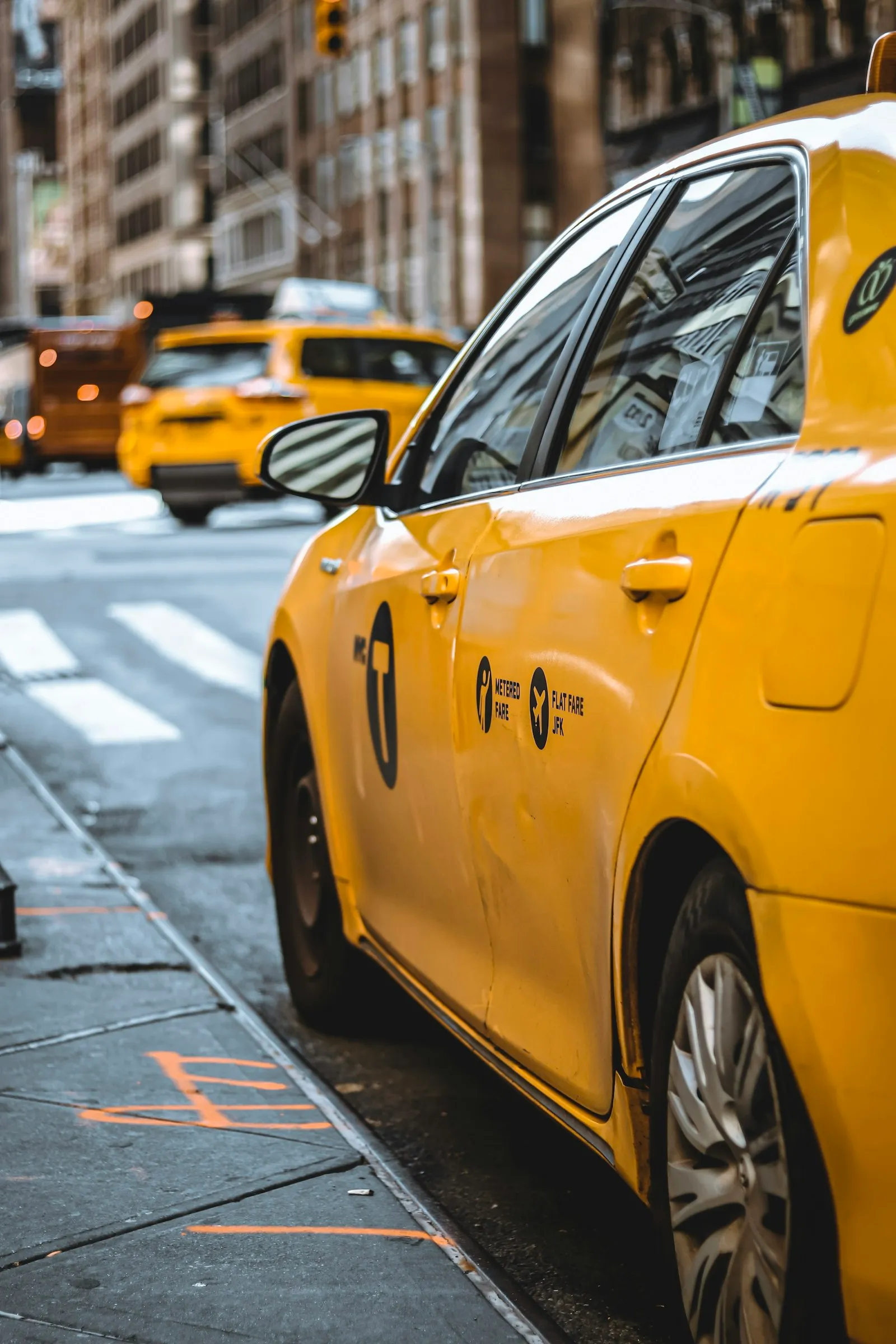
- Hailed cab (yellow or green): the proof is on the vehicle itself, its medallion or permit number, and in trip data reported to the TLC. If you did not note the number, it is harder to trace.
- App ride (Uber, Lyft): the proof is on your phone. Your receipt shows the driver, the vehicle, the route and the time. It is the easiest of the three to document, as long as you save it.
- Car service or livery: the proof is at the base that dispatched the car. If you called by phone and paid cash, the base’s dispatch log may be the only record of the trip.
Pedestrians and cyclists hit by any of these vehicles face the same split, except the driver is a stranger and the trip record belongs to someone else. That makes the photos, plate number and witness names you collect at the scene even more important.
Day 0: At the Scene
Your health comes first. If you are hurt, call 911 and accept medical help. Then, if you can, collect what you will not be able to get later.
| What to capture | Hailed cab | App ride | Car service |
|---|---|---|---|
| Vehicle ID | Medallion or permit number, plate | Plate (also on your receipt) | Plate and the base name on the car |
| Driver ID | TLC license displayed in the cab | Name and photo in the app | TLC license; ask for the base phone number |
| Trip proof | Photo of the meter or a card receipt | Screenshot of the active trip | Note the time you called the base |
| Other vehicles | Plates and insurance cards of any other drivers | Same | Same |
Ask the police for the incident or report number. Take wide photos that show the intersection, traffic signals and lane markings, and close photos of damage. Get names and phone numbers of witnesses, including any shop owners on Main Street who might have a camera pointing at the street.
Days 1–2: Medical Care and Records
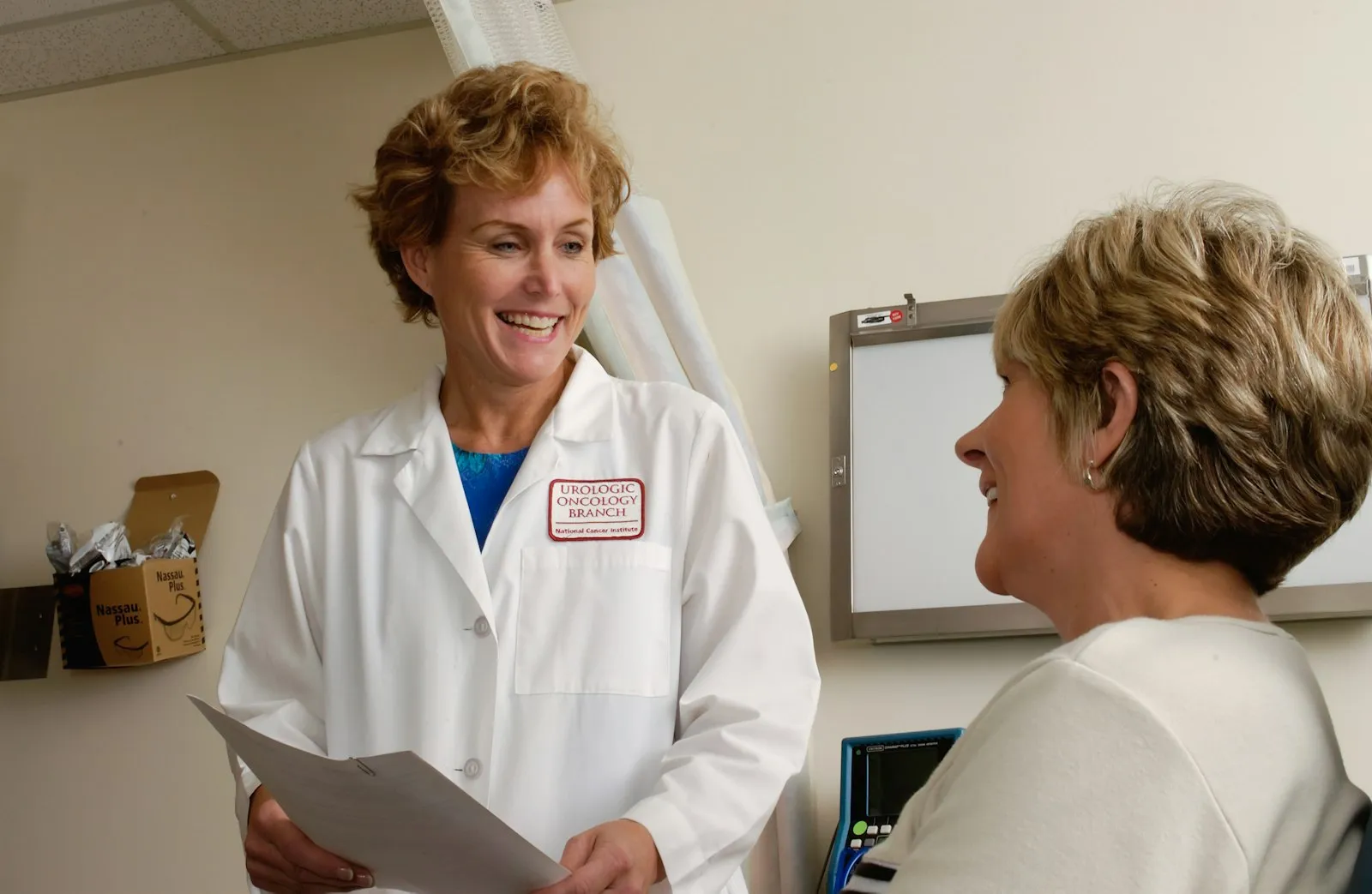
Some injuries, especially to the neck, back and head, take a day or two to show up. See a doctor promptly even if you felt fine at the scene. Tell the doctor you were in a vehicle crash and describe every area that hurts. Those first notes become the foundation of your no-fault claim and, later, of any argument that your injury meets New York’s serious injury threshold.
The serious injury threshold matters because it decides whether you can recover for pain and suffering beyond no-fault. Under Insurance Law § 5102(d), as amended in 2026, there are now eight categories: death; dismemberment; significant disfigurement; fracture; loss of a fetus; permanent loss of use of a body organ, member, function or system; permanent consequential limitation of use of a body organ or member; and significant limitation of use of a body function or system. The older category that was measured by days of disability has been removed, which means medical documentation of the injury itself now carries even more weight.
Days 2–4: Lock Down the Trip Record
This is where the three ride types really diverge.
If you hailed a cab
Write down everything you remember about the cab: color, number, the driver’s name if you saw the license, where you got in, and where you were headed. A lawyer can use those details to request records and identify the medallion owner’s insurer.
If you booked through an app
Save the receipt and screenshots of the trip. Report the crash through the app, but keep your report short and factual. Do not guess at speeds or say who was at fault. Whether a trip was underway affects which insurance applies, so the timestamp on that receipt matters.
If a car service drove you
Call the base and confirm which car and driver were dispatched to you, and when. Write down who you spoke with. If the base is reluctant to share, an attorney can send a written request to preserve the dispatch records.
A hailed cab leaves its trail on the car, an app ride on your phone and a car service at the base. Know which one you have, and secure it before the week is out.
Days 3–7: The No-Fault Application and Other Filings
You have 30 days from the accident to file a no-fault application (11 NYCRR 65-1.1). It is better to get it in during the first week while the details are fresh. Which insurer you send it to depends on your role:
- Passenger: generally the insurer of the vehicle you were riding in.
- Pedestrian or cyclist: generally the insurer of the vehicle that hit you.
- Driver of another car: usually your own insurer.
For TLC-licensed vehicles, which includes cabs, app cars and car services, the PIP requirement was cut to $100,000 per person effective March 1, 2026. PIP pays medical bills, lost earnings and other basic economic loss regardless of fault. The Department of Financial Services auto insurance page explains no-fault in more detail.
Other filings that may apply during this window:
- If a driver was involved, the DMV’s MV-104 accident report may be required.
- If a city vehicle or an MTA bus was involved, a notice of claim is due within 90 days under General Municipal Law § 50-e. Buses are common on Main Street, so this comes up more often than people think.
- Keep a simple log of missed work, travel to appointments and out-of-pocket costs.
How the 2026 Fault Rule Shapes Week-One Choices
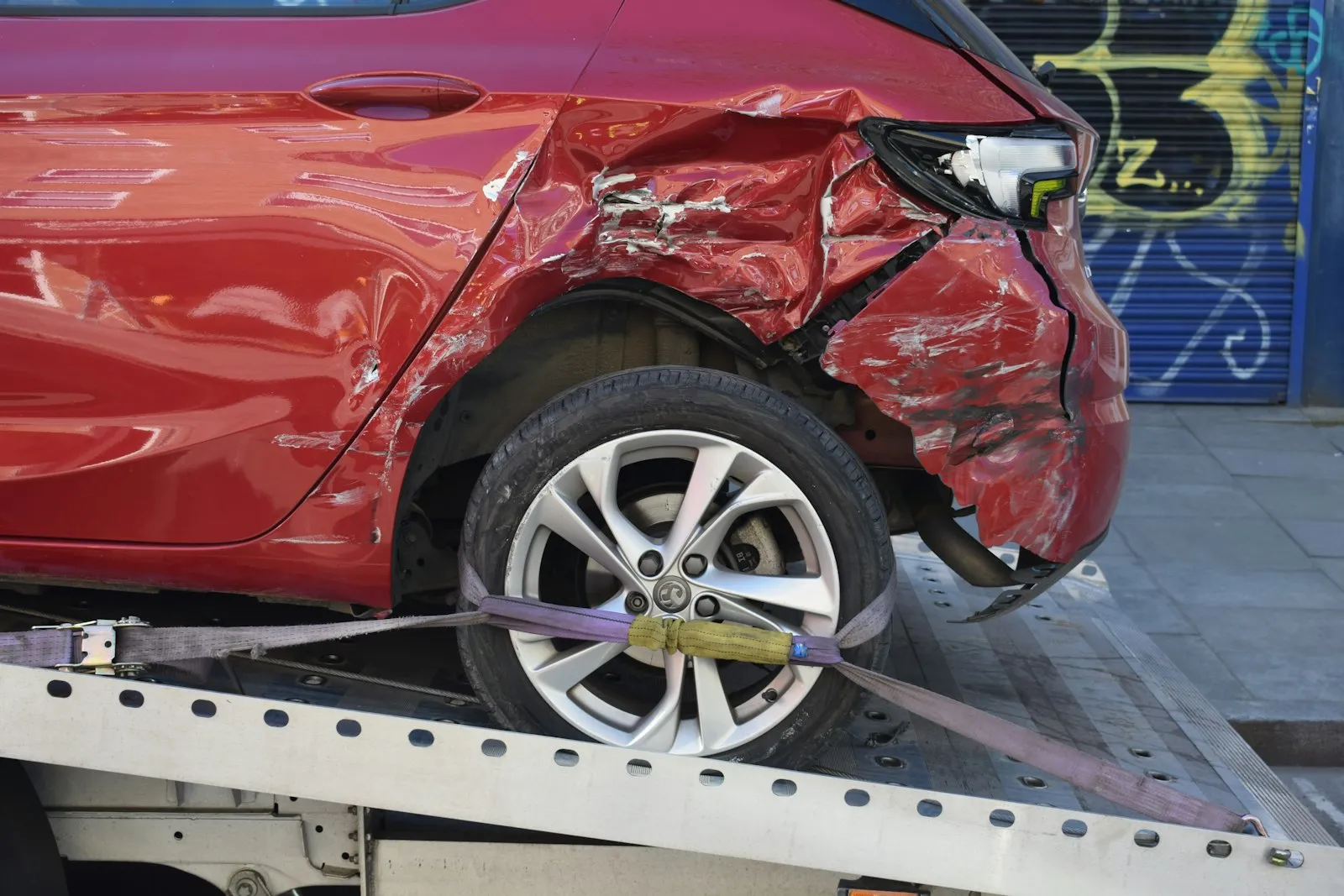
For motor-vehicle personal injury lawsuits under the no-fault article filed on or after May 26, 2026, the new CPLR 1411(b) says a claimant whose fault is greater than the defendant’s (or defendants’ combined) recovers nothing, and a claimant 50% or less at fault has recovery reduced proportionally. Under Insurance Law § 5104, the fact-finder must decide fault before deciding serious injury. The new rules apply to suits filed on or after that date regardless of when the crash happened.
In practical terms, the evidence you gather in the first week about how the crash happened now carries more weight than ever. That is a reason to be careful with statements, too. Compare these:
- “I’m sorry, I didn’t see you” said to an app driver or another motorist can be repeated later as an admission.
- “I was crossing at the light” is a fact you can stand behind and back up with photos.
- A recorded statement to another driver’s insurer can be used against you; you are not required to give one before speaking with a lawyer.
Main Street, Flushing Meadows Corona Park and Queens College: Where First Weeks Begin
Kew Gardens Hills draws hired cars to three kinds of destinations, and each produces a slightly different kind of crash. Main Street’s kosher dining strip, with its restaurants, bakeries and groceries serving the neighborhood’s large Orthodox Jewish community and visitors from across the region, is the busiest. Cabs and app cars stop in the travel lane to let diners out, and passengers who step out on the street side risk being struck by passing traffic. Before holidays, when shoppers stock up, the curb lane fills even faster.

Flushing Meadows Corona Park, home to the Unisphere, the Queens Museum and the USTA Billie Jean King National Tennis Center, sits just to the west. During the US Open and other large events, cabs and app cars crowd the Van Wyck Expressway, the Grand Central Parkway and the surrounding streets, and drivers unfamiliar with the drop-off points make sudden turns and stops. The NYC Parks site lists what is happening in the park.
Queens College, on the neighborhood’s northern edge near Kissena Boulevard and the Long Island Expressway, generates waves of app pickups when classes end. A short ride home from campus is one of the most common trips in the area, and it is exactly the kind of trip where riders forget to screenshot the receipt.
A Hypothetical to Put It Together
This is a hypothetical example, not a real client or case. Imagine a student books an app ride from Queens College to a home near Main Street. At a cross street, a car service vehicle runs a stop sign and hits the app car. The student’s no-fault claim generally goes to the insurer of the app car she was riding in. Her receipt proves the trip was active. The car service’s base holds the dispatch log for the other vehicle. By day five she has seen a doctor, saved her receipt, written down the base name she saw on the other car and started her no-fault application. If her injury turns out to be a fracture, she may be able to bring a claim for pain and suffering against the car service driver and owner within three years.
First-Week Questions About Taxi Accidents
I didn’t get the cab’s number. Is my claim lost?
Not necessarily. The time, location, payment record and police report can often help identify the vehicle. Act quickly, though, because records and video are not kept forever.
Should I report the crash in the Uber or Lyft app?
It is reasonable to report it, but keep it factual and brief. Do not speculate about fault or downplay your injuries.
What is the most important deadline in the first month?
The no-fault application, due within 30 days of the accident. Missing it can jeopardize payment of your medical bills and lost wages.
How much no-fault coverage does a taxi carry now?
The TLC’s PIP requirement for its licensed vehicles is $100,000 per person, effective March 1, 2026.
I was hit by an MTA bus while getting out of a cab. Is anything different?
Yes. Claims against city or MTA vehicles require a notice of claim within 90 days. That is much shorter than the general three-year lawsuit deadline under CPLR 214(5).
Will talking to a lawyer in the first week cost me anything?
No. Our case review is free, and there is no fee unless we win. See our general FAQ for more.
Kew Gardens Hills Local Questions
Which neighborhoods border Kew Gardens Hills?
Flushing lies to the north, Fresh Meadows to the east, Kew Gardens and Briarwood to the south, and Flushing Meadows Corona Park to the west across the Van Wyck Expressway.
How do people get to the subway from here?
There is no subway stop inside the neighborhood. Residents commonly take a bus to the E and F trains at Kew Gardens–Union Turnpike or to the 7 train at Flushing–Main Street. Check the MTA for service updates.
What ZIP code is Kew Gardens Hills?
Most of the neighborhood is in 11367.
Where is the nearest hospital?
NewYork-Presbyterian Queens in Flushing is nearby. In an emergency, call 911.
Where would a lawsuit be filed?
Most injury cases from Kew Gardens Hills are filed in Queens County Supreme Court in Jamaica. The New York courts website has more.
When is Main Street most congested?
Late afternoons and evenings, and especially the days before Jewish holidays, when shopping and dining traffic peaks and double-parking is common.
Your Next Step
If you are somewhere in that first week, or already past it, we can help you sort out which insurer to file with, preserve the trip record and protect your deadlines. Call 718.775.3110 or contact us online for a free case review in English, Russian or Spanish. We can visit you at home, in the hospital or by video. Our office is at 1 Cross Island Plaza, Suite 325, Rosedale, NY 11422, open Monday through Friday, 9 to 6, with phone intake 24/7.

For more, see our car accident practice, our settlements, the Queens accident lawyer hub, and our Fresh Meadows taxi accident lawyer page for the neighborhood next door.
Attorney Advertising. This is general information about New York law, not legal advice, and reading it does not create an attorney-client relationship. Every case depends on its own facts. Prior results do not guarantee a similar outcome.