
There is an old rhythm to Sunnyside. People come down the stairs from the 7 train at Bliss Street or Lowery Street, pass under the arch, and turn onto side streets where the brick rowhouses of the Gardens face their shared courtyards. A taxi crash breaks that rhythm in a second. Whether you were riding in a cab, crossing Queens Boulevard on foot, or pedaling down Skillman Avenue, the week that follows tends to be confusing, and the choices made in it can shape everything after. This guide walks through that first week, day by day, and explains how the path differs for passengers, pedestrians and cyclists. It is meant to be read calmly, ideally before you ever need it.
Hypothetical examples below are labeled as such. They are illustrations, not real client stories.
The Boulevard Under the Arch: Where Sunnyside Meets Its Traffic
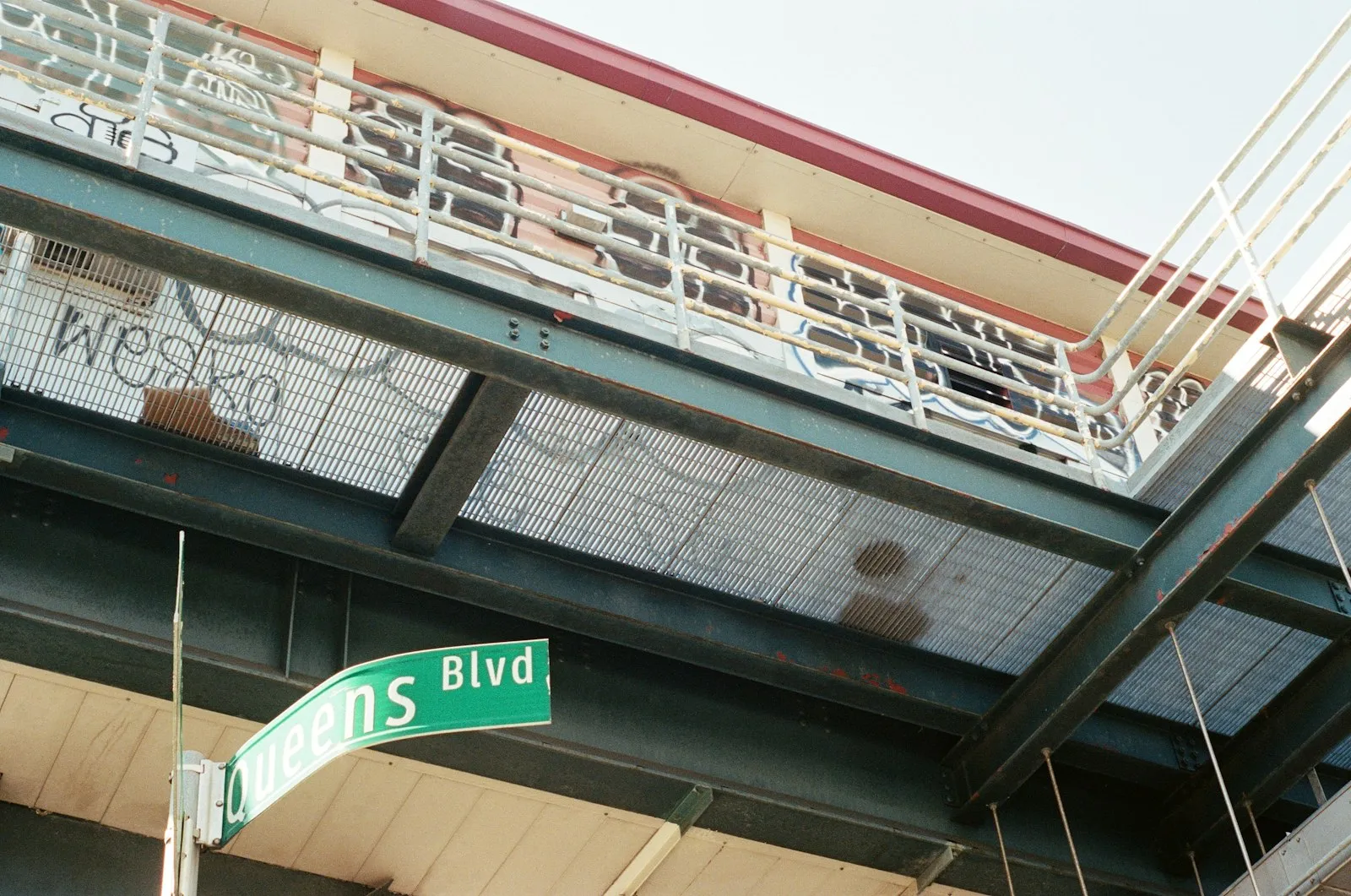
The Sunnyside Gardens Historic District is the neighborhood’s best-known landmark: a planned garden community by architects Clarence Stein and Henry Wright, built around interior courtyards and now protected as a New York City historic district. Its quiet blocks sit just off Queens Boulevard, where the Sunnyside arch spans the roadway near 46th Street and the elevated 7 train. Visitors come to walk the Gardens, see the arch, and eat along Queens Boulevard, Skillman Avenue and Greenpoint Avenue.
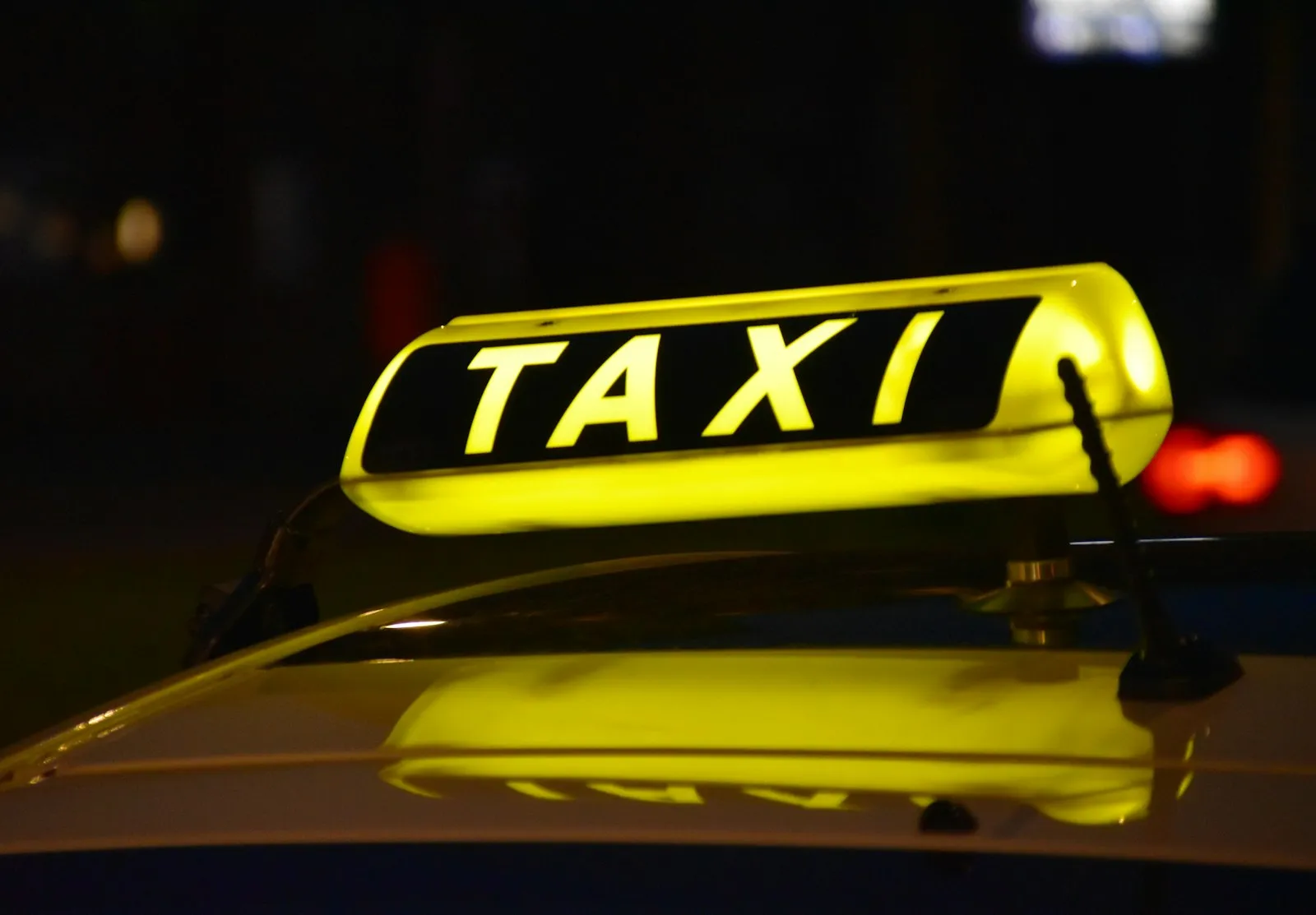
That means the arch area doubles as one of the neighborhood’s busiest taxi zones. Riders leaving the 46th St–Bliss St station hail yellow and green cabs at the curb. App-based drivers idle and double-park while they wait for a passenger to appear. Through traffic heads west toward Queens Plaza and the Queensboro Bridge, or east toward Woodside and beyond. Add the steel columns of the elevated line in the roadway, and you have a stretch where sight lines are short and stops are sudden. Smaller pickup spots repeat the pattern at 40th St–Lowery St and 33rd St–Rawson St.
In Sunnyside, the crash scene and the train station are often the same place. That helps with witnesses and cameras, but only if someone asks for the footage quickly.
Day One: Safety, Care and a Few Photos
The first hours belong to your health. Everything else can wait a little, but a few small steps taken at the scene are hard to recreate later.
- Move out of traffic if you safely can, especially on Queens Boulevard, where cars pass on both sides of the elevated columns.
- Call 911. Police and EMS create a record and get you evaluated.
- Note the vehicle. For a yellow or green cab, the medallion or license number on the roof light and hood. For an app-based car, the TLC plate and the trip in your app.
- Photograph the vehicles, the intersection, any traffic signals, and your injuries.
- Get names and numbers of witnesses — fellow riders on the platform stairs, shopkeepers, other drivers.
- Go to the hospital or an urgent care the same day, even if you feel fine.
Days Two and Three: Passenger, Pedestrian or Cyclist?
Once the immediate crisis passes, the most useful question is simple: where were you when it happened? New York’s no-fault system under Insurance Law § 5102 pays medical bills, lost earnings and other basic economic loss regardless of fault, but which policy pays depends on your role.
If you were the passenger
Passengers generally claim no-fault benefits from the vehicle they were riding in. Every TLC-licensed vehicle — yellow cab, green Boro Taxi, Uber, Lyft, black car or limousine — must carry PIP of $100,000 per person, the requirement in effect since March 1, 2026, after the TLC reduced it from the earlier, higher figure. If another driver caused the crash, you may also have a claim against that driver.
Hypothetical: A rider takes a cab from the 33rd St–Rawson St station toward the Gardens. A car runs a light on Skillman Avenue and strikes the cab. The rider’s no-fault claim goes to the cab’s insurer; a claim for pain and suffering, if the injury qualifies, could be brought against the other driver, the cab driver, or both, depending on fault.
If you were on foot
Pedestrians generally claim no-fault from the vehicle that struck them. That is true whether you were in a marked crosswalk near the arch or stepping between parked cars on a side street.
If you were on a bike
Cyclists, like pedestrians, generally claim no-fault from the vehicle that struck them. Door strikes — a passenger flinging open a cab door into the bike lane — are a familiar Skillman and 43rd Avenue concern.
| Where you were | No-fault usually comes from | Watch out for |
|---|---|---|
| Inside the taxi or app-based car | The vehicle you occupied | Proving which driver caused the crash |
| Crossing the street | The vehicle that struck you | Insurers arguing you stepped out unexpectedly |
| Riding a bike | The vehicle that struck you | Disputes over door openings and lane position |
Days Four Through Seven: Paperwork That Protects You
By the end of the first week, a few administrative steps should be underway. None of them requires a lawsuit, and most can be handled with help over the phone.
- File the no-fault application within 30 days of the accident (11 NYCRR 65-1.1). Missing it can cost you benefits.
- Request the police report, and if you were driving, check with the New York DMV about any report you must file yourself.
- Ask businesses for camera footage along Queens Boulevard, Skillman Avenue or Greenpoint Avenue before it is overwritten.
- Keep every receipt: prescriptions, car service to appointments, missed shifts.
- If a city or MTA vehicle was involved, remember the 90-day notice of claim deadline under General Municipal Law § 50-e.
Looking Past the First Week
No-fault covers economic loss, but compensation for pain and suffering requires showing a “serious injury” under Insurance Law § 5102(d). In 2026, the state budget removed one older category tied to days of missed activity, leaving eight: death; dismemberment; significant disfigurement; fracture; loss of a fetus; permanent loss of use of a body organ, member, function or system; permanent consequential limitation of use of a body organ or member; and significant limitation of use of a body function or system.
Fault matters more than it used to, too. Under new CPLR 1411(b), for motor-vehicle injury actions under Insurance Law Article 51 commenced on or after May 26, 2026, a claimant whose fault is greater than the defendant’s (or defendants’ combined) recovers nothing, while a claimant at 50% or less has the recovery reduced proportionally. Under Insurance Law § 5104, the fact-finder now decides fault before deciding whether the injury is serious, and new § 5104(d) caps non-economic damages at $100,000 for an at-fault claimant who was driving uninsured, convicted of impaired driving, or convicted of a felony committed while driving. These rules apply to suits filed on or after May 26, 2026, regardless of when the crash occurred.
The outer deadlines are 3 years for a personal injury lawsuit (CPLR 214(5)) and 2 years for wrongful death (EPTL 5-4.1). For the full picture of who pays and how the firm handles these claims locally, see our Sunnyside taxi accident lawyer page.
Taxi Accident FAQs for Sunnyside Riders and Walkers
Do I need a police report to make a no-fault claim?
A report is strong evidence and is usually requested, but the key deadline is filing the no-fault application within 30 days. Do not wait for the report to start that application.
The driver says I walked into the street. Can I still claim?
Yes, no-fault benefits are paid regardless of fault. Fault becomes important for a pain-and-suffering lawsuit, where under the 2026 rules your recovery is reduced if you share fault and barred if your share exceeds the defendants’.
I was in an Uber, not a yellow cab. Is that different?
Uber and Lyft vehicles in New York City are TLC-licensed, so the same $100,000 per-person PIP requirement applies as for taxis.
What if I only felt pain a few days later?
See a doctor as soon as symptoms appear and tell them about the crash. Delayed symptoms are common, and a prompt record ties the injury to the accident.
Will the insurance company call me?
Often, yes. You can politely decline to give a recorded statement until you have spoken with a lawyer. The Department of Financial Services publishes general consumer information on auto insurance.
Where can I report a problem with the taxi driver?
The NYC Taxi & Limousine Commission licenses taxis and for-hire vehicles and accepts complaints. A TLC complaint is separate from your injury claim.
About Sunnyside: Local FAQs
What is Sunnyside Gardens?
A planned garden community designed by Clarence Stein and Henry Wright, with rowhouses arranged around shared courtyards. It is a designated New York City historic district.
Where is the Sunnyside arch?
Over Queens Boulevard near 46th Street, by the 46th St–Bliss St station of the 7 train.
What neighborhoods border Sunnyside?
Long Island City to the west, Woodside to the east, and Astoria to the north across Sunnyside Yard. Our pages for Woodside and Astoria cover taxi crashes there.
How do people get to Manhattan from Sunnyside?
Most ride the 7 train. By car or cab, drivers typically head west on Queens Boulevard toward the Queensboro Bridge, or use the Long Island Expressway.
Which hospitals are closest?
Elmhurst Hospital and Mount Sinai Queens in Astoria are both nearby. In an emergency, call 911.
Which precinct handles crash reports in Sunnyside?
The NYPD’s 108th Precinct covers Sunnyside along with Long Island City.
When You Are Ready to Talk

Yakov Mushiyev & Associates offers a free case review to anyone hurt in a taxi or for-hire vehicle crash in Sunnyside. Call 718.775.3110 — phone intake is open 24/7 — or contact us online. We meet in English, Russian or Spanish, at your home, in the hospital or by video, and there is no fee unless we win. Our office is at 1 Cross Island Plaza, Suite 325, Rosedale, NY 11422. Learn more about our car accident practice, our work across the borough of Queens, and common questions on our FAQ page.
Attorney Advertising. This is general information about New York law, not legal advice, and reading it does not create an attorney-client relationship. Laws change and every case depends on its own facts. Prior results do not guarantee a similar outcome.