
The story below is a composite, built from the kinds of rideshare cases Queens personal injury lawyers handle. Names and details are illustrative. The law described is real.
Maria had lived in Rego Park for eleven years and had never once thought about Uber’s insurance. On a wet Thursday night this past March, she finished a late shift, stood outside the 63rd Drive subway entrance with her phone, and booked a ride home to the other side of the neighborhood, a ten-minute trip down Queens Boulevard.
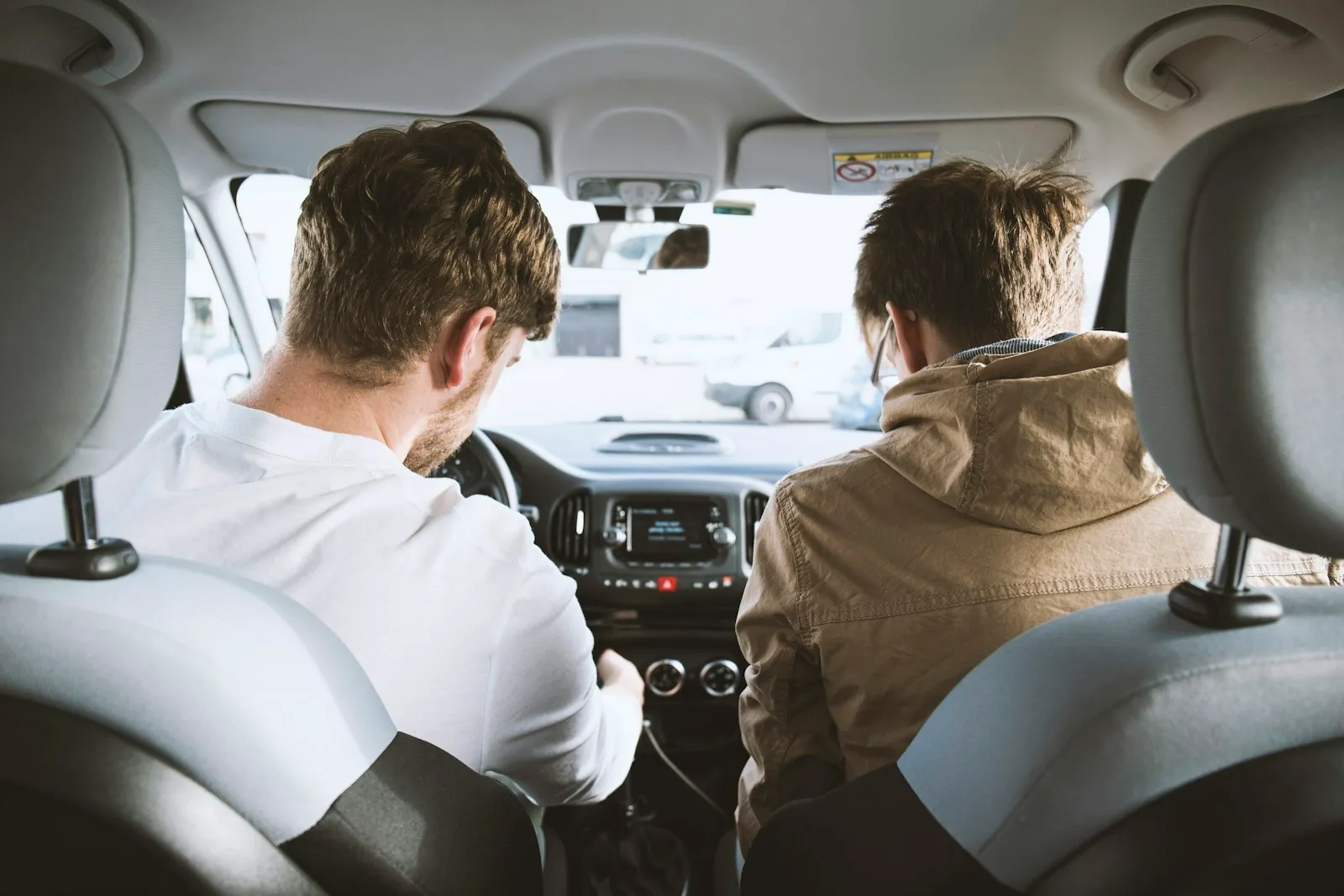
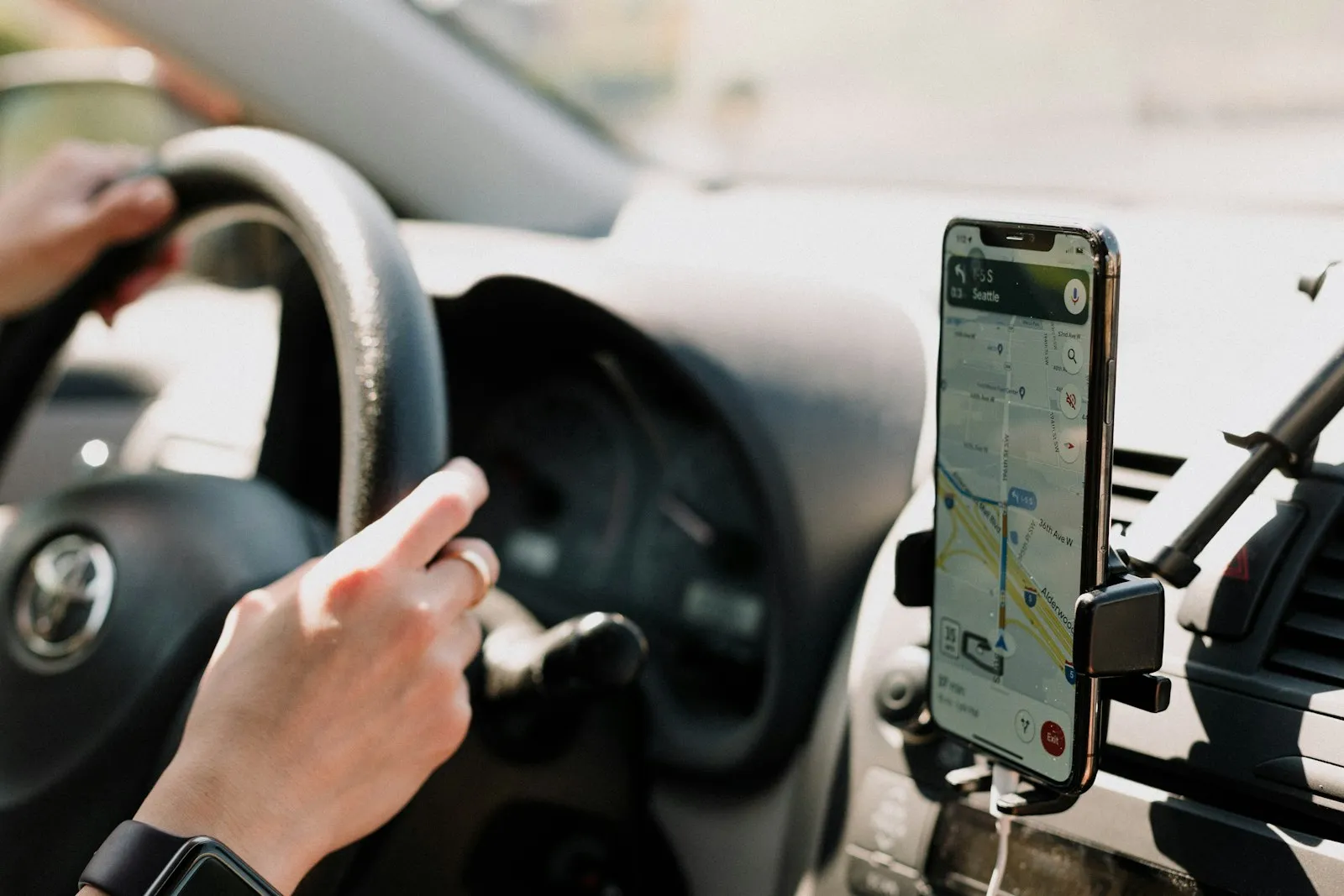
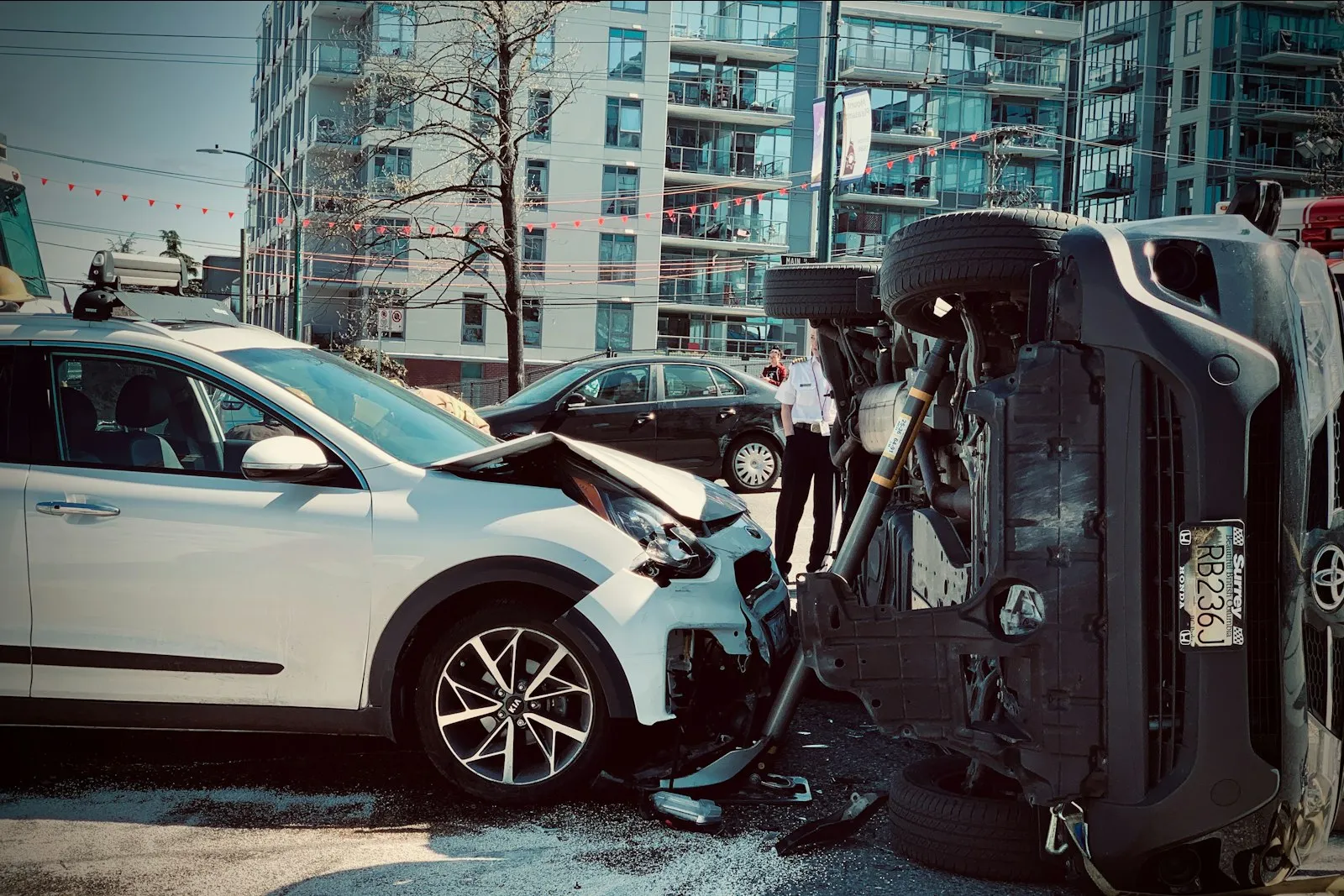
Her driver was polite and a little rushed. He had a second phone clipped to the dashboard and kept glancing at it. As the car came off the Queens Boulevard service road to turn onto a side street, a delivery van ran the light. The van hit the rear passenger door, exactly where Maria was sitting.
She remembers the sound and very little after that. Then the questions started, and that is what this article is about. If you’re in Maria’s position right now, call Yakov Mushiyev & Associates, P.C. at 718.775.3110.

Night One: The Scene
The first responders took Maria to the emergency room at Elmhurst. Her shoulder was dislocated and her wrist was broken. An officer from the NYPD’s 112th Precinct, which covers Rego Park, took information from both drivers.
What Maria did right, without knowing it: she kept her phone. The Uber app recorded the driver’s name, the car, the license plate and the exact route and time of her trip. Her receipt arrived by email an hour later. That record would become one of the most important pieces of evidence in her claim.
What she missed: she didn’t get the van driver’s information or the name of the woman on the corner who saw the whole thing. By the time anyone looked, the witness was gone.
The takeaway: in a rideshare crash, take screenshots of the trip in the app before you do anything else, then photograph every vehicle’s plate and ask witnesses for a phone number.
Week One: “Who Pays My Hospital Bill?”
Maria assumed Uber would pay. The real answer was more layered.
New York is a no-fault state. As the Department of Financial Services explains, passengers file no-fault claims with the insurer covering the car they were riding in. For Maria, that meant the insurance on the Uber driver’s TLC-licensed vehicle, not her own and not the van’s.
No-fault covers medical bills and part of lost wages, regardless of who caused the crash. And here is where the date of Maria’s crash mattered. In New York City, the Taxi and Limousine Commission requires TLC-licensed vehicles, including Uber and Lyft cars, to carry more personal injury protection than ordinary cars. Under an amended TLC rule, that coverage dropped from $200,000 to $100,000 per person effective March 1, 2026. Maria’s crash was in March 2026, so her claim fell under the new, lower limit. A crash before March 1 may still be covered by the policy in force at that time.
The deadline was the other surprise: the no-fault application had to be filed within 30 days. Maria’s sister found the form and helped her send it on day 19.
Week Three: The Phone Call
The van company’s insurer called Maria at home. The adjuster was friendly. He asked how she was feeling, whether she had been looking at her phone, and whether she’d be willing to give a recorded statement “just to get things moving.”
This is the moment where many rideshare claims go sideways. Passengers are almost never at fault for the crash itself, but recorded statements are used for other purposes: to minimize injuries (“I’m doing a little better”), to lock in a timeline before medical records are complete, or to suggest a prior injury. Maria said she’d call back. Instead, she called a lawyer.
Month Two: Two Drivers, Two Policies
Once a lawyer looked at the facts, Maria’s case looked different. Two drivers may have contributed to the crash:
- The van driver, who ran the light. His employer’s commercial policy was the main target.
- The Uber driver, who was glancing at a second phone and may have entered the intersection without checking for cross traffic.
A passenger can bring claims against every driver whose negligence contributed to the crash. In New York City, TLC rules also require for-hire vehicles to carry liability insurance well above the bare state minimum, generally $100,000 per person and $300,000 per accident for standard-size vehicles. Commercial vans, like the one that hit Maria, often carry policies with higher limits.
Trips that begin outside the city, such as a ride that starts in Nassau County, are governed by New York State’s rideshare insurance rules instead of the TLC’s. Our guide to rideshare insurance coverage in Queens explains those differences.
Month Four: The Serious-Injury Question
To recover pain and suffering, which no-fault doesn’t pay, Maria had to show a “serious injury” under Insurance Law § 5102(d).
Before 2026, many passengers relied on the “90/180-day” category, which covered injuries that prevented someone from doing substantially all of their usual activities for 90 of the first 180 days. The state budget signed in late May 2026 removed that category. Practitioners report that the change applies to lawsuits started on or after May 26, 2026.
For Maria, the broken wrist settled the question: a fracture is one of the remaining categories. For passengers with neck and back injuries and no fracture, the case has to be built around permanent or significant limitations, which means detailed range-of-motion testing, imaging and a doctor willing to explain the findings.
Along the Way: The 2026 Fault Rule (and Why It Rarely Hurts Passengers)
The 2026 budget also added subdivision (b) to CPLR § 1411. In personal injury actions governed by the no-fault article of the Insurance Law, someone who is more at fault than the defendant now recovers nothing.
For a back-seat passenger like Maria, that rule rarely comes into play. She didn’t cause anything. But it matters a great deal to the two drivers fighting over who was more to blame, and it matters to pedestrians and cyclists hit by an Uber, who may be accused of stepping out or riding into the car’s path. If that’s your situation, see our guides on pedestrian accidents in Rego Park and bicycle accidents in Rego Park.
Month Six: The First Offer
The van’s insurer made an offer. It was more than Maria expected and less than she needed. Her orthopedist was recommending a second surgery on the shoulder, and she still couldn’t lift a box at work.
The rule we give every client: don’t settle until your doctors can tell you what your long-term condition looks like. A release ends the claim forever, including for surgeries you haven’t had yet. Maria turned it down. Her lawyer is building the claim around the full picture: both surgeries, the time she has missed at work, the permanent limits on her shoulder, and the pain of the months in between.
The Injuries We See Most in Rideshare Crashes
Passengers in the back seat of an Uber or Lyft are usually belted, but side impacts like Maria’s hit them where the car has the least protection. The injuries we see most often from Rego Park and central Queens rideshare crashes include:
- Shoulder injuries, including dislocations and rotator cuff tears, from being thrown against the door or seat belt
- Wrist and forearm fractures from bracing against the seat in front
- Neck and back injuries, including herniated discs, which are now harder to bring under the serious-injury threshold without the 90/180-day category
- Head injuries and concussions from hitting the window or door frame, which are easy to miss on the first night
- Knee injuries from striking the back of the front seat
Each of these needs to be documented from the first visit forward. Insurers look for gaps in treatment and use them to argue that the injury came from something else. If you are still in pain a week after the crash, go back to a doctor, and keep every appointment you make.
What Maria’s Story Teaches Every Rego Park Rider
- Screenshot your trip in the Uber or Lyft app before anything else.
- Get every driver’s information and the names of witnesses.
- Go to the ER or urgent care that day and tell them you were a passenger.
- File for no-fault within 30 days through the insurer of the car you were in.
- Don’t give recorded statements to any insurer before talking to a lawyer.
- Keep a journal of pain, missed work and the help you need at home.
- Don’t settle early. Wait until your medical picture is clear.
Deadlines for Uber and Lyft Passengers
| Deadline | What it covers |
|---|---|
| 30 days | No-fault application to the insurer of the rideshare vehicle |
| 90 days | Notice of claim if a city vehicle or city road condition was involved (General Municipal Law § 50-e) |
| 3 years | Personal injury lawsuit against the drivers and owners (CPLR § 214) |
| 2 years | Wrongful death lawsuit (EPTL § 5-4.1) |
Uber, Lyft or Yellow Cab: Does It Matter?
Inside New York City, all three are TLC-licensed, and passengers start from a similar legal position. The differences tend to be in evidence and in identifying the right policy. We’ve written about the other two in detail: Lyft accidents in Rego Park and taxi accidents in Rego Park. For a broader look, see our Rego Park accident practice page.

Getting to Our Rosedale Office From Rego Park
Our office is at 1 Cross Island Plaza, Suite 325, Rosedale, NY 11422. By car, take the Van Wyck Expressway south to the Belt Parkway east. By transit, take the M or R to Forest Hills–71st Avenue, transfer to the E or F to Jamaica, then the LIRR to Rosedale. Ironically, many of our rideshare clients come by Uber. If you’re not ready to travel, call first and ask about a phone or video consultation.
Open turn-by-turn directions in Google Maps · 1 Cross Island Plaza, Suite 325, Rosedale, NY 11422 · 718.775.3110
Uber Accident FAQs
Can I sue Uber directly?
Uber drivers are generally treated as independent contractors, so claims are usually brought against the driver and the vehicle’s owner, with the TLC-required insurance responding. Whether any claim lies against Uber itself depends on the facts. A lawyer can sort out which parties and policies are involved.
My Uber driver was the one at fault. Do I file against my own insurance?
No. Passengers file no-fault with the insurer of the car they were in, which is the Uber vehicle’s insurer, and can pursue a liability claim against the Uber driver.
What if I was in another car and an Uber hit me?
Your no-fault claim goes to the insurer of the car you were in. Your claim for pain and suffering would be against the Uber driver and owner, and the 2026 fault rule under CPLR § 1411(b) will apply to the fight over who was more at fault.
Does Uber’s app data help my case?
Yes. Trip records show the route, timing and the driver assigned. A lawyer can request that the data be preserved.
Talk to a Queens Uber Accident Lawyer
If you were hurt in an Uber or Lyft in Rego Park, call Yakov Mushiyev & Associates, P.C. at 718.775.3110 or reach us online.
General information, not legal advice. Attorney Advertising. Prior results do not guarantee a similar outcome.