
If you live in Rego Park, you ride the bus. Maybe it’s the Q52 or Q53 Select Bus Service down Woodhaven Boulevard toward the Rockaways, a local along Queens Boulevard, or a bus up Junction Boulevard. Buses are part of the daily rhythm of the neighborhood, and most trips are uneventful. But when something goes wrong on or around a bus, the legal rules are different from almost any other accident, and the deadlines are much shorter.
This field guide is organized by where you were when you got hurt: on the bus, at the stop, in a car, or on foot. Find your situation, follow the steps, and call Yakov Mushiyev & Associates, P.C. at 718.775.3110 if you want help.

First, the Rule That Matters Most: 90 Days
Most Rego Park buses are operated by public entities, New York City Transit or MTA Bus Company. A claim against a public authority generally requires a notice of claim within 90 days of the accident, and a lawsuit within one year and 90 days. Those deadlines are far shorter than the three years you’d have against a private driver.
Ninety days goes fast when you’re in a sling, missing work, and getting calls from your doctor’s billing office. If you remember nothing else from this guide, remember that number. Our guide to MTA bus accidents in Queens walks through the notice-of-claim process in more detail.
Situation 1: You Were a Passenger on the Bus
What usually happens
Passenger injuries on buses tend to fall into a few categories:
- Sudden stops and starts. You’re standing, holding a pole, and the bus brakes hard or lurches forward before you’re seated.
- Sharp turns that throw standing riders off balance.
- Collisions with cars, trucks or other buses.
- Boarding and exiting. Doors closing on a rider, the bus pulling away while someone is on the steps, or a kneeling bus that wasn’t lowered.
- Slippery floors on rainy and snowy days.
The legal standard for sudden-stop falls
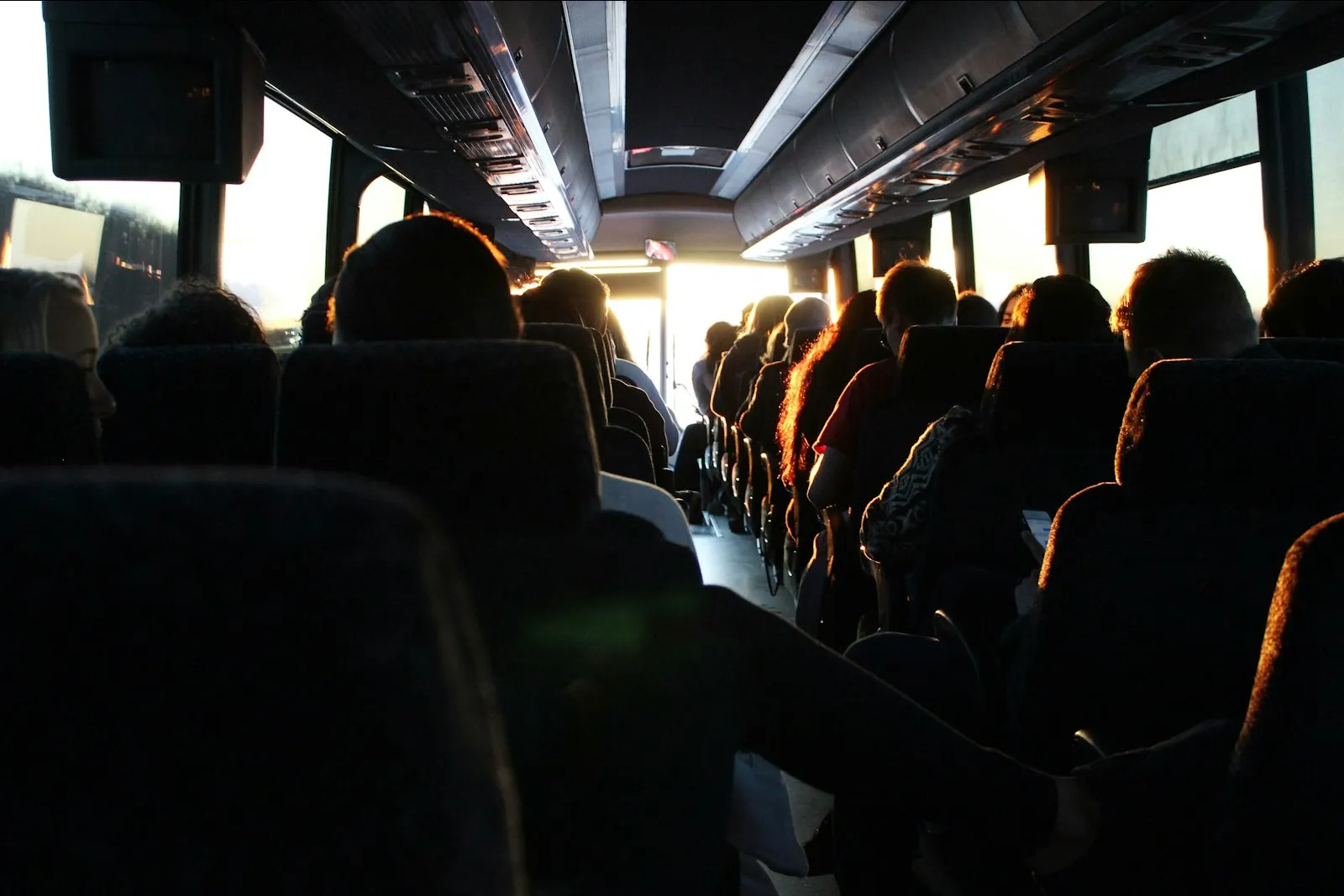
New York courts are demanding in sudden-stop cases. A passenger who falls because a bus stopped or started generally has to show the movement was unusual and violent, not just the ordinary jerks and jolts of city bus travel. That means detail matters: how hard was the stop, did other passengers fall, did anything fly forward, was there a reason for the stop? Bus cameras, other riders and the operator’s own report are the best evidence.
Who pays your medical bills
This surprises nearly every bus rider. Under Insurance Law § 5103(a)(1), as the state insurance department has explained in an official opinion, a bus passenger’s no-fault benefits come first from your own auto policy, or a policy covering a relative in your household. Only if there is no such policy does the bus’s insurer pay.
So if you own a car, or live with a relative who does, your no-fault claim likely goes to that insurer, even though you were on a bus. The no-fault application is due within 30 days. Missing it is one of the most common and expensive mistakes we see.
What to do
- Report the injury to the bus operator before you get off, and note the bus number, route and time.
- Ask for EMS if you need it, or go to the ER or urgent care the same day.
- Get names and phone numbers of other passengers who saw what happened.
- Photograph your injuries, the area where you fell and anything that contributed, like a wet floor.
- File your no-fault application within 30 days with the right insurer.
- Talk to a lawyer about the 90-day notice of claim right away.
Situation 2: You Were Hurt at a Bus Stop
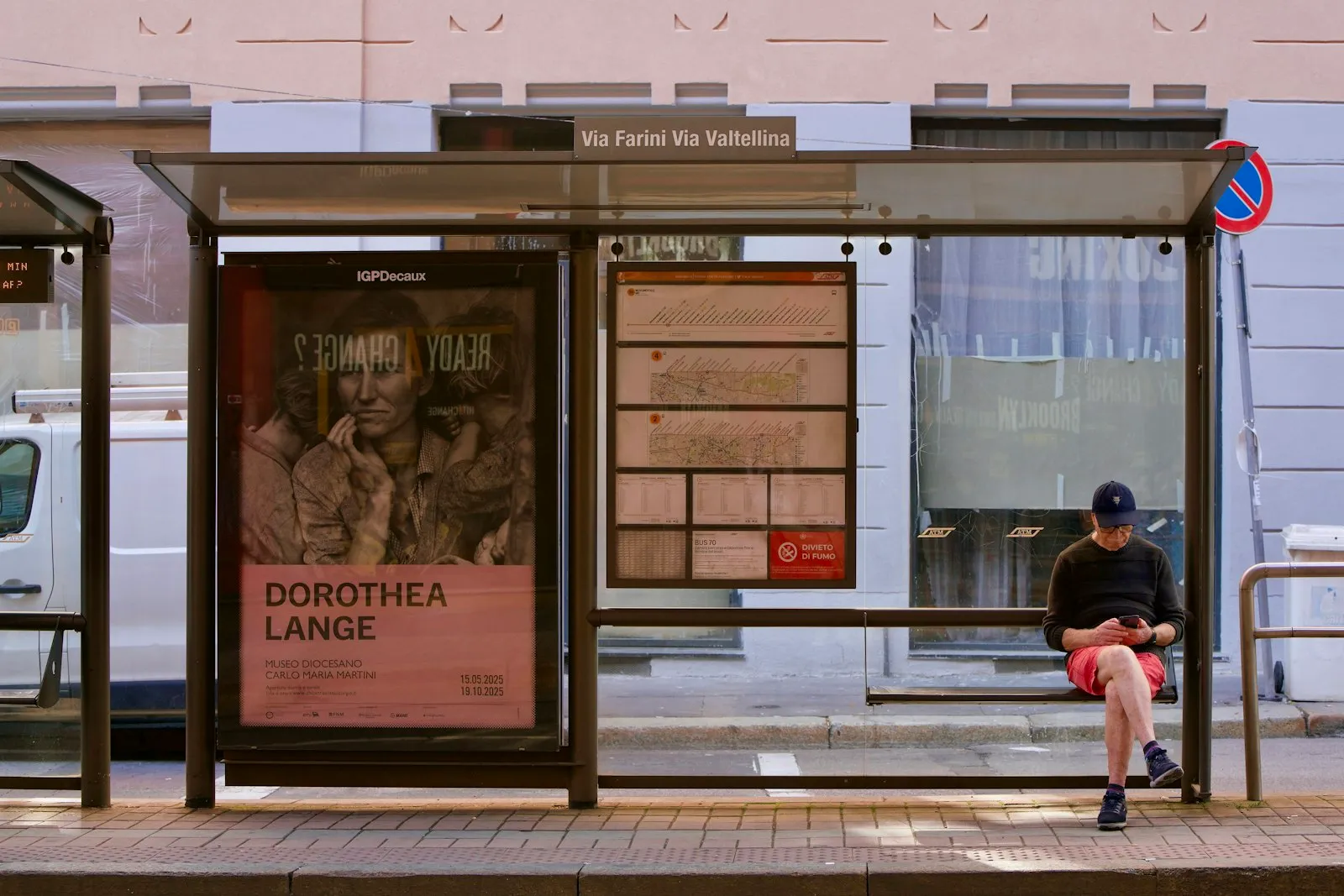
Bus stops on Woodhaven Boulevard and Queens Boulevard put riders inches from heavy traffic. Injuries at stops include being clipped by the bus’s mirror or side as it pulls in, being struck by a car swerving around a stopped bus, and tripping on broken pavement or curbs.
Who is responsible depends on what hurt you. A bus that pulls too close to the curb points to the transit agency. A car that swerves around a bus points to that driver. A broken sidewalk at the stop may involve the adjacent property owner or the city. Each comes with different deadlines, so pin down the cause early.
Situation 3: You Were in a Car Hit by a Bus
If you were driving or riding in a car that collided with a bus, your no-fault claim goes to the insurer of the car you were in, within 30 days. To sue the bus operator’s agency for pain and suffering, you’ll generally need to show a “serious injury” under Insurance Law § 5102(d). The state budget signed in late May 2026 removed the old “90/180-day” category from that definition, so a soft-tissue injury now has to fit one of the remaining categories, such as a significant or permanent limitation.
The same legislation added subdivision (b) to CPLR § 1411. In personal injury actions governed by the no-fault article of the Insurance Law, a claimant who is more at fault than the defendant recovers nothing. In car-versus-bus crashes, where both drivers often blame each other, this rule makes early evidence essential. Bus lanes, merging at stops and turns across the bus lane are frequent flashpoints.
Situation 4: You Were Walking and a Bus Hit You
A pedestrian hit by a bus files no-fault with the insurer of the vehicle that struck you, per Department of Financial Services guidance, and has the same 90-day notice-of-claim deadline against the transit agency. Turning buses are the classic danger: a long vehicle turning right or left across a crosswalk can strike pedestrians who are walking with the signal. Our Rego Park pedestrian accident guide covers the broader rules.

Where Bus Crashes Happen in Rego Park
The bus network around Rego Park concentrates risk in a few places:
- Woodhaven Boulevard. The Q52 and Q53 Select Bus Service routes run between the Rockaways and Woodside and Rego Park. The city’s Woodhaven–Cross Bay Select Bus Service project added bus lanes and signal changes and reported a 6 percent reduction in injury crashes in its 2018 progress report. Wide lanes, high speeds and long crossings remain.
- Queens Boulevard. Buses pull in and out of service-road stops alongside cars, cyclists in the bike lane and heavy foot traffic near the 63rd Drive and 67th Avenue subway stations.
- Junction Boulevard and the LIE area. Buses share narrow lanes with delivery trucks and cars heading to and from the expressway.
- Shopping corridors. Riders with bags and carts board and exit near Rego Center and the big-box stores, where crowded stops and double-parked vehicles create conflicts.
Five Mistakes That Hurt Bus Accident Claims
- Leaving without reporting it. If the operator doesn’t know you were hurt, there may be no incident report at all.
- Filing no-fault with the wrong insurer. For passengers, your own or a household relative’s auto policy usually comes first, not the bus’s.
- Waiting on the 90-day notice. This is the deadline that ends the most claims against public entities.
- Skipping follow-up care. Gaps in treatment give the agency an easy argument that you weren’t really hurt.
- Giving statements without advice. A public authority may examine you under oath before a lawsuit; prepare for it with a lawyer.
Not Every Bus Is an MTA Bus
Rego Park also sees school buses, charter coaches, private shuttles and tour buses. Claims against private bus companies generally follow the three-year statute of limitations under CPLR § 214 rather than the 90-day public-entity notice rule, but they bring their own issues: commercial insurance, federal safety regulations for interstate carriers, and sometimes more than one company in the chain. Don’t assume. Identify the operator first.
Deadline Cheat Sheet
| Deadline | What it applies to |
|---|---|
| 30 days | No-fault application (own or household policy first for bus passengers) |
| 90 days | Notice of claim against NYC Transit, MTA Bus or the City |
| 1 year and 90 days | Lawsuit against a public authority or the City |
| 3 years | Lawsuit against a private bus company or private driver (CPLR § 214) |
| 2 years | Wrongful death lawsuit (EPTL § 5-4.1) |
What Your Claim Can Include
- Medical bills and lost wages beyond what no-fault pays
- Future treatment, including surgery and physical therapy
- Pain and suffering, when the serious-injury threshold is met
- Lost earning capacity if you can’t return to the same work
Bus passengers are often older adults, and falls on buses frequently cause hip, wrist and shoulder fractures. Those injuries have long recoveries, and a claim should account for the whole recovery, not just the first few weeks.
How Our Firm Helps Bus Accident Victims
Yakov Mushiyev & Associates, P.C. handles bus accident claims throughout Queens, including the public-entity notice process. See our Queens bus accident lawyer page and our Rego Park practice page for the other accidents we handle in the neighborhood. If you were hurt in a rideshare instead, our Rego Park Uber accident guide explains those rules.
From Rego Park to Our Office in Rosedale
Our office is at 1 Cross Island Plaza, Suite 325, Rosedale, NY 11422. By car, take the Van Wyck Expressway south to the Belt Parkway east. By transit, take the M or R to Forest Hills–71st Avenue, the E or F to Jamaica and the LIRR to Rosedale. If you’re not up for the trip, call first and ask about a phone or video consultation.
Open turn-by-turn directions in Google Maps · 1 Cross Island Plaza, Suite 325, Rosedale, NY 11422 · 718.775.3110
Bus Accident FAQs
I fell on the bus but nobody else did. Do I have a case?
Possibly, but sudden-stop cases are hard. You generally need to show the stop or start was unusual and violent. Other evidence, like objects flying forward, the operator’s explanation or bus video, can make the difference.
I don’t own a car. Who pays my medical bills after a bus accident?
If no one in your household has an auto policy, the bus’s insurer generally provides no-fault benefits under Insurance Law § 5103(a)(1).
Can I get the bus video?
Transit agencies record on many buses, but footage isn’t kept forever. A lawyer can send a preservation demand quickly and pursue the footage through the claim process.
What if I miss the 90-day deadline?
In some cases, a court can allow a late notice of claim, but it’s never guaranteed. Don’t wait to find out.
The bus driver said it wasn’t his fault. Does that matter?
Not much on its own. What an operator says at the scene is one piece of evidence. Bus video, GPS and speed data, maintenance records, witness statements and the physical evidence of the crash usually tell a fuller story, and those are what a claim is built on.
Which court would hear my case?
Most Rego Park bus accident lawsuits are filed in Queens County Supreme Court. The New York State courts website has more information.
Talk to a Queens Bus Accident Lawyer
Hurt on or by a bus in Rego Park? Call Yakov Mushiyev & Associates, P.C. at 718.775.3110 or contact us online. Phone intake is available 24/7.
General information, not legal advice. Attorney Advertising. Prior results do not guarantee a similar outcome.