
When someone sits down with a commercial truck accident lawyer in Bellerose for the first time, they usually come with a notebook full of questions, or a head full of them they have been too overwhelmed to write down. We have organized this article the way those first meetings actually go: the questions clients ask us, in roughly the order they ask them, followed by our direct answers.
Commercial vehicles are everywhere in eastern Queens. Delivery vans work the residential blocks around 239th and 243rd Streets, box trucks and tractor-trailers move along Jamaica Avenue and Hillside Avenue, and service trucks of every kind pass through on their way to Nassau County. When one of them causes a crash, the claim is very different from an ordinary fender-bender. Here is what our clients most want to know.

Part 1: Right After the Crash
Client: What actually counts as a “commercial truck”?
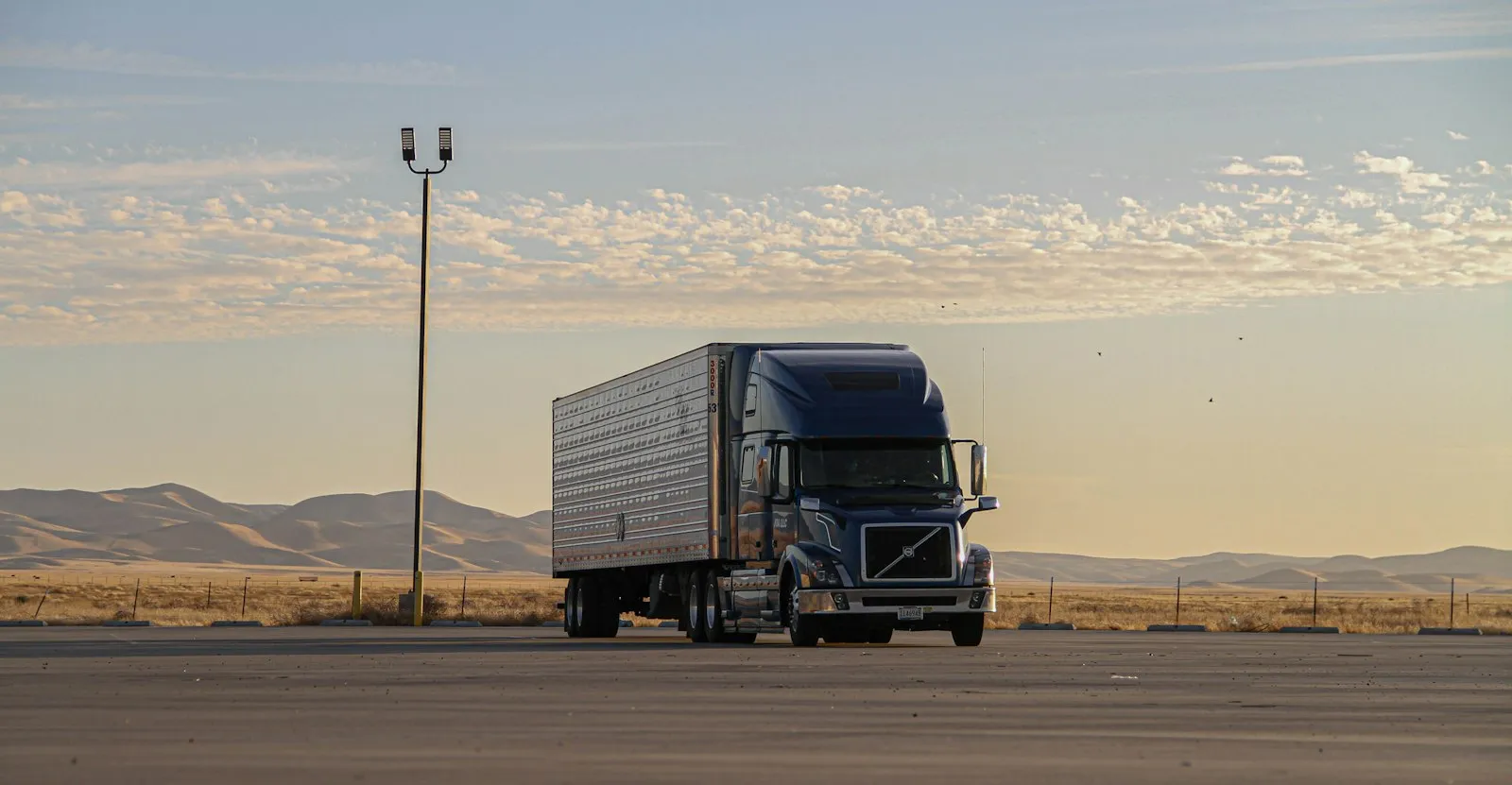
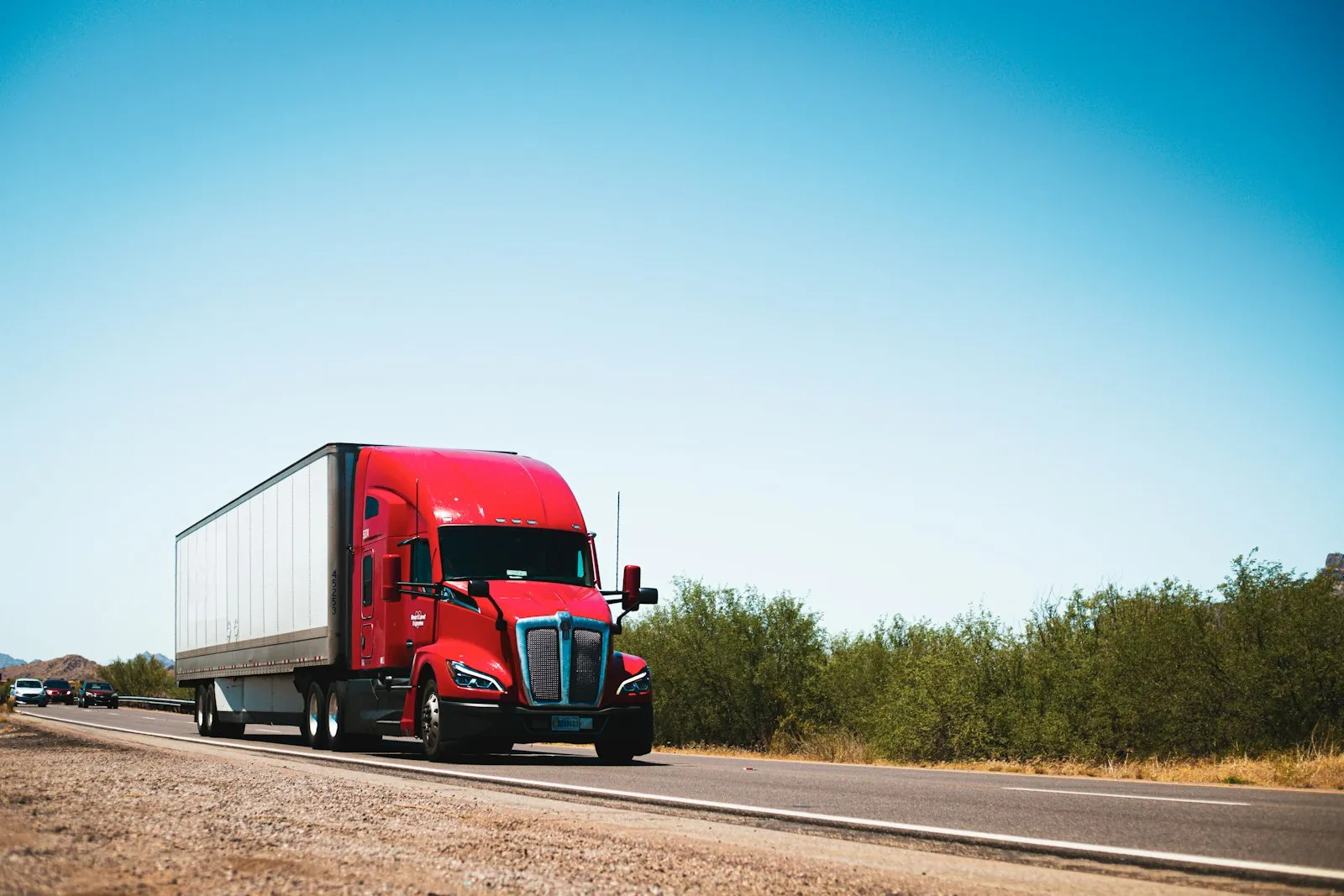
Us: More than people think. It includes tractor-trailers and 18-wheelers, but also box trucks, straight trucks, cement mixers, dump trucks, tow trucks, utility trucks, delivery vans, and pickup trucks used for business. If the vehicle was being used for a company’s work when it hit you, treat it as a commercial case. Larger vehicles operating in interstate commerce are also subject to federal safety regulations enforced by the Federal Motor Carrier Safety Administration.
Client: The driver told me his company would take care of everything. Should I wait to hear from them?
Us: We understand why that sounds reassuring, but no. The company’s interests and yours are not the same. While you wait, the company and its insurer may already be gathering evidence, interviewing the driver and preparing a defense. You should be protecting your own position at the same time.
Client: The company’s insurance adjuster wants a recorded statement. Is that okay?
Us: You are not required to give one, and we generally advise against it until you have spoken with a lawyer. Statements given in the first days, while you are in pain and before anyone has reviewed the video or the truck’s data, are frequently used to minimize claims later.
Client: What should I be doing right now?
Us: Get medical care and follow up on it. Long Island Jewish Medical Center in New Hyde Park is the closest trauma hospital to Bellerose. Keep every document. Write down the company name on the truck, the DOT number on the door if you saw it, and any witness contacts. And file your no-fault application within 30 days.
Part 2: Who Is Responsible?
Client: The driver works for a contractor that delivers for a big national company. Who do I actually make a claim against?
Us: This is one of the most important questions in modern truck cases. Many delivery routes are run by independent contractors, such as Amazon Delivery Service Partners or FedEx Ground contractors, rather than by the national company directly. The correct defendant may be the contractor, the national company, the vehicle owner, or several of them together. It depends on who employed the driver, who controlled the work, who owned the vehicle and what the contracts say. Getting this right early prevents a case from being aimed at the wrong target.
Client: Can more than one company be at fault?
Us: Often, yes. Here is a simplified view of who may share responsibility:
| Potential party | Why they might be responsible |
|---|---|
| Truck driver | Speeding, distraction, fatigue, unsafe turns or lane changes |
| Motor carrier / employer | Responsible for its driver’s conduct; hiring, training and scheduling practices |
| Truck or trailer owner | Leasing arrangements and equipment condition |
| Maintenance contractor | Faulty brake, tire or lighting work |
| Shipper or loader | Overloaded or improperly secured cargo |
| Freight broker | In some situations, negligent selection of an unsafe carrier |
Not every case involves all of these, but we look at each one.

Part 3: The Rules Trucks Have to Follow
Client: Are truck drivers held to different rules than regular drivers?
Us: Yes. Interstate commercial drivers and carriers must follow the Federal Motor Carrier Safety Regulations in Title 49 of the Code of Federal Regulations. Among the most important:
- Hours of service (49 CFR Part 395). Limits on how long a driver can drive and be on duty, with required breaks and rest periods. See the FMCSA’s overview of hours-of-service rules.
- Driver qualification (49 CFR Part 391). Licensing, medical certification and driving-history requirements.
- Inspection, repair and maintenance (49 CFR Part 396). Systematic inspection and upkeep of brakes, tires, lights and other equipment.
- Insurance (49 CFR Part 387). Interstate carriers generally must carry at least $750,000 in liability coverage, and many carry more.
New York traffic law applies on top of that. For example, Vehicle and Traffic Law §1225-d restricts the use of portable electronic devices while driving.
Client: How do you prove a driver broke those rules?
Us: With records. Electronic logging devices (ELDs) track duty status and driving time. Engine control modules, often called black boxes, can capture speed and braking before a crash. Many fleets also use dash cameras and GPS telematics. Add the driver qualification file, maintenance logs, dispatch messages and the driver’s phone records, and a clear picture often emerges. The key is demanding preservation of all of it immediately, before routine deletion or the truck’s return to service.
Client: I was hit by a truck on the Cross Island Parkway. Is that unusual?
Us: It is notable. Commercial vehicles are generally prohibited from New York City parkways, including the Cross Island and Grand Central Parkways. A truck on a parkway may point to a routing or dispatch problem that is worth investigating.

Part 4: Money Questions
Client: Who pays my medical bills while this is going on?
Us: New York no-fault insurance, under Insurance Law §5102, pays necessary medical expenses and a portion of lost earnings up to the basic $50,000 limit, regardless of fault. Usually the coverage comes from the vehicle you were in. If you were a pedestrian, it may come from the truck’s policy. The deadline to apply is 30 days.
Client: Can I get compensated for pain and suffering?
Us: Yes, if your injury meets New York’s “serious injury” threshold, such as a fracture, significant disfigurement, or a permanent or significant limitation of use of a body part or system. Truck crashes, because of the forces involved, more often produce injuries that clearly qualify, but the medical records still have to document them properly.
Client: What is my case worth?
Us: We won’t guess at a number, and we would be skeptical of anyone who did before reviewing your medical records and the evidence. Value depends on the severity and permanence of your injuries, the impact on your work and life, how clearly fault can be proved and how much insurance is available. Prior results do not guarantee a similar outcome.
Client: How do I pay a lawyer for a case like this?
Us: You don’t pay up front. The consultation is free, and we work on a contingency fee, which means no fee unless we win.
Part 5: Timing and Deadlines
Client: How long do I have to bring a claim?
Us: Generally three years from the crash for personal injury in New York, and two years from the date of death for a wrongful death claim. But several shorter deadlines matter more in practice:
- 30 days to file for no-fault benefits.
- 90 days to file a Notice of Claim if the truck belonged to New York City, such as a Department of Sanitation truck, under General Municipal Law §50-e. The lawsuit must then be filed within one year and 90 days.
- Days or weeks before video and electronic data may be lost.
Client: I’ve heard New York changed the law for car and truck cases. Does that affect me?
Us: It may, depending on when your lawsuit is filed.
Update for 2026: In late May 2026, New York enacted motor-vehicle tort reform that applies to motor-vehicle lawsuits filed on or after its effective date (death cases are excluded). It establishes modified comparative fault under CPLR 1411(b), so a plaintiff more than 50% at fault cannot recover; eliminates the 90/180-day serious-injury category; requires juries to decide fault before serious injury; and caps pain-and-suffering damages at $100,000 for plaintiffs who were driving uninsured, were convicted of impaired driving or were committing a felony.
Part 6: If You Were Working When It Happened
Client: I was on the job, making a delivery myself, when a truck hit me. Is this a workers’ comp case or a lawsuit?
Us: Possibly both. Workers’ compensation generally prevents you from suing your own employer, but it does not stop you from bringing a third-party claim against a different company whose truck caused the crash. Coordinating workers’ comp, no-fault and a third-party suit takes care, because each has its own rules about who pays what. Our work-related injury practice handles exactly this kind of overlap.
Client: What if I was the truck driver and another truck hit me?
Us: The same principle applies. Your own employer’s workers’ comp covers you, and you may have a claim against the other carrier and driver. One caution: if you were on a motorcycle rather than in a truck or car, no-fault PIP benefits generally do not apply, which changes how medical bills are handled.
Getting to Our Office from Bellerose
Client: Where are you, and do I have to come in?
Us: We are at 1 Cross Island Plaza, Suite 325, Rosedale, NY 11422. From Bellerose, take the Cross Island Parkway south toward the Belt Parkway; we are right off the Cross Island in Rosedale, about a 15 to 20 minute drive depending on traffic. Hours are Monday through Friday, 9 a.m. to 6 p.m. If you are not up to the trip, we come to you, at home or in the hospital, or meet by video. We consult in English, Russian and Spanish.
Your Next Question Is One We Can Answer in Person
Call a commercial truck accident lawyer in Bellerose at 718.775.3110, or send us a message. There is no cost for the consultation and no fee unless we win. You can also read our truck accident practice overview, our page dedicated to Bellerose truck accidents, or our main Bellerose personal injury page.
Related reading: our hypothetical walk-through from a truck accident lawyer in Bellerose, our explainer from a semi truck accident lawyer in Bellerose, and our evidence guide for Amazon delivery truck crashes in Bellerose.
Frequently Asked Questions
What should I look for on the truck after a crash?
If it is safe, photograph the company name, the USDOT number usually printed on the cab door, the license plate and any trailer numbers. Those details help identify the motor carrier and its insurer.
Do commercial trucks have black boxes?
Most modern commercial trucks have engine control modules that record data such as speed and braking, and interstate carriers generally must use electronic logging devices to track hours of service. Many fleets also run dash cameras and GPS tracking.
My crash was on Jericho Turnpike in Nassau, just past Bellerose. Can you still help?
Yes. New York’s no-fault and serious-injury rules apply on both sides of the city line, and we handle cases in Queens and Nassau. The investigating police agency and the court where a case would be filed may differ.
Is a delivery van considered a commercial truck?
If it was being used for business, it is treated as a commercial vehicle for the purposes of identifying the employer, contractor and insurance. Whether federal motor carrier rules apply depends on the vehicle’s size and the type of operation.
Can I afford a lawyer if I’m out of work?
Yes. Our consultations are free and we work on contingency, so there is no fee unless we win. We can also meet you at home, in the hospital or by video so you do not need to travel.
This article is general information, not legal advice. Attorney Advertising. Prior results do not guarantee a similar outcome.