
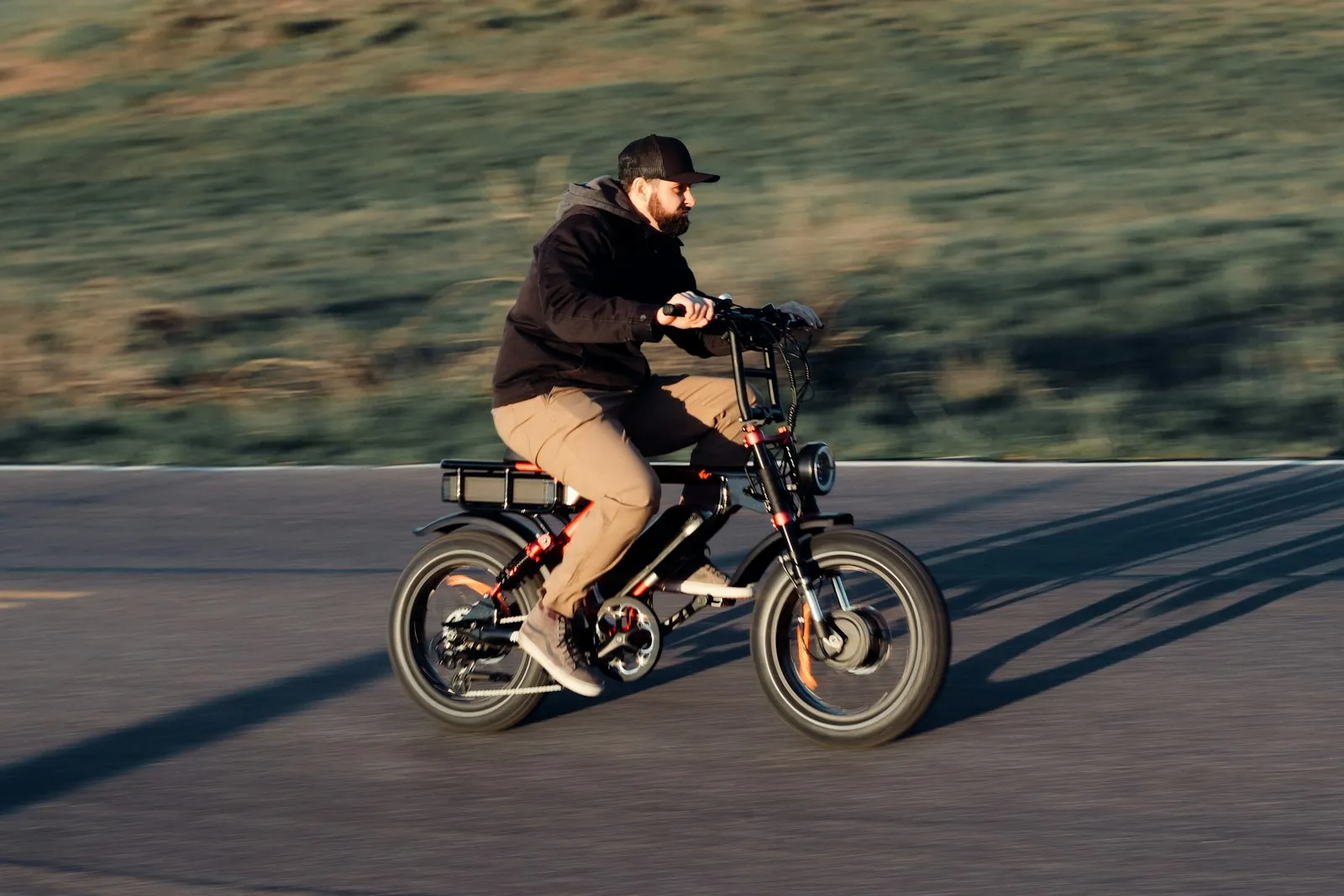
Before an electric bike accident lawyer in Bellerose can tell you what your case is worth, or even who pays your medical bills, one technical question has to be answered: what, legally, were you riding? New York sorts electric two-wheelers into several categories, and each one carries different rules for speed, registration, insurance and where you can ride. The category can decide whether no-fault benefits are available, whether the other side can argue you were riding illegally, and how a jury will look at the crash.
This guide lays out the law and the numbers side by side. It is meant for riders, parents of teenage riders, and anyone trying to make sense of a crash on Hillside Avenue, Jamaica Avenue or a quiet side street near the Nassau line.
Why Classification Is the First Question
Insurance companies look for reasons to deny or reduce claims. With electric bikes, the easiest argument is that the vehicle was not what the rider says it was. If a device marketed as an “e-bike” can exceed 25 mph on throttle alone, an insurer may argue it is really a moped or a “limited use motorcycle,” a category that requires registration, plates and insurance. If it lacked those, the insurer may try to use that against you.
That is why we ask for the make, model and any labels on the frame or battery at the first meeting, and why we tell clients not to modify, repair or discard the bike after a crash.
The Three E-Bike Classes Under VTL §102-c
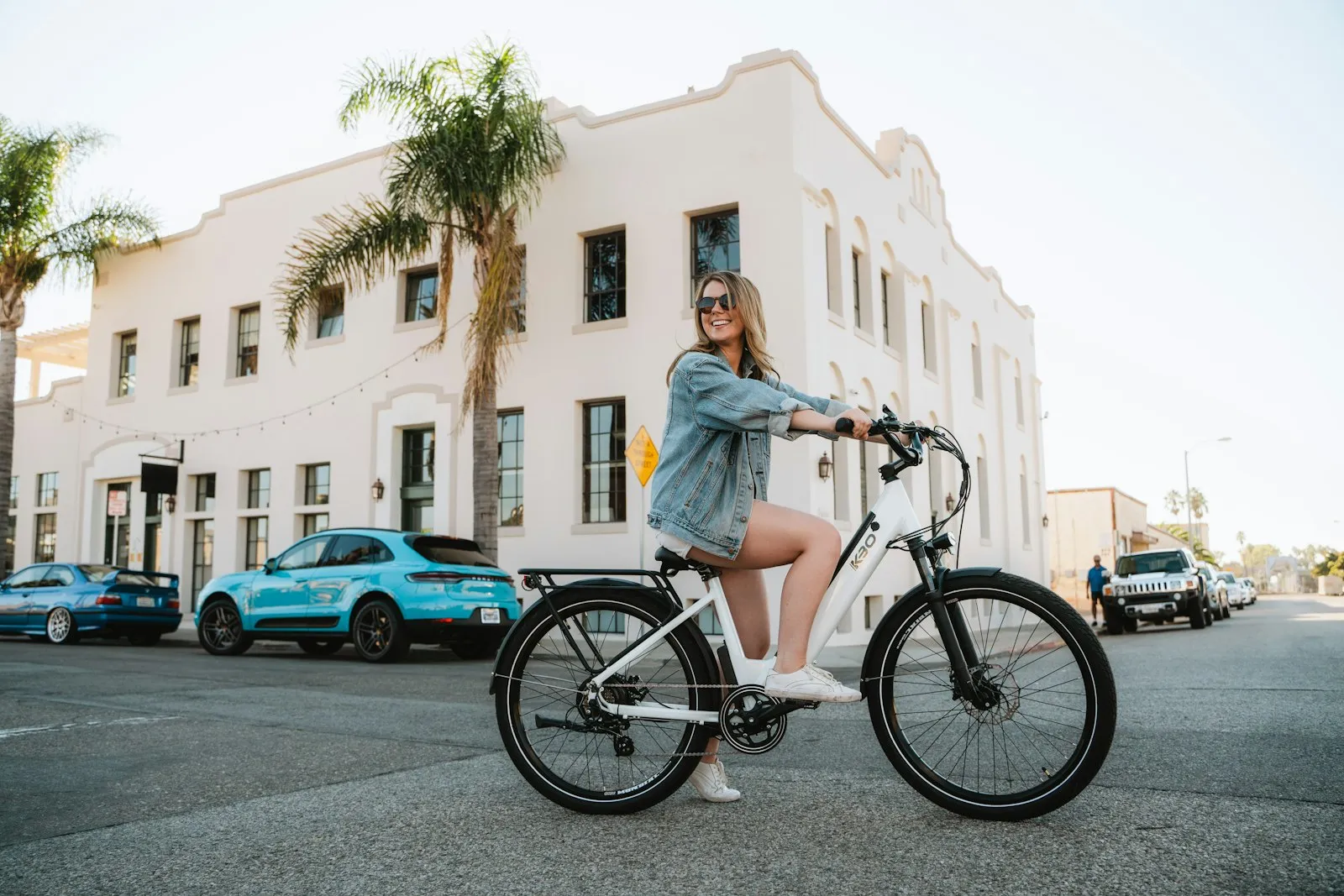
Vehicle and Traffic Law §102-c defines a “bicycle with electric assist” as a bicycle with operable pedals and an electric motor of less than 750 watts, and divides it into three classes:
- Class 1: motor assists only while the rider is pedaling, and stops assisting at 20 mph.
- Class 2: motor can propel the bike on its own (throttle), and stops assisting at 20 mph.
- Class 3: motor assistance up to 25 mph, permitted only in a city with a population of one million or more, which in practice means New York City.
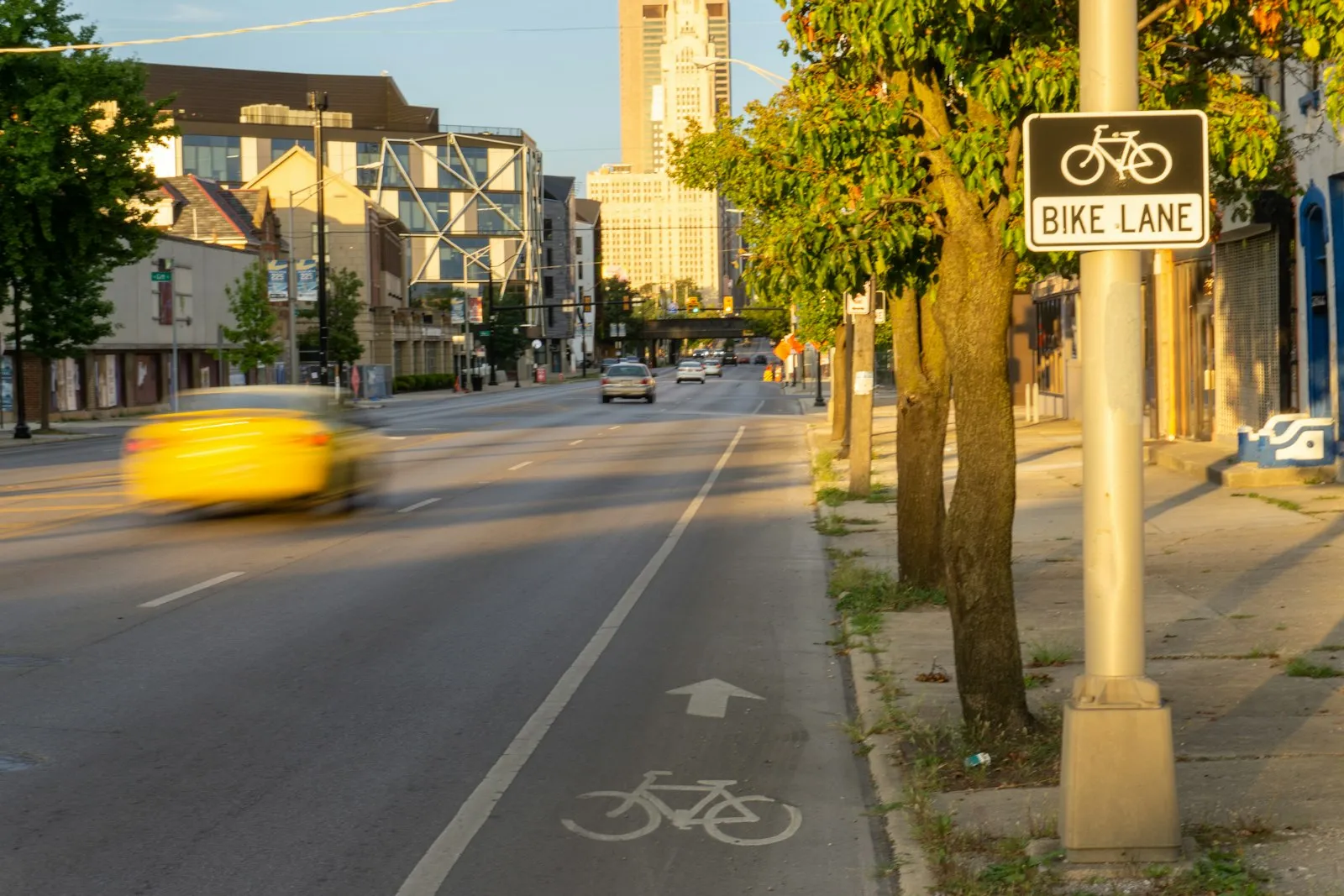
Local governments can add their own restrictions, such as banning e-bikes on certain paths or in parks. Within New York City, class 1, 2 and 3 e-bikes are generally allowed on streets and in bike lanes.
Comparison Table: E-Bikes, Scooters, Mopeds and Motorcycles
Here is how the most common electric and motorized two-wheelers in eastern Queens compare. The no-fault column describes who generally pays a rider’s medical bills after a crash with a motor vehicle; exceptions exist, and your own policies matter.
| Vehicle | Top assisted speed | Registration, plates, insurance | Rider’s medical bills after a car crash |
|---|---|---|---|
| Pedal bicycle | Rider-powered | Not required | Usually the striking vehicle’s no-fault |
| E-bike, class 1 or 2 | 20 mph | Not required | Usually the striking vehicle’s no-fault |
| E-bike, class 3 (NYC only) | 25 mph | Not required | Usually the striking vehicle’s no-fault |
| E-scooter (VTL §114-e) | 15 mph in NYC | Not required | Usually the striking vehicle’s no-fault |
| Moped / limited use motorcycle | Varies by class | Required | Depends on the vehicle’s registration and coverage; get advice |
| Motorcycle | No assist limit | Required, plus a motorcycle license | Motorcyclists are excluded from no-fault PIP |
The pattern is clear: once a two-wheeler crosses into moped or motorcycle territory, the paperwork and insurance rules change, and so does the path to recovery.
What the Numbers Mean: Speed, Energy and Injury
Speed limits for e-bikes are not arbitrary. The energy a rider carries into a collision rises with the square of speed. A few simple comparisons, based on basic physics rather than any particular study:
- A rider at 25 mph carries about 56% more kinetic energy than the same rider at 20 mph.
- At 20 mph, a rider carries roughly 1.8 times the energy of a rider at 15 mph, the NYC e-scooter limit.
- A typical e-bike also weighs considerably more than a conventional bicycle, which adds to the energy of a crash.
That extra energy shows up in the injuries we see: wrist, collarbone and leg fractures, shoulder tears, facial injuries and traumatic brain injuries. It also shows up in the arguments insurers make. If the rider was going 25 mph on a class 3 bike, that is legal in the city, but expect the defense to suggest it was too fast for conditions. Data from the bike’s display, a paired app or a phone can confirm or refute those claims, which is why we try to preserve it immediately.
If you want to see crash patterns for yourself, New York City publishes collision data through its Open Data portal and the Vision Zero program, and federal safety information is available from NHTSA.
Insurance by the Numbers
New York’s no-fault system under Insurance Law §5102 pays reasonable medical expenses and a portion of lost earnings regardless of who caused the crash, up to a basic $50,000 per person on a standard private policy. An electric bike rider generally has no personal no-fault coverage for the bike, but when a motor vehicle hits the rider, that vehicle’s no-fault coverage generally responds as it would for a pedestrian.
For pain and suffering, the rider must make a liability claim against the at-fault driver and meet the “serious injury” threshold of §5102(d). The size of the available liability policy matters enormously. New York’s minimum private auto liability coverage is $25,000 per person and $50,000 per accident. TLC-licensed vehicles such as taxis and app-based rides on trips that start in New York City must carry at least $100,000 per person and $300,000 per accident. Commercial delivery vehicles often carry more. If the at-fault driver’s coverage runs out, your own auto policy’s supplementary uninsured/underinsured motorist (SUM) coverage may help, even though you were on a bike.
Deadlines in Numbers
| Deadline | What it applies to |
|---|---|
| 30 days | No-fault application after the crash |
| 90 days | Notice of Claim against New York City or other public entities, under GML §50-e |
| 1 year and 90 days | Lawsuit against the City after a timely Notice of Claim |
| 2 years | Wrongful death claim, from the date of death (EPTL 5-4.1) |
| 3 years | Most personal injury lawsuits (CPLR 214) |
Update for 2026: Motor-vehicle tort reform signed in late May 2026 applies to motor-vehicle lawsuits filed on or after that date, not to death cases. An electric bike rider suing a driver should expect it to apply. The law (1) adopts modified comparative fault under CPLR 1411(b), so a plaintiff more than 50% at fault recovers nothing; (2) eliminates the 90/180-day serious-injury category; (3) has juries decide fault before serious injury; and (4) caps pain-and-suffering at $100,000 for plaintiffs who were driving uninsured, convicted of impaired driving, or committing a felony. Separately, since March 1, 2026, TLC-licensed vehicles must carry at least $100,000 per person in no-fault coverage. For riders, the fault rule means proving the driver’s share early and with hard data.
Batteries, Product Standards and Defect Claims
Not every electric bike injury involves a car. Brakes fail, frames break, and lithium-ion batteries can overheat or catch fire. New York City requires e-bikes and their batteries sold or leased in the city to be certified to recognized safety standards (UL 2849 for e-bike electrical systems). When an injury traces back to a defective bike, battery or charger, a product liability claim may run against the manufacturer, importer or seller. These cases depend on physical evidence, so keep the bike, battery, charger and purchase records, and do not hand them to anyone without legal advice.
The Bellerose Factor: Riding Across the Nassau Line
Bellerose sits directly on the city line. A few blocks east, you are in Bellerose Village or Floral Park in Nassau County, near the LIRR Bellerose station and Jericho Turnpike. That border matters for electric bikes in at least two ways:
- Class 3 e-bikes are allowed only in cities of one million or more. Once you ride into Nassau, a class 3 bike is outside the area where state law allows it, and local rules may restrict e-bikes further.
- If your crash involved a Nassau County vehicle or road, different notice-of-claim rules and procedures apply than for New York City, and the case may be heard in a different court.
If you are not sure which side of the line you were on, the police report, a map pin from your phone and nearby landmarks will tell us.
How Our Firm Approaches Electric Bike Cases
Yakov Mushiyev & Associates, P.C. handles electric bike, bicycle and scooter cases throughout eastern Queens. We start with the classification question, preserve ride data and video early, identify every available insurance policy, and work with your doctors to document the injury. Learn more on our Bellerose e-bike accident lawyer page, our Bellerose bicycle accident lawyer page, or the Bellerose personal injury hub. For a practical, step-by-step timeline of what to do after a crash, see our article on the e-bike accident lawyer in Bellerose, and if you were on a stand-up scooter, our guide to the electric scooter accident lawyer in Bellerose.
- Free consultation; no fee unless we win.
- English, Russian and Spanish.
- Home, hospital or video visits available.
Getting to Our Office from Bellerose
Find us at 1 Cross Island Plaza, Suite 325, Rosedale, NY 11422, Monday through Friday, 9 a.m. to 6 p.m. From Bellerose, take the Cross Island Parkway south toward the Belt Parkway; our building sits right off the Cross Island in Rosedale, roughly a 15 to 20 minute drive depending on traffic. Prefer not to travel? We can meet at your home, at the hospital or by video.
To speak with an electric bike accident lawyer in bellerose about your crash, call 718.775.3110 or contact us online.

Frequently Asked Questions
Is my electric bike legal in New York City?
If it has working pedals, a motor under 750 watts, and assistance that stops at 20 mph (class 1 or 2) or 25 mph (class 3), it generally fits the state definition of a bicycle with electric assist. Devices that go faster or lack pedals may be mopeds that require registration, plates and insurance.
Does my health insurance pay if no car was involved?
Usually, yes. No-fault benefits are tied to motor vehicles, so in a crash caused by a pothole, a defective bike or another cyclist, your own health insurance is typically the first payer while we examine who else may be responsible.
Can I ride a class 3 e-bike from Bellerose into Floral Park?
State law limits class 3 e-bikes to cities with a population of one million or more. Floral Park and Bellerose Village are in Nassau County, outside New York City, so a class 3 bike there is outside the area where state law authorizes it, and local rules may add restrictions.
What evidence matters most in an electric bike crash?
The bike itself, ride data from its display or app, nearby video, the police report, witness contacts and your medical records. Video is the most fragile; much of it is overwritten within days or weeks.
How long do I have to file a claim?
Most personal injury lawsuits must be filed within three years, but the no-fault application is due within 30 days, and claims against the City require a Notice of Claim within 90 days. Calling early protects every option.
This article is general information, not legal advice. Attorney Advertising. Prior results do not guarantee a similar outcome.