
Every garbage truck crash claim ends up on the desk of someone whose job is to decide what it is worth. Sometimes that person works for the City of New York. Sometimes they work for an insurance company covering a private carting business. Either way, they follow a fairly predictable playbook — and if you understand it, you can avoid handing them the arguments they are looking for. That is what a Garbage Truck Accident Lawyer in Bellerose does every day: anticipate the adjuster’s next move. This article pulls back the curtain on how claims people actually evaluate these cases.
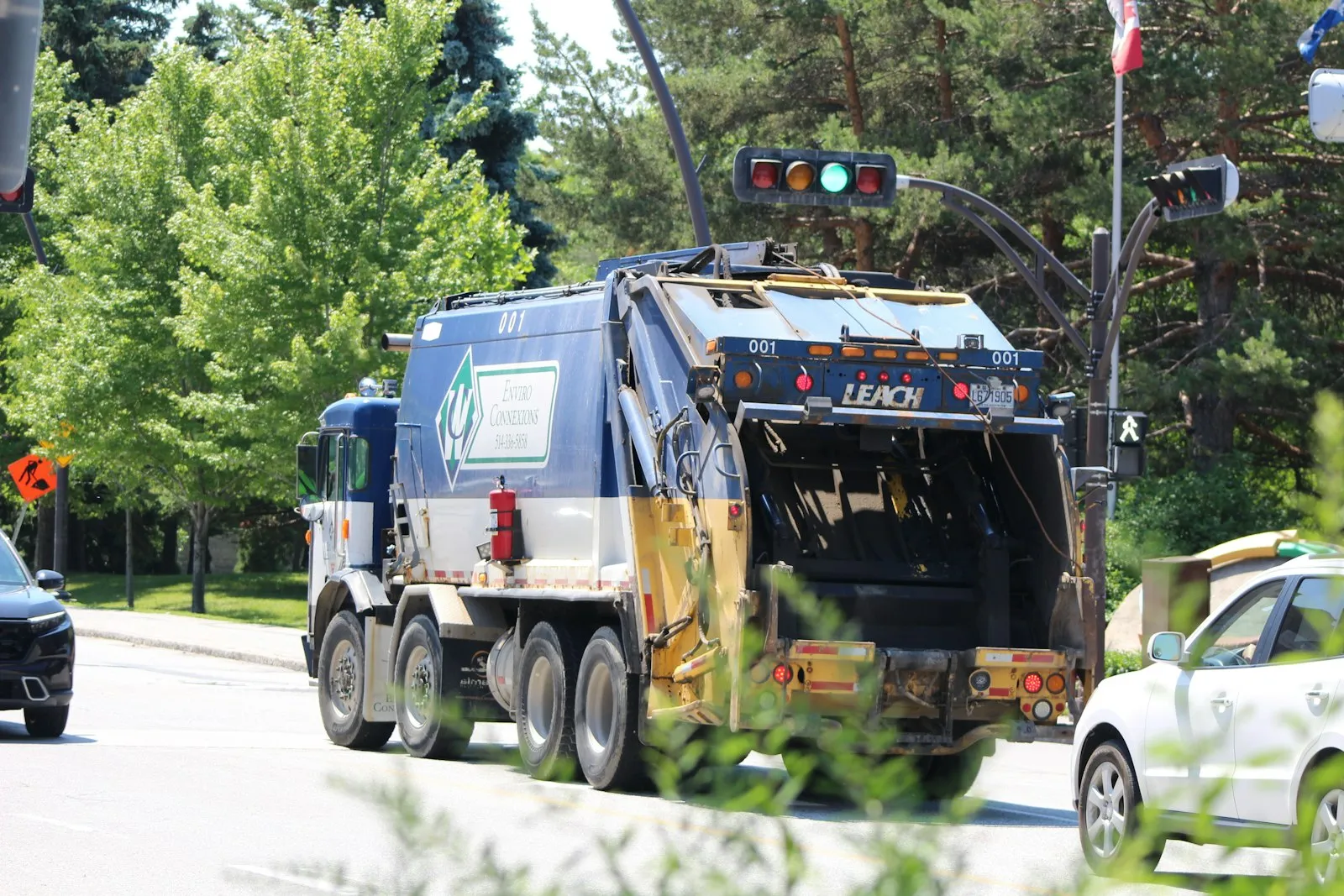
Bellerose sees both kinds of garbage trucks. The Department of Sanitation (DSNY) collects residential trash on the blocks around Braddock Avenue, 243rd Street and Hillside Avenue. The restaurants, delis and shops along Jamaica Avenue and Hillside generally pay private carting companies to haul their commercial waste, often in the early morning hours. The truck that hit you determines which playbook applies.
The First Question Every Adjuster Asks: Whose Truck Was It?
Before anyone thinks about your injuries, the claim gets routed. A DSNY truck means a claim against the City of New York. A private carter means a claim against a business and its commercial auto insurer. The rules, deadlines and personalities are very different.
| DSNY (city) garbage truck | Private carter truck | |
|---|---|---|
| Who you claim against | The City of New York | The carting company (and possibly others) |
| First deadline | Notice of Claim within 90 days | No-fault application within 30 days |
| Lawsuit deadline | 1 year and 90 days | Generally 3 years |
| Pre-suit step | 50-h examination (sworn testimony) | Adjuster investigation; maybe a recorded statement request |
| Who evaluates it | Comptroller’s office pre-suit; Law Department in litigation | Insurance adjuster, then defense counsel |
If you don’t know whose truck it was, photograph the cab door, the body, the license plate and any company name or license number painted on the vehicle. Private carters in New York City are licensed by the Business Integrity Commission and generally display identifying information on their trucks.
How the City Thinks About a DSNY Claim
The 90-day gate
Under General Municipal Law §50-e, a claim against the City for a sanitation truck crash generally requires a Notice of Claim served within 90 days. In New York City, these are filed with the NYC Comptroller’s office. The first thing the City’s side checks is whether your notice was timely and whether it describes the time, place and manner of the accident accurately. A notice that says “Hillside Avenue” when the crash was on a side street, or gets the date wrong, gives them an argument. Late notice can sometimes be excused by a court, but you do not want to be in that position.
The 50-h hearing: their first look at you
After the notice is filed, the City can demand a 50-h examination — sworn questioning about the accident and your injuries. Claims people treat it as an audition. They are measuring how credible you are, whether your account is consistent with the police report and the notice, and how you will come across to a Queens jury. Prepare for it the way you would prepare for trial testimony, because the transcript can follow you into the lawsuit.
The 1-year-and-90-day clock
If the claim is not resolved, the lawsuit against the City generally must be started within one year and 90 days of the accident. That is much shorter than the three years allowed under CPLR 214 for ordinary injury claims. City-side adjusters know that many people don’t realize this — and a missed deadline is the cheapest way to close a file.
The “work on the roadway” argument
New York’s Vehicle and Traffic Law gives some vehicles that are actively working on a roadway a degree of protection from ordinary negligence claims. Expect the City to look at exactly what the truck was doing when the crash happened. A truck traveling between routes is a different situation from one stopped mid-collection. These arguments are fact-specific, and the details of the truck’s activity — GPS, route sheets, crew statements — matter.
How a Commercial Insurer Thinks About a Private Carter Claim
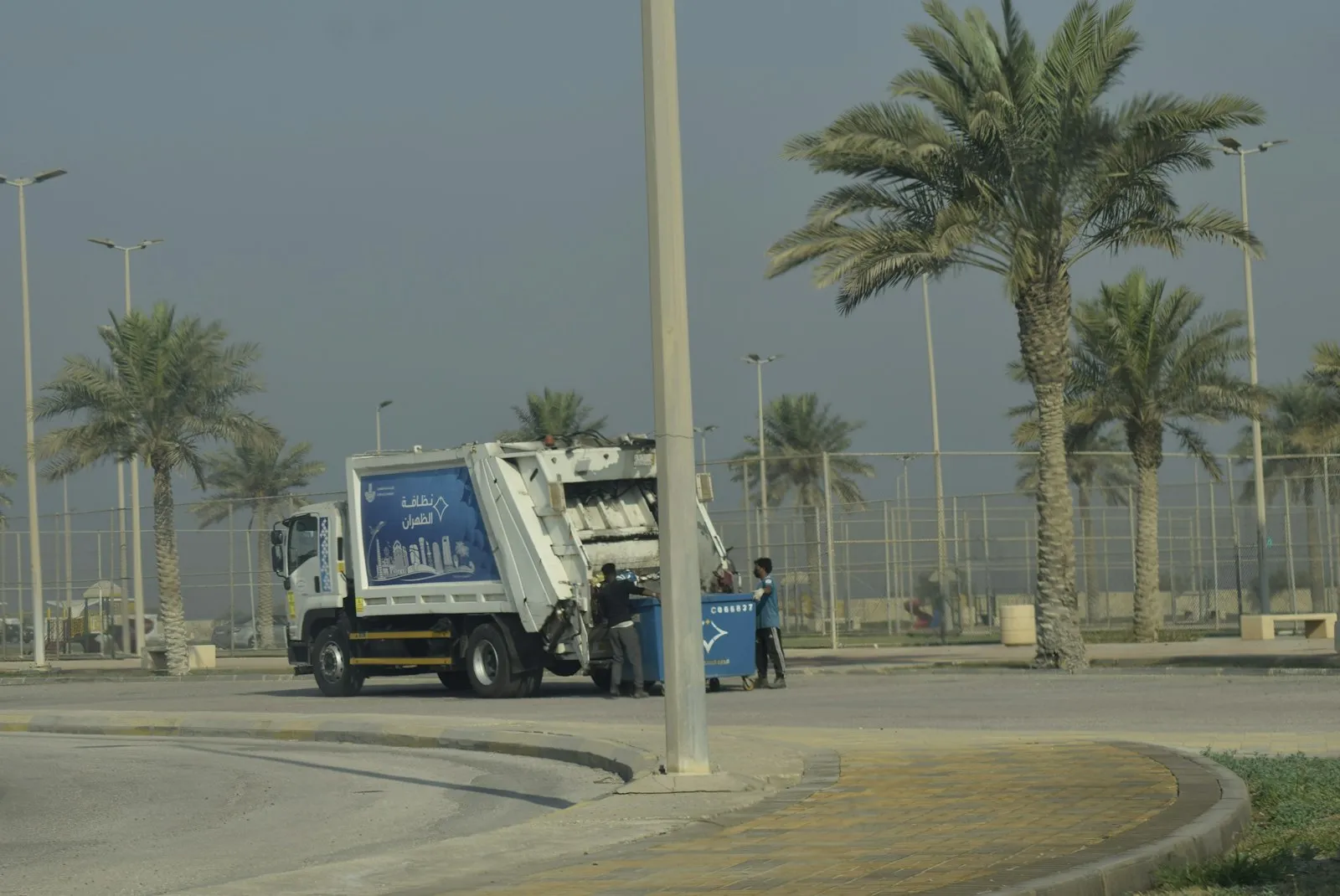
Private carting trucks are heavy commercial vehicles running tight overnight and early-morning schedules. That’s useful context for your claim, because schedule pressure can lead to speeding between stops, rolling through stop signs and backing without a spotter. The adjuster for the carter’s insurer knows all of that too. Here’s what they look at:
- Liability clarity. Is there video? A neutral witness? A police report that assigns fault? Clean liability raises the value of a claim; muddy liability gives them room to argue.
- The threshold. In a vehicle case, can you prove a “serious injury” under Insurance Law §5102(d)? If not, your claim may be limited to economic loss above no-fault.
- Treatment pattern. Prompt treatment, objective imaging and consistent follow-up read as real injury. Gaps read as “recovered.”
- Your share of fault. Every percentage point assigned to you reduces their exposure.
- Who else can pay. If a contractor, a property owner, or another driver shares fault, they’ll want to spread the cost.
- Policy limits. Commercial policies often carry higher limits than personal ones, and adjusters manage those limits carefully.
What the Adjuster Hopes You’ll Say
A friendly early call is standard practice on the private-carter side. The adjuster may ask to record your account “so we have it right.” Here is what they are listening for, and why it matters:
- “I’m feeling better.” Said politely, but it lands in the file as evidence your injury was minor.
- “I didn’t see the truck until the last second.” They will argue you weren’t paying attention.
- “I was in a hurry.” Your speed becomes the story instead of theirs.
- “I had a bad back before this.” A pre-existing condition can be aggravated — and that’s compensable — but the way you describe it matters.
- “Sure, I’ll sign that.” Broad medical authorizations let them dig through your entire history.
You don’t have to be rude. Give your contact information, note the adjuster’s name and claim number, and tell them your attorney will be in touch.
Fault, Thresholds and the 2026 Changes
Because garbage truck crashes on public roads are motor-vehicle cases, New York’s no-fault system applies. No-fault (PIP) pays reasonable medical bills and some lost earnings up to $50,000, regardless of fault, if you file the application within 30 days. To recover for pain and suffering, you must show a serious injury. Comparative fault reduces your recovery by your share of responsibility.
Update for 2026: New York’s motor-vehicle tort reform, signed in late May 2026, applies to motor-vehicle lawsuits filed on or after its effective date (not to death cases). Under amended CPLR 1411, a plaintiff more than 50% at fault recovers nothing. The 90/180-day serious-injury category was eliminated. Juries decide fault before serious injury. And pain-and-suffering is capped at $100,000 for plaintiffs who were driving uninsured, were convicted of impaired driving, or were committing a felony. Adjusters will push fault arguments harder under these rules — which makes early evidence even more valuable.
Common Garbage Truck Crash Patterns in Our Area
From an adjuster’s point of view, the crash type often predicts the fight. Here’s how the common patterns tend to play out:
- Backing collisions. Rear-loaders back down dead-end blocks and into alleys. The question becomes whether a spotter was used and whether backup alarms and cameras worked. Pedestrians, especially older residents and children, are most at risk.
- Right-turn squeezes. A garbage truck swinging right from Jamaica Avenue onto a side street can catch a cyclist or e-bike rider in its blind spot.
- Pulling out from the curb. After a stop, a truck rejoins traffic and sideswipes a passing car.
- Early-morning speed. Private carters racing between commercial stops before sunrise on Hillside Avenue or Union Turnpike.
- Debris and equipment. Falling waste, a swinging container arm, or a dumpster left in the travel lane.
Pedestrians hurt in these crashes should also read our Bellerose pedestrian accident guide, and anyone hit by a city bus rather than a sanitation truck faces many of the same Notice of Claim issues covered in our MTA bus accident article.
How We Push Back Against the Playbook
The best counter to an adjuster’s playbook is evidence they can’t argue with. In a garbage truck case, that typically means:
- Filing a precise Notice of Claim quickly in DSNY cases.
- Sending preservation demands for truck camera footage, GPS data and maintenance records.
- Canvassing for doorbell and storefront video on the block before it’s overwritten.
- Getting the police report from the NYPD’s 105th Precinct and any witness information.
- Checking driver records and, where relevant, federal safety rules published by the FMCSA.
- Building a clear medical record that addresses the serious-injury threshold directly.
Here’s a hypothetical. A Bellerose Manor pedestrian is crossing a side street at dawn when a private carting truck backs out of a commercial driveway without a spotter. She’s taken to Long Island Jewish Medical Center with a fractured wrist. A doorbell camera across the street captured the backing. That video, preserved within days, takes the “she walked behind a moving truck” argument off the table. It’s an illustration only — not a real client and not a prediction of any result.
Getting to Our Office from Bellerose
Our office is at 1 Cross Island Plaza, Suite 325, Rosedale, NY 11422. From Bellerose, take the Cross Island Parkway south toward the Belt; 1 Cross Island Plaza sits right off the Cross Island in Rosedale. Expect roughly 15–20 minutes depending on traffic. We’re open Monday through Friday, 9 to 6, and we’ll come to your home or hospital room, or meet by video, if travel isn’t possible.
Talk With a Garbage Truck Accident Lawyer in Bellerose
The adjuster has a playbook. You should have someone who knows it. Yakov Mushiyev & Associates, P.C. handles truck accident claims, including city-vehicle cases, and our Bellerose truck accident team knows the local roads and the 90-day rules. Consultations are free, there’s no fee unless we win, and we speak English, Russian and Spanish.
Call 718.775.3110 or reach us online to speak with a Garbage Truck Accident Lawyer in Bellerose before the Notice of Claim deadline passes.

Frequently Asked Questions
How do I know if the garbage truck that hit me was DSNY or a private carter?
DSNY trucks carry Department of Sanitation markings and City vehicle numbers. Private carters display their company name and license information. If you’re unsure, photos of the truck and the police report usually settle it. When in doubt, treat the 90-day Notice of Claim deadline as if it applies.
What happens if I missed the 90-day Notice of Claim deadline?
You may be able to ask a court for permission to file a late notice, but approval isn’t guaranteed and the request must be made within strict time limits. Call a lawyer immediately rather than waiting.
Does no-fault cover me if a garbage truck hit me while I was walking?
Generally yes. Pedestrians struck by a motor vehicle can receive no-fault benefits, either through their own household auto policy or the vehicle’s coverage. File the application within 30 days.
Which garbage trucks serve Bellerose businesses on Jamaica Avenue?
Commercial businesses in New York City generally contract with licensed private carters rather than relying on DSNY. That’s why early-morning crashes near Jamaica Avenue and Hillside Avenue storefronts often involve private trucks, while residential blocks see DSNY collection.
Should I accept the first offer from a carting company’s insurer?
Not before you understand the full extent of your injuries and every available source of recovery. Early offers often arrive before treatment is complete and usually require a release that ends the claim permanently.
This article is general information, not legal advice. Attorney Advertising. Prior results do not guarantee a similar outcome.