
Highway crashes leave a trail. Paint transfer on a quarter panel. A gouge in the asphalt where a wheel rim dug in. A few seconds of data locked inside an airbag control module. A dashcam in a car three lanes over. The problem is that most of that trail starts disappearing the moment the tow trucks clear the lanes. When you hire a highway accident lawyer in Bellerose, the job is to follow that trail before it goes cold. This article takes an investigator’s view of what happens after a collision on the Cross Island Parkway, the Grand Central Parkway or Jericho Turnpike, and what evidence tends to decide who pays.
Yakov Mushiyev & Associates, P.C. is a personal injury firm at 1 Cross Island Plaza in Rosedale, right off the same parkway many Bellerose drivers use every day. Consultations are free and there’s no fee unless we win.
The Roads in Question
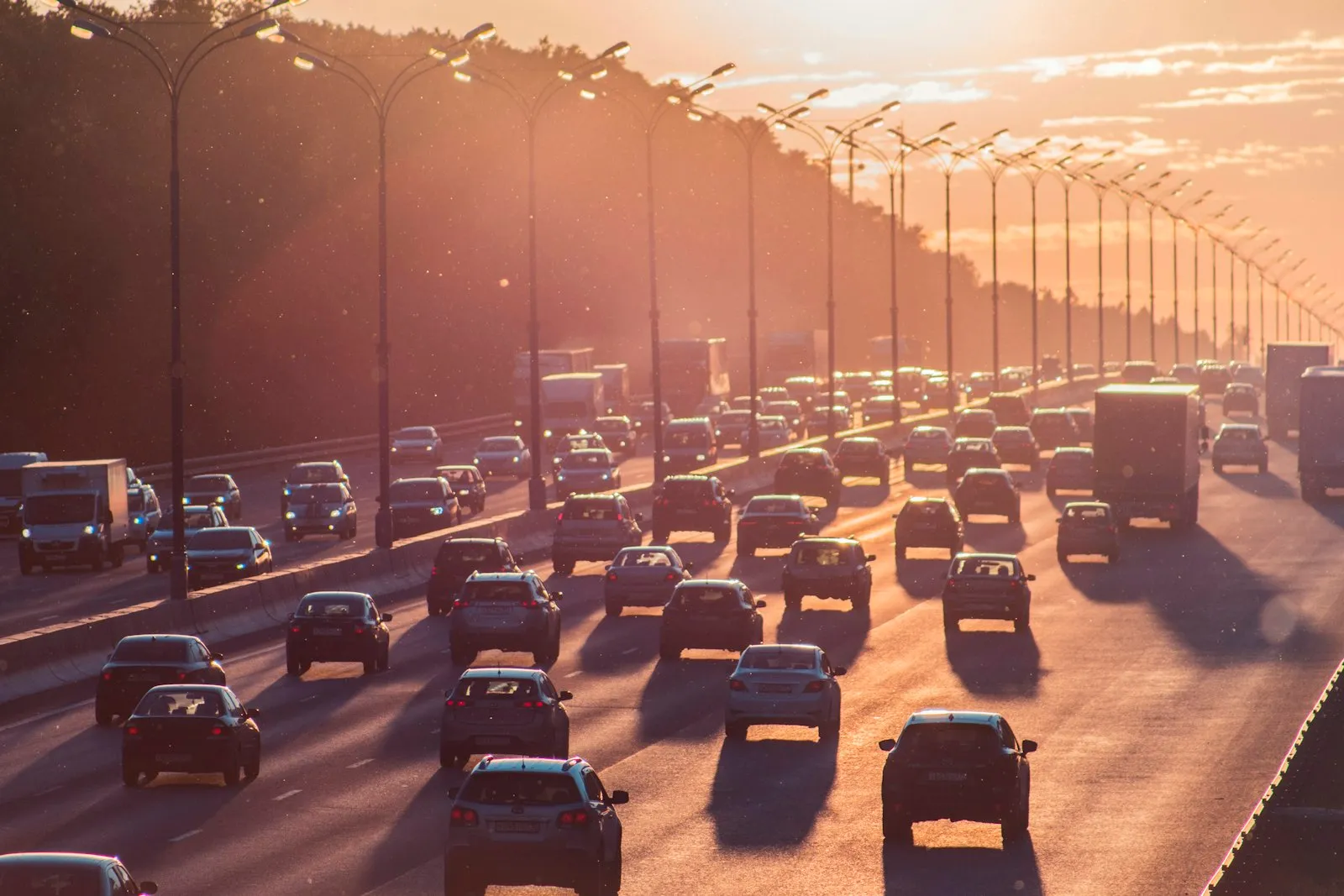
Bellerose sits in a dense knot of high-speed roads. The Cross Island Parkway runs along the eastern edge of Queens and connects to the Belt Parkway system to the south. The Grand Central Parkway crosses nearby, and the interchange between the two is close to the neighborhood. Jamaica Avenue becomes Jericho Turnpike once it crosses into Nassau, and Hillside Avenue and Union Turnpike carry heavy commuter traffic at near-highway speeds during off-peak hours.
Each road has a different crash profile. Parkways have short merge lanes, tight curves on older ramps and stop-and-go waves at rush hour. Commercial vehicles are generally barred from New York City parkways, so a box truck or tractor-trailer on a parkway is itself a fact worth investigating. Arterials like Jericho Turnpike mix high speeds with driveways, turning traffic and pedestrians.
Case File: The Crash Patterns We Investigate
| Pattern | What usually happened | First question we ask |
|---|---|---|
| Chain-reaction rear-end | A slowdown wave; one driver was following too closely or looking at a phone | Who started the chain, and who was hit twice? |
| Unsafe lane change | A driver cut across lanes near an exit or merge | Was a signal used, and where was the blind spot? |
| Merge collision | A driver entering from a ramp failed to yield, or a through driver refused to make room | How long is the merge lane, and what does video show? |
| High-speed loss of control | Speeding, wet roads, worn tires or impairment | What does the event data recorder say about speed and braking? |
| Disabled-vehicle strike | A car stalled in a travel lane or on a narrow shoulder | Were hazards on, and how visible was the stalled car? |
| Hit-and-run | A driver left the scene | What cameras, debris or paint can identify the vehicle? |
| Road-defect crash | Potholes, missing barriers, debris, poor work-zone setup | Which agency or contractor controlled that stretch? |
Multi-car crashes are the hardest to untangle, because each driver’s insurer points at someone else. Our sibling guide on rear-end collisions in Bellerose goes deeper on how following-distance cases are argued.
Evidence With an Expiration Date
Think of a highway crash investigation as a race against several clocks. Here’s what we chase, and why speed matters.
1. Video
Dashcams are now common in rideshare cars, delivery vans and commuter vehicles. Businesses along Jericho Turnpike and Hillside Avenue may have exterior cameras facing the road. Don’t assume a traffic camera recorded anything; many cameras exist for live monitoring, and private systems often overwrite footage within days. A preservation letter sent early is often the difference between proof and a dispute.
2. Vehicle data
Most modern passenger cars contain an event data recorder that can capture speed, brake application, throttle position and seat-belt status in the seconds before a crash. If the vehicle is declared a total loss and sold at auction, that data may leave with it. We act quickly to request that vehicles be preserved and to arrange downloads when appropriate.
3. Phone records
A large share of highway collisions involve a driver looking down. New York bans handheld phone use and texting while driving under VTL §1225-d and the related §1225-c. Phone records are not handed over automatically; they usually require a formal request or subpoena during litigation. When distraction is suspected, see our distracted driving guide.
4. Physical evidence
Scrape marks, debris fields, tire marks and final resting positions are documented in police photos, if they were taken, and in your own photos. Once the road is swept and reopened, that layer is gone forever.
5. People
Witnesses on a highway rarely stay. They pull over, call 911 and leave. The 911 call records, the names in the police report and any tow operator or first responder notes can help us find them again.
Reading the Police Report Like an Investigator
Serious parkway crashes in the city may be handled by NYPD units including the Highway Patrol, and the most serious ones can draw the Collision Investigation Squad. Lower-severity crashes near Bellerose often fall to the 105th Precinct. Either way, the report is a starting point, not a verdict. We look for:
- Which vehicle is listed as “Vehicle 1” and why
- The officer’s diagram and whether it matches the damage on the cars
- Contributing factors checked on the report, such as unsafe lane changing or driver inattention
- Whether any driver was ticketed or arrested
- Witness names and contact information
- Any note of a vehicle leaving the scene
Errors happen. An officer arriving after the fact may record one driver’s version as if it were fact. That’s why the other evidence on this list matters.
Who Can Be Held Responsible
Highway crashes frequently involve more than one potentially responsible party. Following the evidence often leads to:
- The negligent driver who sped, tailgated, changed lanes unsafely or drove impaired.
- An employer when the driver was working, such as a delivery or service driver.
- A commercial carrier when a truck is involved; federal rules on hours of service and maintenance enforced by the FMCSA may apply. See our Bellerose truck accident guide.
- A bar or restaurant that unlawfully served a visibly intoxicated driver, under New York’s Dram Shop Act.
- A government agency or contractor responsible for a dangerous road condition or work zone.
- MVAIC, the Motor Vehicle Accident Indemnification Corporation, when the at-fault driver was uninsured or fled.
Leaving the scene of a crash involving injury is a crime under VTL §600. If you were the victim of a highway hit-and-run, notice requirements for MVAIC are strict, so call early.
Insurance Layers and the Serious Injury Gate
No-fault insurance under New York law pays medical bills and a portion of lost earnings up to the basic $50,000, regardless of fault, if you file within 30 days. For pain and suffering, you must meet the serious injury threshold in Insurance Law §5102(d). High-speed highway crashes often produce fractures, spinal injuries and head trauma that meet it, but the medical documentation still needs to be thorough.
Update for 2026: Tort reform signed in late May 2026 applies to motor-vehicle lawsuits filed on or after that date (excluding death cases). Plaintiffs more than 50% at fault (more than the defendants) can no longer recover under amended CPLR 1411(b). The 90/180-day serious injury category is gone. Juries decide fault before serious injury. And pain and suffering is capped at $100,000 for plaintiffs who were driving uninsured, were convicted of impaired driving, or were committing a felony. In multi-car highway crashes, where fault is spread among several drivers, these changes make the fault investigation more important than ever.
Fault allocation itself is governed by CPLR 1411. In a three- or four-car chain reaction, a jury may divide fault among several drivers, and every percentage point matters.
A Hypothetical Reconstruction
Here’s a hypothetical to show the method. It is not a real case. A Bellerose commuter is southbound on the Cross Island Parkway at rush hour. Traffic slows suddenly near an interchange. The car behind her stops in time; the SUV behind that car doesn’t, pushing the middle car into her. The SUV driver claims the middle car “cut in.”
- A dashcam from a rideshare car in the next lane shows the middle car had been in its lane for several seconds.
- The SUV’s event data shows it was traveling well above traffic speed with no braking until about a second before impact.
- The SUV driver’s phone records, obtained later in litigation, show activity in the moments before the crash.
- The commuter’s MRI documents a disc herniation, and her doctors measure significant limitation of motion months later.
In this hypothetical, the fault picture is clear because the evidence was preserved within days. Without the dashcam, the “cut in” story might have muddied things for months.
What You Can Do Right Now
- Get medical care and follow through with treatment.
- Save your own photos, dashcam footage and any messages with the other driver.
- Write down the time, direction, lane and exit nearest the crash.
- Keep your damaged car available until it can be inspected, if possible.
- File your no-fault application within 30 days.
- Don’t give a recorded statement to another driver’s insurer before talking to a lawyer.
You can also review our Bellerose car accident page, our main personal injury practice or the Bellerose hub. If you were riding a motorcycle, see our motorcycle accident page; motorcyclists are excluded from no-fault PIP, which changes the strategy.
Getting to Our Office from Bellerose
Our office is at 1 Cross Island Plaza, Suite 325, Rosedale, NY 11422, open Monday to Friday, 9 to 6. From Bellerose, take the Cross Island Parkway south toward the Belt. 1 Cross Island Plaza sits right off the Cross Island in Rosedale, roughly 15 to 20 minutes depending on traffic. If you’re not ready to get back on the highway after a crash, we understand completely. We meet clients at home, in the hospital or by video, in English, Russian and Spanish.
Start the Investigation Before the Trail Goes Cold
Every day after a highway crash, a little more evidence disappears. A highway accident lawyer in Bellerose at our firm can send preservation requests, track down footage and data, and handle the insurers while you recover. Call 718.775.3110 or contact us online for a free consultation.
Frequently Asked Questions
How long do I have to sue after a crash on the Cross Island Parkway?
Most injury lawsuits against private drivers in New York must be filed within three years under CPLR 214. If a government agency may be responsible, for example for a road defect or a city vehicle, a notice of claim may be due within 90 days, and claims against the State itself go to the Court of Claims with its own short deadlines.
Who is at fault in a chain-reaction crash?
Often the driver who first failed to stop in time, but not always. Fault can be shared among several drivers depending on following distance, speed, distraction and whether any car was pushed into another. Video and vehicle data are usually the best tools for sorting it out.
What if the driver who hit me on the highway drove off?
Report it to police right away. If the driver is never identified, you may be able to make a claim through your own uninsured motorist coverage or MVAIC, both of which have strict notice requirements. Your own no-fault benefits still apply to medical bills.
Which hospital is near Bellerose after a highway crash?
Long Island Jewish Medical Center in New Hyde Park, right on the Queens–Nassau line, is a major trauma hospital near Bellerose. EMS will decide where to take you based on your injuries.
Can I get the event data from my own car?
Often yes, but downloading it properly takes special equipment, and the vehicle must be preserved first. If your car is about to be totaled and sold, tell your lawyer right away so the data can be saved.
This article is general information, not legal advice. Attorney Advertising. Prior results do not guarantee a similar outcome.