
Your phone is the best witness you have after a Lyft crash in Astoria. It knows when the ride started, which car picked you up, who was driving, the route the car took and when the trip ended. The catch? Some of that information is easy to lose if you do not save it, and a cracked screen, a factory reset or a deleted account can wipe out the details an insurer will ask for later. This guide walks through exactly what to screenshot, what to write down, and what to leave alone, with a few Astoria-specific tips along the way.
We are Yakov Mushiyev & Associates, P.C., a Queens personal injury firm. If you would rather talk it through, call 718.775.3110; phone intake is open 24/7, consultations are free, and we speak English, Russian and Spanish.
Why the App Matters More Than You Think
In New York City, every Lyft car is a TLC-licensed for-hire vehicle. The driver holds a TLC driver license, the car has TLC plates, and it carries commercial for-hire insurance. That insurance is what pays your no-fault benefits if you were a passenger, and the claim goes to the insurer of the car you were riding in. To file it, you need to prove you were in that particular car at that particular moment. The app is how you do it.
The app also shows where the trip began, and that turns out to matter. A ride that starts in Astoria falls under the Taxi & Limousine Commission insurance minimums. A ride that starts in Nassau falls under the state rideshare rules instead. Your pickup address on the receipt settles that question in one glance.

The Screenshot Checklist
Grab these as soon as you are safe. It takes about two minutes, and it can save weeks of back-and-forth with an adjuster.
- The ride receipt. Open your ride history, tap the trip, and capture the full receipt, scrolling if you need to.
- The trip ID. It is the reference number insurers and Lyft will use to find your ride.
- Driver name and plate. Screenshot them exactly as the app shows them. Then compare the plate to the car in front of you and photograph the real plate too.
- The route map. The line on the map, with start and end times, shows where the car was and when.
- Messages with the driver. “I’m on the other side of the street” can matter later if the crash happened during the pickup.
- Your safety report. Report the crash in the app, then screenshot the confirmation.
- Your own phone clock. A quick screenshot of your lock screen time-stamps the moment.
Pro tip: email the screenshots to yourself or save them to cloud storage the same day. If the phone breaks, the proof survives.
What not to do
- Do not delete the Lyft app or close your account, even if you are done with rideshares for a while.
- Do not post about the crash on social media. Insurers read it.
- Do not rate the driver in anger or write a long review about fault. Keep it short or skip it.
- Do not give a recorded statement about fault to another driver’s insurer before getting advice.
Build a simple crash folder
Screenshots are only useful if you can find them later. Make one album or folder on your phone named for the date of the crash, and drop everything into it. Then keep adding as the weeks go by:
- Photos of the cars, the street and your injuries, including follow-up photos as bruises change
- The police incident or report number, if you were given one
- Names and numbers of witnesses and of the businesses whose cameras faced the street
- Every claim number, adjuster name and letter from an insurer
- Doctor visit summaries, pharmacy receipts and notes about missed work
A short daily note about pain, sleep and what you could not do is surprisingly helpful too. Months later, it is much easier to read a note than to remember.
Not a Passenger? Screenshot Anyway
Pedestrians, cyclists and other drivers do not have a receipt, but the Lyft trip record still exists. What you need is enough to identify it later:
- A photo of the TLC plate and the regular plate
- A photo of any Lyft sticker or trade dress on the windshield
- The driver’s name and TLC license details, if the driver shares them
- A note of whether a passenger was in the car
Why the last one? The driver’s status at the moment of the crash (app off, waiting for a request, heading to a pickup, or carrying a rider) is part of the trip record, and insurers will look at it. If you were walking or biking, your no-fault claim generally goes to the vehicle that struck you, so identifying that car correctly is step one.
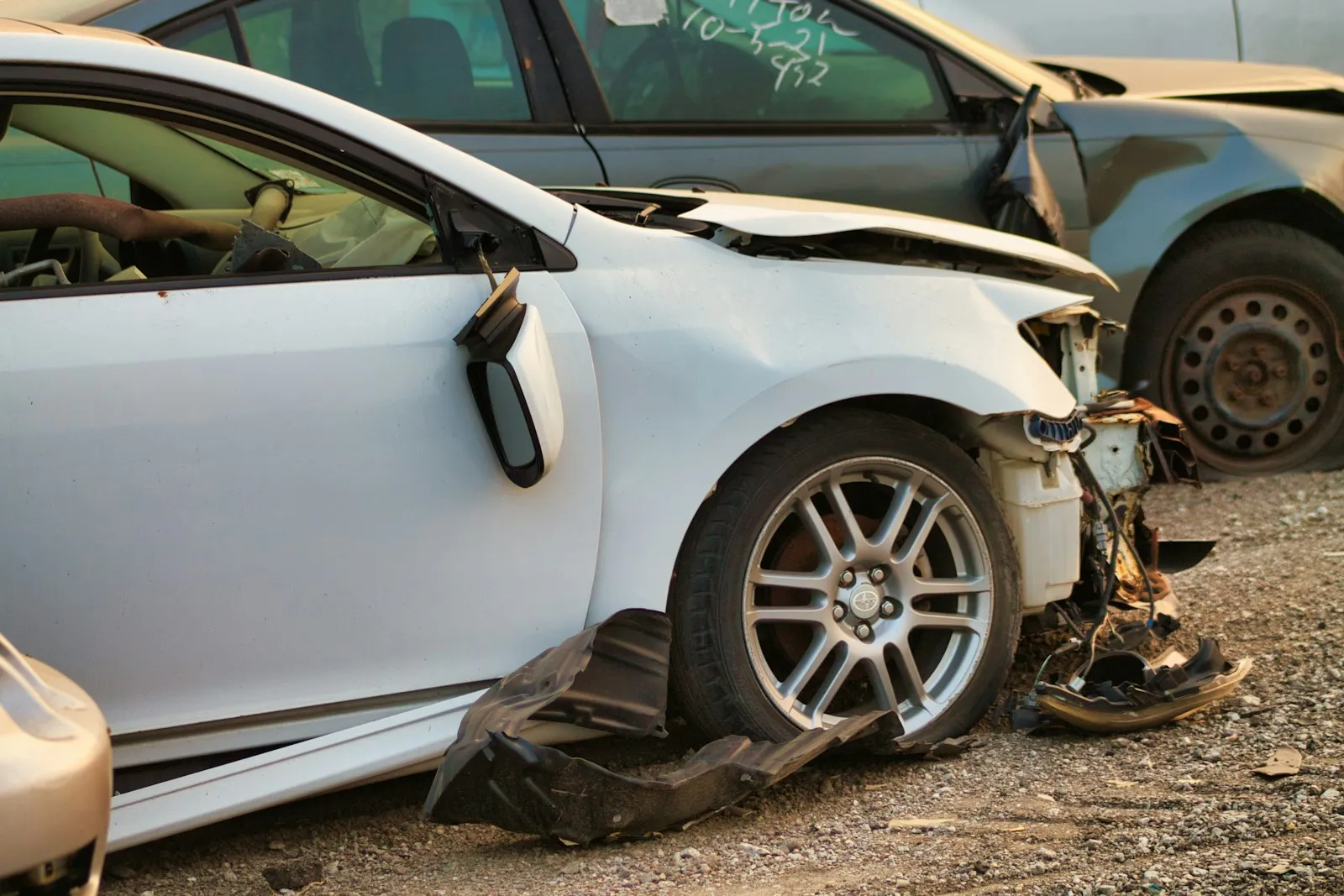
A Hypothetical Astoria Example
This is a hypothetical scenario for illustration only, not a real client or case. Imagine a rider requests a Lyft outside a deli on 30th Avenue after dinner. The car stops in the travel lane, the rider opens the street-side door, and a passing car clips it. The rider’s wrist hurts by morning.
In this hypothetical, the screenshots do the heavy lifting. The receipt shows the trip started on 30th Avenue, so TLC rules apply. The trip ID and plate identify the Lyft car, which points the no-fault claim to its commercial insurer. The messages show the driver said “hop in here,” which helps explain why the car stopped where it did. Without those screenshots, the rider would be reconstructing all of that from memory.

The Clock Starts at the Curb
Screenshots help you prove your claim; deadlines decide whether you get to make it. Keep these in view:
| Deadline | What it is for |
|---|---|
| 30 days | No-fault application to the right insurer |
| 90 days | Notice of claim if a City or MTA vehicle was involved |
| 2 years | Wrongful death action (pecuniary damages only) |
| 3 years | Personal injury lawsuit |
No-fault, under Insurance Law § 5102, pays medical bills and lost earnings regardless of fault. For TLC vehicles like Lyft cars, the required PIP is $100,000 per person for crashes on or after March 1, 2026, reduced from the earlier requirement. To learn more about how auto coverage works in New York, the Department of Financial Services has consumer guides. Pain and suffering is a separate claim that requires a “serious injury,” and for lawsuits filed on or after May 26, 2026, anyone found more at fault than the defendants recovers nothing. Passengers are rarely blamed, but pedestrians and cyclists often are, which is another reason those early photos matter.
For the full picture on who pays, the 2026 changes and how we handle these cases, see our Lyft accident lawyer Astoria page. Hurt in a yellow or green cab instead? Our Astoria taxi accident page covers that.
Astoria Park and the Museum of the Moving Image: Ride Tips
Astoria Park is the neighborhood’s big backyard on the East River, framed by the RFK Bridge and the arched Hell Gate railroad bridge. Summer brings swimmers to the huge outdoor pool, runners to the track, and picnickers to the lawns along Shore Boulevard. A short ride away, the Museum of the Moving Image on 35th Avenue, next to Kaufman Astoria Studios, draws movie fans for exhibits and screenings.
Both spots create the same Lyft rush: lots of riders, one curb. Some practical tips:
- At the park, drivers often drop off on Shore Boulevard or nearby side streets and turn around on tight blocks. Walk to a corner with a clear view before crossing.
- Leaving the pool, set your pickup pin a block inland, away from the crowd, so the driver can pull fully to the curb.
- At the museum, screenings let out at once and several cars may stop on 35th Avenue together. Confirm the plate before you step off the sidewalk.
- Everywhere, exit on the curb side and look back for bikes first.
Lyft App and Accident FAQs
What if my phone died and I could not screenshot anything?
Charge it and check your ride history as soon as you can. Past trips normally stay in your history, and your emailed receipt may also be in your inbox. A lawyer can also request the trip records.
Is reporting the crash in the app enough?
No. Report it to the police too. If you were driving a car involved in an injury crash, you may also need to file form MV-104 with the New York DMV.
Which insurer gets my no-fault application?
As a passenger, the insurer of the Lyft car you were in. As a pedestrian or cyclist, the insurer of the vehicle that hit you. Either way, file within 30 days.
How much coverage does a Lyft car carry in NYC?
The TLC minimums for for-hire cars with fewer than eight seats are $100,000 per person and $300,000 per occurrence in liability. Lyft may carry additional coverage above the TLC minimums on some trips; whether it applies, and how much, has to be confirmed from the insurer and the trip record.
I drive for Lyft. Do I screenshot the same things?
Yes, plus your driver-app status at the time of the crash. Work injuries for NYC app-based drivers generally go through the New York Black Car Fund, separate from any passenger’s claim.
Does it cost anything to have a lawyer look at my screenshots?
No. The case review is free, and we work on a no-fee-unless-we-win basis.
Getting Around Astoria: Local FAQs
Where does the N/W train end in Astoria?
At Astoria–Ditmars Boulevard, the northern end of the line. The elevated tracks run above 31st Street with stops at 36th Avenue, Broadway, 30th Avenue and Astoria Boulevard along the way.
Which subway serves Steinway Street?
The M and R, which also stop at 46th Street along Broadway.
Is LaGuardia close to Astoria?
Yes. Many airport rides head out along Astoria Boulevard and the Grand Central Parkway, so give yourself extra time at rush hour.
Where is the nearest hospital?
Mount Sinai Queens is on 30th Avenue. In an emergency, call 911 and let EMS decide where to take you.
What is just east of Astoria?
Jackson Heights and East Elmhurst, with Woodside to the southeast and Long Island City to the south. If your ride crashed in Jackson Heights, see our Jackson Heights Lyft accident page.
Which court handles Astoria injury cases?
Astoria is in Queens County, so lawsuits are typically filed in the Supreme Court of the State of New York, Queens County.

Send Us Your Screenshots for a Free Review
Got your receipt, plate photo and trip ID? Great. Call 718.775.3110 or contact us online and we will tell you what they mean for your claim. We can meet at your home in Astoria, at the hospital, or by video, and our office is at 1 Cross Island Plaza, Suite 325, Rosedale, NY 11422 (Monday through Friday, 9 to 6). Prefer to read more first? Browse our car accident practice page, the FAQ page, or all of our Astoria accident resources.

Attorney Advertising. This is general information about New York law, not legal advice, and reading it does not create an attorney-client relationship. Every case depends on its own facts. Prior results do not guarantee a similar outcome.