
Ten minutes after a crash, your phone is the best investigator on the scene. It already knows which Lyft car you were in, who was driving, where the ride began and when. The trouble is that most people never look. They close the app, take a taxi home, and weeks later an adjuster asks for proof they no longer have. This guide is about a Lyft accident in Corona, Queens, and one narrow job: turning what is on your phone into an evidence file that holds up. It is not a replacement for medical care or for a lawyer, but it is the part only you can do in the first hours.
If you are already past that stage and want to know who pays, how the 2026 law changes work and how we handle these cases, our Lyft accident lawyer Corona page covers the full picture. Here, we stay with the evidence.
Why the App Record Carries So Much Weight
In New York City, a Lyft car is a TLC-licensed for-hire vehicle. The driver holds a license from the Taxi and Limousine Commission, the car carries TLC plates and commercial for-hire insurance, and the trip runs through Lyft’s system. That system creates a paper trail a street hail never does.
Three facts in an injury claim often come straight from that trail:
- That you were a passenger. No-fault benefits for a passenger generally come from the insurer of the vehicle you were in. Proving you were in that car, on that trip, is step one.
- Where the trip started. A ride that starts in New York City runs under TLC insurance minimums. The state rideshare rules, which require $1.25 million in liability coverage while a passenger is aboard, apply only to trips starting outside the city, such as a ride from Valley Stream in Nassau.
- What the driver was doing. App off, waiting for a request, en route to a pickup, or carrying a passenger. That status can change which coverage responds.
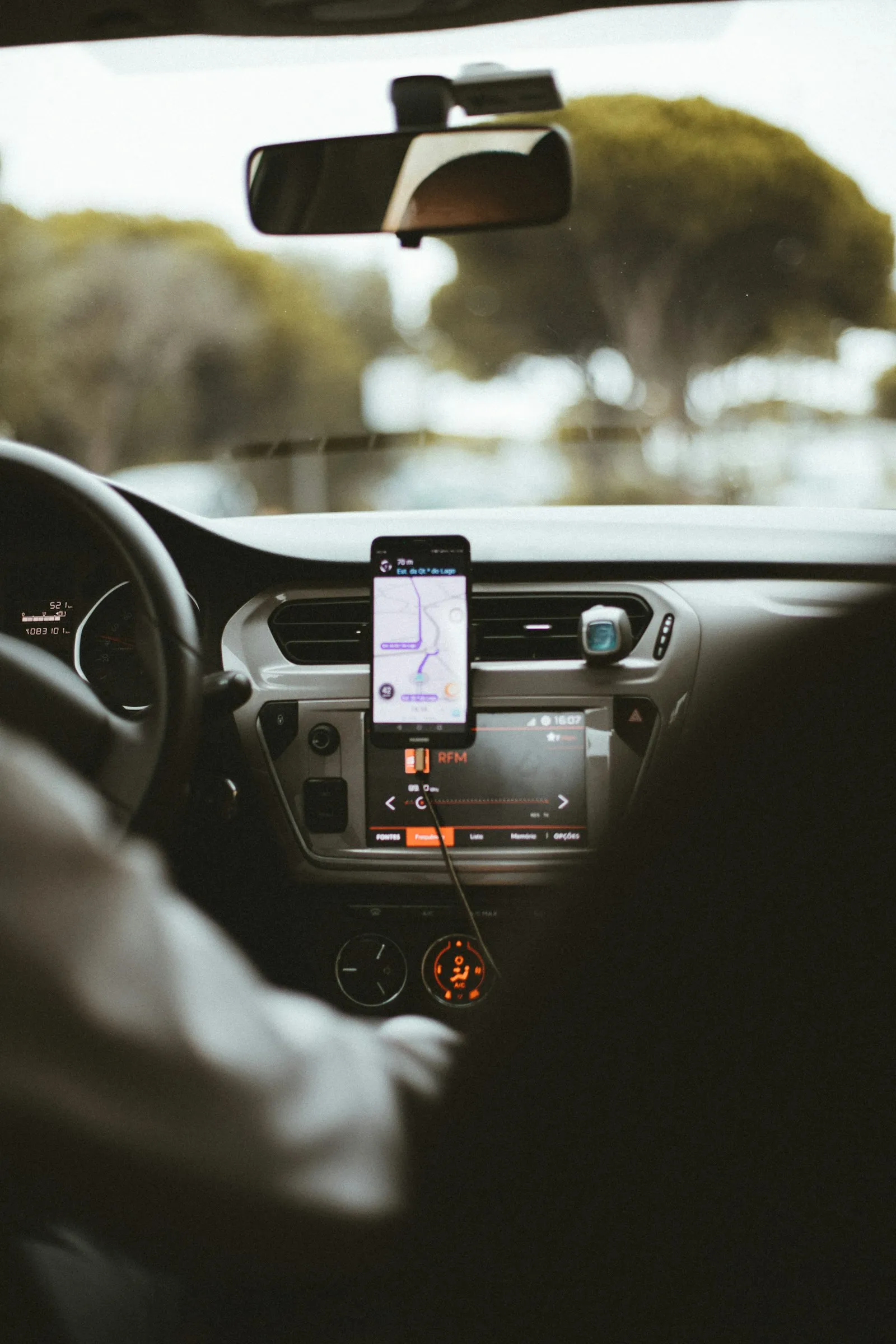
The Screenshot Checklist
Work through this list as soon as you are safe and any urgent medical need is handled. Screenshots are better than memory, and a screenshot saved to your photo library is better than a screen you plan to come back to.
| Capture this | Where to find it | Why it matters |
|---|---|---|
| Ride receipt | Your ride history in the Lyft app | Shows the trip happened and that you paid for it |
| Trip ID | Ride details or receipt | Lets insurers and lawyers request the exact trip record |
| Driver name and plate | Ride details | Ties the trip to a specific car and its insurer |
| Start and end time, and route map | Ride details | Places the crash in time and on the map |
| Pickup address | Ride details | Confirms the trip started in New York City |
| Your safety report | Lyft’s in-app help or safety tools | Shows you reported the crash promptly |
Report the crash in the Lyft app as well as to police. Lyft’s safety page explains its in-app tools. Then do one thing that sounds too simple to matter: do not delete the app, and do not let your account lapse. The record in your account is the one you control.
A screenshot taken the same day is evidence. A description written a month later is a story. Insurers treat the two very differently.
Beyond the app: your camera roll
- Wide shots of the street, showing signals, lane markings and the cars’ final positions.
- Close-ups of damage to every vehicle, including the Lyft car’s TLC plate.
- Your visible injuries that day, and again over the following days.
- Store or building cameras that face the spot. You cannot pull the footage yourself, but a photo of the camera tells a lawyer where to send a request.
- A short voice memo of what you remember, recorded while it is fresh.
Get the police report number too. Drivers may also need to file an MV-104 accident report; the New York DMV explains when.
A Hypothetical Case File, Walked Through
The following is a hypothetical example, not a real client or case. Imagine a rider who requests a Lyft from a friend’s apartment near Junction Boulevard to a dinner in Flushing. On the way, along the edge of the park, another car runs a light and strikes the Lyft. The rider’s shoulder hurts. Here is how the phone builds the file.
- Minute one: she screenshots the ride details screen, showing the driver’s name, plate and the live route.
- Minute five: she photographs both cars and the signal, and gets the other driver’s insurance card in a photo.
- That evening: the receipt appears in her ride history with the trip ID and start time. She saves it, then files a safety report in the app.
- Next day: she sees a doctor and photographs the bruising.
- Within 30 days: her no-fault application goes to the insurer of the Lyft car she was riding in.
Notice what she did not do. She did not delete the app, argue about fault at the scene, or post photos online. She also did not wait for the pain to “settle” before seeing a doctor, which would have left a gap for an insurer to point to.
In this hypothetical, the receipt proves she was a passenger, the pickup address shows the trip began in Queens, and the photos point to the other driver as the cause. Nobody has to take her word for any of it.
The Unisphere and the Park: Where Pickup Pins Pile Up
The Unisphere, the steel globe from the 1964–65 World’s Fair, sits at the heart of Flushing Meadows Corona Park and draws visitors for photos, picnics and a walk to the Queens Museum next door. The park also holds the New York Hall of Science, the Queens Zoo and the USTA Billie Jean King National Tennis Center, with Citi Field beside it. All of that means a lot of people requesting rides from a small number of curbs.

For evidence purposes, the park creates a few recurring situations:
- Pins dropped inside the park. Drivers then stop wherever they can on 111th Street or near the museums. Screenshot the pin location; it can show why the car was stopped where it was.
- Crowds leaving games and matches. Riders near the Mets–Willets Point stop walk between moving cars to find their driver. If you were hit on foot, note which car you were looking for and when your app showed it arriving.
- Fast merges. The Grand Central Parkway, Long Island Expressway and Van Wyck wrap the park. A route map that shows the car on a ramp at the crash time is useful context.
How the Evidence Meets the Law
Screenshots are only useful because of what the law asks you to prove. A short map:
- No-fault. Under Insurance Law § 5102, no-fault pays medical bills, lost earnings and other basic economic loss regardless of fault. For TLC vehicles, including Lyft cars, the PIP minimum is $100,000 per person since March 1, 2026. The application is due within 30 days of the crash. Your receipt proves which car’s insurer to send it to.
- Serious injury. Pain and suffering requires one of eight serious-injury categories, such as a fracture or a significant limitation of use of a body function or system. Photos and prompt medical visits support this.
- Fault. For motor-vehicle lawsuits started on or after May 26, 2026, a claimant more at fault than the defendants recovers nothing, and one at 50% or less has the award reduced. Passengers rarely face this; pedestrians and cyclists often do. Scene photos are the answer.
- Time. Most injury lawsuits must be filed within 3 years. If a city or MTA vehicle was involved, a notice of claim is due within 90 days.
On coverage beyond the TLC minimums: Lyft may carry additional coverage on some trips. Whether it applies, and how much, has to be confirmed from the insurer and the trip record. That is one more reason the trip ID matters.
Mistakes That Erase Evidence
- Deleting the Lyft app or closing the account.
- Rating the ride and moving on without saving the receipt.
- Posting about the crash on social media before talking to a lawyer.
- Waiting to see a doctor “until it gets worse.”
- Giving a recorded statement to another driver’s insurer before you understand your claim.
Lyft Accident FAQs: The Evidence Edition
I lost my phone in the crash. Is the trip record gone?
Not necessarily. The trip lives in your Lyft account, so logging in on another device may bring back your ride history. A lawyer can also request the trip record through the insurers.
The driver asked me to cancel the ride after the crash. Should I?
Be cautious. Do not change the trip in a way that could muddy the record. Screenshot everything first and report the crash in the app.
I wasn’t a passenger; a Lyft car hit my bike. What should I capture?
The car’s TLC plate, the driver’s name if offered, photos of the scene and your bike, and witness contacts. You generally claim no-fault from the vehicle that struck you.
How fast must I file for no-fault?
Within 30 days of the accident. Passengers file with the insurer of the Lyft car they were riding in.
I’m the Lyft driver. Does this apply to me?
Save the same records. Your own work injuries are generally handled through the New York Black Car Fund, which is separate from passenger claims.
Does a screenshot guarantee my claim succeeds?
No. It proves facts; it does not prove injury or fault on its own. Medical records and scene evidence do that work. More answers are on our FAQ page.
About Corona: Local FAQs
Can I reach the Unisphere by subway?
Yes. The 7 train stops at 111 St and Mets–Willets Point, both within walking distance of the park.
What major roads border Corona?
Roosevelt Avenue runs under the 7 line, Junction Boulevard crosses the neighborhood, and Northern Boulevard marks its north edge. The Grand Central Parkway, Long Island Expressway and Van Wyck surround the park.
Which hospital serves Corona?
NYC Health + Hospitals/Elmhurst is next door in Elmhurst. In an emergency, call 911.
Which neighborhoods are next to Corona?
Elmhurst, Jackson Heights and East Elmhurst, with Flushing across the park. We also cover Lyft accidents in Jackson Heights.
Where would a Corona lawsuit be filed?
Corona is in Queens County, so cases are typically filed in Queens County Supreme Court in Jamaica. See nycourts.gov for court information.
Hand Us the Screenshots
Once you have saved what you can, let us do the rest: preservation requests, insurer contact, medical documentation and every deadline. Call 718.775.3110 for a free case review or use our contact form. Hurt in a yellow or green cab instead? See our Corona taxi accident page. For other crash types, visit our car accident practice page or our Corona accident lawyer hub.

Yakov Mushiyev & Associates, P.C., 1 Cross Island Plaza, Suite 325, Rosedale, NY 11422. Monday to Friday, 9 to 6; phones answered 24/7. We meet clients at home, in the hospital or by video, in English, Russian or Spanish. No fee unless we win.
Attorney Advertising. This is general information about New York law, not legal advice, and reading it does not create an attorney-client relationship. Laws change, and every case depends on its own facts. Prior results do not guarantee a similar outcome.