
Let’s skip the lecture. You already know a car driver turning left on Woodhaven Boulevard is going to look right through you. You already know the Queens Boulevard service road turns into a parking lot at rush hour and that somebody is going to swing a door open without looking. You ride anyway, because a bike is the fastest way across Queens and because you love it.
What most riders don’t know until after a crash is how differently New York treats them once the bike is on the ground. Car drivers in a Rego Park fender-bender get their medical bills paid by no-fault insurance within weeks. You probably won’t. That is the coverage gap, and it is why motorcycle claims need a different game plan from day one.
This is a straight-talk guide for riders hurt in Rego Park, Forest Hills, Elmhurst and the surrounding stretch of central Queens. If you’d rather just talk, call Yakov Mushiyev & Associates, P.C. at 718.775.3110.

The Roads You Actually Ride
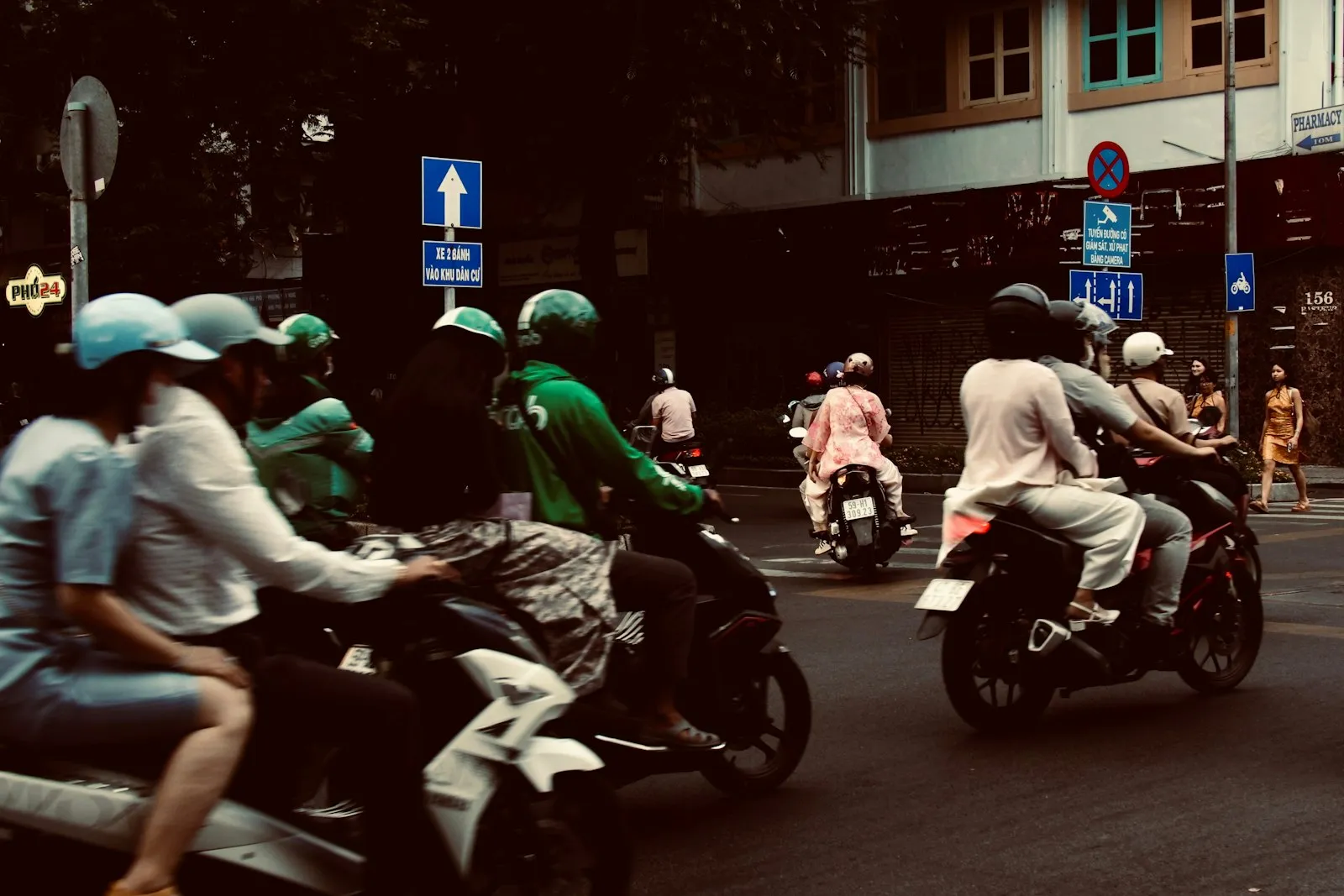
Rego Park is small on the map, but it sits where three of Queens’ hardest-riding corridors meet.
Queens Boulevard
The redesign put in bike lanes and wider medians, which helped pedestrians a lot. For riders it means more merges and tighter service roads. The trouble spots are the same ones every rider in the neighborhood knows: drivers cutting from the main line to the service road without signaling near 63rd Drive, cars pulling out of the curb lane around Rego Center, and doors opening into traffic on the service road.
Woodhaven Boulevard
Woodhaven is wide, fast and full of buses. Select Bus Service lanes, left-turn bays and long signal cycles create the setup for the single most common serious motorcycle crash in America: a driver turning left across your lane because they misjudged your speed or never saw you at all.
The Long Island Expressway and Horace Harding service roads
The LIE runs along the north edge of Rego Park. Riders get hurt here in merges, sudden slowdowns and in the on-ramp and exit-ramp traffic feeding the service roads. Expressway crashes often involve commercial vehicles; if a truck was involved, read our page on truck accidents in Rego Park as well.
The Coverage Gap, Explained in Plain English
Here is the part every New York rider should know.
New York’s no-fault law pays the first $50,000 of medical bills and lost wages for people hurt in car crashes, no matter who caused it. But the law’s definition of “motor vehicle” in Insurance Law § 5102(f) specifically excludes motorcycles. The practical result: if you are riding a motorcycle and get hit, you generally can’t collect no-fault benefits, either from your own policy or from the car that hit you.
So who pays for the ambulance, the ER at Elmhurst, the orthopedic surgeon and the months of physical therapy?
- Your health insurance, at first. It will usually want to be paid back from any settlement, which is called a lien.
- Optional medical payments coverage on your motorcycle policy, if you bought it. Pull your declarations page and check.
- The at-fault driver’s liability insurance, through a claim or lawsuit, which takes longer but is where the real compensation comes from.
- Your own uninsured/underinsured motorist coverage (SUM), if the driver had no insurance or not enough.
The Flip Side: Why Riders Can Sometimes Be in a Stronger Position
The same exclusion that leaves riders without no-fault benefits has a silver lining. Car occupants have to prove a “serious injury” under § 5102(d) before they can sue for pain and suffering. Because a motorcyclist is generally not a “covered person” under the no-fault law, New York courts have generally held that the serious-injury threshold does not block a rider’s claim against the driver who hit them.
That matters more than ever in 2026. The state budget signed in late May 2026 removed the old “90/180-day” category from the serious-injury definition, making it harder for car occupants with soft-tissue injuries to bring a case. For an injured rider, the fight is usually about fault and damages, not a threshold.
The 2026 Fault Rule and What It Means for You
The same 2026 legislation added subdivision (b) to CPLR § 1411. In personal injury actions governed by the no-fault article of the Insurance Law, a claimant who is more at fault than the defendant now recovers nothing. Before, New York let you recover a share of your damages even if you were mostly at fault.
Because motorcycle claims sit partly outside the no-fault system, how this new bar applies to an injured rider is something insurers and courts are still working through. Assume the insurance company will argue it applies to you. That makes the fault fight, which was always the main event in a motorcycle case, even more important.
Expect to hear some version of these:
| What the insurer says | What actually decides it |
|---|---|
| “The rider was speeding.” | Crash reconstruction, video, skid and impact evidence, and witness statements |
| “He was lane splitting.” | Where the bike was, what lane, and whether the driver changed lanes into it. New York does not allow passing in the same lane as the vehicle being overtaken (VTL § 1252), but a driver who merges into a rider is still at fault for the merge |
| “No helmet, so the head injury is his fault.” | Whether a helmet was worn, whether it was compliant and whether it would have changed the injury |
| “The driver never saw him.” | That is an admission, not a defense. Drivers have a duty to see what is there to be seen |

Helmets, Gear and the Law
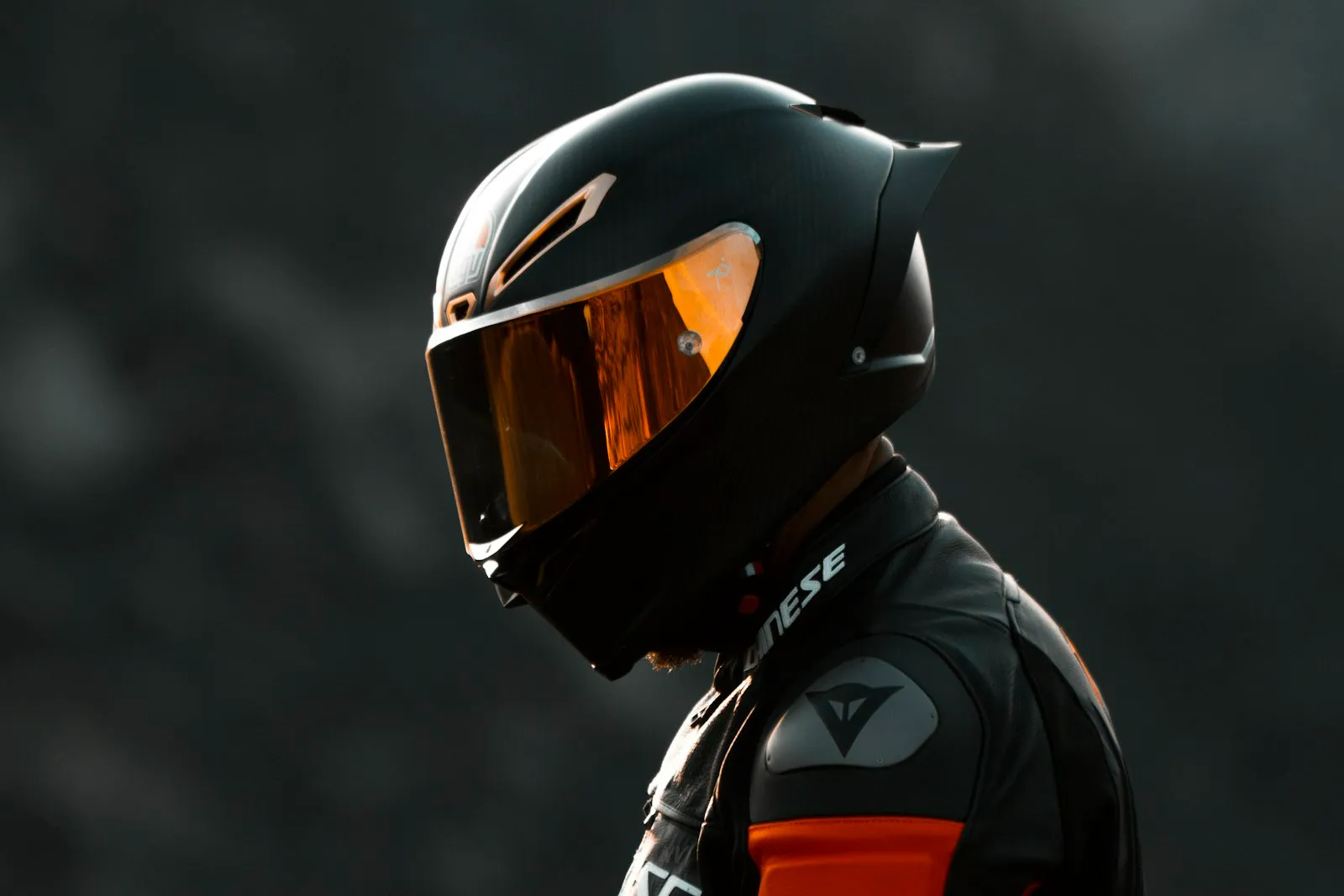
Vehicle and Traffic Law § 381 requires both the operator and any passenger to wear a helmet that meets federal DOT standards. The New York DMV Motorcycle Manual covers helmet and eye-protection requirements in detail.
After a crash, do not throw out your helmet, jacket, gloves or boots. Bag them and keep them. Damage to your gear shows where and how hard you hit, which helps prove both how the crash happened and how badly you were hurt. A cracked helmet is also powerful evidence against the argument that you weren’t wearing one.
What to Do in the First 72 Hours
- Get medical care and say you were on a motorcycle. Tell every provider you were the rider. It changes how bills get routed, since no-fault will likely not apply.
- Get the 112th Precinct report number. Rego Park and Forest Hills are covered by the NYPD’s 112th Precinct.
- Photograph the scene, the car and the bike, including the other vehicle’s plate, damage and the position of everything before it’s moved, if you can safely do it or have someone do it for you.
- Do not let the bike be repaired, sold or scrapped. Tell your insurer and the tow yard in writing that the bike must be preserved for inspection.
- Find cameras. Storefront cameras along Queens Boulevard and Woodhaven Boulevard, bus cameras and dashcams can make or break a left-turn case, and many overwrite in days.
- Say as little as possible to the other driver’s insurer. Give them your contact and insurance details, not a recorded statement.
- Pull your own policy. Look for medical payments coverage and SUM limits on the declarations page.
Deadlines for Rego Park Motorcycle Claims
| Deadline | What it covers |
|---|---|
| 90 days | Notice of claim if a city vehicle, MTA bus or city road defect was involved (General Municipal Law § 50-e) |
| 1 year and 90 days | Lawsuit against the city or a public authority (General Municipal Law § 50-i) |
| 2 years | Wrongful death lawsuit (EPTL § 5-4.1) |
| 3 years | Personal injury lawsuit against a private driver or owner (CPLR § 214) |
If a rider did not survive a crash, the family’s options are explained in our guide to wrongful death claims in Queens.
What a Motorcycle Claim Is Worth
Riders tend to have worse injuries than car occupants: fractures, road rash that needs skin grafts, shoulder and knee damage, and traumatic brain injuries even through a helmet. The damages in a well-built case typically include:
- Past and future medical bills, including any amount your health insurer will claim back
- Lost wages and lost earning capacity, which is big for riders who work in trades, delivery or anything physical
- Pain and suffering, scarring and loss of enjoyment of life, including not being able to ride
- Damage to the bike and your gear
We don’t value claims off a chart. We build them off your medical records, your work history and what your life looked like before the crash.
Why Riders Call Our Firm
Yakov Mushiyev & Associates, P.C. is a Queens personal injury firm, and we handle motorcycle accident claims across the borough, including the neighboring Forest Hills corridor. Our Rego Park page lists every type of accident we handle in the neighborhood.
If your crash also involved a pedestrian or cyclist, our Rego Park pedestrian accident guide and Rego Park bicycle accident guide cover their side of the law.

The Ride From Rego Park to Our Rosedale Office
We’re at 1 Cross Island Plaza, Suite 325, Rosedale, NY 11422. If you’re riding or being driven, the usual route is south on the Van Wyck Expressway to the Belt Parkway east. If you’re off the bike for a while, the M or R train connects at Forest Hills–71st Avenue to the E or F to Jamaica, and the LIRR runs from Jamaica to Rosedale. Not up for the trip yet? Call first and ask about a phone or video consultation.
Open turn-by-turn directions in Google Maps · 1 Cross Island Plaza, Suite 325, Rosedale, NY 11422 · 718.775.3110
Rider FAQs
Will my own motorcycle insurance pay my medical bills?
Not through no-fault, because New York excludes motorcycles from the no-fault definition of a motor vehicle. It may pay through optional medical payments coverage if you bought it, and your SUM coverage may apply if the at-fault driver is uninsured or underinsured.
What if my passenger was hurt?
Passengers on motorcycles are also generally outside the no-fault system. A passenger may have claims against the other driver and, depending on the facts, against the rider. Those claims may involve different insurance policies, so each person should get advice on their own claim.
I wasn’t wearing a helmet. Do I still have a case?
Possibly. Not wearing a helmet is a violation of VTL § 381, and the defense will argue it made your injuries worse. But it has nothing to do with who caused the crash, and it doesn’t apply to injuries a helmet wouldn’t have prevented, like a broken leg.
Can I still sue if I was partly at fault?
Your damages can be reduced by your share of fault, and under the 2026 change to CPLR § 1411 insurers will argue that a rider more than 50 percent at fault recovers nothing. This is exactly why early evidence matters.
How long do I have?
Generally three years for a personal injury lawsuit against a private driver. If a city vehicle, an MTA bus or a road defect was involved, a notice of claim is usually due within 90 days.
Talk to a Queens Motorcycle Accident Lawyer
Hurt riding in Rego Park? Call Yakov Mushiyev & Associates, P.C. at 718.775.3110, any time, or message us here.
General information, not legal advice. Attorney Advertising. Prior results do not guarantee a similar outcome.