
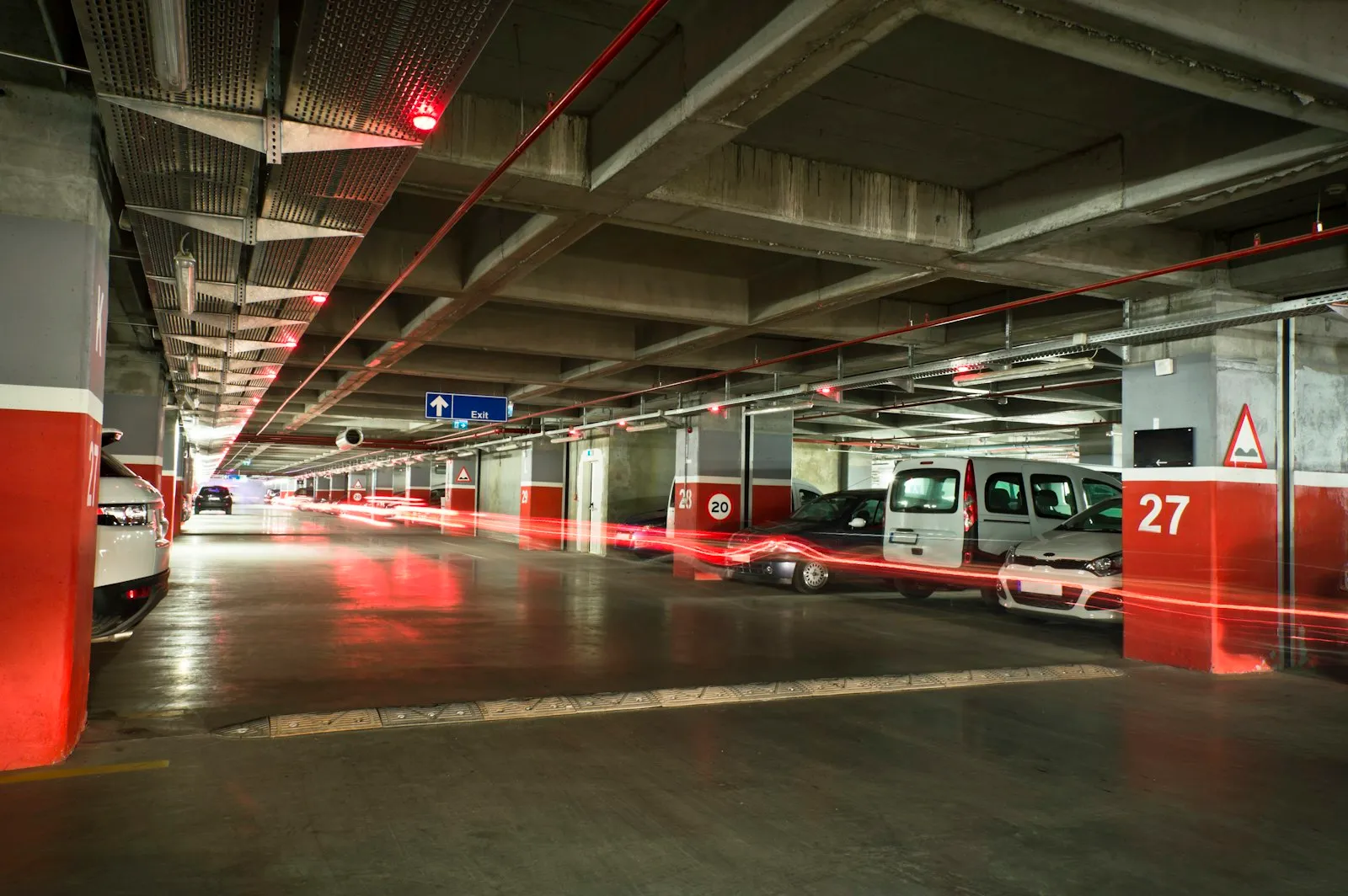
A parking garage concentrates a lot of risk into a small, dim, concrete space: cars climbing and descending tight ramps, drivers hunting for spots instead of watching for people, pedestrians walking between pillars to stairwells and elevators, oil and water on smooth floors, and sometimes poor lighting or broken security. If you were hurt in one, a Parking Garage Accident Lawyer in Bellerose can help you figure out a question that is surprisingly complicated: under which body of law does your case actually fall, and who pays?
This explainer lays out the law and the practical data points that drive garage cases in New York, with comparison tables that show how a garage claim differs from an ordinary street crash or open-lot fall. Whether it happened in a medical-center structure near the Queens–Nassau line, a commercial garage off Hillside Avenue, or a building garage elsewhere in eastern Queens, the framework is the same.
The four kinds of garage injury cases
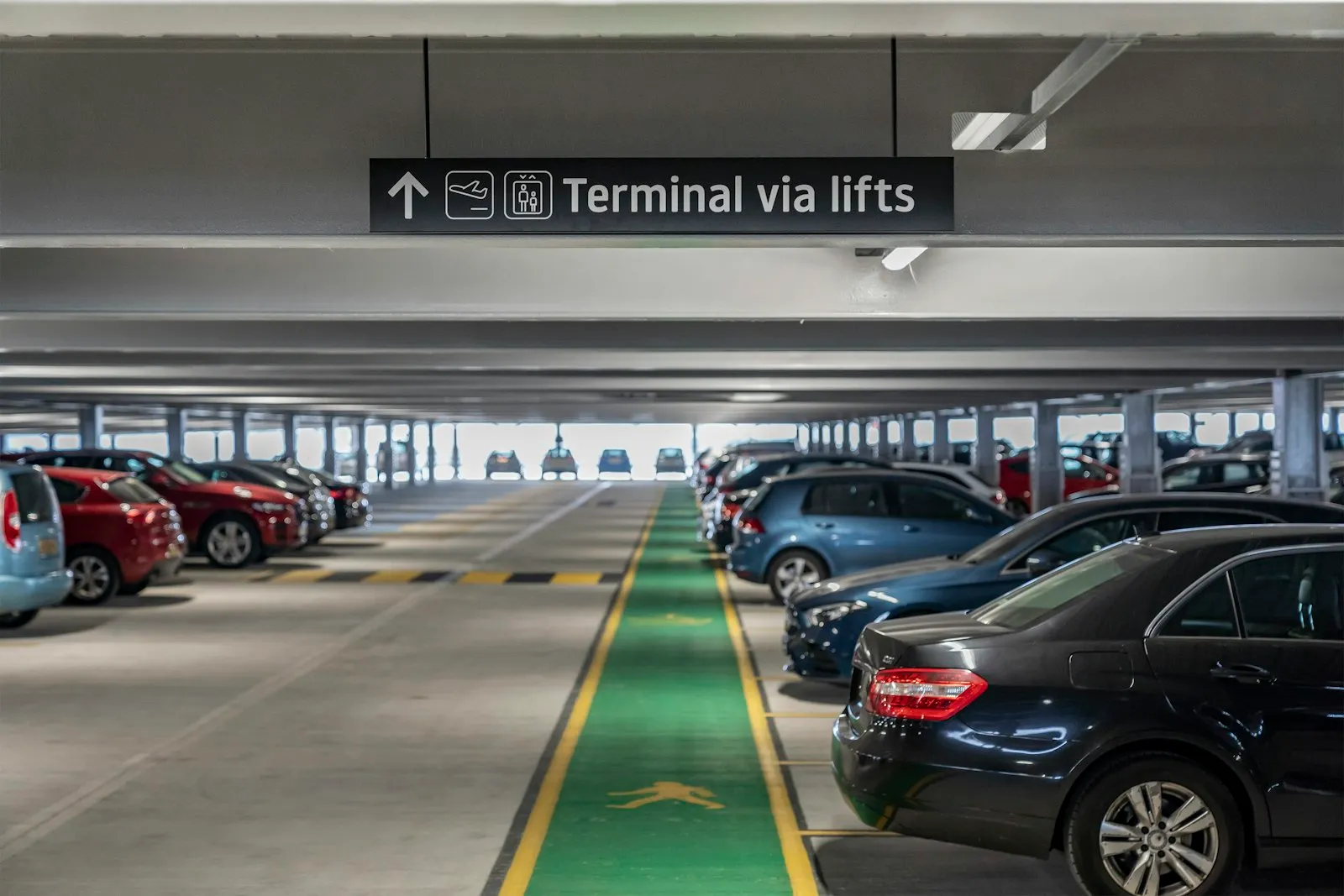
Nearly every parking garage claim falls into one of four categories, and often more than one at once:
- Vehicle-on-vehicle crashes on ramps, at blind corners, or between cars backing out of spaces.
- Vehicle-on-pedestrian crashes, usually a driver reversing or turning a corner and striking someone walking to a stairwell, elevator, pay station or their own car.
- Premises hazards: slippery floors from oil, water or tracked-in snow, potholes and broken expansion joints, poorly marked level changes, broken lighting, falling concrete, malfunctioning gate arms and elevators.
- Negligent security: assaults or robberies in a garage where the owner or operator knew or should have known of the risk and failed to take reasonable steps like working lights, locks, cameras or patrols.
Each category triggers different rules about insurance, fault and evidence, which is why the first job of a lawyer in a garage case is classification.
Comparison table: garage vs. street vs. open lot
| Issue | Street crash | Open parking lot | Parking garage |
|---|---|---|---|
| Main insurance for injuries | Driver’s no-fault PIP, then liability | Same, plus property owner’s liability policy for hazards | Same, plus owner, operator, valet and security contractors’ policies |
| Premises liability in play? | Rarely (except roadway defects) | Often | Very often |
| Typical hidden defendants | City (roadway), contractors | Owner, manager, snow-removal contractor | Owner, separate garage operator, valet company, security firm, elevator or gate contractor |
| Key video sources | Traffic and doorbell cameras | Store cameras | Garage CCTV, gate and pay-station cameras, license-plate readers |
| Lighting as an issue | Sometimes | Often at night | Constantly, day or night |
| Structural issues | Potholes | Potholes, curbs | Spalling concrete, drainage, expansion joints, falling debris |
That last column is the point: a garage case almost always has more potential defendants and more potential evidence than a comparable street crash, and much of it is controlled by private companies that are under no obligation to keep it unless asked.
The law, piece by piece
No-fault for anything involving a moving car
If your injury arose from the use or operation of a motor vehicle, even inside a private garage, New York’s no-fault system applies. Under Insurance Law §5102, no-fault (personal injury protection) pays reasonable medical expenses and a share of lost earnings regardless of fault, with basic coverage of $50,000. The application generally must be filed within 30 days.
To go beyond no-fault and recover pain-and-suffering damages from a negligent driver, you must meet the “serious injury” threshold in §5102(d), which includes fractures, significant disfigurement, and permanent or significant limitations of body functions.
Premises liability for the garage itself
When the garage’s condition causes an injury, like a fall on an oil slick, a trip over a broken wheel stop, or being struck by a gate arm, the claim runs against whoever owns, operates, manages or maintains the property. The basic questions are whether a dangerous condition existed, whether the defendant created it or knew or should have known about it in time to fix it, and whether it caused your injury.
Owners and operators are often different companies. A building may own the structure while a parking company runs the garage under a lease or management agreement, and the contract between them can determine who was responsible for cleaning, lighting and repairs. Getting those agreements in discovery is routine in serious garage cases.
Structural safety rules in New York City
New York City requires periodic structural inspections of parking structures through the Department of Buildings. Inspection reports, repair notices and violations can be strong evidence that an owner knew about deteriorating concrete or other defects. If you were hurt by falling debris or a structural defect, those records are among the first things to request.
Comparative fault: which rule applies
| Type of claim | Fault rule | Effect of your own fault |
|---|---|---|
| Premises claim (fall, gate arm, falling concrete, negligent security) | Pure comparative fault, CPLR 1411 | Recovery reduced by your percentage; never barred |
| Motor-vehicle claim filed before late May 2026 | Pure comparative fault | Recovery reduced by your percentage |
| Motor-vehicle claim filed on or after late May 2026 | Modified comparative fault, CPLR 1411(b) | No recovery if your fault exceeds 50% |
Update for 2026: New York’s motor-vehicle tort reform, signed in late May 2026 and applying to motor-vehicle lawsuits filed on or after that date (not death cases), changed several rules. A plaintiff more than 50% at fault can no longer recover. The 90/180-day serious-injury category was eliminated. Juries now decide fault before serious injury. And there is a $100,000 cap on pain and suffering for plaintiffs who were driving uninsured, convicted of impaired driving or committing a felony. Garage cases involving cars are affected; pure premises cases are not.
Deadlines at a glance
| Claim | Deadline | Source |
|---|---|---|
| No-fault application | 30 days | NY no-fault regulations |
| Personal injury lawsuit (private defendant) | 3 years | CPLR 214 |
| Claim involving a City-owned garage or City vehicle | Notice of Claim in 90 days; suit in 1 year and 90 days | GML §50-e |
| Wrongful death | 2 years from death | EPTL 5-4.1 |
Municipal garages exist in New York City and in Nassau communities. If there is any chance a public entity owns or operates the structure, treat the 90-day Notice of Claim deadline as controlling until confirmed otherwise.
The evidence that wins garage cases
Garages are full of data, but most of it disappears on a schedule. Here’s what we look for:
- CCTV footage from ramps, levels, elevators, stairwells and exits. Many systems overwrite on a short cycle.
- Gate and pay-station records that show entry and exit times, ticket numbers and sometimes license plates, which can identify a driver who fled.
- Incident reports written by garage attendants or security staff.
- Cleaning and inspection logs showing when a level was last checked for spills or debris.
- Lighting maintenance records and work orders for burned-out fixtures.
- Prior complaints and prior incidents, which matter especially in negligent-security claims.
- Structural inspection reports, violations and repair contracts.
- Contracts among the owner, operator, valet company and security contractor, which allocate responsibility and insurance.
- Your own evidence: photos of the spot, the lighting, warning signs or the lack of them, your shoes, and your injuries over time.
Common injuries and why they’re often serious
Garage injuries skew severe for simple physical reasons. Pedestrians struck by a turning or reversing vehicle often fall onto hard concrete, producing hip, wrist and shoulder fractures and head injuries. Falls on oil-slick ramps cause knee, ankle and spine injuries. Falling concrete can cause head trauma. Assault victims may suffer both physical injuries and lasting psychological harm.
For people in Bellerose, Long Island Jewish Medical Center in New Hyde Park is the nearby trauma hospital. Whatever the injury, prompt, consistent treatment matters, both for recovery and because insurers comb medical records for gaps.
A hypothetical to tie it together
Here’s a hypothetical, not a real case: a woman parks on the third level of a commercial garage, walks toward the elevator, and is struck by a driver backing out quickly. The level has two burned-out lights, and the elevator lobby camera faces away from the lane.
Her claim may include no-fault benefits through the driver’s insurer, a negligence claim against the driver if her injuries meet the serious-injury threshold, and a premises claim against the garage owner or operator if poor lighting contributed. The operator’s lighting work orders, the camera positions, the driver’s exit time from the gate system and the garage’s incident report all become central evidence. One accident, three potential sources of recovery.
How a Parking Garage Accident Lawyer in Bellerose builds the case
At Yakov Mushiyev & Associates, P.C., garage cases start with fast preservation: written demands to the owner, operator and any security or valet company to keep footage, logs and reports. From there we identify every insurance policy, keep your no-fault claim on track, gather structural and maintenance records, and work with your doctors to document your injuries. When insurers won’t be reasonable, we file suit, typically in Queens County Supreme Court at 88-11 Sutphin Boulevard in Jamaica, for incidents in Queens.
Related reading: our Bellerose parking lot accident guide, our Bellerose pedestrian accident guide, our premises liability practice page, and our Queens slip and fall lawyer page. For an overview of our neighborhood practice, visit the Bellerose personal injury lawyer page.
Getting to our office from Bellerose
We’re at 1 Cross Island Plaza, Suite 325, Rosedale, NY 11422, open Monday to Friday, 9 to 6. From Bellerose, take the Cross Island Parkway south toward the Belt Parkway. 1 Cross Island Plaza sits right off the Cross Island in Rosedale, and the drive usually takes about 15 to 20 minutes, depending on traffic. If you can’t travel, we’ll meet you at home, at the hospital or by video.
Frequently Asked Questions
Is a parking garage accident covered by no-fault insurance?
If your injury arose from the use or operation of a car, yes, even in a private garage. No-fault pays medical bills and part of lost wages regardless of fault, with basic coverage of $50,000. File the no-fault application within 30 days.
Who is liable if I slip on oil in a parking garage?
Potentially the garage owner, the company operating the garage, or a cleaning or maintenance contractor, depending on who was responsible for that area and whether they knew or should have known about the spill. Contracts among those companies often determine responsibility.
Can I sue a garage if I was assaulted there?
Possibly. Under negligent-security principles, an owner or operator may be liable if a crime was reasonably foreseeable, for example because of prior incidents, and they failed to take reasonable precautions such as adequate lighting, working locks or cameras. These cases depend heavily on prior-incident records.
Are there parking garages near Bellerose where these accidents happen?
Bellerose itself is mostly residential with street and surface-lot parking, but residents regularly use parking structures at medical centers, shopping destinations and transit hubs across eastern Queens and western Nassau. Wherever the garage is located, the rules depend on who owns and operates it and whether a public entity is involved.
How fast do I need to contact a lawyer after a garage accident?
As soon as you can. Garage video and gate records may be overwritten within days or weeks, and if a public entity owns the garage, the Notice of Claim deadline is 90 days. Early preservation letters protect evidence that is otherwise easy to lose.
Free consultation
If you were hurt in a garage, talk with a Parking Garage Accident Lawyer in Bellerose about your options. Consultations are free, there’s no fee unless we win, and we speak English, Russian and Spanish. Call 718.775.3110 or contact us online. You can also read our FAQ page.
This article is general information, not legal advice. Attorney Advertising. Prior results do not guarantee a similar outcome.