
More than a million people ride the subway through Queens every weekday, on the 7, E, F, M, R, G, J, Z and A lines. Most trips end without a scratch. When one doesn’t, the claim that follows looks nothing like a typical car accident case: different defendants, shorter deadlines, no no-fault coverage, and legal standards that trip up people who try to handle it alone. This guide from subway accident lawyer Yakov Mushiyev walks through how injury claims against the MTA and New York City Transit actually work.
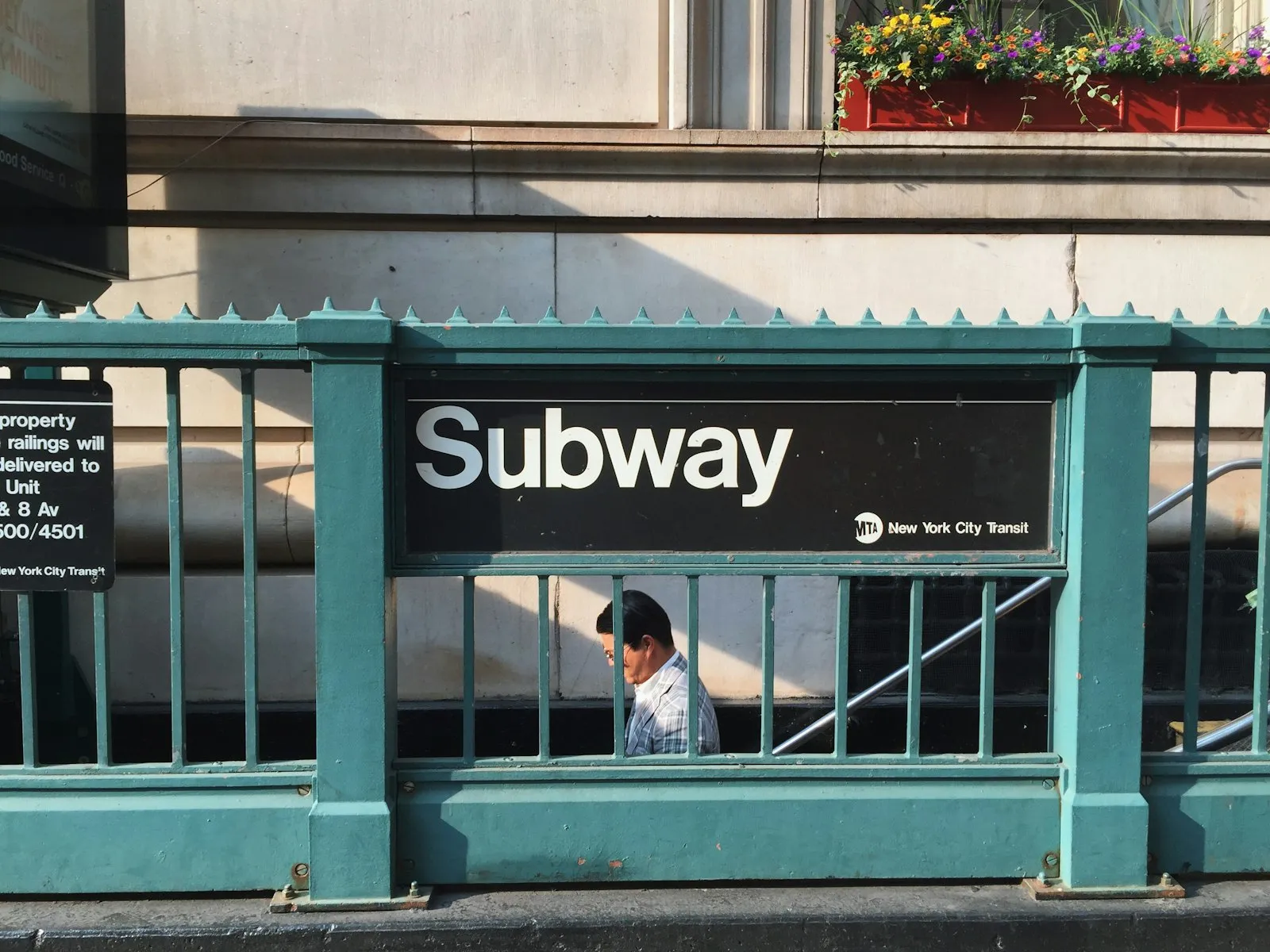
How people get hurt on the subway
- Platform gaps. A foot or leg slips into the space between the platform edge and the train.
- Stairs and entrances. Broken treads, missing nosings, wet steps, poor lighting and damaged handrails. Our guide on suing the MTA for a subway station fall goes deeper on these cases.
- Train doors. Doors closing on a rider, or a train moving while someone is caught.
- Sudden stops and jolts. Standing riders thrown off balance when a train brakes hard.
- Escalators and elevators. Malfunctions, abrupt stops and entrapment.
- Falls onto the tracks or being struck by a train. Often the most serious injuries, and sometimes fatal; see our wrongful death practice page.

Who you actually sue
The subway is run by MTA New York City Transit, an agency of the Metropolitan Transportation Authority. In many cases the claim is against the New York City Transit Authority, but depending on where and how you were hurt, the MTA, the City of New York, a private contractor working in the station, or the owner of a building with a connected entrance may also be responsible. Naming the wrong entity, or serving the notice on the wrong one, is one of the most common and costly mistakes in transit cases.
The deadlines are short
Claims against the Transit Authority are governed by Public Authorities Law § 1212:
- Notice of claim within 90 days. The notice must comply with General Municipal Law § 50-e, which generally means it’s due within 90 days of the incident.
- A 30-day waiting period. The complaint must allege that at least 30 days passed after the claim was presented without payment or adjustment.
- One year and 90 days to sue. Except in wrongful death cases, a tort lawsuit against the authority must be started within one year and 90 days of the incident.
- Sworn questioning. Section 1212(5) lets the authority require a claimant to be sworn and answer questions about the claim, similar to a 50-h hearing in claims against a city.
Compare that with the general three-year limit in CPLR § 214 for most injury cases. Waiting a few months to “see how you feel” can end a subway claim before it starts.
No-fault doesn’t cover subway injuries
People are often surprised to learn this. New York’s no-fault system covers motor vehicle accidents, and Vehicle and Traffic Law § 125 excludes vehicles that run only on rails or tracks from the definition of a motor vehicle. So there is generally no no-fault coverage for medical bills after a subway injury. Your health insurance pays in the meantime, and those costs become part of the claim against the responsible party. (If you were hit by an MTA bus, the rules are different; see our MTA bus accident lawyer page and no-fault guide.)
The legal standards that decide these cases
Reasonable care
New York’s highest court held in Bethel v. New York City Transit Authority (1998) that common carriers like the Transit Authority owe passengers reasonable care under the circumstances, not a heightened “highest degree of care.” You still have to show the authority was careless: a defect it created or knew about, a door that malfunctioned, an operator who didn’t follow procedure.
“Jerk and jolt” cases
When a rider is hurt by a sudden stop or lurch, New York courts generally require proof that the movement was unusual and violent, more than the ordinary starts and stops of a moving train. Witness statements and the injuries other passengers suffered can help meet that standard.
Shared fault
Under CPLR § 1411, your compensation is reduced by your share of fault but not barred. Defense lawyers often argue a rider was rushing, distracted or standing too close to the edge; see our comparative negligence guide.
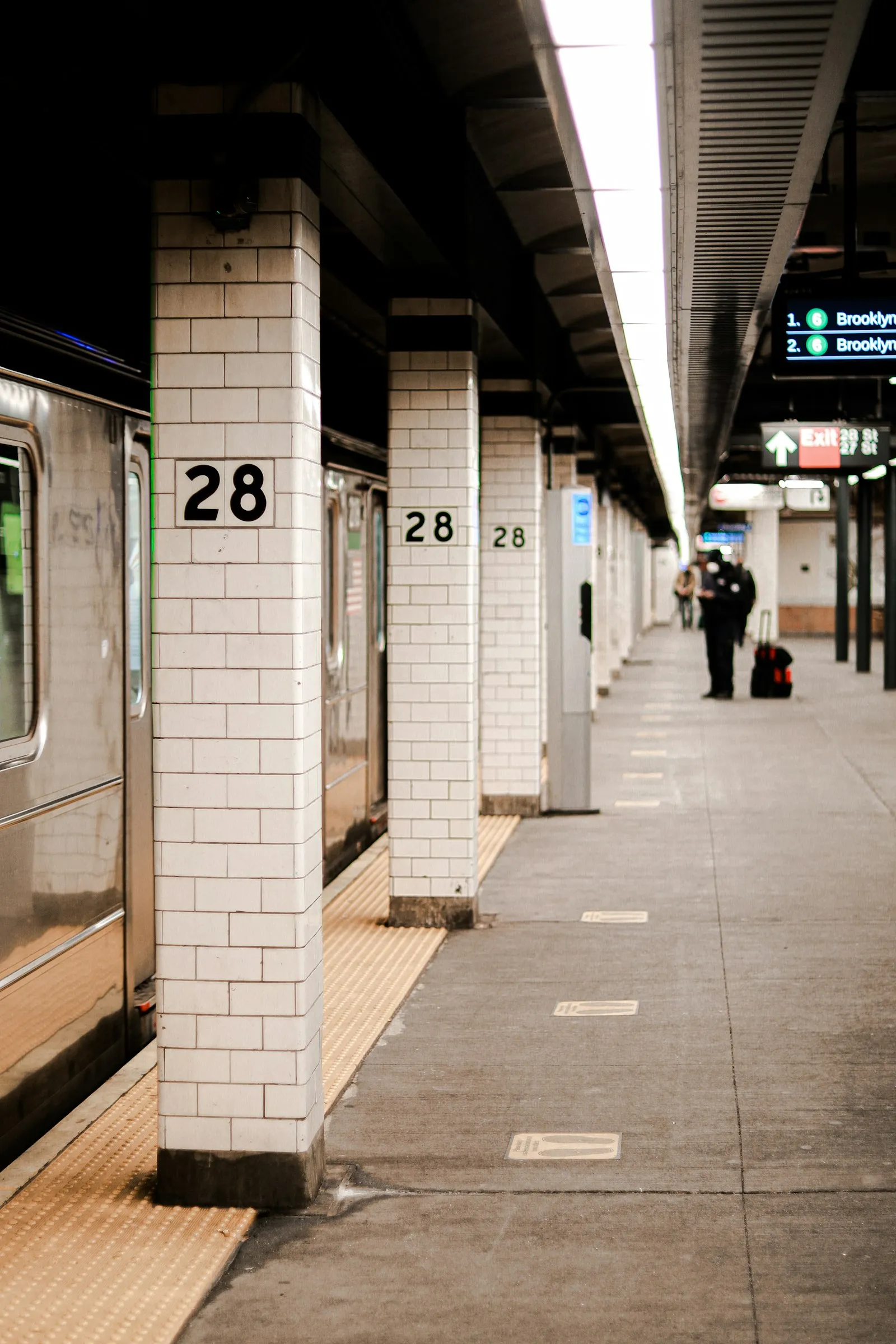
Evidence to gather right away
- Report it. Tell the station agent or train crew, and ask whether a report was made. If police responded, get the report number.
- Pin down the location. Station name, line, platform direction, car number if you saw it, and which stairway or exit.
- Photograph the hazard before it’s cleaned or repaired: the step, the gap, the puddle, the lighting.
- Save your trip record. Your OMNY or MetroCard history can confirm when and where you entered the system.
- Ask about video quickly. Station camera footage may be recorded over, so your lawyer should send a preservation request early.
- Get witness names and numbers. Fellow riders scatter fast.
- Get medical care the same day and keep an injury diary.
Injuries and compensation
Subway incidents commonly cause knee and ankle injuries from platform gaps, wrist and hip fractures from falls on stairs, head injuries, and crush injuries from doors. Compensation in a successful claim can include medical bills, lost wages, future care, and pain and suffering. Our pages on fracture claims and back and neck injury settlements explain how those injuries are valued.
Why hire a subway accident attorney
Transit cases are won or lost on procedure as much as on facts. A subway accident attorney makes sure the notice of claim is served on the right entity within 90 days, describes the location precisely, prepares you for sworn questioning, preserves video and maintenance records, and files suit before the one-year-and-90-day deadline. As an MTA accident lawyer who handles claims across Queens, Yakov Mushiyev takes care of each of those steps.
Frequently asked questions
How long do I have to file a claim after a subway accident in NYC?
Generally 90 days to serve a notice of claim and one year and 90 days to start a lawsuit against the Transit Authority. Wrongful death claims follow a separate timeline. Speak with a subway accident lawyer as early as you can.
Can I sue the MTA for falling on subway stairs?
Possibly, if the fall was caused by a defect or condition the Transit Authority created or knew about and failed to fix. Our subway station fall guide and slip and fall page cover these cases.
Does no-fault pay my medical bills after a subway injury?
Generally no, because subway trains aren’t motor vehicles under New York law. Health insurance usually pays first, and those costs are included in the claim.
What if I was pushed or fell onto the tracks?
These cases are fact-specific and often involve serious injuries. Call us to talk through who may be responsible.
Visit Yakov Mushiyev & Associates
Our office is at 1 Cross Island Plaza, Suite 325, Rosedale, NY 11422, just off the Cross Island Parkway on the Queens–Nassau border. If you can’t come to us, we’ll come to you: at home, in the hospital or by video.

Talk to a subway accident lawyer today
Yakov Mushiyev & Associates has recovered over $80 million for injured New Yorkers across the five boroughs and Nassau County. Consultations are free, available in English, Russian and Spanish, and there is no fee unless we win.
Call 718.775.3110 or contact us online for a free case review.
This article is general information, not legal advice. Every case is different. Attorney Advertising.