
You come down the stairs from the 7 train at 61st Street, phone in hand, and wave down a cab to make an LIRR connection or get home with groceries. Thirty seconds later the car lurches into traffic and gets hit. Or you never make it to the cab at all, because a for-hire car turning off Roosevelt Avenue clips you in the crosswalk. Taxi accidents in Woodside, Queens, rarely happen in the middle of nowhere. They happen at the busiest transfer point in the neighborhood, in a rush, surrounded by people. This guide walks commuters through the first 72 hours after a crash like that, and the weeks that follow, in plain language.
Need to talk to someone now? Call 718.775.3110. Intake is open 24/7, and consultations are free in English, Russian or Spanish.
Why the Transit Hub Changes the Story
Woodside is one of the few places in Queens where the subway and the Long Island Rail Road meet at the same corner. The elevated 61st Street–Woodside stop on the 7 line sits above the LIRR’s Woodside station, and riders constantly move between them, onto Roosevelt Avenue and out to waiting cars. That flow creates a specific set of crash scenarios:
- The rushed pickup. A driver stops in a travel lane to load a passenger and gets rear-ended, or pulls out without checking the mirror.
- The dooring. A passenger hops out on the traffic side and a door swings into a cyclist or a passing car.
- The hidden pedestrian. The el’s steel columns block a driver’s view of someone stepping off the curb.
- The fast turn. A cab heading for the Brooklyn-Queens Expressway or Queens Boulevard turns through a crosswalk full of commuters.
Each of these puts you in a different legal position. Whether you were inside the taxi, walking, biking or driving your own car decides whose insurance you turn to first. That is why the first step after you are safe is figuring out exactly where you were.
Hour 0 to 1: At the Scene
Your health comes first, every time. If you can move safely, here is a short checklist for the minutes after a Woodside taxi crash:
- Call 911 if anyone is hurt. Get out of the travel lane and onto the sidewalk if you can.
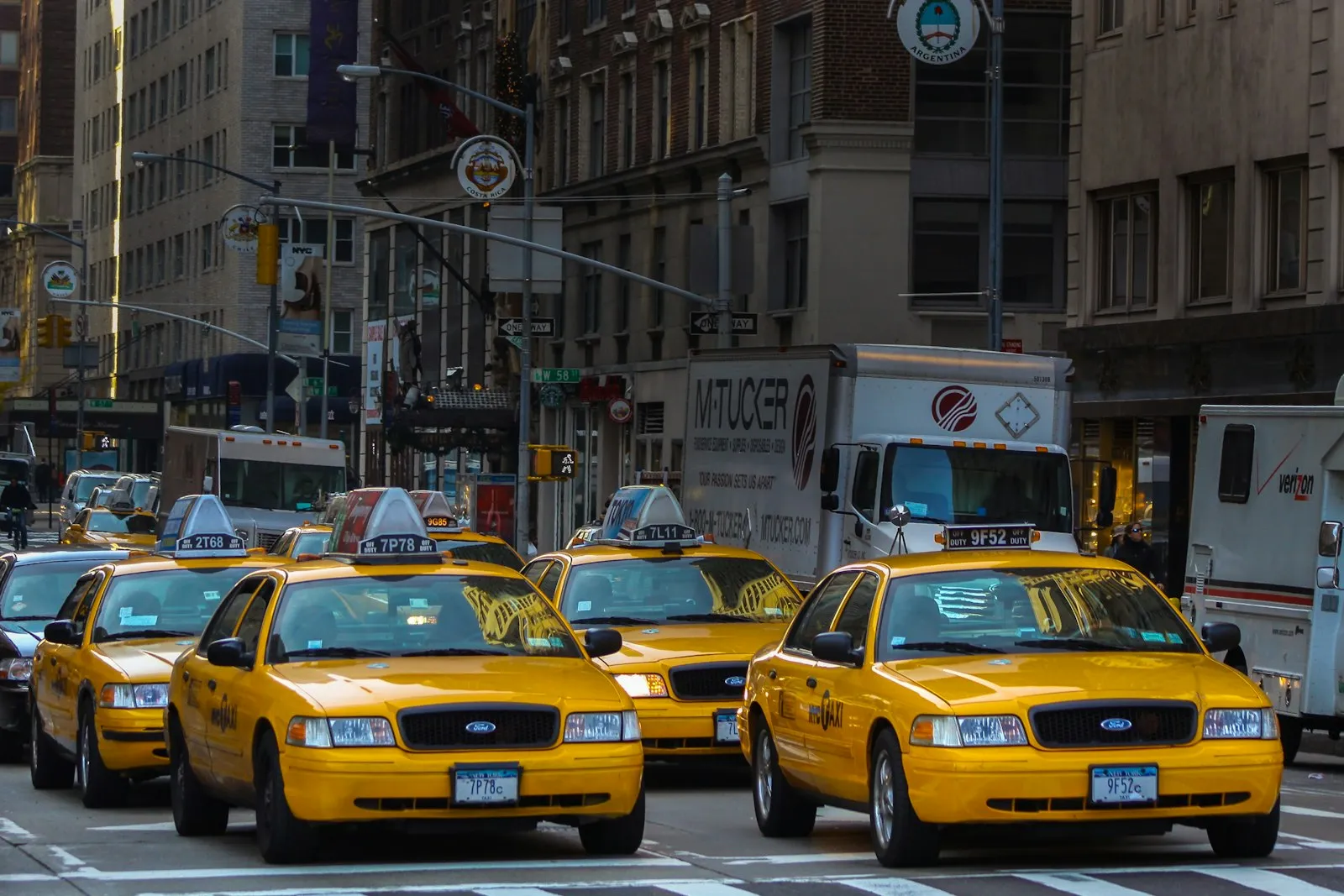
- Note the cab’s identity. Yellow cabs show a medallion number on the roof light and hood; green Boro Taxis and app-based cars carry TLC plates and stickers. A photo of the plate is enough.
- Get the driver’s name and insurance if possible, and the trip details if you were a passenger (the app receipt or the taxi meter receipt).
- Photograph everything: vehicle positions, damage, the nearest cross street, el columns, traffic signals, and any injuries.
- Look for witnesses. Commuters move on fast. Ask for a name and number before they head up to the platform.
- Note the cameras. Storefronts along Roosevelt Avenue and the station area may have video. Just write down which businesses are nearby.
At a transit hub, witnesses disappear onto the next train. Get names in the first five minutes — you may not get another chance.
Hours 1 to 24: Medical Care and the Paper Trail
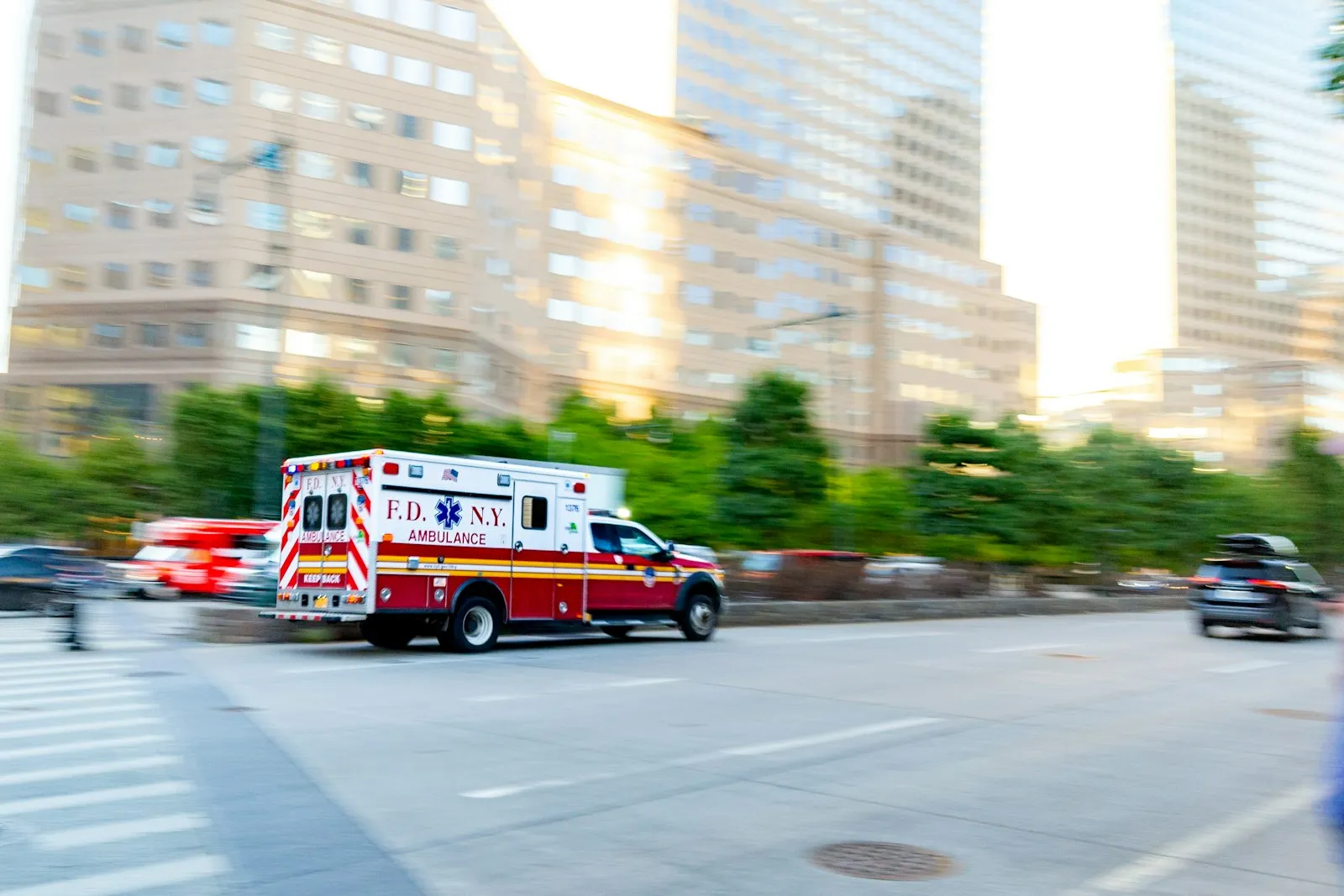
Adrenaline hides injuries. Neck and back pain, concussion symptoms and joint injuries often show up hours later. Get checked the same day, either by EMS at the scene, at an emergency room, or at urgent care. Tell the provider you were in a motor-vehicle accident and describe every symptom, even ones that seem minor.
Why it matters legally: to sue for pain and suffering in New York, an injury must meet the “serious injury” definition in Insurance Law § 5102(d). The 2026 state budget trimmed that definition to eight categories — death, dismemberment, significant disfigurement, fracture, loss of a fetus, permanent loss of use of a body organ, member, function or system, permanent consequential limitation of use of a body organ or member, and significant limitation of use of a body function or system. Early, consistent medical records are the backbone of proving any of them.
Reporting the Crash
If police respond, ask how to get a copy of the report. Drivers involved in crashes with injuries may also need to file a report with the state; the New York DMV explains when the MV-104 accident report is required. Taxi and for-hire complaints can be directed to the NYC Taxi and Limousine Commission.
Hours 24 to 72: Insurance Moves Fast — So Should You
New York’s no-fault system means your first-line benefits come from Personal Injury Protection, regardless of who was at fault. Here is the quick map for a Woodside crash:
| Your role | Where to file for PIP | Key deadline |
|---|---|---|
| Passenger in a cab or app-based car | The vehicle you were in | 30 days from the accident |
| Pedestrian hit near the station | The vehicle that struck you | 30 days from the accident |
| Cyclist struck on Roosevelt Ave | The vehicle that struck you | 30 days from the accident |
| Hit by a City or MTA vehicle | Depends on the facts; ask a lawyer | Notice of claim within 90 days |
Since March 1, 2026, TLC-licensed vehicles — yellow cabs, Boro Taxis, black cars, limos and app-based cars — must carry $100,000 per person in PIP, a reduction from the earlier requirement. The general state minimum for private cars is $50,000 per person. For details on how auto coverage works, the Department of Financial Services has consumer guidance.
Expect a call from an adjuster. Be polite, but don’t give a recorded statement or guess about speed, distances or who was at fault before you’ve spoken with a lawyer. Under the 2026 rules, fault is decided first, and an offhand comment can be used against you.
The Fault Rule Every Woodside Commuter Should Know
For motor-vehicle injury lawsuits filed on or after May 26, 2026, New York uses a new standard. If your share of fault is greater than the defendant’s (or all defendants’ combined), you recover nothing. If it is 50% or less, your recovery is reduced by your share. Under Insurance Law § 5104, the jury must decide fault before it even considers whether the injury is serious. This applies to lawsuits filed on or after that date, no matter when the crash happened.
Hypothetical example: imagine a commuter who steps off the curb mid-block between el columns to reach a waiting cab and is struck by a different car. The other driver’s insurer might argue the commuter was more at fault than the driver. Under the new rule, that argument could decide whether any recovery is possible, which is why photos of the scene, signal timing and witness accounts matter so much.
Landmark Spotlight: Roosevelt Avenue, Woodside Station and Doughboy Park
The stretch of Roosevelt Avenue around 61st Street is Woodside’s main destination. Commuters transfer between the 7 and the LIRR, people grab food from the restaurants under the tracks, and travelers with suitcases look for rides toward the airports. Cabs and app-based cars collect at the station entrances for pickups and drop people off wherever traffic allows. The combination of double-parked cars, el support columns and pedestrians cutting across the street is what makes this corner tricky.
Doughboy Park, on Woodside Avenue, is the neighborhood’s quieter landmark. The small park is known for its World War I “doughboy” memorial statue. Traffic there is lighter, but drivers using Woodside Avenue as a cut-through between larger roads still pass families and older residents walking to the park. Information about city parks is available from NYC Parks.
After the First 72 Hours
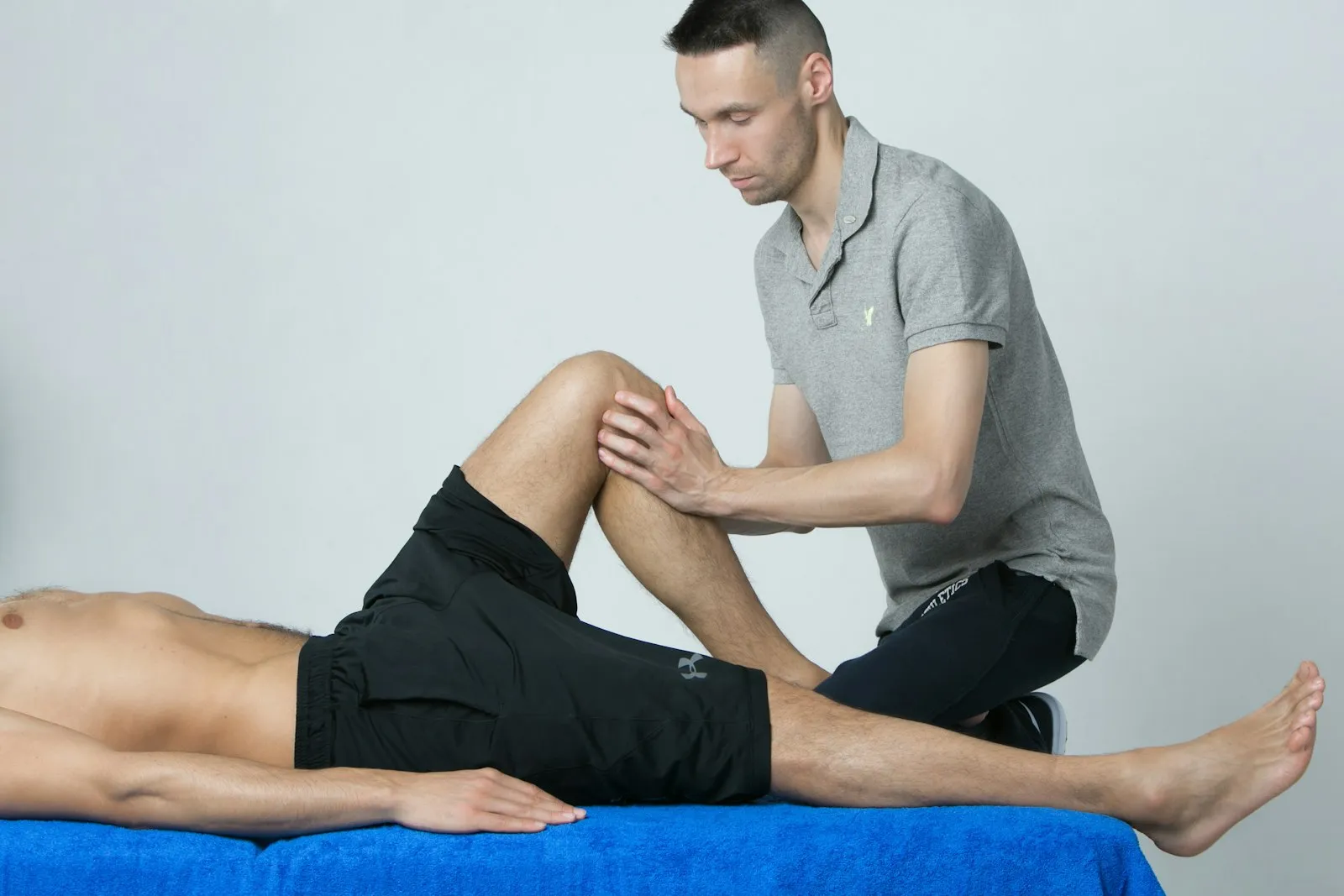
- Keep every appointment and follow your doctor’s treatment plan. Gaps in care give insurers room to argue.
- Save receipts for prescriptions, travel to appointments and anything else the injury cost you.
- Track missed work with pay stubs or a letter from your employer.
- Stay off social media about the crash and your recovery.
- Mind the long deadlines: generally three years to file a personal injury lawsuit and two years for wrongful death.
If you want the full picture of who pays and how a claim moves, see our taxi accident lawyer in Woodside page. We also serve riders across the borough through our Queens accident lawyer team, including neighbors in Astoria, and handle all kinds of car accident cases.
Taxi Accident FAQs for Commuters
The cab I was in got hit by another car. Who do I claim from?
As a passenger, you generally file for PIP with the taxi you were riding in. If your injury is serious, you may also pursue the at-fault driver, whether that is the other motorist or the cab driver.
Do I really have only 30 days to file for no-fault?
Yes. The no-fault application is due within 30 days of the accident. Don’t wait until you feel better.
I got hurt stepping out of a cab. Is that a taxi accident?
It can be. Injuries while entering or exiting a vehicle may be covered, depending on how they happened. Talk to us about the facts.
Can I still recover if I was crossing against the light?
For lawsuits filed on or after May 26, 2026, you can recover if your fault is 50% or less, with the amount reduced by your share. If your fault is greater than the driver’s, you recover nothing. PIP benefits are still available regardless of fault.
What if a city bus was involved?
Claims against New York City or MTA vehicles require a notice of claim within 90 days. Call a lawyer right away.
Is a consultation really free?
Yes, and there’s no fee unless we win. Our FAQ page answers more general questions.
Getting Around Woodside: Neighborhood Questions
Where do the 7 train and LIRR connect?
At 61st Street and Roosevelt Avenue. The 61st Street–Woodside stop on the 7 is directly above the LIRR’s Woodside station.
How busy is the BQE near Woodside?
The Brooklyn-Queens Expressway runs through the neighborhood and is often congested. Its ramps feed fast-moving traffic onto local streets, so take extra care crossing near them.
What other subway stops are in Woodside?
Besides 61st Street–Woodside, the 7 train stops at 52nd Street and 69th Street along Roosevelt Avenue.
Which neighborhoods are next door?
Sunnyside to the west, Jackson Heights to the east, Astoria to the north, and Maspeth and Elmhurst to the south and southeast.
Is parking easy near the station?
Not usually. Street parking around Roosevelt Avenue fills up fast, and double-parking is common. If you’re picking someone up, choose a legal spot on a side street rather than stopping in a travel lane.
What ZIP code is Woodside?
Woodside’s main ZIP code is 11377.
Talk to a Lawyer Before the Next Train Leaves

Yakov Mushiyev & Associates offers a free case review for anyone hurt in a taxi or for-hire car crash in Woodside. Call 718.775.3110 — intake runs 24/7 — or reach us online. We’re at 1 Cross Island Plaza, Suite 325, Rosedale, NY 11422, open Monday through Friday, 9 to 6, and we’ll visit you at home, in the hospital or by video. There’s no fee unless we win.
Attorney Advertising. This is general information about New York law, not legal advice. Reading this article does not create an attorney-client relationship, and every situation is different. Prior results do not guarantee a similar outcome.