
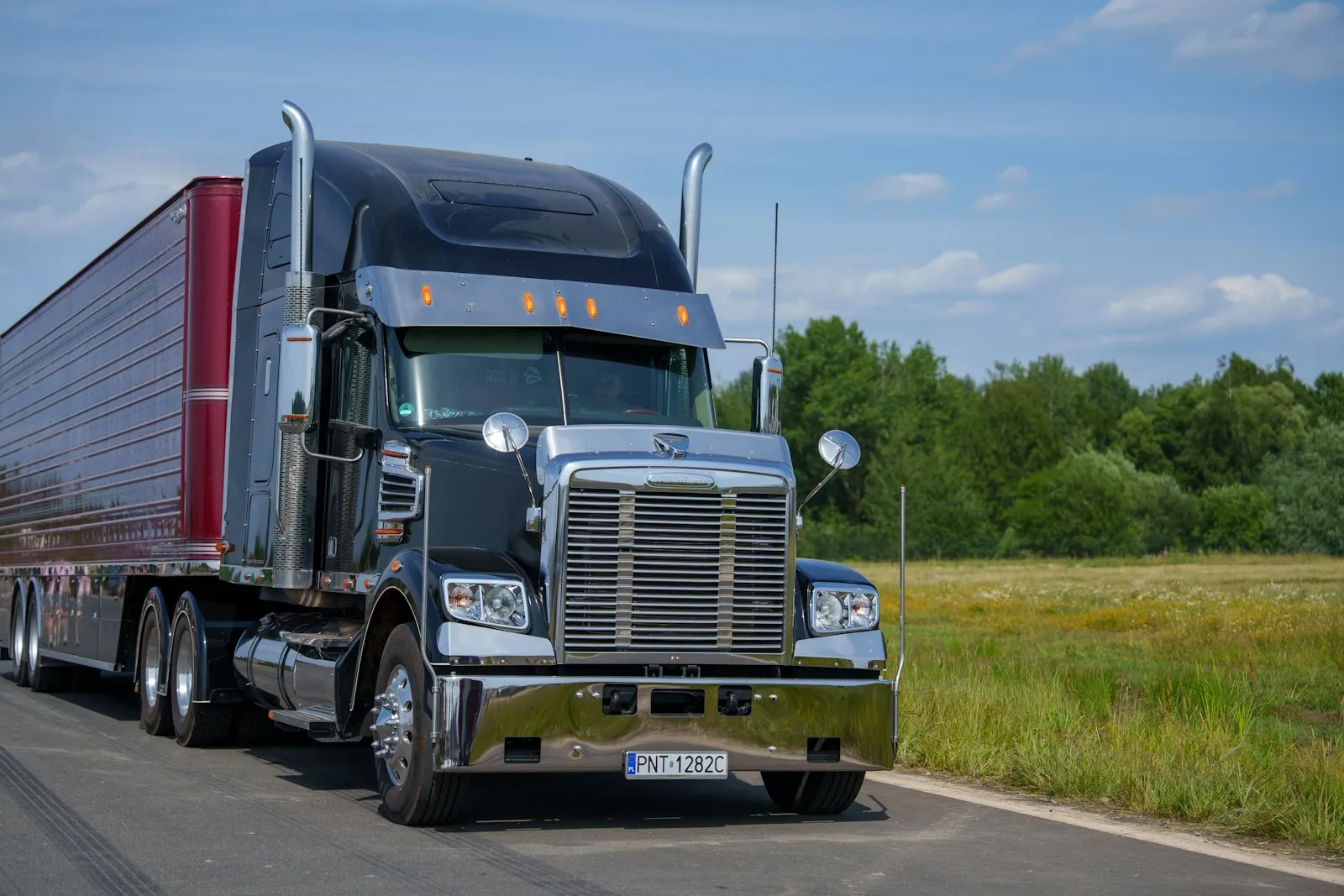
A fully loaded tractor-trailer can weigh up to 80,000 pounds. A typical passenger car weighs around 4,000. When the two collide on the Long Island Expressway, Sunrise Highway or Route 58 in Riverhead, physics decides most of the outcome before anyone touches a brake.
Truck cases are also different on paper. They involve federal safety rules, trucking companies with rapid-response teams, insurance policies far larger than a typical car policy, and electronic data that can tell the story of the crash second by second. This guide takes a truck crash apart piece by piece so you can see how a truck accident attorney in Suffolk County builds a case. If you or a loved one was hurt, call Yakov Mushiyev & Associates at 718.775.3110 for a free consultation.

Part 1: Why Truck Crashes Happen on Suffolk Roads
Suffolk’s road network creates some truck hazards you will not find everywhere:
- The Long Island Expressway is the main freight route east, carrying tractor-trailers, box trucks and tankers alongside heavy commuter traffic until it ends in Riverhead.
- Parkway bans. Commercial vehicles are prohibited on the Northern State and Southern State Parkways, whose old stone overpasses are too low for trucks. Drivers relying on the wrong GPS settings still end up on them, and overpass strikes can send debris and stopped vehicles into traffic.
- Two-lane state roads like Route 25, Route 25A and Montauk Highway, where trucks making deliveries to farms, wineries and construction sites share narrow lanes with tourists.
- Dump trucks and heavy equipment serving construction sites, sand and gravel operations and waste facilities in central and eastern Suffolk.
- Delivery vans and box trucks making residential stops all day, double-parking and backing up in tight village streets.
The most common causes we see in truck cases are driver fatigue, speeding for road conditions, following too closely, improper lane changes in the truck’s blind spots, poorly secured or overweight cargo, and brake or tire failures from skipped maintenance.
Part 2: The Rules Trucking Companies Must Follow
Interstate trucking is heavily regulated by the Federal Motor Carrier Safety Administration (FMCSA), and New York applies many of the same standards to carriers operating within the state. Key rules include:
- Hours of service. Property-carrying drivers are generally limited to 11 hours of driving within a 14-hour on-duty window after 10 consecutive hours off duty, with required breaks. Fatigue is one of the most important issues in truck cases.
- Electronic logging devices (ELDs). Most interstate drivers must record their duty status electronically, which makes hours-of-service violations easier to prove.
- Driver qualification. Carriers must keep a file on each driver, including licensing, medical certification, driving record and employment history.
- Drug and alcohol testing, including post-accident testing after certain crashes.
- Inspection and maintenance. Carriers must systematically inspect, repair and maintain their vehicles and keep records.
- Minimum insurance. Interstate carriers of general freight must generally carry at least $750,000 in liability coverage, and more for certain hazardous materials.
You can look up a carrier’s registration and safety record through the FMCSA’s SAFER company snapshot using its USDOT number, which is usually painted on the cab door.

Part 3: The Evidence, and Why the Clock Matters
Trucking companies and their insurers often send investigators to serious crashes within hours. You need someone doing the same work for you. In a typical case, we send preservation letters right away demanding:
- ELD and engine control module data, which can show speed, braking, throttle and hours on duty.
- Dashcam and driver-facing camera footage, which many fleets now use.
- The driver qualification file and training records.
- Maintenance, inspection and repair records for the tractor and trailer.
- Dispatch records, delivery schedules and communications with the driver, which can show pressure to meet unrealistic deadlines.
- Post-accident drug and alcohol test results.
- Cargo loading records and bills of lading.
Federal rules require carriers to keep some records only for limited periods, and electronic data can be overwritten. A prompt, specific preservation demand puts the company on notice that destroying the evidence could have consequences in court.
Part 4: Who Can Be Held Responsible
Unlike most car crashes, truck cases often involve several defendants:
- The driver, for negligent driving.
- The motor carrier, which is generally responsible for its drivers’ negligence on the job and may also be directly liable for negligent hiring, training, supervision or maintenance.
- The vehicle owner. Under Vehicle and Traffic Law § 388, the owner of a vehicle is generally liable for the negligence of a permissive driver, though federal law limits this for some rental and leasing companies.
- The shipper or loader, if improperly loaded cargo caused the crash.
- A maintenance contractor or parts manufacturer, for brake, tire or equipment failures.
- A broker, in some cases, depending on how the shipment was arranged.
Identifying every responsible party matters because it determines how much insurance is available, which is often the difference between a recovery that covers a lifetime of care and one that does not. For crashes involving company vehicles more broadly, see our guide on when the at-fault driver was working for a company.

Part 5: How New York Insurance Rules Apply to Truck Crashes
If you were in a car hit by a truck, New York’s no-fault rules still apply first: your own auto policy pays initial medical bills and part of your lost wages, and the application is generally due within 30 days. Our guide for anyone needing a Suffolk County no-fault insurance claims lawyer explains that process. To recover pain and suffering from the truck driver and company, your injuries must meet the serious injury threshold. In practice, most serious truck crashes produce injuries, such as fractures, spinal injuries and traumatic brain injuries, that clearly meet it.
Comparative fault applies too. Trucking companies frequently argue that the car driver cut in front of the truck or lingered in a blind spot. Under New York’s pure comparative negligence rule, that argument can reduce your recovery but cannot eliminate it. The general deadline to sue is three years, or two years from the date of death in a wrongful death case.
Part 6: The Injuries Behind Truck Cases
Because of the forces involved, truck crashes produce some of the most serious injuries we handle: traumatic brain injuries, spinal cord damage, multiple fractures, crush injuries, internal organ damage, severe burns when fuel or hazardous cargo ignites, and amputations. Valuing those claims means projecting future medical care, rehabilitation, home modifications and lost earning capacity, often with the help of physicians, life care planners and economists.

What to Do in the First Days After a Suffolk Truck Crash
- Get medical care and follow up. Truck crash injuries are often more serious than they first appear, especially head, neck and back injuries.
- Write down the truck’s details: company name, USDOT number, trailer number and plate. Photograph the cab door and the trailer if you can.
- Do not speak with the trucking company’s adjuster or sign anything. Their early contact is about limiting the claim.
- Keep your own vehicle as it is until it has been photographed and, in serious cases, inspected. Your car’s own event data recorder may hold valuable information too.
- Gather witness information and note any businesses or homes nearby that might have cameras.
- Call a lawyer quickly so preservation letters go out before electronic data is overwritten.
Part 7: Three Suffolk Landmarks Along Truck Routes
1. Brookhaven National Laboratory, Upton
One of the country’s major national research laboratories, Brookhaven National Laboratory sits near the William Floyd Parkway and the Long Island Expressway in Upton. Large facilities like this depend on a steady flow of deliveries, construction contractors and specialized freight. The surrounding stretch of the LIE and William Floyd Parkway sees a mix of commuters and commercial trucks, and crashes on these roads often involve vehicles operating under contract for a larger organization, which adds parties and insurance policies to a claim.
2. Splish Splash Water Park, Calverton
Near the eastern end of the LIE, Splish Splash draws families from across Long Island and the city all summer. Peak-season traffic means minivans full of kids sharing the last miles of the expressway and the local roads with tractor-trailers heading toward Riverhead and the North Fork. Summer weekends are when trucks and inexperienced or distracted drivers most often mix.
3. Long Island Aquarium, Riverhead
In downtown Riverhead along the Peconic River, the Long Island Aquarium is a year-round family destination. Riverhead is also where the LIE ends and freight spreads out onto Route 58, Route 25 and Route 24 to reach the Forks. That transition, from a limited-access highway to busy local roads with traffic lights, turning lanes and shopping centers, is a common setting for truck crashes involving wide turns, blind spots and rear-end collisions.
How We Approach Suffolk Truck Cases
Our truck accident practice moves quickly to secure the evidence, works with accident reconstruction experts and trucking safety specialists, and identifies every source of insurance. Attorney Yakov Mushiyev handles these cases on a contingency fee, which means you pay no fee unless we recover compensation. For other Suffolk crashes, read our overview for anyone looking for an accident lawyer in Suffolk County. If a family member was killed, our guide for families seeking a wrongful death attorney in Suffolk County explains the next steps.
Directions From Yaphank to Our Office
Our office is at 1 Cross Island Plaza, Suite 325, Rosedale, NY 11422. From Yaphank, take the Long Island Expressway west to the Cross Island Parkway south. The trip usually takes around an hour outside rush hour. If you are still in the hospital or recovering at home, we will come to you or meet by video.
Open turn-by-turn directions from Yaphank, NY in Google Maps
Suffolk County Truck Accident FAQs
How is a truck accident claim different from a car accident claim?
Truck claims involve federal safety rules, electronic driving data, larger insurance policies and often several defendants, including the carrier, the vehicle owner and sometimes the shipper or a maintenance company. The evidence must be preserved quickly.
Can I sue the trucking company, not just the driver?
Usually, yes. Carriers are generally responsible for their drivers’ negligence while working and can also be directly liable for negligent hiring, training, supervision or maintenance.
How much insurance do trucking companies carry?
Interstate carriers of general freight must generally carry at least $750,000 in liability coverage, and many carry more. Additional policies covering the trailer owner, shipper or broker may also apply.
What if the truck driver says I cut him off?
New York’s comparative negligence rule means your recovery is reduced only by your share of fault. ELD data, dashcam footage and reconstruction often show what actually happened.
How long do I have to file a truck accident lawsuit in Suffolk County?
Generally three years for injury claims and two years from the date of death for wrongful death claims. File your no-fault application within 30 days, and contact a lawyer immediately so evidence is preserved.
Talk to a Truck Accident Attorney Serving Suffolk County
The trucking company already has a team working on this crash. Call Yakov Mushiyev & Associates at 718.775.3110 or contact us online for a free consultation.
This article is general information, not legal advice, and reading it does not create an attorney-client relationship. Every case turns on its own facts. Attorney Advertising. Prior results do not guarantee a similar outcome.