
If you have ever pedaled down a quiet Bellerose block on a spring evening, past driveways and front gardens with kids weaving behind you on training wheels, you know why so many families here love to ride. And if you are reading this, something has probably gone wrong. Maybe it was you, maybe your teenager, maybe a neighbor who asked you to look up a bicycle accident lawyer in Bellerose because they are still in a sling. Whatever brought you here, take a breath. You do not have to figure all of this out tonight.
We are a Queens firm just down the Cross Island Parkway, and we wrote this the way we would explain it to a neighbor over the fence: plainly, without the legal fog, and with the steps in the order they actually matter.
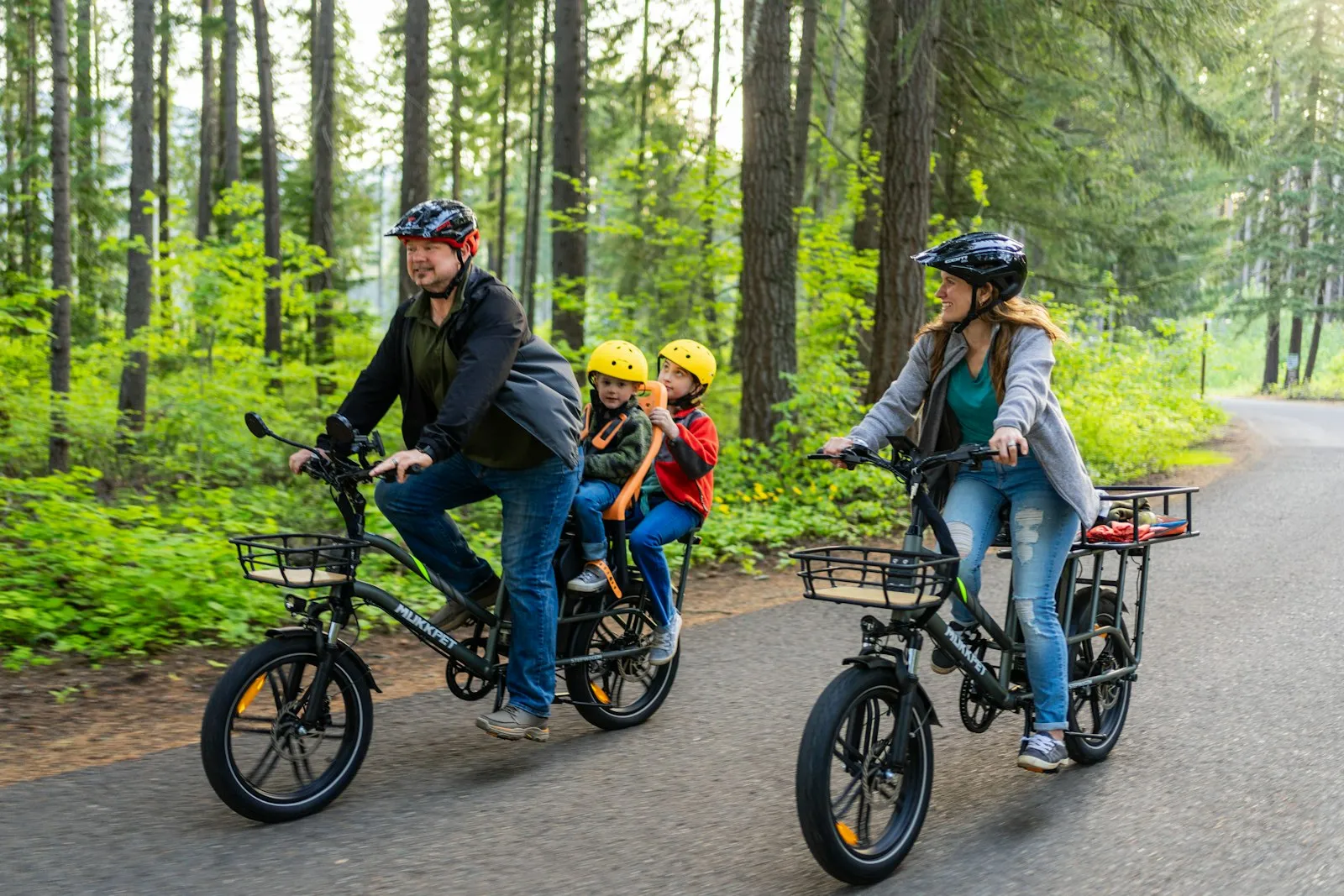
Where Our Neighbors Ride, and Where Things Go Wrong
Bellerose is a great place to ride a bike, but it is also a place where quiet residential streets meet some very busy roads. Families ride toward Queens County Farm Museum on Little Neck Parkway, head north toward Alley Pond Park, or cut across to Union Turnpike and Commonwealth Boulevard. Commuters ride to the LIRR Bellerose station just over the line in Bellerose Village, or along Hillside Avenue and Jamaica Avenue to catch a bus.
The trouble spots are not a secret to anyone who rides here. Commercial stretches of Hillside and Jamaica Avenues bring turning cars, double-parked delivery vans and parked cars with doors that swing open without warning. Ramps near the Cross Island Parkway and Grand Central Parkway bring drivers who are focused on merging, not on the cyclist to their right. And some side streets have patches of broken pavement that can throw a rider before they see it coming.
If It Happens: The Simple List
Nobody remembers a checklist when they are lying on the pavement, so if you can, save this list on your phone or share it with your kids:
- Get safe and call 911. Ask for an ambulance if anyone is hurt. Police from the NYPD’s 105th Precinct generally respond in Bellerose.
- Get the driver’s information. Name, plate number, insurance, and a photo of their license if they allow it.
- Take pictures. The car, the bike, the street, the traffic light, and any injuries, even scrapes.
- Ask witnesses for a phone number. The person walking a dog on the corner may be the most important person in your case.
- Go to the doctor the same day. Long Island Jewish Medical Center in New Hyde Park, right on the Queens–Nassau line, is the nearby trauma hospital.
- Keep the bike, helmet and clothes as they are. Do not fix the bike or toss the cracked helmet. They are evidence.
- Don’t chat with the driver’s insurance company. Be polite, take their name, and tell them your lawyer will call.
That is truly it for the first day. Everything else can wait until you have rested and called someone who handles this every day.
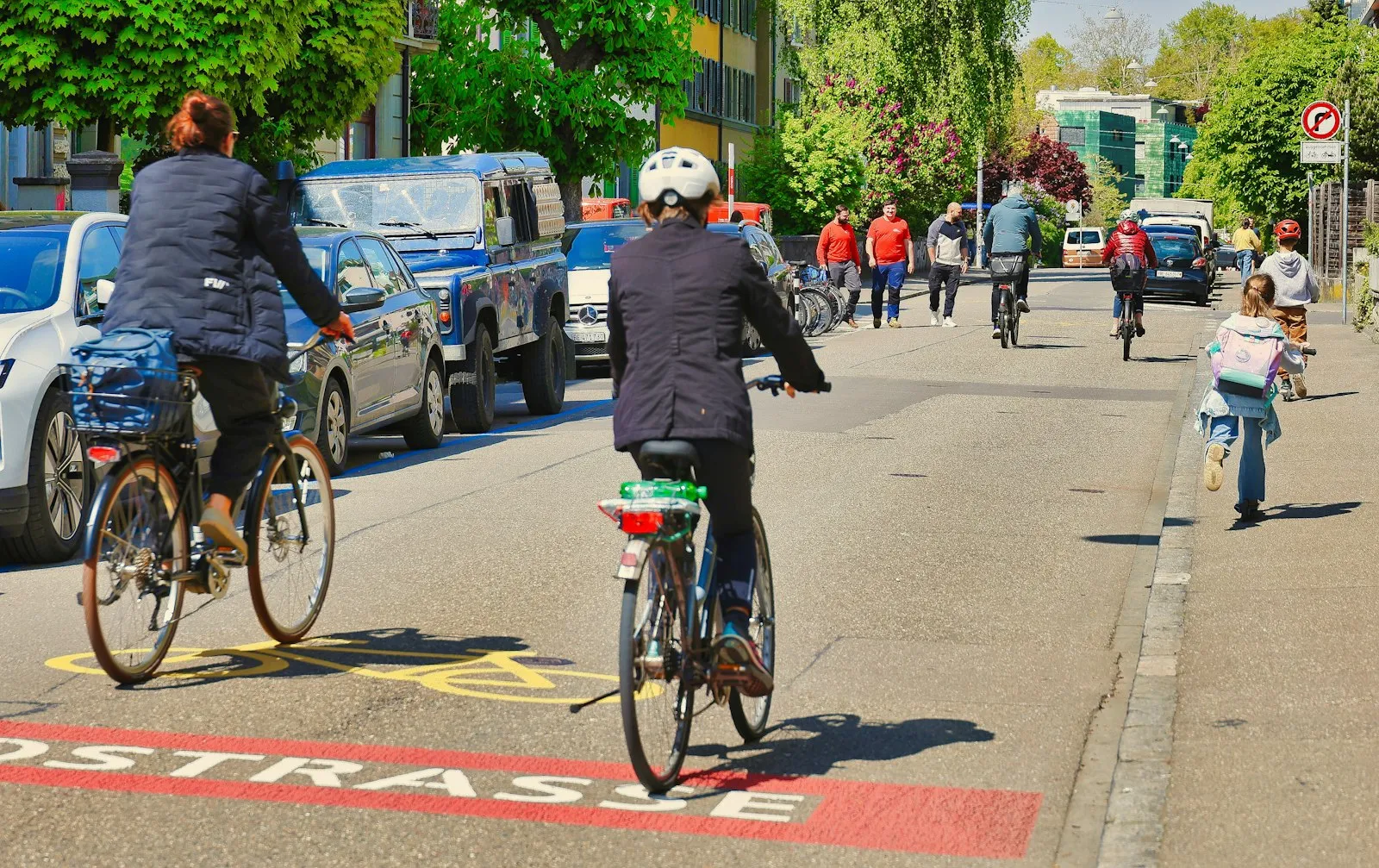
When the Rider Is Your Child
For parents, the fear after a child’s bike crash is a different kind of fear. Your first job is simply being there. When you are ready to think about the legal side, a few things are worth knowing.
- Children are not held to adult standards. A ten-year-old is expected to act like a careful ten-year-old, not like an adult driver. Drivers, on the other hand, are expected to watch out for children on residential streets.
- Helmets. New York requires children under 14 to wear a helmet when riding a bicycle. If your child was not wearing one, do not let that stop you from calling a lawyer; the driver’s conduct still matters most.
- Courts protect children’s settlements. In New York, a settlement for a minor generally must be approved by a court, and the money is typically protected until the child comes of age. That process is designed to make sure the settlement is fair.
- Deadlines can work differently for kids, but some, especially claims against the City, have short clocks that parents should not count on being extended. Call early.
And please, keep a simple notebook. Write down when your child has nightmares, stops wanting to ride, misses school or sports, or needs help with things they used to do alone. Those details matter, and they are easy to forget a year from now.
Who Pays the Bills? A Neighborly Explanation
This is the question we get first, usually right after “Is my kid going to be okay?” The answer depends on what happened. Here is the short version:
| What happened | Who usually pays medical bills first | Who pays for pain and suffering |
|---|---|---|
| A car hit the rider | The car’s no-fault insurance | The at-fault driver’s liability insurance, if the injury meets New York’s threshold |
| A parked car’s door opened into the rider | The car’s no-fault insurance | The driver or passenger who opened the door, and possibly the owner |
| A pothole or broken street threw the rider | Your own health insurance | Possibly the City or a property owner; a Notice of Claim is required for the City |
| Another cyclist caused the crash | Your own health insurance | The other cyclist, if there is a source of recovery such as homeowner’s coverage |
New York’s no-fault system, set out in Insurance Law §5102, pays reasonable medical bills and a portion of lost wages regardless of fault when a motor vehicle is involved. A cyclist does not have personal no-fault coverage for the bike, but when a car hits a cyclist, the car’s no-fault coverage generally responds. The application is due within 30 days, which sneaks up fast when you are juggling appointments.
The Crashes We See Most Often
Without pointing fingers at any particular street, these are the patterns that come up again and again in bike cases across eastern Queens:
- Dooring. Someone in a parked car opens the door into a passing rider. New York law (VTL §1214) prohibits opening a vehicle door on the traffic side unless it is reasonably safe to do so.
- The right hook. A driver passes a cyclist, then turns right across the bike’s path.
- The left cross. An oncoming driver turns left without seeing the cyclist.
- Driveway and parking lot exits. A driver pulls out looking for cars, not bikes.
- Distracted drivers. Phones remain a big problem. New York restricts handheld phone use while driving under VTL §1225-d.
- Road defects. Potholes, raised utility covers and broken pavement, which may lead to a claim against the City or a property owner.
What Changed in 2026
Update for 2026: In late May 2026, New York enacted motor-vehicle tort reform that applies to motor-vehicle lawsuits filed on or after that date (it does not apply to death cases). A cyclist’s claim against a driver is generally a motor-vehicle case. The changes: a plaintiff more than 50% at fault recovers nothing under the modified comparative fault rule in CPLR 1411(b); the 90/180-day serious-injury category is gone; juries decide fault before serious injury; and pain-and-suffering is capped at $100,000 for plaintiffs who were driving uninsured, convicted of impaired driving, or committing a felony. Claims that do not involve a motor vehicle, such as many pothole or premises cases, still follow pure comparative fault under CPLR 1411.
What does this mean for a neighbor on a bike? Mostly, that early evidence matters more than ever. When a driver says “the cyclist came out of nowhere,” a witness, a doorbell camera or a clear photo of where the bike ended up can make the difference.
The Deadlines, in Plain English
We know nobody wants to think about deadlines while they are healing, but here they are, because missing one can end a case before it starts:
- 30 days to file the no-fault application.
- 90 days to serve a Notice of Claim if the City is involved, for example a City vehicle or a City street defect, under General Municipal Law §50-e.
- 3 years for most personal injury lawsuits under CPLR 214.
- 2 years from the date of death for a wrongful death claim.
How We Help Families Like Yours
Yakov Mushiyev & Associates, P.C. represents injured people across Queens, and we treat every family the way we would want our own treated: honestly, patiently and without pressure. Our consultations are free, we charge no fee unless we win, and we speak English, Russian and Spanish. If you or your child cannot travel, we will come to your home or the hospital, or meet by video.
You can learn more on our Bellerose bicycle accident lawyer page, browse our Bellerose personal injury lawyer hub, or read about Yakov Mushiyev. If your rider was on a motorized bike, our articles for the e-bike accident lawyer in Bellerose and the electric bike accident lawyer in Bellerose explain the extra rules that apply. If a street defect caused the fall, our trip and fall page covers how property and City claims work.
Getting to Our Office from Bellerose
We are at 1 Cross Island Plaza, Suite 325, Rosedale, NY 11422, open Monday through Friday from 9 a.m. to 6 p.m. From Bellerose, take the Cross Island Parkway south toward the Belt Parkway; 1 Cross Island Plaza sits right off the Cross Island in Rosedale, roughly a 15 to 20 minute drive depending on traffic. Plenty of our clients come in with a family member; you are welcome to bring whoever makes you comfortable.
When you are ready to talk with a bicycle accident lawyer in bellerose, call us at 718.775.3110 or reach out online. We will listen first.
Frequently Asked Questions
Do I need a lawyer if the driver’s insurance already called me?
You are not required to have one, but an early call from the driver’s insurer is a good reason to talk to a lawyer. Insurers often ask for recorded statements and broad medical authorizations before you know the full extent of your injuries.
My son was riding on the sidewalk when a car backed out of a driveway. Is that his fault?
Not automatically. Drivers backing out of driveways must yield to people on the sidewalk, and children are judged by a child’s standard of care. The details matter, so photographs of the driveway and sidewalk are very helpful.
Can I still bring a claim if I wasn’t wearing a helmet?
Generally yes for adults. Not wearing a helmet does not cause a crash. The other side may argue it worsened a head injury, which can affect damages, so it is something to discuss honestly with your lawyer.
Are there safe places to ride near Bellerose with kids?
Many families enjoy park paths in nearby Alley Pond Park and quieter residential blocks away from Hillside and Jamaica Avenues. Whatever route you choose, bright clothing, lights after dusk and a well-fitted helmet help.
How much does it cost to talk to you?
Nothing. The consultation is free, and if we take your case there is no fee unless we win. We are happy to answer questions even if you are not sure you want to make a claim.
This article is general information, not legal advice. Attorney Advertising. Prior results do not guarantee a similar outcome.