
After a crash with a box truck, people are suddenly handed a vocabulary they never asked to learn: GVWR, no-fault, PIP, serious injury threshold, vicarious liability, spoliation letter. Insurance adjusters use these words every day; most families in Bellerose use them never. This guide from a Box Truck Accident Lawyer in Bellerose is built around a plain-English glossary, so that when someone throws a term at you, you know what it means and why it matters to your claim.
Yakov Mushiyev & Associates, P.C. is a Queens personal injury firm with an office at 1 Cross Island Plaza in Rosedale, a short drive down the Cross Island Parkway from Bellerose. Consultations are free, there is no fee unless we win, and we speak English, Russian and Spanish. We can meet at your home, the hospital or by video.
Why Box Trucks Deserve Their Own Glossary
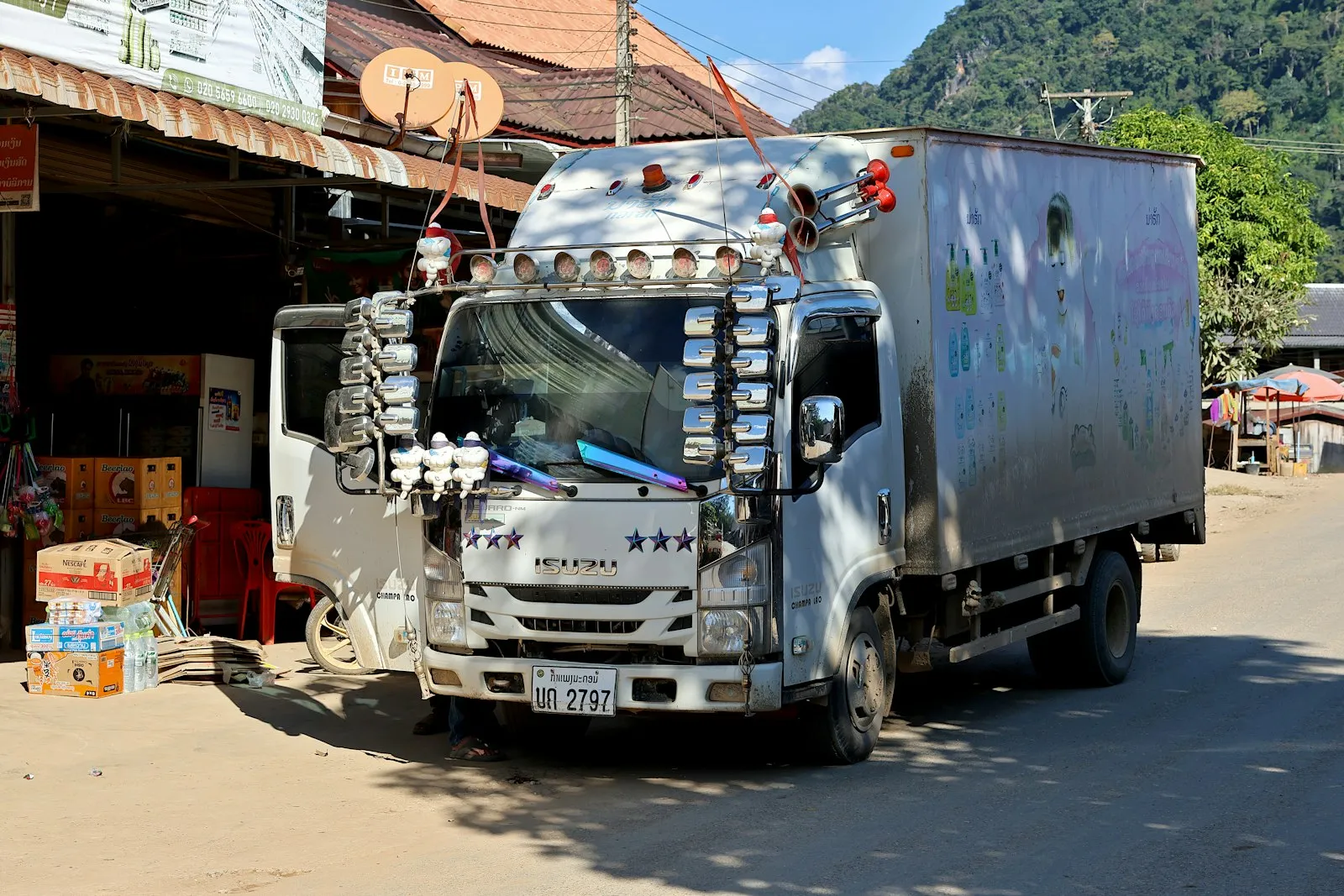
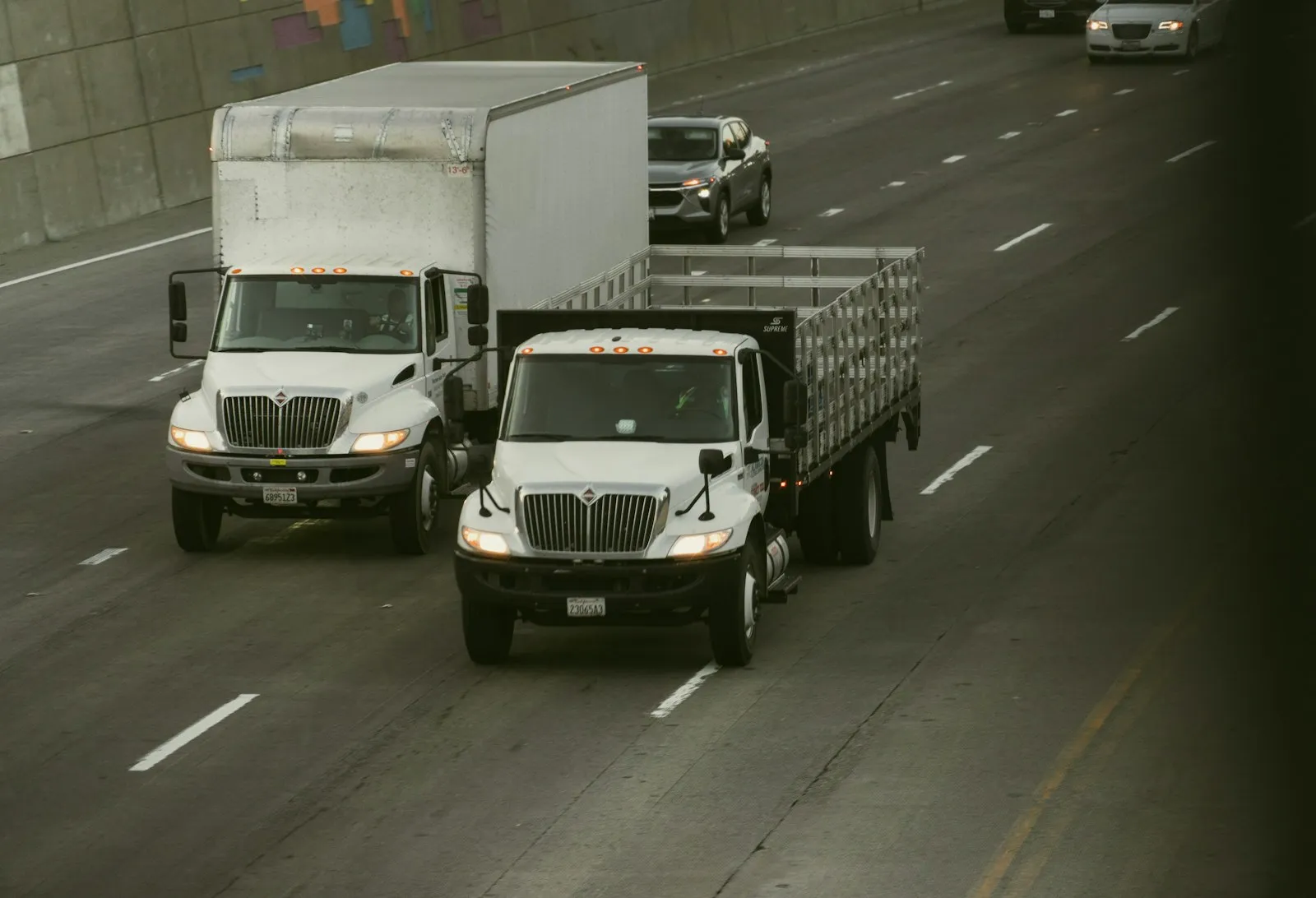
Box trucks sit in an awkward middle ground. They are bigger and heavier than a pickup or a van, but smaller than a tractor-trailer. They are driven by professional delivery drivers, by movers, by restaurant suppliers — and by ordinary people who rented one for the weekend to move a couch across Queens. That mix creates its own risks on streets like Hillside Avenue, Braddock Avenue and Jamaica Avenue, and its own legal questions about who is responsible. Box trucks are also shut out of the Cross Island and Grand Central Parkways, which, like all New York City parkways, prohibit commercial vehicles; that is why they so often appear on local streets around Bellerose.
Part 1: Box Truck Basics
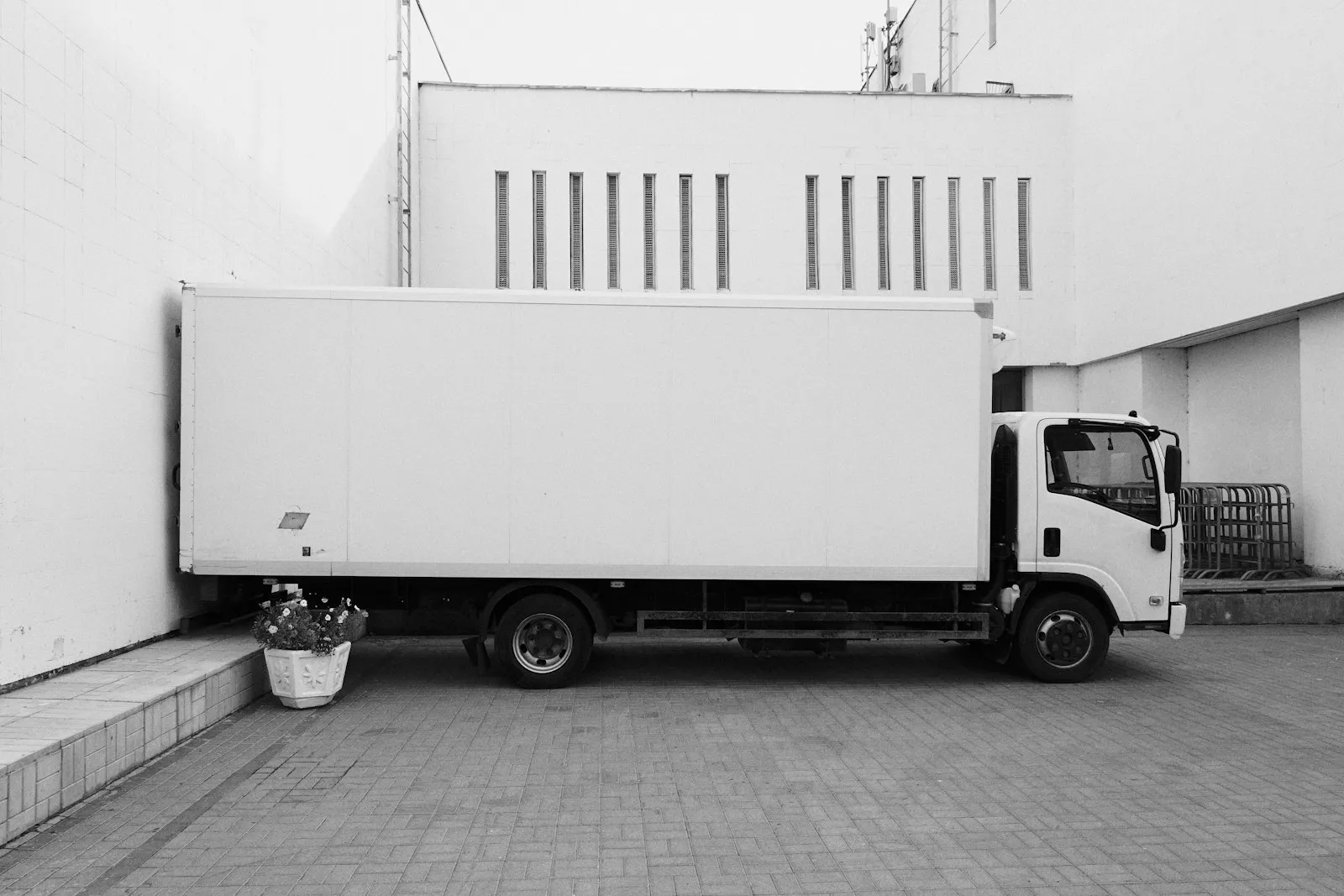
Box truck: Also called a straight truck or cube truck. A truck with the cab and the cargo box mounted on a single chassis, unlike a tractor-trailer, which pulls a separate trailer. Common sizes range from about 10 to 26 feet of cargo length.
GVWR (gross vehicle weight rating): The maximum loaded weight the manufacturer says the truck can safely carry. GVWR matters legally: it can determine whether a commercial driver’s license and federal safety rules apply.
CDL (commercial driver’s license): Generally required to drive a vehicle with a GVWR of 26,001 pounds or more. Many box trucks are rated just below that line, which means the driver may have only an ordinary license and limited training on a heavy vehicle. Licensing details are available from the New York DMV.
Liftgate: The hydraulic platform at the back of many box trucks. Liftgates can injure workers and bystanders, and a liftgate left down or protruding can be a hazard to cars behind the truck.
Rear impact guard: The bar under the back of the cargo box designed to keep a car from sliding underneath in a rear-end collision. Missing or damaged guards can turn a moderate crash into a catastrophic one.
Part 2: Crash Terms You May Hear
Underride: When a smaller vehicle slides partly under the truck’s box, often from behind or the side. Underride crashes are especially dangerous because the car’s crumple zones may not engage.
Wide right turn: Box trucks swing left before turning right to clear the corner. A car or cyclist that moves into the gap can be squeezed or struck. Who had the right of way depends on signals, lane position and how the turn was made.
Blind spot (No-Zone): Areas around the truck the driver cannot see in the mirrors. Box trucks have no rear window, so the area directly behind them is invisible without a camera or spotter.
Backing accident: A crash that happens while the truck reverses, often into a driveway or loading area. Backing without a spotter on a residential Bellerose block is a common scenario.
Load shift: Cargo that moves during braking or turning, which can make the truck unstable or cause it to tip.
Part 3: Insurance Terms
No-fault: New York’s system that pays basic economic losses after a car crash regardless of who caused it. Under Insurance Law §5102, it covers medical bills and a portion of lost earnings.
PIP (personal injury protection): The formal name for no-fault coverage. Basic PIP in New York is $50,000. You generally must file the no-fault application within 30 days of the accident. Consumer guidance is available from the New York Department of Financial Services.
Bodily injury liability coverage: The at-fault driver’s or company’s insurance that pays for injuries to others beyond no-fault, including pain and suffering when the legal threshold is met. Commercial box trucks often carry higher limits than private cars.
SUM (supplementary uninsured/underinsured motorist) coverage: Coverage on your own policy that can help if the at-fault driver has no insurance or not enough.
Serious injury threshold: The legal test in §5102(d) that a motor-vehicle injury must meet before you can recover pain-and-suffering damages, with categories such as fracture, significant disfigurement and permanent or significant limitation of a body function or system.

Part 4: Legal Terms
Negligence: Failing to use reasonable care. A box truck driver who speeds, texts, runs a light or backs up without looking may be negligent.
Vicarious liability: Responsibility for someone else’s negligence. An employer is generally responsible for an employee driver’s negligence on the job. New York also makes vehicle owners liable for negligent use of their vehicles by permitted drivers.
The Graves Amendment: A federal law (49 U.S.C. §30106) that generally protects rental and leasing companies from being held liable simply because they own the rented vehicle. If a renter caused your crash, the claim usually runs against the renter and their insurance, unless the rental company itself was negligent — for example, by failing to maintain the brakes.
Comparative fault: A rule that reduces your recovery by your share of fault. Under CPLR 1411, a person 20% at fault generally recovers 80% of their damages.
Statute of limitations: The deadline to file a lawsuit: generally three years for personal injury under CPLR 214 and two years from death for wrongful death.
Notice of Claim: A formal notice required before suing a city or public agency. If a City-owned truck was involved, it is generally due within 90 days under General Municipal Law §50-e.
Spoliation letter: A letter demanding that a company preserve evidence — dash-camera video, telematics, maintenance records. Destroying evidence after receiving one can lead to court sanctions.
Deposition: Sworn testimony taken outside court during a lawsuit, usually in a lawyer’s office or by video.
Update for 2026: Two glossary entries changed for motor-vehicle lawsuits filed after New York’s late-May 2026 tort reform took effect (death cases excluded). “Comparative fault” became modified: a plaintiff more than 50% at fault recovers nothing under CPLR 1411(b). And “serious injury” lost its 90/180-day category; juries now decide fault before serious injury. The reform also caps pain-and-suffering damages at $100,000 for plaintiffs who were driving uninsured, were convicted of impaired driving, or were committing a felony.
Part 5: Evidence and Damages Terms
Telematics: Fleet-tracking data transmitted from the truck: location, speed, hard braking and engine status. Many commercial box trucks carry it; most rentals and private trucks do not, which makes other evidence more important.
Event data recorder: Sometimes called a black box. It can store speed, throttle and braking information from the seconds around a crash. It can be overwritten or lost when a truck is repaired or returned to service.
MVAIC: The Motor Vehicle Accident Indemnification Corporation, which can provide coverage for eligible people injured by hit-and-run or uninsured vehicles, subject to strict notice deadlines.
Economic damages: Losses with a price tag: medical bills beyond no-fault, lost wages, lost earning capacity, future care and household help.
Non-economic damages: Pain and suffering and loss of enjoyment of life — the ways an injury changes daily living. In motor-vehicle cases these require meeting the serious injury threshold.
Lost earning capacity: The reduction in what you can earn in the future because of a lasting injury, separate from wages already lost. Proving it often involves medical and vocational experts.
Quick-Reference Table
| Term | One-line meaning | Why it matters |
|---|---|---|
| GVWR | Maximum rated loaded weight | Can decide whether CDL and federal rules apply |
| No-fault / PIP | Pays basic medical bills and lost pay regardless of fault | 30-day application deadline |
| Serious injury | Legal threshold for pain-and-suffering | Needs strong medical documentation |
| Vicarious liability | Employer or owner answers for driver’s negligence | Reaches commercial insurance |
| Graves Amendment | Shields rental companies as mere owners | Changes who you sue in rental-truck crashes |
| Spoliation letter | Demand to preserve evidence | Protects video and telematics |
Putting the Glossary to Work: What We Do in a Box Truck Case
Knowing the words is step one. Using them is our job. When you hire us, we identify whether the truck was a commercial delivery vehicle, a rental, or a privately owned truck; we track down the employer, owner and insurance; we send spoliation letters; we gather medical proof for the serious injury threshold; and we handle the adjusters. For related topics, see our delivery truck accident guide and our commercial truck accident guide for Bellerose, the Bellerose personal injury lawyer hub, the local truck accident lawyer in Bellerose page, and our firm-wide truck accident practice. If you were on a motorcycle, our Bellerose motorcycle accident lawyer page explains why no-fault does not cover riders.
Getting to Our Office from Bellerose
We are at 1 Cross Island Plaza, Suite 325, Rosedale, NY 11422, open Monday through Friday from 9 a.m. to 6 p.m. From Bellerose, take the Cross Island Parkway south toward the Belt Parkway; 1 Cross Island Plaza sits right off the Cross Island in Rosedale, about 15 to 20 minutes away depending on traffic. If you cannot travel, we will meet you at home, in the hospital or by video.
Talk to a Box Truck Accident Lawyer in Bellerose
You should not need a dictionary to protect your rights. Call 718.775.3110 or contact us online for a free consultation. No fee unless we win, in English, Russian or Spanish. You can also read our general FAQ.

Frequently Asked Questions
Does a box truck driver need a CDL in New York?
Only if the truck’s GVWR is 26,001 pounds or more (or it meets other CDL criteria, such as hauling certain hazardous materials). Many box trucks are rated below that, so the driver may hold an ordinary license. That can be relevant to training and supervision claims against an employer.
I was hit by someone driving a rental box truck. Can I sue the rental company?
Usually not just because it owns the truck, because of the federal Graves Amendment. Your claim generally runs against the renter and their insurance. The rental company can still be liable for its own negligence, such as poor maintenance.
What does “no-fault” mean if the box truck driver was clearly at fault?
No-fault refers to how basic medical bills and lost earnings are paid: through no-fault coverage regardless of fault. It does not prevent you from making a separate claim against the at-fault driver for pain and suffering, as long as your injury meets the serious injury threshold.
Where do box trucks cause crashes most often around Bellerose?
We hear about box truck crashes on busy surface roads like Hillside Avenue, Jamaica Avenue and Braddock Avenue, and on residential blocks where trucks double-park, back up or make wide turns. Trucks are prohibited on the nearby Cross Island and Grand Central Parkways, so local deliveries happen on these streets.
How long do I have to bring a box truck accident claim?
Generally three years for a personal injury lawsuit and two years from the date of death for a wrongful death claim. File your no-fault application within 30 days, and if a City vehicle was involved, a Notice of Claim is due within 90 days.
This article is general information, not legal advice. Attorney Advertising. Prior results do not guarantee a similar outcome.