
It is a little after three in the morning on the Long Island Expressway. The lanes are mostly empty, the sodium lights hum overhead, and a box truck ahead of you has been riding the dashed line for half a mile. Then it slides right, slowly, like a boat drifting off a mooring, with no flash of brake lights before it reaches you. If that moment is how your injury began, a drowsy driving accident lawyer can help you prove what the other driver will almost never say out loud: that they were asleep, or close to it, when they hit you.
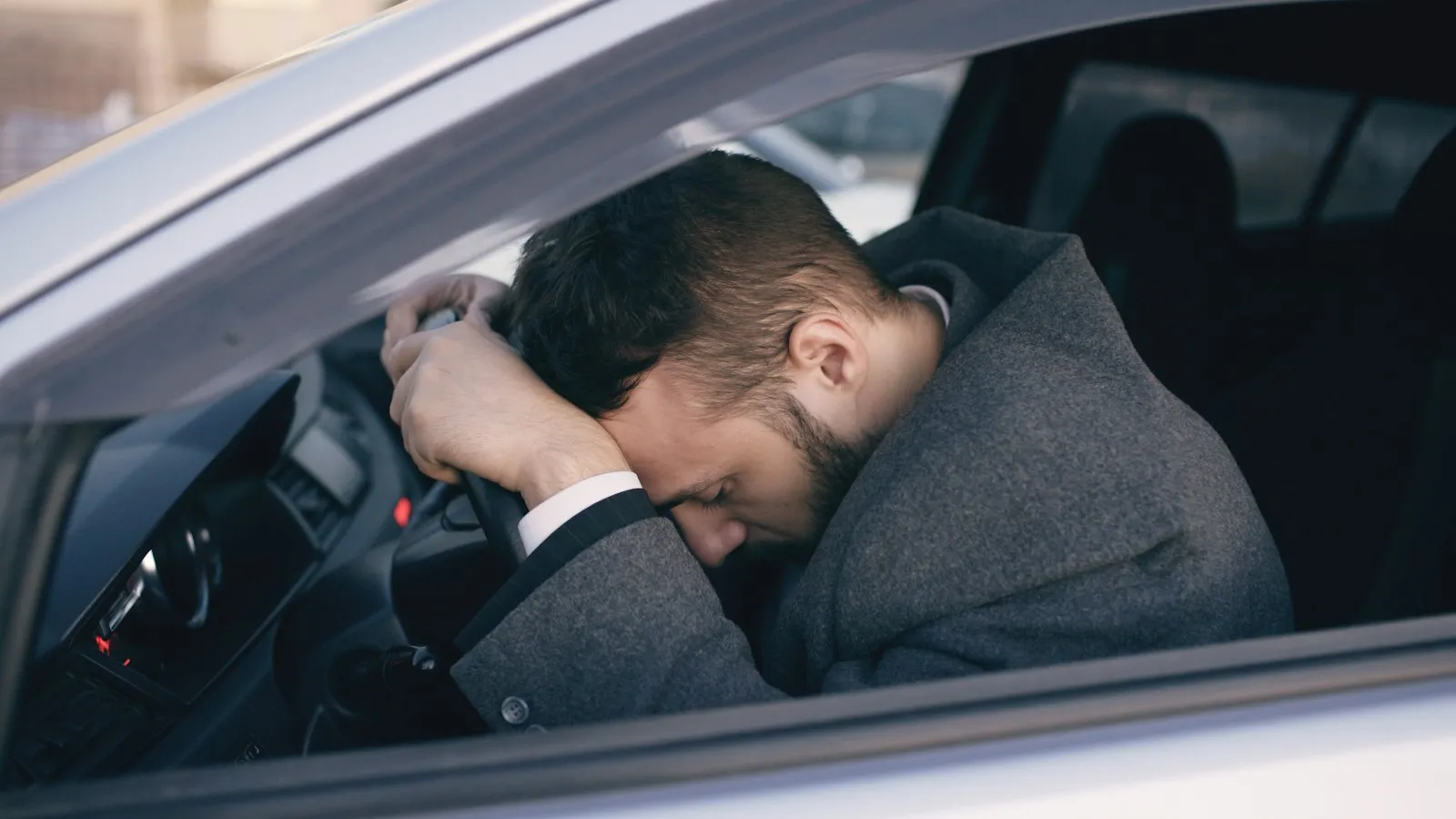
Fatigue crashes are quiet crashes. Nobody was racing, nobody was drunk. This guide explains how these collisions happen on the roads around Queens and Nassau, how a fatigued driver gets proven, and who can be held responsible when the person behind the wheel was working a shift that should have ended hours earlier.
The Hours When the Road Goes Soft
Anyone who has driven the Belt Parkway at four in the morning knows the feeling. The curves along Jamaica Bay come slow and dark, the Van Wyck empties out except for cargo trucks bound for JFK, and the Cross Island bends past Little Neck Bay with black water on one side. Good roads for a tired mind to drift.
Who is out there at that hour? Mostly people who are working or just finished working. Long-haul and regional truckers pushing toward the next drop. Delivery van drivers on early routes. Rideshare drivers stretching one more airport run out of a long night. Nurses, warehouse staff, security guards and restaurant crews heading home after an overnight shift.
The National Highway Traffic Safety Administration’s page on drowsy driving describes fatigue as a real driving hazard, and the warning signs it lists are ones you may recognize from the other car: drifting from the lane, missing exits, trouble remembering the last few miles.
What a Fatigue Crash Looks Like on Paper
A distracted driver usually reacts late. A sleeping driver often does not react at all. That difference shows up in the physical evidence, and it is why these collisions tend to fall into a few familiar shapes:
- Drift-off-the-road crashes. The vehicle leaves its lane gradually, clips a guardrail or median, and sometimes bounces back into traffic.
- Crossover and head-on crashes. On undivided stretches or where a median is low, the car slides into oncoming lanes. Our guide to wrong-way and crossover collisions covers how those cases are built.
- Rear-end impacts at full speed. Traffic slows ahead and the tired driver keeps going. Many of the issues overlap with an ordinary rear-end collision claim, except the speed at impact is often higher.
The common thread is what is missing. No skid marks. No swerve. No horn. Witnesses describe a car that simply kept coming. When a police report notes no evidence of braking before impact, that detail matters more than almost anything else on the page.
Proving the Other Driver Was Too Tired to Drive
Here is the hard part. There is no breath test for sleep. The other driver will rarely admit nodding off, and by the time police arrive, adrenaline has woken them up. So fatigue has to be built from the outside in, one record at a time. In practice, your claim may draw on several of these:
- What the driver said at the scene. “I’ve been up since yesterday” has a way of ending up in a police report.
- Work schedules and timecards. If the driver clocked in at six the previous evening and hit you at five the next morning, the math speaks for itself.
- Phone and app activity. A timeline of calls, texts and app use can show how long someone had been awake and active.
- Rideshare and delivery platform logs. Apps record when a driver was online, how many trips or stops they handled, and when they last took a break.
- Electronic logging devices and logbooks. Most interstate commercial truck drivers are required to record their driving and duty time.
- Vehicle event data. Many modern vehicles store speed, throttle and brake information from the seconds before a crash. A flat line where braking should be is strong evidence.
- Witnesses who saw weaving. Other drivers who watched the vehicle drift for a mile before the crash can describe what the data only implies.
None of these records lasts forever. Phones get replaced, fleets overwrite data, and event recorders can be cleared when a vehicle is repaired or sold. That is why one of the first things a drowsy driving accident lawyer may do is send preservation letters to the driver, the vehicle owner and any employer, demanding that they keep every relevant record intact.

Truckers and the Federal Hours of Service Rules
When the tired driver was operating a large commercial truck, a separate layer of rules comes into play. The Federal Motor Carrier Safety Administration sets hours of service limits for commercial drivers, which cap how long a driver may drive and be on duty and require rest breaks and off-duty periods between shifts.
Those limits exist because fatigue in a heavy vehicle is especially dangerous. If a trucker’s electronic log shows they were over their limit, or if the log and the fuel receipts or delivery records do not match, that gap becomes a central piece of your case.
Trucks heading to and from JFK, the industrial areas near the Van Wyck and the distribution centers off the LIE put these rules in play in Queens every night. Our page on truck accident claims explains more about the parties and insurance involved when a commercial vehicle hits you.
The Legal Theories That Fit a Fatigue Case
You do not need a special “drowsy driving law” to win. Fatigue cases rest on ordinary negligence principles, and several of them tend to work together.
Negligence and the Vehicle and Traffic Law
Breaking a rule of the road without a good excuse is generally treated as negligence by New York courts. A driver who drifts out of their lane may have broken VTL § 1128, which requires drivers on laned roadways to stay as nearly as practicable within a single lane. A driver who crosses into oncoming traffic may have violated VTL § 1120, the rule about keeping to the right. Falling asleep is not an excuse; choosing to drive exhausted is part of the negligence.
The Employer Behind the Driver
Employers are generally responsible for their employees’ negligence on the job. If the tired driver was making deliveries, hauling freight or driving a company vehicle as part of work, the employer may be answerable too. And in some cases the employer’s own conduct is part of the story: a company that schedules back-to-back shifts, pushes impossible delivery windows or looks the other way when drivers exceed their limits may face a claim for its own negligence, not just the driver’s.
The Owner of the Vehicle
Under VTL § 388, whoever owns the car generally answers for a permitted driver’s carelessness. That matters when a worker borrowed a relative’s car to get home from a double shift.
Rideshare Drivers on Long Nights
Rideshare drivers set their own hours, which means some of them drive far longer than they should. App records can show exactly how long a driver had been logged in. Whether the driver was waiting for a ride, en route to a pickup or carrying a passenger can affect which insurance applies, and our page on Uber and Lyft accident claims walks through those layers.
Your First Weeks After the Crash
In the first few days, a handful of practical steps matter more than legal theory.
Get medical care and keep going back. See a doctor promptly and follow up as directed. Gaps in treatment are something insurers like to point to later.
File for no-fault benefits. No-fault insurance generally covers your medical bills and a portion of lost pay no matter who was to blame, and you generally have just 30 days to send in the application. The no-fault claims guide explains the forms and what they cover.
Write down what you saw. Did the car drift for a while before impact? Did you see brake lights? Did the driver say anything? Your memory of those details is evidence, and it fades fast. A simple injury and symptom diary is worth starting the same week.
Report the crash. If anyone was hurt, or property damage tops $1,000, each driver generally must file a DMV Form MV-104 within 10 days.
Talk to a lawyer before the records vanish. The sooner preservation letters go out, the better the odds that logs, timecards and app data are still there to request.

The Serious Injury Threshold and Shared Fault
No-fault covers the basics, but a pain-and-suffering claim against the driver who hit you generally depends on a “serious injury” as defined in Insurance Law § 5102(d). Qualifying injuries include a broken bone, significant disfigurement, permanent consequential limitation of a body organ or member, a significant limitation, and a medically determined injury that kept you from substantially all of your usual activities for 90 of the first 180 days, among others.
Expect the other side to look for ways to share the blame. Were you speeding? Did you change lanes late? New York follows pure comparative fault under CPLR § 1411, so even if some share is put on you, your recovery is reduced by that percentage rather than wiped out. Our article on comparative negligence in New York goes deeper into how that plays out.
The Clock Is Running Whether You Notice It or Not
Most injury lawsuits against a private driver or company in New York generally must be started within three years under CPLR § 214. The evidence in a fatigue case expires much sooner.
Some cases run on a far shorter fuse. If the exhausted driver was operating a city-owned vehicle, a notice of claim generally has to reach the municipality within 90 days under GML § 50-e, and a suit generally must follow within one year and 90 days. If someone died in the crash, the family’s wrongful death case generally carries a two-year limit measured from the date of death.
Why the Firm Takes These Cases Seriously
Yakov Mushiyev & Associates keeps its office beside the Cross Island Parkway, at 1 Cross Island Plaza, so the late-night drift-off is not an abstraction to us. We represent people hurt anywhere in Queens, the other boroughs and Nassau County. Over the years the firm has recovered over $80 million for injured New Yorkers. The first consultation is free, we collect no fee unless we win, and you can speak with us in English, Russian or Spanish. If you cannot come to us, we can meet at your home, in the hospital or by video.
A stranded car on the shoulder is exactly what a worn-out driver fails to see, so our post on roadside and tow truck crashes may also be useful. For a broader look at how these claims move through the courts, see the car accident practice page. When you are ready to talk it through, reach out to our office or call 718.775.3110.
Frequently Asked Questions About Drowsy Driving Crashes
The other driver says they just looked away for a second. Can I still prove fatigue?
Often, yes. Fatigue is usually proven through surrounding facts rather than a confession: how long the driver had been working, phone and app activity, logbooks for commercial drivers, vehicle data showing no braking, and witnesses who saw the car weaving. A drowsy driving accident lawyer will try to gather those records before they are lost.
What if the tired driver was working for a delivery company or a rideshare app?
The employer or the company whose vehicle was involved may be responsible along with the driver. Employers are generally answerable for employees’ negligence on the job, and a company that pushed excessive shifts may have its own liability. Rideshare insurance can depend on whether the driver was logged in, heading to a pickup or carrying a passenger.
Does it matter that there were no skid marks?
It can help your case. A complete lack of braking before impact is one of the classic signs that a driver was asleep or nearly so. It also tends to undercut any claim that you suddenly cut in front of them, since an alert driver usually reacts in some way.
Should I call a drowsy driving accident lawyer even if my injuries seem minor?
A conversation costs nothing, and it can help you understand whether your injuries may meet the serious injury threshold as your treatment continues. Some injuries look minor in the first week and turn out to be more serious after imaging and follow-up visits.
How quickly do I need to act?
The general deadline for most injury suits in New York is three years, but claims involving city vehicles have a 90-day notice requirement, and no-fault applications are generally due within 30 days. Records that prove fatigue, such as electronic logs and app data, can disappear much sooner than any legal deadline.
Visit Yakov Mushiyev & Associates
Our office is at 1 Cross Island Plaza, Suite 325, Rosedale, NY 11422, just off the Cross Island Parkway on the Queens–Nassau border. If you can’t come to us, we’ll come to you: at home, in the hospital or by video.

Talk to a New York drowsy driving accident lawyer today
Yakov Mushiyev & Associates has recovered over $80 million for injured New Yorkers across the five boroughs and Nassau County. Consultations are free, available in English, Russian and Spanish, and there is no fee unless we win.
Call 718.775.3110 or contact us online for a free case review.
This article is general information, not legal advice. Every case is different. Attorney Advertising.