
An e-bike crash happens in a second, but the claim that follows it plays out over months. If you are searching for an e-bike accident lawyer in Bellerose, you are probably somewhere on that timeline right now: maybe still sore from yesterday, maybe a few weeks in and wondering why nobody is paying your physical therapy bills. This guide is organized by time because the things that protect your case change as the days go by. What matters most in the first hour is not what matters most in month six.
E-bikes have become part of everyday life in eastern Queens. Delivery riders work Hillside Avenue and Jamaica Avenue at all hours, commuters use them to reach the subway or the LIRR, and plenty of neighbors ride them simply because they are fun. New York law has caught up with them in some ways and not in others, which is exactly why the order of your next steps matters.
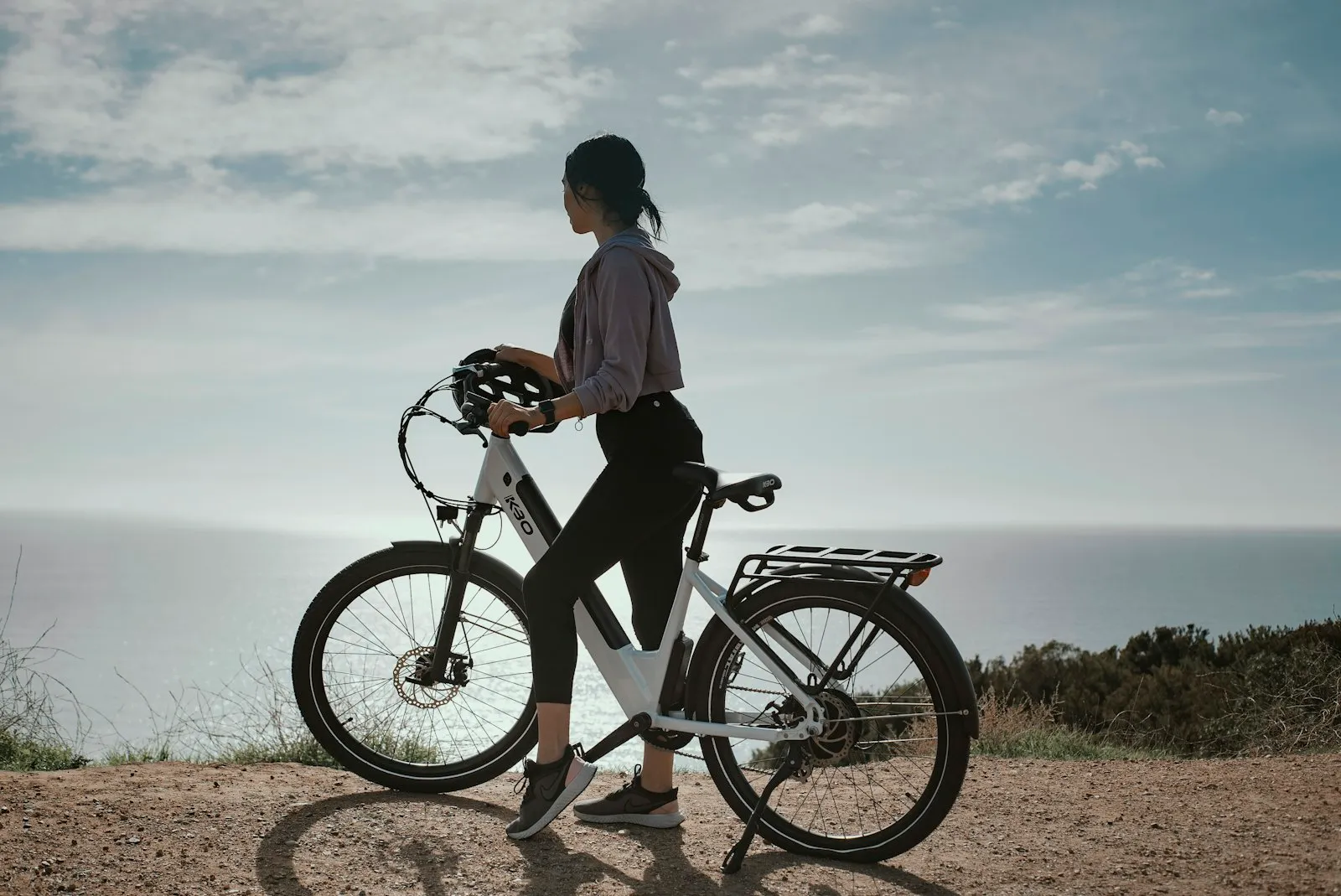
The First Hour: Safety, Then Evidence
If you can move safely, get yourself and the bike out of traffic. Then, if you are able, focus on the few things that are hardest to recreate later:
- Call 911. Ask for police and an ambulance if you are hurt. In Bellerose, officers from the NYPD’s 105th Precinct typically respond. A police report puts the crash on the record and identifies the driver.
- Identify the vehicle. Plate number, make, model and color. If it is a commercial van or a for-hire vehicle, photograph any company name or TLC plate.
- Photograph everything. The car, your e-bike where it fell, the road surface, traffic signals, the bike lane if there is one, and your visible injuries.
- Find witnesses. Other riders, pedestrians and shop workers along the block often saw what happened. Get a phone number, not just a name.
- Do not argue about fault. Riders are often blamed reflexively. Let the evidence speak.
If a driver wants to “keep insurance out of it,” decline. If the driver leaves, try to note the direction of travel and anything distinctive about the vehicle; a hit-and-run is still a claim.
The First Day: Medical Care and the Paper Trail
E-bike crashes produce injuries that are easy to underestimate in the moment: wrist and collarbone fractures from bracing a fall, knee and shoulder tears, road rash that becomes infected, and concussions even with a helmet. Get checked the same day. Long Island Jewish Medical Center, on the Queens–Nassau line in New Hyde Park, is the nearby trauma hospital for many Bellerose riders.
Tell the medical staff exactly how the crash happened: “I was riding an e-bike and a car turned into me.” That sentence in your chart connects your injuries to the collision. Mention every symptom, including headache, dizziness, or numbness, even if they seem minor.
Before you go to sleep that night, write down what you remember: the time, the location, the direction you were riding, what the driver said. Memory fades quickly, and your notes will help your lawyer later.
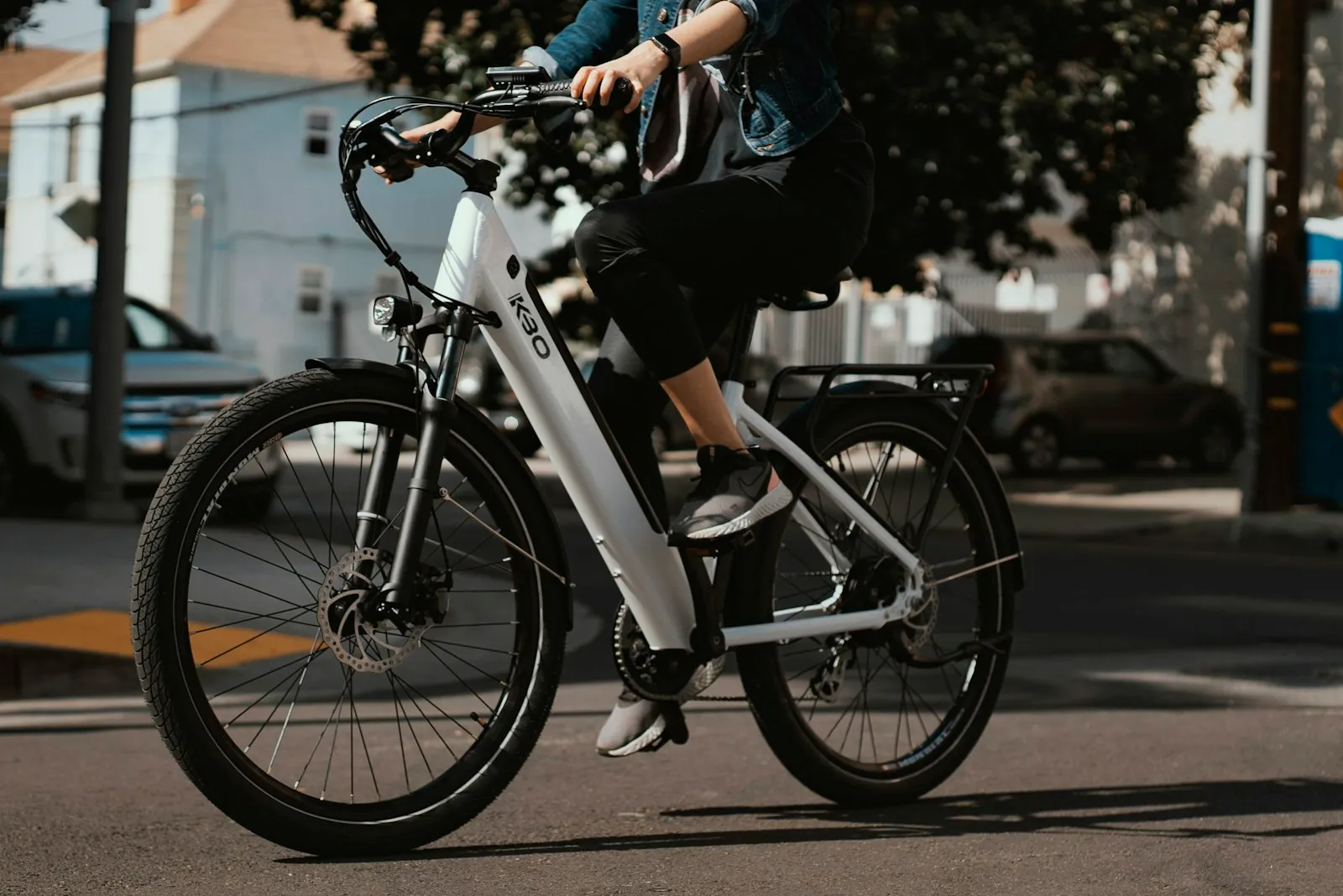
The First Week: Who Pays the Medical Bills?
This is where e-bike cases get confusing. New York’s no-fault system under Insurance Law §5102 pays medical bills and some lost wages regardless of fault, but it is built around motor vehicles. An e-bike rider generally does not have personal no-fault coverage for the e-bike itself. However, if a motor vehicle struck you, that vehicle’s no-fault coverage is generally where your medical benefits start, much as it would be for a pedestrian.
The no-fault application is generally due within 30 days of the crash. That deadline is the one people miss most often, because in the first week they are focused on getting better, not on forms. If no car was involved, for example if you were thrown by a pothole or a broken grate, no-fault usually does not apply, and your own health insurance becomes the first line of payment while we look at who is responsible for the road.
In week one you should also:
- Keep the e-bike exactly as it is. Do not repair it, sell it or throw it away. Its damage shows the force and direction of the impact.
- Keep your helmet, clothing and shoes, unwashed and in a bag.
- Save your ride data. Many e-bikes, apps and phones record speed and location. Screenshot it before it auto-deletes.
- Decline recorded statements to the driver’s insurer until you have spoken with a lawyer.
The First Month: Building the Case
By the end of the first month, a good lawyer is already working on the parts of the case you cannot see. For an e-bike crash, that usually includes requesting the police report, sending preservation letters for video from nearby homes and businesses before it is overwritten, identifying the driver’s insurance and any commercial policies, and checking whether the street design, signal timing or lack of a bike lane played a role. The City’s Department of Transportation maintains public information on street projects, and Vision Zero tracks safety initiatives.
There is a second, shorter deadline to watch in month one. If a City vehicle hit you, or if a City-maintained street defect caused the crash, a Notice of Claim generally must be served within 90 days under General Municipal Law §50-e. That clock runs whether or not you are still in treatment.
One more thing we check in the first month: whether your e-bike was legal. Under VTL §102-c, New York recognizes three classes of bicycles with electric assist. Classes 1 and 2 top out at 20 mph, and class 3, permitted in New York City, at 25 mph. A higher-powered machine may be legally a moped or “limited use motorcycle” that needs registration, plates and insurance. That classification can change how insurance applies, which is why we ask about your model early.
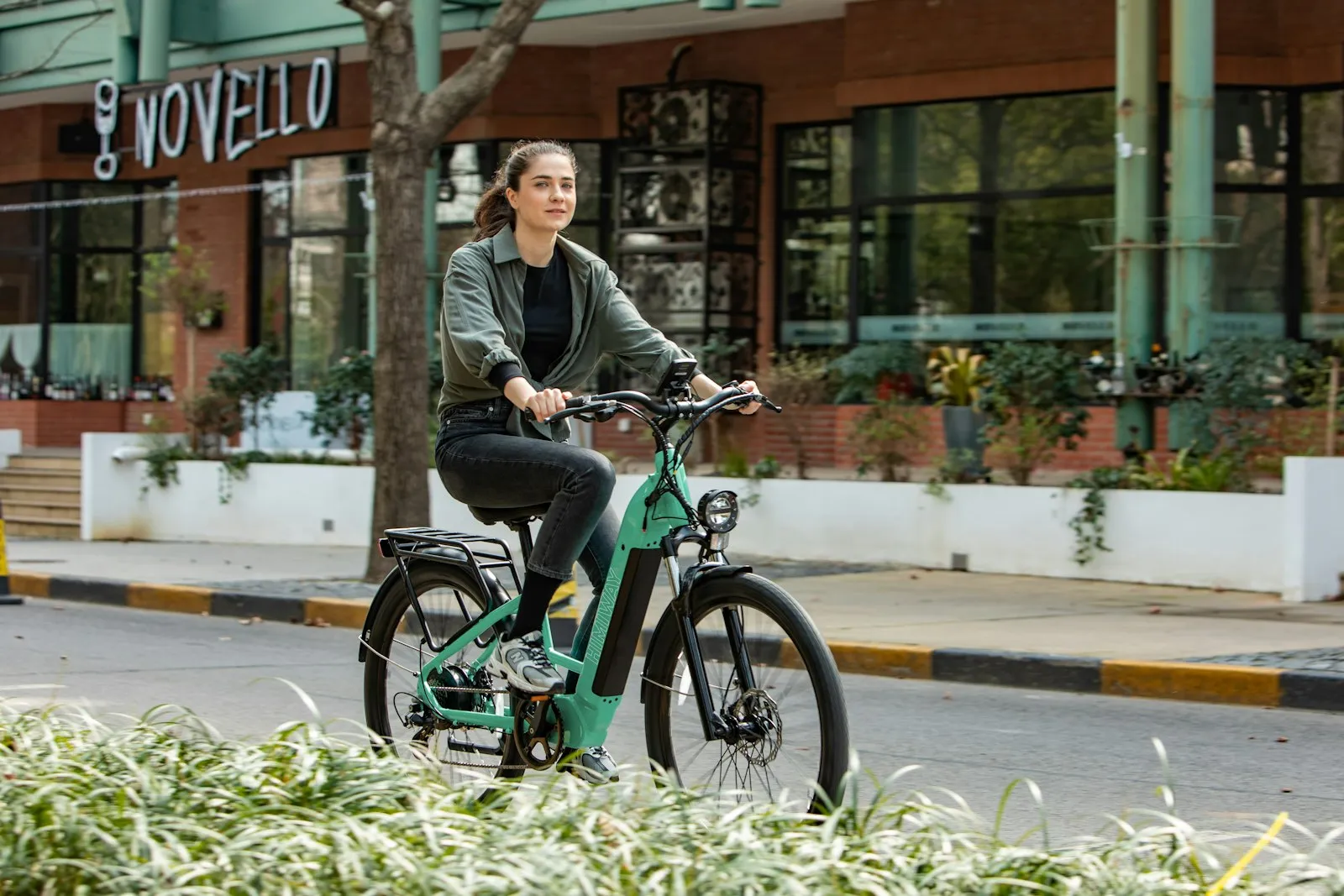
Months Two Through Six: Treatment, Threshold and Patience
To recover for pain and suffering from a driver in a motor vehicle case, New York requires a “serious injury” as defined in §5102(d). Fractures qualify. So can significant or permanent limitations, documented with imaging and range-of-motion testing. The way you prove those categories is consistent, documented treatment: orthopedic visits, MRIs when indicated, physical therapy, and follow-ups.
Gaps hurt. If you stop therapy for two months, the insurer will argue you healed. If you return to delivery work too soon and re-injure yourself, the insurer will blame the second incident. Tell your doctors about the physical demands of your job so their notes reflect what you can and cannot do.
It is normal in this phase to feel that nothing is happening. Behind the scenes, your lawyer should be collecting medical records and bills, documenting lost income, and building a damages picture that includes the things that do not show up on a bill, like lost sleep, missed family events, and the fear of riding again.
The First Year: Negotiation or Lawsuit
Somewhere between six and twelve months, many e-bike cases reach a point where the medical picture is clear enough to value. If your doctors expect permanent limitations, we may have their opinions in writing. At that point a claim can be presented to the insurer with full documentation, and negotiations begin. Not every case settles. If the insurer will not be fair, we file suit, typically in Queens County Supreme Court on Sutphin Boulevard in Jamaica.
Keep the long deadline in view, too. Most personal injury claims must be filed within three years under CPLR 214. Wrongful death claims generally must be filed within two years of the death. Waiting until year three to call a lawyer leaves very little room to recover evidence that disappeared in month one.
Update for 2026: Motor-vehicle tort reform signed in late May 2026 applies to motor-vehicle lawsuits filed on or after that date, but not to death cases. It eliminates the 90/180-day serious-injury category, has juries decide fault before deciding serious injury, adopts a modified comparative fault rule under CPLR 1411(b) so a plaintiff more than 50% at fault recovers nothing, and caps pain-and-suffering at $100,000 for plaintiffs who were driving uninsured, convicted of impaired driving, or committing a felony. For e-bike riders who are often blamed by default, the new fault rule makes early evidence like video and witness statements more important than ever.

When the E-Bike Itself Is the Problem
Not every e-bike injury involves a car. Sometimes brakes fail, a frame cracks, or a battery overheats. In those cases, the claim may be against the manufacturer, distributor or seller of the bike or battery rather than a driver. Product cases depend heavily on the physical evidence, so the rule from week one applies twice over: keep the bike, the battery, the charger and the receipt, and do not let anyone take them for “inspection” without your lawyer’s involvement.
How Our Firm Helps E-Bike Riders
Yakov Mushiyev & Associates, P.C. represents e-bike riders, cyclists and pedestrians throughout eastern Queens. Our Bellerose e-bike accident lawyer page gives a quick overview, and our Bellerose personal injury lawyer hub covers the full range of neighborhood cases. For how different e-bike classes, scooters and mopeds are treated under the law, see our companion piece on the electric bike accident lawyer in Bellerose. If you ride a traditional bike, our neighborly guide for the bicycle accident lawyer in Bellerose is written for you and your family.
- Free consultation and no fee unless we win.
- Consultations in English, Russian and Spanish.
- Home, hospital or video visits.
- We handle the no-fault filing, insurer calls and evidence preservation.
Getting to Our Office from Bellerose
Our office is at 1 Cross Island Plaza, Suite 325, Rosedale, NY 11422, and we are open Monday through Friday, 9 a.m. to 6 p.m. From Bellerose, take the Cross Island Parkway south toward the Belt Parkway; 1 Cross Island Plaza sits right off the Cross Island in Rosedale, roughly a 15 to 20 minute drive depending on traffic. If your injuries keep you home, we will come to you.
Wherever you are on the timeline, it is not too early to call an e-bike accident lawyer in bellerose. Reach us at 718.775.3110 or send a message. You can also read our FAQ or learn about our broader personal injury practice.
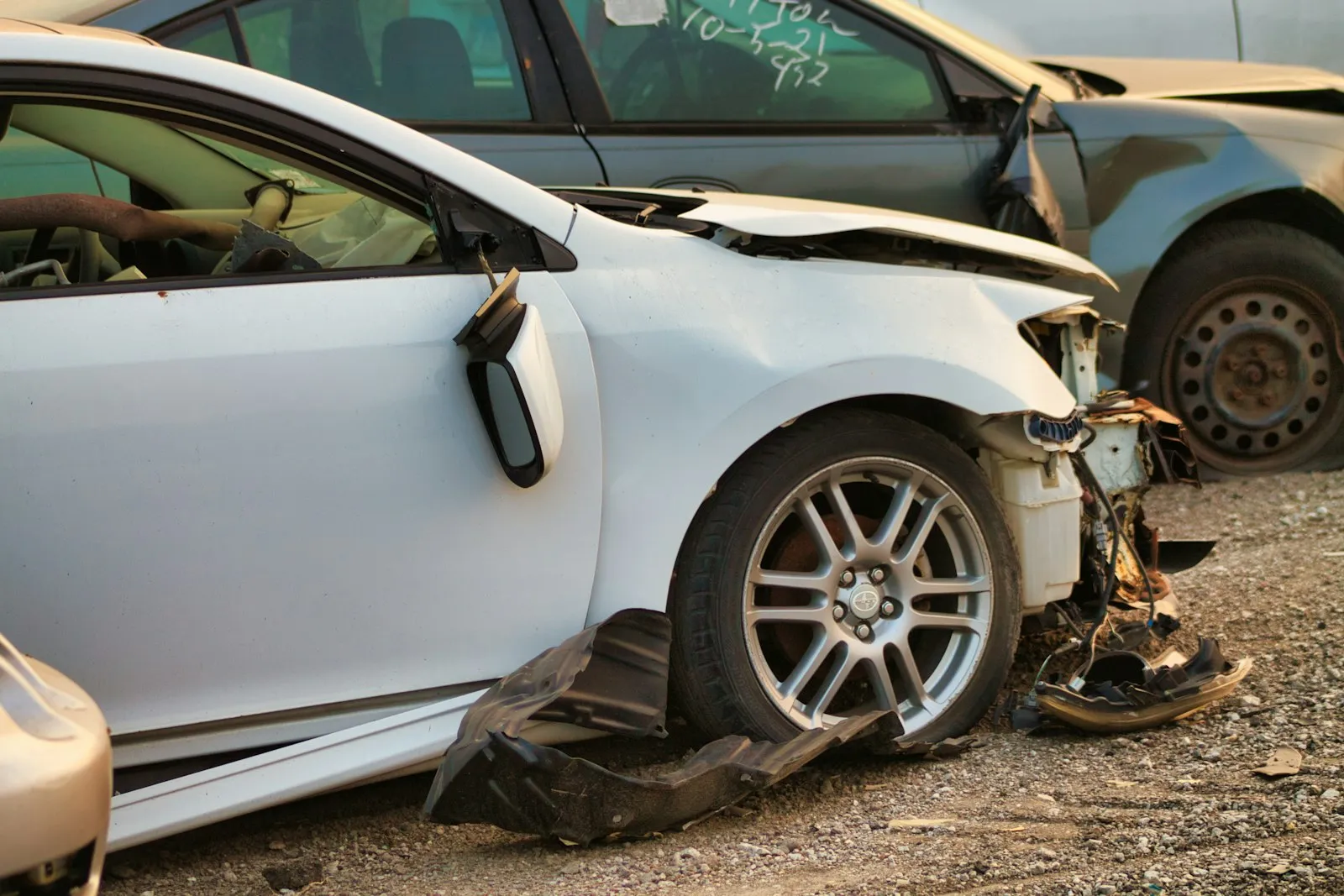
Frequently Asked Questions
Does my car insurance cover me if I crash on my e-bike?
Generally, your own auto policy’s no-fault coverage is not designed for e-bike riding. If a motor vehicle struck you, that vehicle’s no-fault coverage usually pays your medical bills. Your own policy may still matter for underinsured motorist claims, so bring it to your consultation.
Can I recover if I wasn’t wearing a helmet?
Usually yes. Helmet rules depend on your age, the class of e-bike and other factors, and not wearing one does not cause a crash. The defense may argue it worsened a head injury, which can affect damages, so the issue should be addressed with medical evidence.
I was making a delivery when I was hit. Does that change anything?
It can. Depending on your work arrangement, other benefits may be available in addition to a claim against the driver. Tell us who you were working for and how you are paid, and we will sort out what applies.
Where are e-bike crashes common around Bellerose?
Busy commercial corridors like Hillside Avenue and Jamaica Avenue, where turning traffic, double-parked vehicles and opening car doors meet heavy bike and delivery traffic, are frequent trouble spots, along with intersections near the Cross Island Parkway ramps.
How long do I have to bring an e-bike accident claim?
Generally three years for a personal injury lawsuit, but the no-fault application is due within 30 days and claims involving City vehicles or City roads require a Notice of Claim within 90 days. Call early so no deadline slips.
This article is general information, not legal advice. Attorney Advertising. Prior results do not guarantee a similar outcome.