
After an e-scooter crash, people suddenly get hit with a wall of unfamiliar words: no-fault, PIP, serious injury threshold, Notice of Claim, comparative fault, MVAIC. If you are searching for an electric scooter accident lawyer in Bellerose, odds are you are hurt, you are behind on work, and you are trying to figure out whether you even have a case. This guide is built around a glossary. We define the terms you will hear in the order you are likely to hear them, explain what each one means for a rider in eastern Queens, and point out the places where e-scooter claims work differently from car crashes.
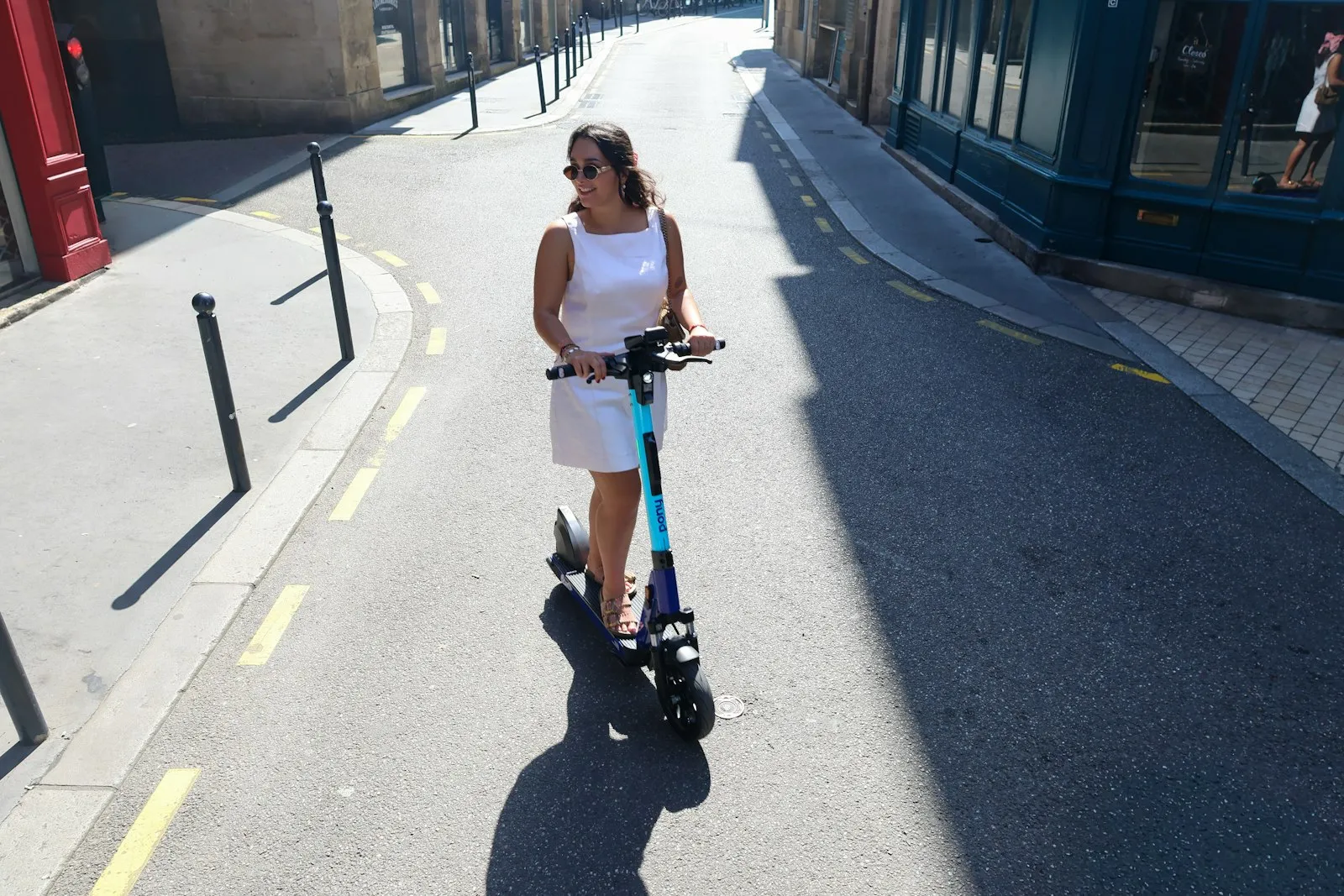
This page is specifically about stand-up electric scooters, the kind with a deck, a handlebar stem and a throttle. If you were on a non-motorized kick scooter, our scooter accident evidence guide covers how we investigate those crashes. If you were on a seated, plated machine, see our moped accident article. And for pedal-assist and throttle bikes, our e-bike accident post is the right starting point.
Part One: What Kind of Vehicle Were You On?
The law sorts small electric vehicles into categories, and the category decides which rules and which insurance apply. Start here.
Electric scooter (e-scooter)
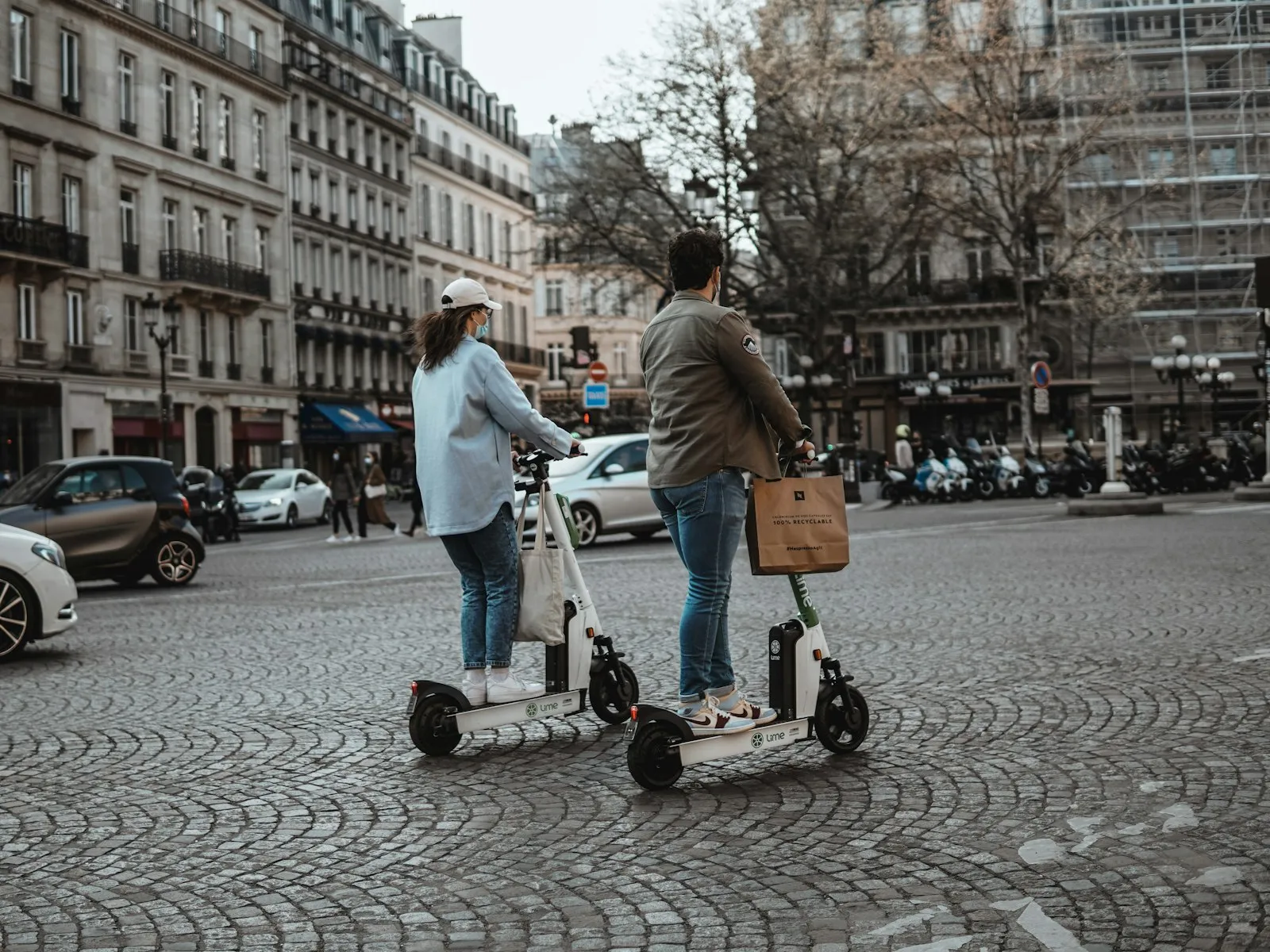
Plain English: a stand-up scooter powered by an electric motor, usually with a small deck and no seat. Legal meaning: New York defines it in Vehicle and Traffic Law §114-e. E-scooters are legal to ride in New York City, with a maximum speed of 15 mph. Riding on the sidewalk is generally not allowed in the city, so most riders are in the street or a bike lane, which is exactly where they share space with cars, buses and trucks.
Bicycle with electric assist (e-bike)
Plain English: a bicycle with pedals and a motor. Legal meaning: New York splits these into classes 1, 2 and 3 under VTL §102-c. Class 3 e-bikes may go up to 25 mph in NYC. This is a different category from an e-scooter, even though the insurance picture after a crash is similar.
Moped or “limited use motorcycle”
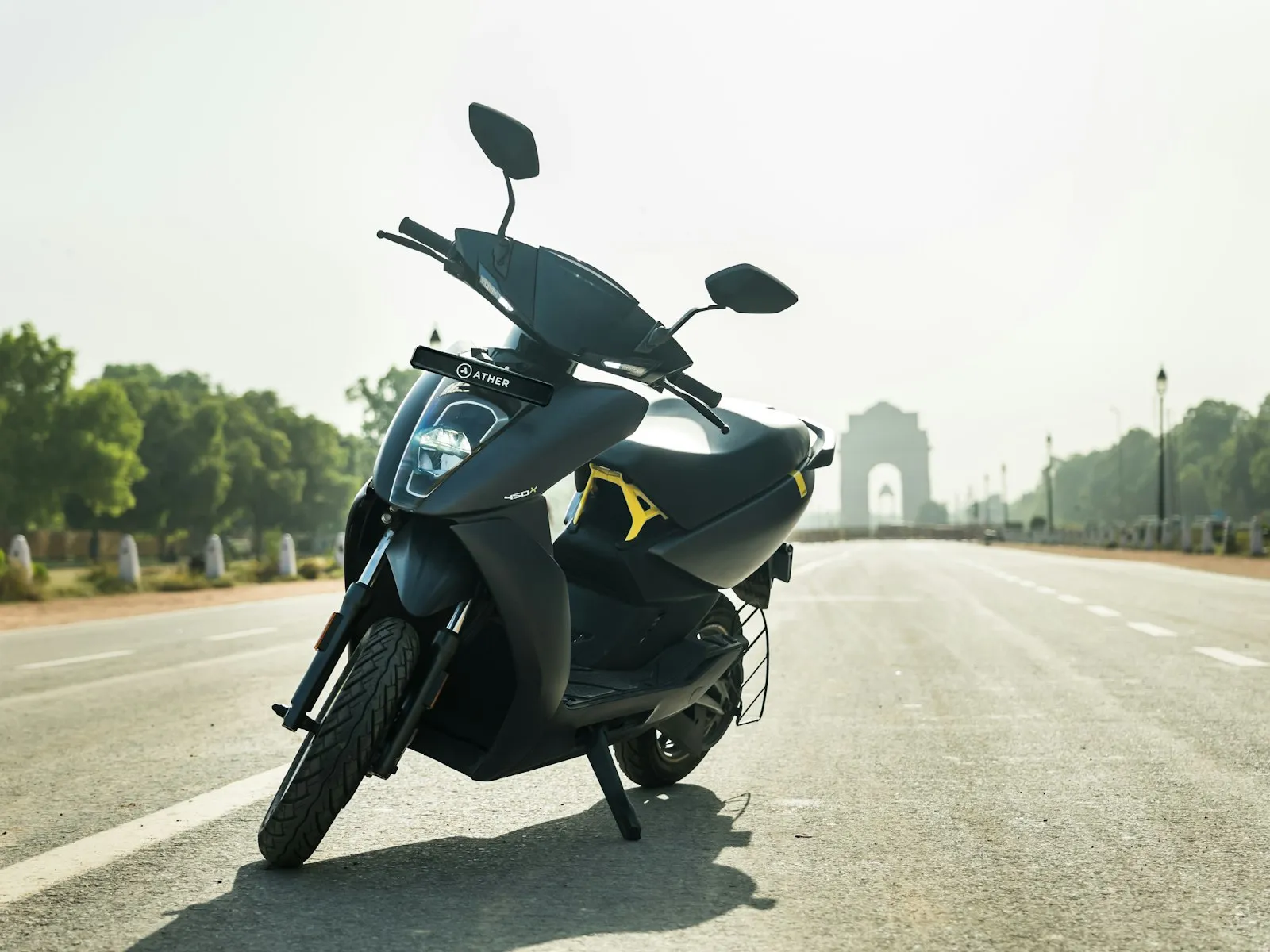
Plain English: a seated scooter that looks like a small motorcycle. Legal meaning: these need registration, plates and insurance through the New York DMV. If your “scooter” has a seat and goes faster than an e-scooter is allowed to, it may legally be a moped, and the rules change.
| Vehicle | Key NY rule | Registration and insurance? |
|---|---|---|
| Electric scooter | VTL §114-e; 15 mph max in NYC | No registration; no no-fault policy of its own |
| E-bike (class 1–3) | VTL §102-c; class 3 up to 25 mph in NYC | No registration; no no-fault policy of its own |
| Moped / limited use motorcycle | Must be registered and plated | Yes — registration, plates and insurance required |
| Motorcycle | Full motor vehicle rules | Yes, but excluded from no-fault PIP |
Part Two: Insurance Words You Will Hear First
No-fault insurance
Plain English: insurance that pays certain crash costs no matter who caused the crash. Why it matters to you: an e-scooter does not carry its own no-fault policy. But if a car, truck, bus or other motor vehicle hit you, that vehicle’s no-fault coverage generally pays your reasonable medical bills and a share of lost earnings, regardless of fault. The rules are in Insurance Law §5102, and the NY Department of Financial Services regulates no-fault carriers.
PIP (Personal Injury Protection)
Plain English: another name for the no-fault benefits themselves. The numbers: basic PIP is $50,000 per person. If the vehicle that hit you was an Uber, Lyft or taxi on a trip that started in New York City, TLC rules require higher minimums; check the NYC TLC for current figures.
The 30-day application
Plain English: the no-fault claim form. Why it matters: it is generally due within 30 days of the crash. Miss it and benefits can be denied. This is one of the very first things we help clients file.
“No vehicle involved” crashes
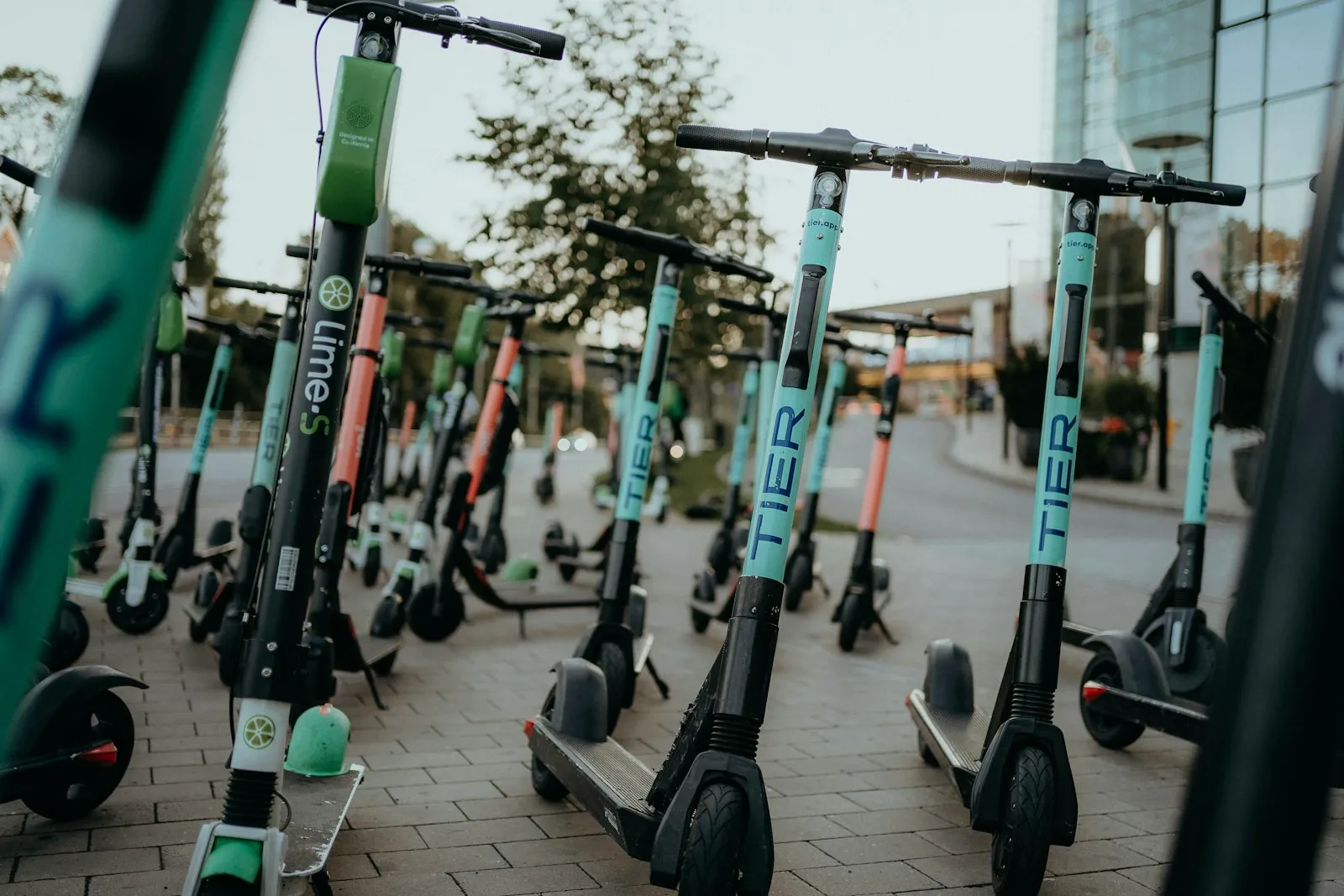
Here is where e-scooter cases diverge from car cases. If no motor vehicle was involved — you hit a pothole, collided with another scooter or an e-bike, or the scooter itself failed — there is usually no no-fault coverage to tap. Your own health insurance typically handles treatment, and any recovery for the rest of your losses comes from a claim against whoever was responsible: a property owner, a contractor, the City, another rider, or the company that made or sold a defective scooter.
Part Three: Words That Decide Whether You Can Sue
Serious injury threshold
Plain English: a minimum injury level you must reach before you can sue a driver for pain and suffering. Legal meaning: Insurance Law §5102(d) lists categories such as fractures, significant limitation of use of a body function or system, permanent consequential limitation and permanent loss of use. E-scooter crashes often produce wrist, elbow, collarbone, ankle and facial fractures, as well as head injuries, many of which can qualify. Strong, consistent medical documentation is how you prove it.
Negligence
Plain English: careless conduct that hurts someone. A driver who turns left across a bike lane without looking, a delivery van that doors a rider, or a contractor who leaves an unmarked trench in the street may all be negligent.
Comparative fault
Plain English: when both sides share blame, the recovery is reduced by the injured person’s share. Legal meaning: CPLR 1411. Insurers love to argue that an e-scooter rider was going too fast, riding on the sidewalk or weaving through traffic. Evidence such as video, witness statements and the scooter’s own app data can push back.
Update for 2026: Motor-vehicle tort reform signed in late May 2026 changed several of these definitions for motor-vehicle lawsuits filed on or after its effective date (wrongful death cases excluded). A plaintiff more than 50% at fault can no longer recover in those cases; the 90/180-day category was removed from the serious injury list; juries decide fault before deciding serious injury; and pain-and-suffering damages are capped at $100,000 for plaintiffs who were driving uninsured, convicted of impaired driving, or committing a felony. Non-motor-vehicle cases, such as an e-scooter crash caused only by a road defect or a defective battery, still follow pure comparative fault.
Product liability
Plain English: holding a manufacturer, distributor or seller responsible for a dangerous product. E-scooter examples: a folding mechanism that collapses mid-ride, brakes that fail, a stem that snaps, or a lithium-ion battery that overheats or catches fire. If you suspect a defect, keep the scooter, its charger and the box or receipt exactly as they are. Recall information may be posted by federal safety agencies; NHTSA covers motor vehicles, while consumer products like e-scooters generally fall under consumer product safety rules.
Part Four: Deadline Vocabulary
- Statute of limitations: the deadline to file a lawsuit. For most injury claims in New York it is three years under CPLR 214.
- Notice of Claim: a formal notice that must be served on a public entity — New York City, NYC Transit or an MTA bus operator, a Sanitation truck, a Department of Education school bus — within 90 days under General Municipal Law §50-e. The lawsuit itself must follow within one year and 90 days. If a city pothole or an MTA bus played a role in your e-scooter crash, this is the deadline that matters most.
- Wrongful death: when a crash is fatal, the family generally has two years from the date of death.
- Nassau notice rules: Bellerose sits right on the county line. A crash on the Nassau side involving a county vehicle or NICE bus has its own notice-of-claim requirements.
Part Five: Words for When the Driver Is Gone or Uninsured
Hit-and-run / leaving the scene
Leaving the scene of a crash that causes injury is illegal under VTL §600. Report it to police right away; in Bellerose that is the NYPD 105th Precinct in Queens Village.
MVAIC
Plain English: the Motor Vehicle Accident Indemnification Corporation, a safety net for people hurt by uninsured or unidentified motor vehicles. If a car hit your e-scooter and drove off, MVAIC may provide benefits, but it has strict notice and filing requirements.
Supplementary uninsured/underinsured motorist coverage (SUM)
If you or someone in your household owns a car, that policy may include coverage that helps when the at-fault driver has little or no insurance. It is worth checking your household policies early.
Putting the Glossary to Work: Where E-Scooter Crashes Happen Around Bellerose
Knowing the words is half the job; the other half is applying them to real streets. Riders in and around Bellerose deal with busy commercial corridors like Hillside Avenue and Jamaica Avenue, which becomes Jericho Turnpike once you cross into Nassau. Braddock Avenue, Hempstead Avenue, Union Turnpike, Winchester Boulevard and Commonwealth Boulevard all carry steady traffic, and the ramps near the Cross Island Parkway and Grand Central Parkway feed fast-moving cars onto local streets. Common e-scooter crash patterns we see described include left-turning drivers who do not see a rider, drivers pulling out of driveways and parking lots, car doors opening into a rider’s path, and buses or trucks merging toward the curb.
Here is a hypothetical to tie it together. A rider on an e-scooter is heading east on Hillside Avenue near the 240s when a car pulls out of a strip-mall lot without stopping. The rider breaks a wrist. In glossary terms: the car’s no-fault/PIP pays the medical bills if the 30-day application is filed; the wrist fracture meets the serious injury threshold; the driver’s failure to yield is negligence; the insurer argues comparative fault because the rider was “going fast”; and the rider has three years under the statute of limitations to file suit, though waiting is rarely wise.
How We Help E-Scooter Riders
Yakov Mushiyev & Associates, P.C. translates all of this into a plan. We identify every possible source of coverage, file the no-fault application and any Notice of Claim on time, preserve video and app data, and build the medical record that proves the injury. Our Bellerose personal injury team handles the paperwork so you can focus on recovering. If a car was involved, our car accident practice explains more about claims against drivers, and our FAQ page covers general questions.
Consultations are free, and there is no fee unless we win. We speak English, Russian and Spanish, and we can meet you at home, in the hospital or by video.
Getting to Our Office from Bellerose
We are at 1 Cross Island Plaza, Suite 325, Rosedale, NY 11422, Monday through Friday from 9 to 6. From Bellerose, take the Cross Island Parkway south toward the Belt Parkway. Our building sits right off the Cross Island in Rosedale, and the trip is usually about 15 to 20 minutes depending on traffic. If you cannot drive because of your injuries, just tell us — we will come to you.
Speak With an Electric Scooter Accident Lawyer in Bellerose
You should not need a law dictionary to understand your own case. An electric scooter accident lawyer in Bellerose from our office can walk you through which terms apply to you and what to do next. Call 718.775.3110 or contact us online for a free consultation.
Frequently Asked Questions
Are electric scooters legal to ride in Bellerose?
Yes. Bellerose, Queens is part of New York City, where e-scooters are legal under VTL §114-e with a 15 mph speed limit. Riders should generally stay off sidewalks and follow the same traffic signals as bicycles. Rules can differ once you cross into Nassau County villages.
Does my e-scooter need insurance in New York?
E-scooters do not require registration or a no-fault policy the way cars do. That is why, if a motor vehicle hits you, you usually look to that vehicle’s no-fault coverage first. If no vehicle was involved, other sources of recovery have to be identified.
What if my e-scooter battery caught fire or the scooter broke apart?
You may have a product liability claim against the manufacturer, distributor or seller. Do not throw the scooter or charger away, do not try to repair it, and keep the receipt or order confirmation. Photograph everything and contact a lawyer so the device can be preserved for expert inspection.
Which hospital do Bellerose e-scooter crash victims usually go to?
Many are taken to Long Island Jewish Medical Center in New Hyde Park, just over the Queens–Nassau line. Wherever you are treated, ask for copies of your records and imaging, and follow up with your own doctors so there are no gaps in care.
How long do I have to file an e-scooter injury claim?
Generally three years for a lawsuit, but much shorter deadlines can apply: 30 days for the no-fault application and 90 days for a Notice of Claim against the City or MTA. Calling early protects all of those options.
This article is general information, not legal advice. Attorney Advertising. Prior results do not guarantee a similar outcome.