
If you live in Bellerose, you know the rhythm of our corners. The school-morning rush at the crossings near Hillside Avenue. The weekend line of cars waiting to turn onto Jamaica Avenue. The quick dash across Braddock Avenue to grab coffee. Most days, those corners are just part of home. But when a driver rushes a yellow or cuts a left turn too close, a familiar intersection can change a family’s life in a moment. If that happened to you or someone you love, an intersection accident lawyer in Bellerose can help you take a breath, protect your rights and focus on getting better.
We’re Yakov Mushiyev & Associates, P.C., and our office is just down the Cross Island Parkway in Rosedale. We wrote this guide the way we’d explain things to a neighbor over the fence: plainly, honestly and without legal jargon where we can avoid it.
First, Take Care of Your People
Before we talk about insurance or fault, let’s talk about the part that matters most. After a crash at an intersection, the adrenaline can hide pain for hours. Kids may say they’re “fine” because they’re scared. Older parents may not want to make a fuss. Please don’t let anyone talk themselves out of a medical check.
- Call 911 if anyone is hurt, and let the police and EMS do their jobs.
- Get checked the same day, whether at an emergency room, an urgent care or your own doctor. Long Island Jewish Medical Center in New Hyde Park is right on the Queens–Nassau line if you need a hospital nearby.
- Watch children closely for the next few days. Headaches, sleepiness, unusual crankiness or trouble concentrating are worth a call to the pediatrician.
- Write down how everyone feels each day. A simple note on your phone helps doctors, and later it helps your claim.
Once everyone is safe, the legal steps are much easier to handle, and you don’t have to do them alone.
Why Our Neighborhood Intersections Can Be Tricky
Bellerose sits right on the Nassau line, so a lot of traffic passes through on its way somewhere else. Commuters coming off the Cross Island Parkway or Grand Central Parkway, drivers heading toward Jericho Turnpike, delivery vans, buses on Hillside and Jamaica Avenues, and families running errands all share the same corners. Here are some of the situations we hear about most often:
Left turns across busy avenues
Wide two-way roads like Hillside Avenue, Jamaica Avenue and Union Turnpike invite drivers to “beat” oncoming traffic on a left turn. New York law says the turning driver has to yield to oncoming vehicles that are close enough to be a hazard. When a turning driver misjudges the gap, the result is often a side-impact crash. We cover that pattern in detail in our T-bone accident guide.
Red-light and stale-yellow runners
Some drivers treat a yellow light as a dare. A driver who enters on red and hits a car or pedestrian with the green usually bears most of the responsibility, but proving the light phase sometimes takes video or witness help.
Stop signs on side streets
Many residential cross streets in Bellerose and Glen Oaks meet the bigger avenues at stop signs. A “rolling stop” where a driver eases out without really looking is a common source of crashes involving cars, cyclists and walkers alike.
Pedestrians and kids in the crosswalk
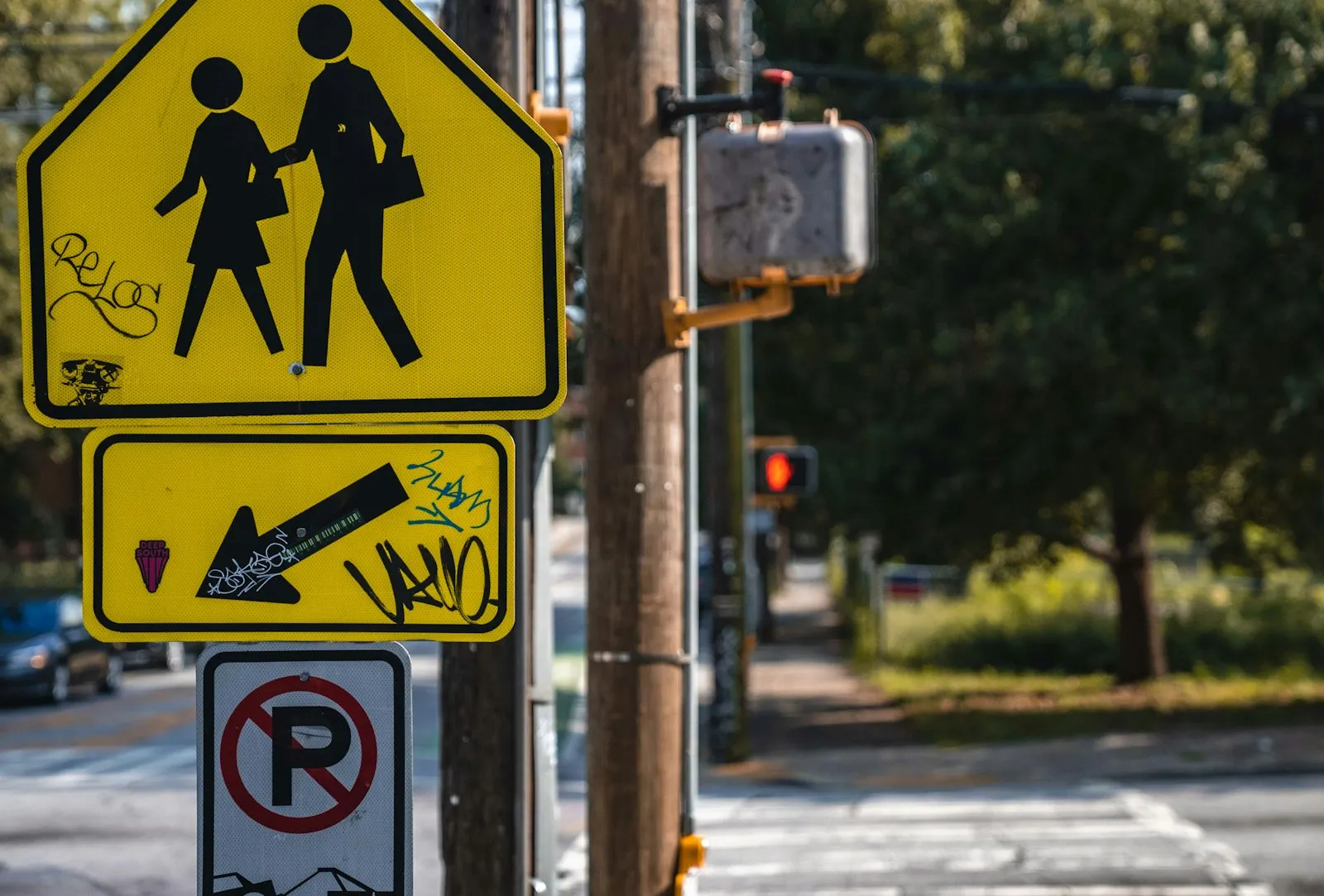
Turning drivers have to yield to people lawfully in the crosswalk. Sadly, children walking to school, older neighbors crossing to the bus stop and parents pushing strollers are among the people most at risk. If a walker was hurt, our pedestrian accident guide goes deeper.
What to Do at the Corner, If You Can
We know it’s hard to think clearly right after a crash. If you’re able, or if a family member or friend can help, these steps make a real difference later:
- Take photos of the cars where they stopped, the traffic light or stop sign, skid marks, debris and any injuries.
- Ask witnesses for their names and phone numbers. The person waiting at the bus stop or the shopkeeper who heard the crash may have seen the light.
- Look around for cameras: storefronts, doorbell cameras on nearby homes, dashcams and buses. Footage is often recorded over within days.
- Get the other driver’s name, license, plate, insurance company and policy number.
- Make sure the police report is made. The NYPD 105th Precinct in Queens Village covers Bellerose.
- Don’t argue about fault at the scene, and don’t apologize. Being polite is fine; admitting blame isn’t needed.
If you couldn’t do any of this because you were hurt, please don’t worry. Much of this information can be gathered afterward, which is part of what we do.
How Insurance Works After an Intersection Crash in New York
New York’s system has two layers, and it helps to see them side by side.
| No-fault (PIP) benefits | A claim against the at-fault driver | |
|---|---|---|
| Who pays | Usually your own auto insurer (or the insurer of the car you were in) | The at-fault driver’s liability insurer |
| Fault needed? | No, it pays regardless of who caused the crash | Yes, you must show the other driver was negligent |
| What it covers | Reasonable medical bills and part of lost earnings, up to the basic $50,000 | Pain and suffering and economic losses beyond no-fault |
| Key requirement | Application within 30 days | Meeting the “serious injury” threshold |
| Pedestrians and cyclists | Usually covered by the striking vehicle’s no-fault | Same claim against the driver |
The “serious injury” threshold lives in Insurance Law §5102(d). It includes things like fractures, significant disfigurement and significant limitation of use of a body function or system. The Department of Financial Services oversees no-fault insurers if you ever have trouble with yours.
Update for 2026: The law changed in late May 2026 for motor-vehicle lawsuits filed on or after that date (not wrongful death cases). Under the new CPLR 1411(b), a person whose fault is greater than 50%, more than the defendants’, can’t recover. The 90/180-day “serious injury” category was eliminated. Juries now decide fault before they decide whether an injury is serious. And pain-and-suffering awards are capped at $100,000 for plaintiffs who were driving uninsured, were convicted of impaired driving, or were committing a felony. If your crash was in December 2025 but your case is filed later, these rules may affect it, so it’s worth asking a lawyer early.
Sharing the Blame: What If Both Drivers Made Mistakes?
Intersection crashes are often “he said, she said” situations. One driver says the light was green; the other says the same thing. Under New York’s comparative fault rule in CPLR 1411, the compensation you receive is reduced by your share of responsibility. Before the 2026 reform, you could recover something even if you were mostly at fault. For newer motor-vehicle lawsuits, that changed, which makes good evidence about the light, speeds and visibility even more important.
Here’s a hypothetical to make it concrete. It isn’t a real case. A mom driving her two kids home on a weekday afternoon is crossing a Bellerose intersection on a green light. A driver coming the other way turns left in front of her. The turning driver’s insurer argues she was going a little fast. If video shows she was close to the limit and had no time to stop, most of the fault stays with the turning driver, where it belongs. Without that video, the argument gets harder.
When the Intersection Itself Is Part of the Problem
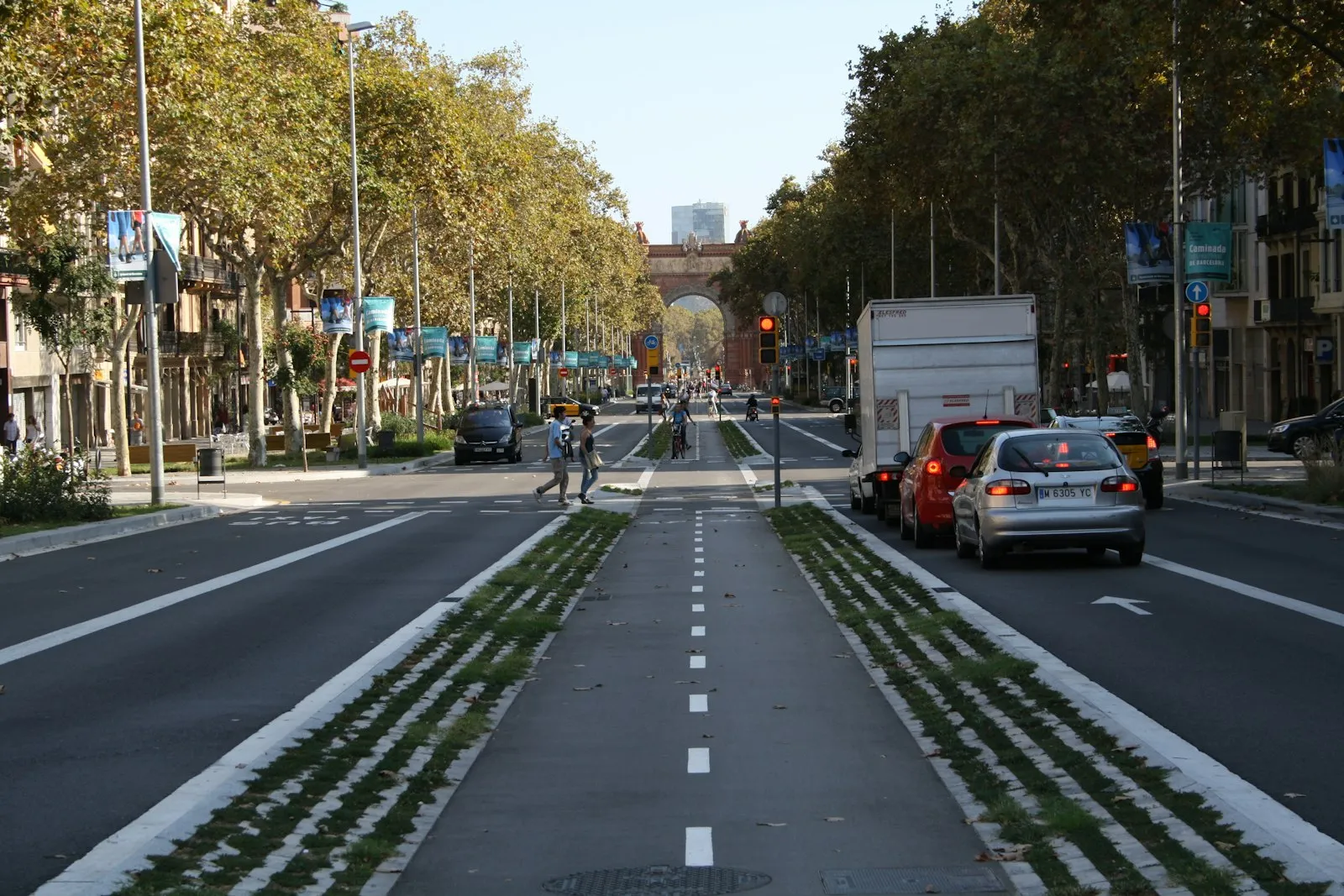
Sometimes it isn’t only a driver’s fault. A traffic signal may be malfunctioning, a stop sign may be knocked down or hidden by overgrown trees, or road markings may be worn away. In New York City, the Department of Transportation is responsible for signals, signs and markings on most city streets, and the City’s Vision Zero program focuses on making dangerous corners safer.
If you believe a City agency or vehicle played a role, the timeline is very short. You generally must file a Notice of Claim within 90 days under General Municipal Law §50-e, usually through the NYC Comptroller, and then sue within one year and 90 days. Just across the line in Floral Park or Bellerose Village, Nassau County and village rules apply instead, with their own notice requirements.
Important Dates for Your Family’s Calendar
- 30 days: file your no-fault application.
- 90 days: Notice of Claim if the City, NYC Transit or another public entity may be responsible.
- 2 years from death: wrongful death claims under EPTL §5-4.1.
- 3 years: most injury lawsuits against private drivers under CPLR 214.
These deadlines don’t pause while you’re recovering. Calling early simply gives you more options.
How We Help Families From Bellerose and Nearby
We’ve built our practice around being approachable. When you call, you’ll talk with people who listen. We’ll explain your no-fault benefits, help get the forms filed on time, request the police report, look for video and witnesses, and keep in touch with your doctors so your records tell the full story. When the insurance company calls, they’ll call us, not you.
- Free consultation, and no fee unless we win
- Consultations in English, Russian and Spanish
- Home, hospital or video visits if getting out is hard right now
- Help for drivers, passengers, pedestrians and cyclists hurt at the same intersection
You can read more about Yakov Mushiyev, explore our car accident practice, or visit the Bellerose personal injury page. If a bike was involved, see our Bellerose bicycle accident page.
Getting to Our Office from Bellerose
We’re at 1 Cross Island Plaza, Suite 325, Rosedale, NY 11422, open Monday through Friday from 9 to 6. From Bellerose, hop on the Cross Island Parkway heading south toward the Belt Parkway. 1 Cross Island Plaza sits right off the Cross Island in Rosedale, about a 15 to 20 minute drive depending on traffic. If driving isn’t comfortable right now, just tell us; we’re happy to come to you or meet by video.
Let’s Talk, Neighbor to Neighbor
You don’t need to have everything figured out before you call. Just tell us what happened at the corner and how your family is doing. An intersection accident lawyer in Bellerose from our team will walk you through your options, with no pressure and no cost for the conversation. Call 718.775.3110 or reach us online.
Frequently Asked Questions
Who is at fault when two drivers both say they had a green light?
That depends on the evidence. Video from nearby stores or homes, signal timing records, witness accounts, the damage on each car and vehicle data can all help show what really happened. The driver who entered against the signal, or failed to yield on a left turn, usually carries most of the responsibility.
My child was in the car. Does my child have a separate claim?
Yes. Each person injured in a crash has his or her own claim, and children’s claims have special protections under New York law, including court approval of any settlement. Make sure your child is checked by a doctor, even if the injuries seem small.
Which police precinct handles crashes in Bellerose?
The NYPD 105th Precinct, based in Queens Village, covers Bellerose. If the crash happened just over the line in Bellerose Village or Floral Park, Nassau police or the local village police may respond instead, and the report will come from them.
What if a broken traffic light caused my crash?
A malfunctioning signal may point to a claim against a government agency, which comes with very short deadlines. In New York City, a Notice of Claim generally must be filed within 90 days. Call a lawyer quickly so that deadline isn’t missed.
Can you meet with my elderly parent who was hurt at a crosswalk?
Of course. We often meet older clients at home or in the hospital, and we offer consultations in English, Russian and Spanish. Family members are welcome to join the conversation.
This article is general information, not legal advice. Attorney Advertising. Prior results do not guarantee a similar outcome.