
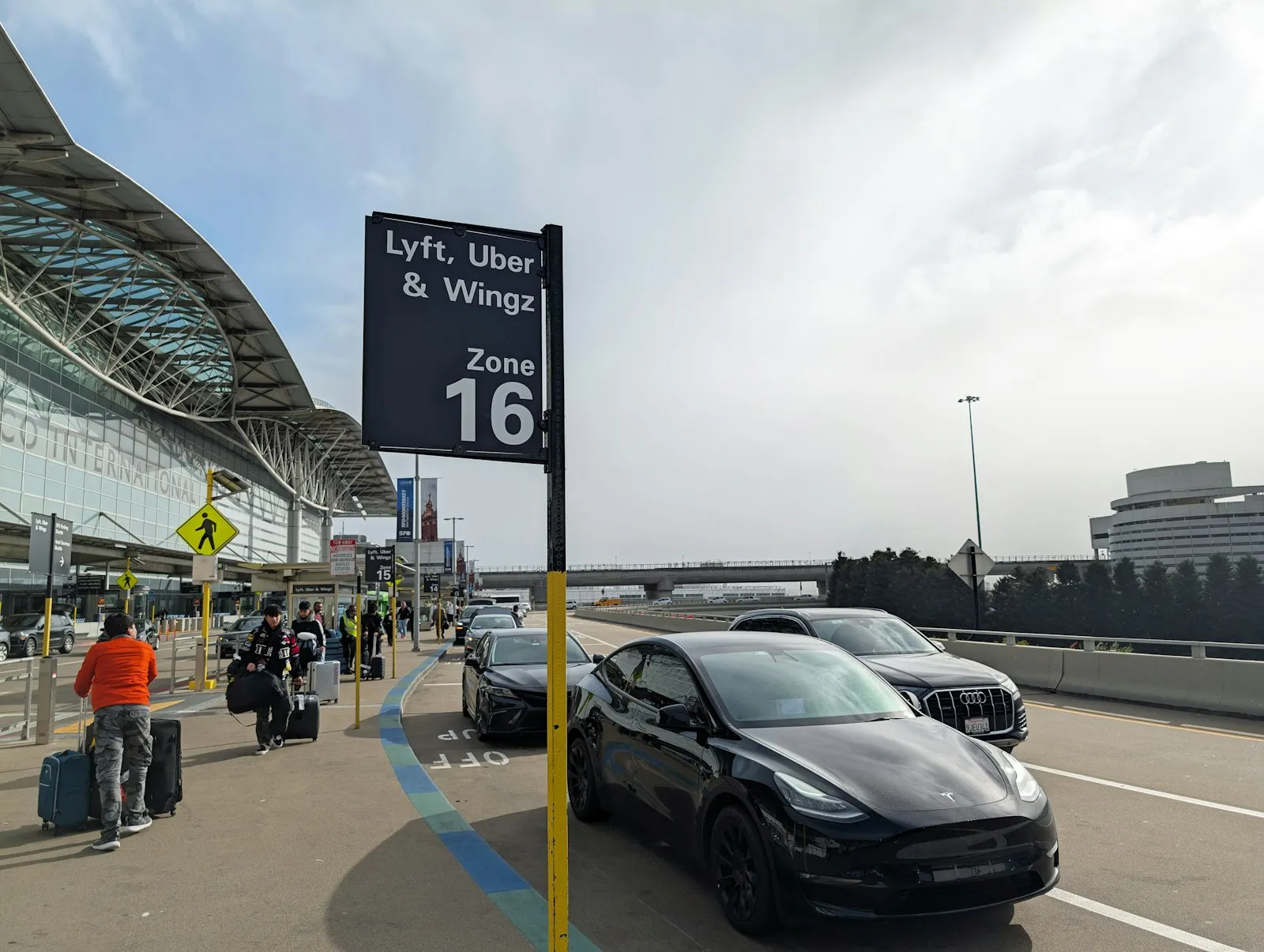
Jamaica is where Queens meets the airport. The AirTrain from JFK ends at Sutphin Boulevard, the Long Island Rail Road and the E, J and Z trains meet it there, and a steady line of Lyft cars waits to carry travelers and their suitcases the rest of the way. That traffic creates a specific kind of crash: the airport ride. This article explains what happens legally when a Lyft accident in Jamaica, Queens involves an airport trip, a luggage-heavy drop-off or a rushed run to catch a flight, and what to do in the first days when you may be jet-lagged, injured or not even in New York anymore.
If you need the full picture of Lyft claims in the neighborhood, including passenger, pedestrian and driver claims, see our Lyft accident lawyer in Jamaica page. This piece stays focused on airport rides.
Why Airport Rides Through Jamaica Carry Extra Risk
An airport ride is not an ordinary trip with a longer route. Several things happen at once:
- Time pressure. Riders heading for a flight want speed, and drivers chasing the next request want it too. Merges onto the Van Wyck Expressway get aggressive.
- Luggage at the curb. Loading and unloading bags keeps people standing behind or beside a stopped car, in the exact spot a following driver may not expect.
- Unfamiliar riders. Visitors arriving at the AirTrain station often do not know where to stand, which side of Archer Avenue to wait on, or how traffic flows around the station.
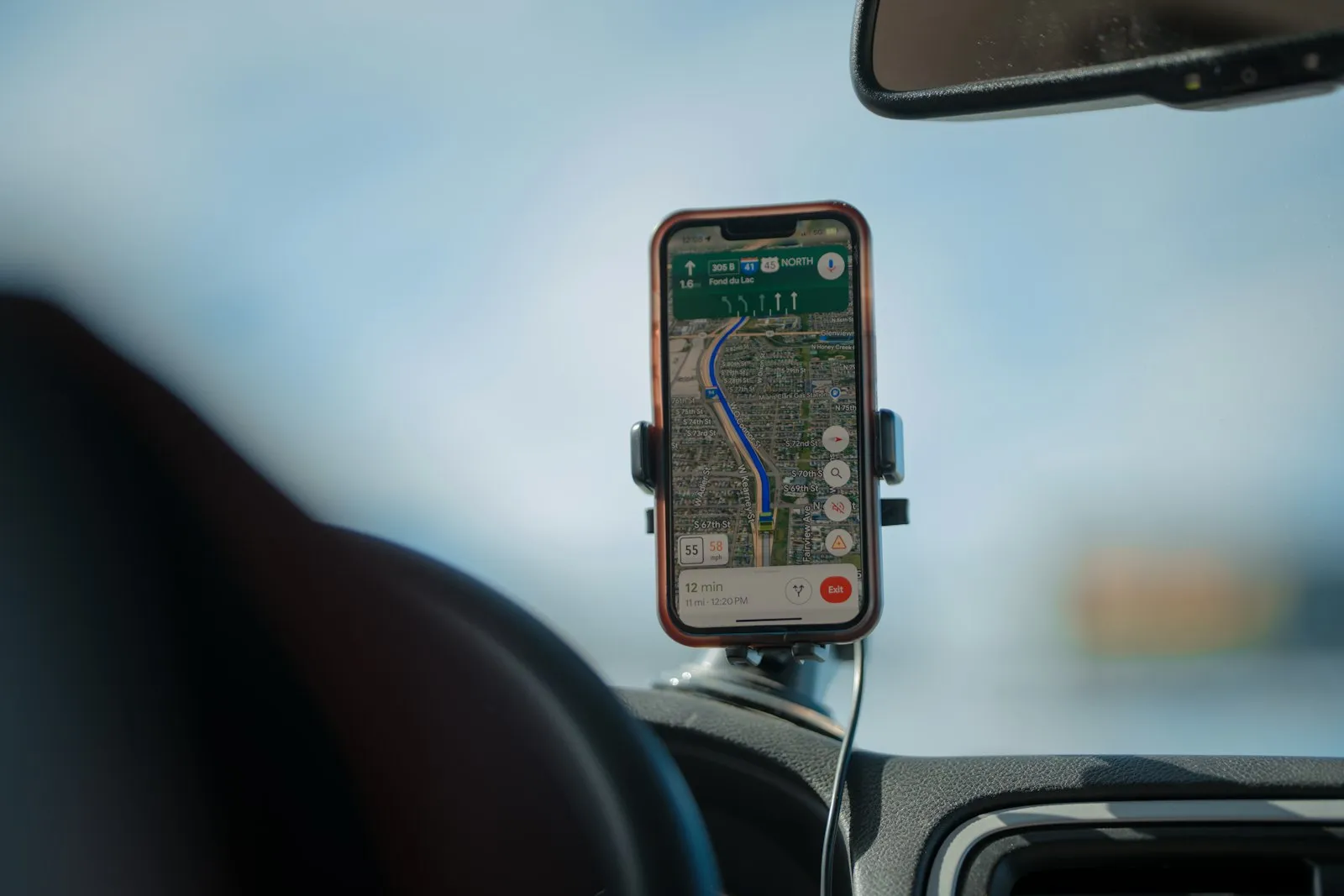
- Constant app use. Drivers checking pickup pins and messages while rolling slowly near crosswalks on Sutphin Boulevard is a recipe for a pedestrian strike.
An Airport Lyft Trip Is Still a New York City Trip
Travelers often assume a big national rideshare policy covers every ride. In New York City, the rules are local. Lyft cars here are for-hire vehicles licensed by the NYC Taxi and Limousine Commission, with TLC plates, TLC-licensed drivers and commercial for-hire insurance. JFK and Jamaica are both in Queens, so a ride between them starts in the city and the TLC minimums apply:
- Liability of $100,000 per person and $300,000 per occurrence for vehicles with fewer than eight seats.
- No-fault (PIP) of $100,000 per person since March 1, 2026, cut from $200,000. A crash before that date may fall under the policy then in force.
Lyft may carry additional coverage above the TLC minimums on some trips. Whether it applies, and how much, has to be confirmed from the insurer and the trip record.
Where the ride starts matters. The state rideshare law and its $1.25 million figure govern trips that start outside NYC, for example a Lyft requested in Elmont or Valley Stream in Nassau. A ride requested at the AirTrain station on Sutphin Boulevard is a city trip under TLC rules.
New York’s no-fault system still comes first. Under Insurance Law § 5102, PIP pays medical bills, lost earnings and other basic economic loss regardless of fault. A Lyft passenger files with the insurer of the Lyft car; a pedestrian files with the insurer of the car that struck them.
Four Hypothetical Airport-Ride Crashes and Who Pays First
The scenarios below are hypothetical, written to show how the rules work. They are not real clients or real outcomes.
- The curbside rear-end (hypothetical). A traveler is loading a suitcase into a Lyft trunk on Archer Avenue when another car hits the Lyft from behind. She was outside the car but using it, and the question of which policy pays her no-fault depends on the facts. The other driver is the likely target of any pain-and-suffering claim.
- The expressway merge (hypothetical). A Lyft heading to the Van Wyck cuts across a lane and is struck. The passenger claims no-fault from the Lyft’s policy and may have claims against either driver, or both.
- The crosswalk with a suitcase (hypothetical). A man walking from the AirTrain station is hit by a Lyft turning onto Sutphin Boulevard. He claims no-fault from the Lyft that struck him. Because he was a pedestrian, fault rules under CPLR 1411(b) can be contested.
- The driver hurt mid-trip (hypothetical). A Lyft driver carrying a rider to JFK is broadsided. His own work injuries generally go through the New York Black Car Fund, and he may also have a claim against the driver who hit him.
| Your role | First no-fault source | Key deadline |
|---|---|---|
| Lyft passenger | Lyft car’s commercial policy | 30 days to apply |
| Pedestrian or cyclist | Policy on the car that hit you | 30 days to apply |
| Driver of another car | Your own policy | 30 days to apply |
| Lyft driver | Black Car Fund (work injury) | Report the injury promptly |
| Anyone, if a city or MTA bus was involved | Depends on role | 90-day notice of claim |
What to Save When You Also Have a Flight to Catch
Airport travelers face a problem most crash victims do not: they may leave the state within hours. The paperwork still has to happen. Take five minutes before you go:
- Screenshot the Lyft receipt, trip ID, route, start and end times, and the driver’s name and plate as shown in the app.
- Report the crash in the Lyft app and to the police. Lyft’s safety page explains its in-app reporting tools.
- Keep the app installed so the trip history stays available.
- Photograph the cars, your luggage and the curb or crosswalk.
- Get names and phone numbers of witnesses, including other travelers.
- See a doctor, even if you are home in another state, and keep every record.
- Calendar the 30-day no-fault deadline. It runs whether or not you are in New York.
The driver’s status also matters. Whether the app was off, waiting for a request, en route to a pickup or carrying a passenger can affect which coverage applies. The trip record is how that gets proven, which is one more reason not to delete anything.
Safer Pickups and Drop-Offs at the AirTrain Station
No tip makes a crash impossible, but a few habits lower the odds around Sutphin Boulevard and Archer Avenue:
- Set your pin on a quieter block. A short walk away from the station entrance usually means less double-parking and fewer buses pulling in beside your car.
- Match the plate before you step off the curb. Check the plate and car shown in the app, and wait on the sidewalk until the car has fully stopped.
- Exit on the curb side. Opening a rear door into traffic puts you, and any passing cyclist, at risk.
- Load bags from the sidewalk. If the trunk faces the travel lane, ask the driver to pull closer or move to a safer spot before you stand behind the car.
- Buckle up even for a short hop. The run from the station to a nearby hotel or home is brief, but rear-seat riders are still exposed in a sudden stop.
If a driver pressures you to hop out in a moving lane because the curb is full, it is reasonable to ask them to circle the block. A missed minute is better than a missed season of work.
Top Destinations: Jamaica Center, King Manor Museum and the AirTrain JFK Link
The AirTrain JFK link at Sutphin Blvd–Archer Ave
This is the hinge of every airport ride through the neighborhood. The Sutphin Blvd–Archer Ave–JFK Airport station links the E, J and Z, the LIRR’s Jamaica station and the AirTrain to JFK International Airport. People go there to reach a flight without driving to the terminal. Lyft drop-offs and pickups pile up along Sutphin Boulevard and Archer Avenue, often double-parked, with riders hauling bags across lanes to reach the entrance.
Jamaica Center
A few blocks east, Jamaica Center around Jamaica Avenue, Parsons Boulevard and 165th Street is the area’s shopping and government core, with the Jamaica Center–Parsons/Archer station and York College nearby. Travelers on a layover or meeting family often set their Lyft pickup here, where buses crowd the curbs on Jamaica and Archer Avenues.
King Manor Museum
King Manor, the former home of Constitution signer Rufus King, is a historic house museum inside Rufus King Park on Jamaica Avenue. Visitors with a few spare hours sometimes stop here. Lyft drop-offs at the park edge put riders next to busy bus and car lanes.
The 2026 Rules Every Traveler Should Know
For lawsuits filed on or after May 26, 2026, regardless of the crash date, New York changed how injury cases are decided:
- Fault is decided before serious injury (Insurance Law § 5104).
- In motor-vehicle cases, a claimant more at fault than the defendant, or defendants combined, recovers nothing; at 50% or less the award is reduced (CPLR 1411(b)).
- Pain-and-suffering claims need one of eight serious injury categories, such as a fracture or a significant limitation of use of a body function or system. The category based on days of missed activity was removed.
The general deadline to sue is three years for personal injury and two years for wrongful death. If the other driver had little coverage, your own SUM coverage may help. The Department of Financial Services explains auto coverage types.
Lyft Accident FAQs for Airport Travelers
I live out of state. Can I still bring a claim for a Jamaica crash?
Yes. The crash happened in New York, so New York’s no-fault and injury rules apply. We can handle much of the work by phone and video.
I missed my flight because of the crash. Is that covered?
No-fault covers basic economic loss such as medical bills and lost earnings. Other out-of-pocket losses depend on the facts and are worth raising during a case review.
My ride started in Nassau and crashed in Jamaica. Which rules apply?
A trip that starts outside NYC falls under the state rideshare rules rather than the TLC minimums. The trip record shows where it began.
I was hurt loading bags into the trunk. Was I a passenger?
Possibly. Getting in, out or loading a vehicle can raise coverage questions that turn on the specific facts, so save the trip details and talk to a lawyer.
How fast do I need to act?
File the no-fault application within 30 days. A 90-day notice of claim applies if a city or MTA vehicle was involved.
What does a consultation cost?
Nothing. Reviews are free and you pay no fee unless we win. See our general FAQ for more.
About Jamaica: Local FAQs
Can I switch between the LIRR and the AirTrain in Jamaica?
Yes. The LIRR’s Jamaica station connects with the AirTrain at the Sutphin Blvd–Archer Ave–JFK Airport complex.
Which subway stations are in downtown Jamaica?
Sutphin Blvd–Archer Ave–JFK Airport and Jamaica Center–Parsons/Archer on the E, J and Z, plus Jamaica–179th Street on the F along Hillside Avenue.
Where is the nearest hospital to the Van Wyck?
Jamaica Hospital Medical Center sits beside the Van Wyck Expressway. Queens Hospital Center is on 164th Street.
Which streets are busiest for drop-offs?
Sutphin Boulevard and Archer Avenue near the station, and Jamaica Avenue through the shopping district. Merrick and Guy R. Brewer Boulevards also feed heavy traffic into the core.
Which court handles a Jamaica injury case?
Jamaica is in Queens County. The Queens County Supreme Court’s civil courthouse is on Sutphin Boulevard.
Get Help With an Airport Lyft Claim
Yakov Mushiyev & Associates, P.C. handles car accident and rideshare claims across Queens, with clients met at home, in the hospital or by video in English, Russian or Spanish. Review our settlements, or visit our Jamaica accident lawyer hub. Hurt in a yellow or green cab instead? See our Jamaica taxi accident page. Crashed closer to the Nassau line? See our Rosedale Lyft accident lawyer page.

Call 718.775.3110 or contact us online for a free case review. We are open Monday through Friday, 9 a.m. to 6 p.m., and phone intake runs 24/7. Our office is at 1 Cross Island Plaza, Suite 325, Rosedale, NY 11422.
Attorney Advertising. This is general information about New York law, not legal advice, and reading it does not create an attorney-client relationship. Every case depends on its own facts. Prior results do not guarantee a similar outcome.