
For many Auburndale residents, a Mets game, a US Open session or a summer afternoon at the Unisphere starts the same way: a short cab or Uber ride west. Those rides are quick, but event days pack the roads around Flushing Meadows Corona Park with cars, crowds and drivers in a hurry. This guide covers what to do if a taxi trip to or from the park ends in a crash, and how New York’s 2026 rules change the picture. It is written to be skimmed.
Why Event-Day Rides Are Different
A regular weekday cab ride and an event-day ride to the park are not the same trip. Here is what changes:
- Volume: thousands of people arrive and leave in a short window.
- Pressure: drivers try to fit in as many trips as possible before and after the event.
- Unfamiliar drivers: many for-hire drivers come from other boroughs and follow GPS turn by turn.
- Crowded curbs: pickups happen wherever a rider is standing, not always where it is safe to stop.
- Night trips: games and matches often end after dark, sometimes in the rain.
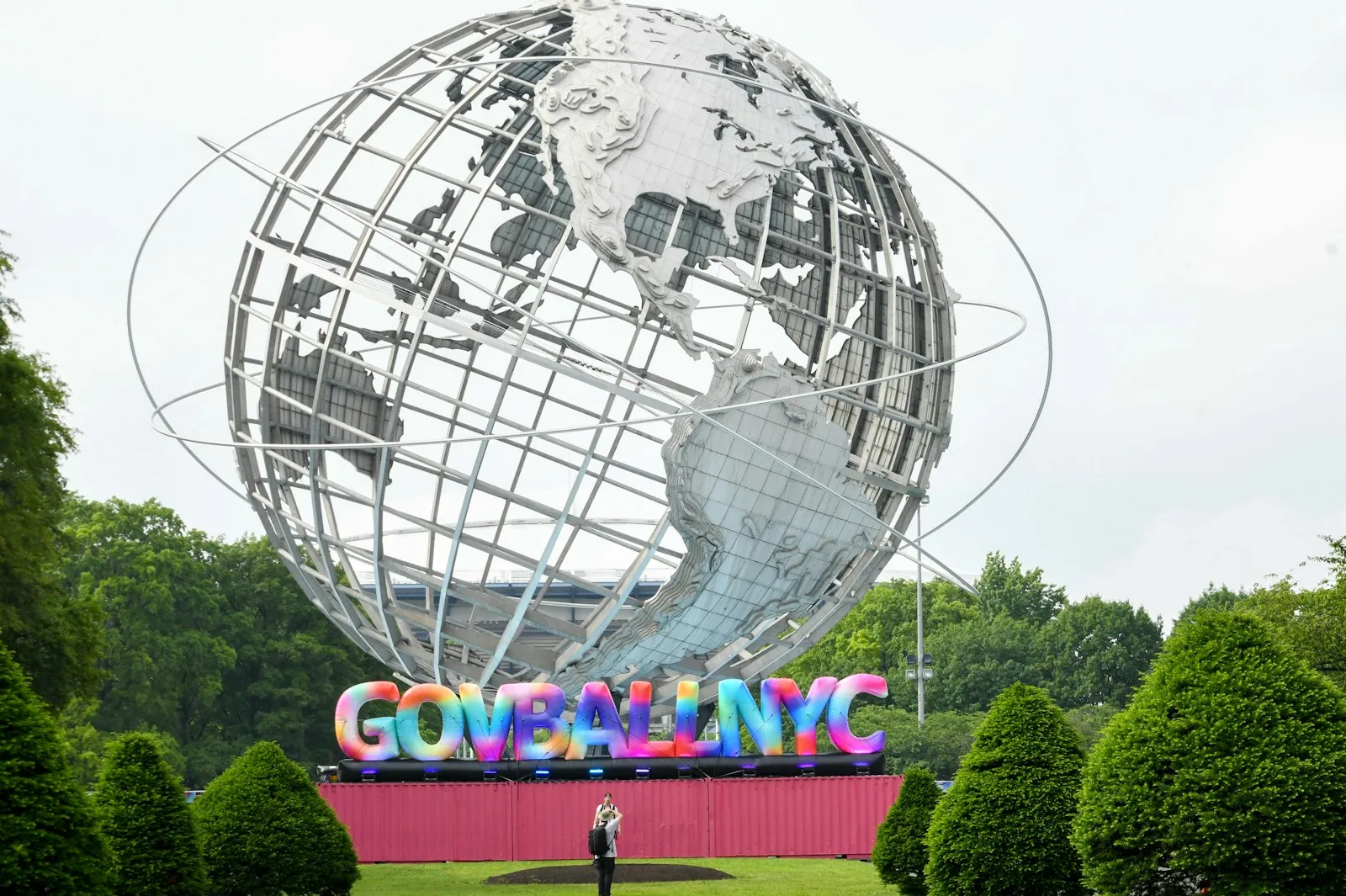
The Destination: Flushing Meadows Corona Park
What it is. One of New York City’s largest parks. Inside or beside it: the Unisphere, the Queens Museum, the USTA Billie Jean King National Tennis Center (home of the US Open), and Citi Field, where the Mets play.
Why people go. Baseball, tennis, museums, festivals, picnics and ball fields. On big days the area draws visitors from all over the region.
How cabs move around it. The park is bordered by major highways, including the Grand Central Parkway and the Van Wyck Expressway. From Auburndale, drivers usually head west on Northern Boulevard or the Long Island Expressway. The Mets–Willets Point station, served by the 7 train and the LIRR Port Washington Branch, sits next to Citi Field and the tennis center, so riders, walkers and waiting cars all converge there. The busiest moments for taxi and for-hire traffic:
- The hour before first pitch or the first match.
- The final out or final point, when everyone leaves at once.
- Weekend afternoons, when park visitors, cyclists and families share the nearby streets.
Closer to home, Kissena Park and the Auburndale LIRR station see smaller versions of the same pattern: quick drop-offs, pedestrians crossing between parked cars, and drivers pulling out without much warning.
Four Common Event-Day Crash Scenarios
The examples below are hypothetical. They are not real client cases. They show how the rules apply.
Hypothetical 1: The rear-end on the way in
A rider leaves Auburndale in a yellow cab. In slow traffic near the park, a private car rear-ends the cab. The passenger’s no-fault benefits usually come from the cab’s policy. A pain-and-suffering claim would focus on the driver who caused the crash.
Hypothetical 2: The door into a cyclist
An app-based car stops in a bike lane to drop off fans. A passenger opens the door into a passing cyclist. The cyclist generally claims no-fault benefits from the vehicle involved, and fault may be shared among the driver, the passenger or others.
Hypothetical 3: The rushed pickup after the game
A pedestrian steps off the curb looking for an Uber. A different for-hire car cuts across to grab a fare and strikes her. As a pedestrian, she generally claims no-fault benefits from the vehicle that hit her. Whether she was in a crosswalk can matter under the new fault rule.
Hypothetical 4: The late-night ride home
After a night match, a green cab runs a light on the drive back toward Auburndale and collides with another car. Both the passenger and the other driver may have claims. Each starts with a different insurer.
What to Do in the First Hour
- Get safe. Move away from traffic if you can. Event crowds make secondary collisions more likely.
- Call 911. Ask for police and medical help. A police report anchors the claim.
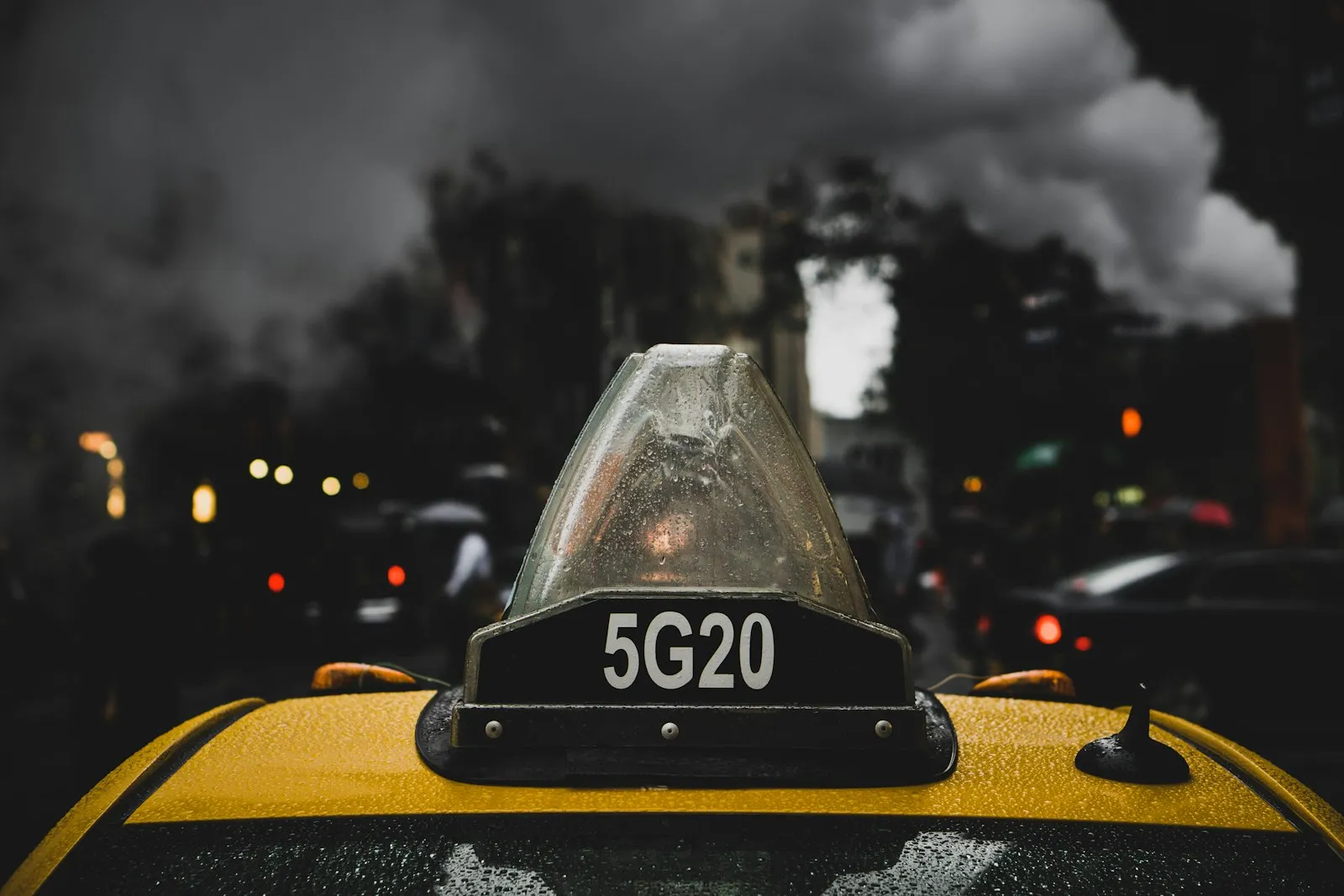
- Record the vehicle. Medallion number for a yellow cab; TLC license and plate for a green cab or app-based car.
- Screenshot the trip. Your ride app shows the driver, the car, the route and the time.
- Photograph everything. Vehicles, signals, lane markings, crowd conditions and your injuries.
- Collect witnesses. Other fans are often the best witnesses, and they scatter fast.
- Get medical care. Go to the ER or see a doctor the same day if possible.
On a game night, the witnesses who saw your crash will be on a train or in another car within minutes. Get names and numbers before anything else, if you are able to.
The First 30 Days
- File for no-fault within 30 days of the accident. Passengers file with the vehicle they were in; pedestrians and cyclists with the vehicle that struck them.
- Report the crash. Where required, file form MV-104 with the New York DMV.
- Check for a city vehicle. If a New York City or MTA vehicle was involved, a notice of claim is due within 90 days.
- Keep every record. Bills, receipts, pay stubs, missed-work notes and follow-up appointments.
- Talk to a lawyer before any recorded statement.
How 2026 Law Affects an Event-Day Claim
| Rule | What it says | Why it matters after a park trip |
|---|---|---|
| TLC PIP | $100,000 per person for TLC vehicles, effective March 1, 2026 | Covers medical bills and lost earnings regardless of fault, up to that amount |
| Serious injury (Ins. Law § 5102(d)) | Now eight categories | Needed to recover pain and suffering |
| Fault first (Ins. Law § 5104) | Fault is decided before serious injury | Crowded, chaotic scenes make fault disputes more likely |
| Modified comparative fault (CPLR 1411(b)) | More at fault than the defendants = no recovery; 50% or less = reduced recovery | Applies to motor-vehicle suits filed on or after May 26, 2026 |
| Statute of limitations | 3 years for most injury suits; 2 years for wrongful death | Starts on the date of the crash |
The eight serious-injury categories are: death; dismemberment; significant disfigurement; fracture; loss of a fetus; permanent loss of use of a body organ, member, function or system; permanent consequential limitation of use of a body organ or member; and significant limitation of use of a body function or system.
The 2026 changes apply to lawsuits filed on or after May 26, 2026, even if the crash happened earlier. Medallion taxis also must carry liability coverage of at least $100,000 per person and $300,000 per occurrence. For a full rundown of coverage and deadlines, see our Auburndale taxi accident lawyer page.

Event-Day Taxi Accident FAQs
I was in an Uber, not a yellow cab. Does that change anything?
Uber, Lyft and other for-hire vehicles are licensed by the NYC Taxi & Limousine Commission and fall under the same $100,000 per-person PIP requirement as yellow and green cabs. Which policy applies depends on the facts, so coverage should be confirmed early.
I’m not from Queens. Can I still bring a claim here?
Generally, yes. Where you live does not stop you from making a claim over a crash that happened in Queens. Lawsuits about Queens crashes are often filed in Queens County.
I felt fine at the stadium and hurt the next day. Is that a problem?
Delayed symptoms are common. See a doctor as soon as you notice them and mention the crash. The 30-day no-fault deadline runs from the accident date, not from when pain started.
I was crossing outside the crosswalk to reach my ride. Do I still have a case?
Possibly. No-fault benefits do not depend on fault. For a pain-and-suffering suit filed on or after May 26, 2026, your share of fault matters: 50% or less reduces recovery; more than the defendants’ share bars it.
Can I get the driver’s information from the ride app?
Your trip receipt usually shows the driver’s name, vehicle and plate. Screenshot it right away. A lawyer can request fuller trip records later.
How long do I have to sue?
Three years for most personal injury claims under CPLR 214(5), and two years for wrongful death. If a city or MTA vehicle was involved, a notice of claim is due within 90 days.
About Auburndale and the Park: Local FAQs
How far is Flushing Meadows Corona Park from Auburndale?
It is a short drive west, past downtown Flushing. Kissena Park sits between the two, just west of Auburndale.
Is there a train instead of a cab?
Yes. The Auburndale LIRR station is on the Port Washington Branch, the same line that serves Mets–Willets Point.
Which roads do cabs use to get to the park?
Usually Northern Boulevard or the Long Island Expressway heading west, then the roads that ring the park, such as the Grand Central Parkway and the Van Wyck Expressway.
What hospitals are close by?
NewYork-Presbyterian Queens and Flushing Hospital Medical Center are both in Flushing, between Auburndale and the park. In an emergency, call 911.
Where is a lawsuit filed?
Both Auburndale and the park are in Queens County. Many injury cases go to Queens County Supreme Court. See nycourts.gov for court details.
Any tips for a safer pickup after an event?
- Walk a few blocks away from the crowd before requesting a ride.
- Match the plate before you get in.
- Exit on the curb side and check for bikes first.
- Wear your seat belt, even for a short ride home.
Hurt on the Way to the Game? Talk to Us Free
Mushiyev Law handles taxi and rideshare injury claims for Auburndale residents and visitors as part of our car accident practice. We also cover nearby neighborhoods, including Bayside and Flushing, and the rest of the borough through our Queens accident lawyer team. Read past outcomes on our settlements page or browse our FAQ.
- Free consultation in English, Russian or Spanish
- Home, hospital or video visits
- No fee unless we win
- Phone intake 24/7; office Monday to Friday, 9 to 6
Call 718.775.3110 or contact us online. Our office: Yakov Mushiyev & Associates, P.C., 1 Cross Island Plaza, Suite 325, Rosedale, NY 11422.
Attorney Advertising. This is general information about New York law, not legal advice, and reading it does not create an attorney-client relationship. The scenarios above are hypothetical. Every case depends on its own facts. Prior results do not guarantee a similar outcome.