
The first three days after a taxi accident in Bayside, Queens set up everything that comes later: which insurer pays your doctor, whether the other driver’s account goes unchallenged, and whether your injury can be documented well enough to support a claim. Most people do not know what to do during that window, and nobody hands them a list. This post is that list. It is organized by the clock, from the first hour at the scene on Bell Boulevard or the Cross Island Parkway to the end of day three, with a few deadlines that run past that. Print it, save it to your phone, or send it to a family member who was just in a cab, Uber or Lyft crash.
Hour 0 to 1: At the Scene
If you can move safely, work through these in order. If you cannot, ask a passerby or companion to do what they can.
- Get out of traffic. On Northern Boulevard or a parkway shoulder, stay behind a barrier or on the sidewalk, not between cars.
- Call 911. Ask for police and, if anyone is hurt, an ambulance. A police report gives an official record of who was there.
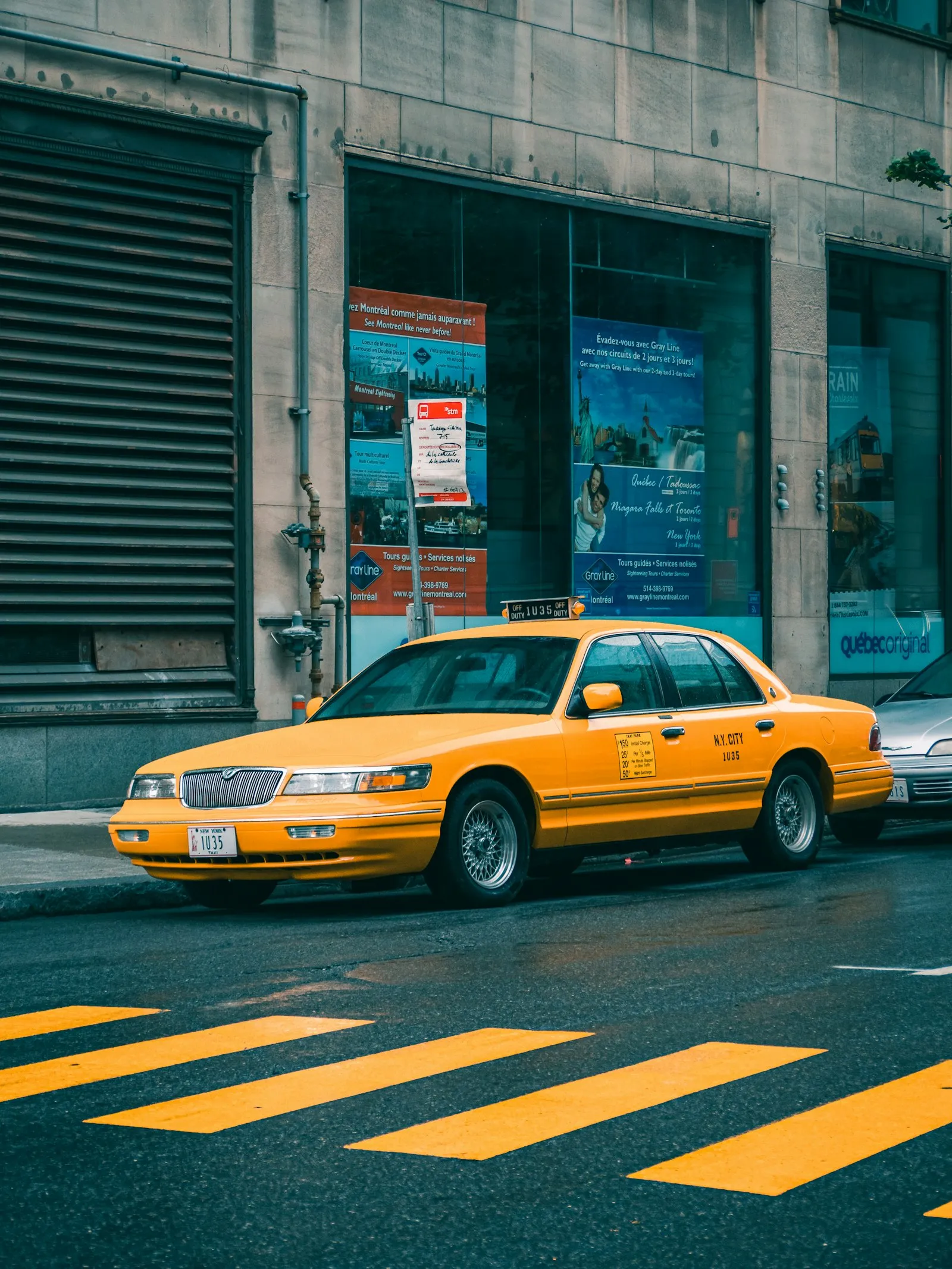
- Photograph the taxi before it moves. Get the license plate, the TLC license number on the vehicle, the medallion number on a yellow cab’s hood, and any app trade dress (Uber or Lyft sticker) in the windshield.
- Get the driver’s information: name, TLC driver’s license number, insurance company and the vehicle owner or base.
- Screenshot your ride. If you were in an app-based car, save the trip receipt, driver name and route map now, before the app’s history gets harder to find.
- Find witnesses. Get names and phone numbers. On Bell Boulevard, restaurant staff and diners near the windows are often the best witnesses.
- Note the cameras. Look for storefront, building and doorbell cameras facing the street. Write down the addresses.
- Say little about fault. Be polite, but do not apologize or guess at what happened. Under the 2026 fault rule, offhand remarks can be costly.
The scene is the only time all the evidence is in one place. Ten photos taken in the first ten minutes can matter more than anything gathered later.
Hours 1 to 12: Medical Care First
Adrenaline hides pain. Neck, back and head injuries in particular can feel minor at first. Get checked the same day, at an emergency room or urgent care, even if you plan to see your own doctor later.
- Tell the provider you were in a motor-vehicle accident and describe every area that hurts, even mild pain.
- Say whether you were a passenger, pedestrian, cyclist or driver. It affects how the bill is routed.
- Keep discharge papers, prescriptions and receipts in one folder or one phone album.
- Follow up on any referral, such as orthopedics, neurology or imaging. Gaps in treatment are easy for an insurer to use against you.
Why this matters legally: to recover for pain and suffering in New York, your injury must meet one of the eight serious injury categories in Insurance Law 5102(d). These include fracture, significant disfigurement, permanent consequential limitation of use of a body organ or member, and significant limitation of use of a body function or system. The 2026 state budget removed the category that was based on days missed from normal activities. That makes early medical documentation of the injury itself more important than before.
Hours 12 to 24: Sort Out Which Insurer to Notify
New York’s no-fault system pays medical bills, lost earnings and other basic economic loss regardless of fault. Your first job is to figure out whose no-fault coverage applies.
| If you were… | Start your PIP claim with… |
|---|---|
| A passenger in a yellow cab, green cab, Uber, Lyft or livery car | The insurer of the vehicle you were in |
| A pedestrian on Bell Boulevard or a crosswalk | The insurer of the vehicle that hit you |
| A cyclist | The insurer of the vehicle that hit you |
| Driving your own car | Generally your own auto insurer |
A note on amounts. TLC-licensed vehicles, including yellow and green taxis, for-hire vehicles, Uber and Lyft cars and limousines, must carry $100,000 in PIP per person. That figure took effect March 1, 2026, when the Taxi and Limousine Commission reduced it from the higher amount that applied before. Private cars carry the state minimum of $50,000. For background, see the DFS auto insurance pages and the TLC website.
Hours 24 to 48: Preserve What Will Disappear
Some evidence lasts. Much of it does not. Day two is when to protect the second kind.
- Video. Many private cameras record over themselves on a rolling basis. Ask the businesses you noted to save the footage, or have a lawyer send a written preservation request.
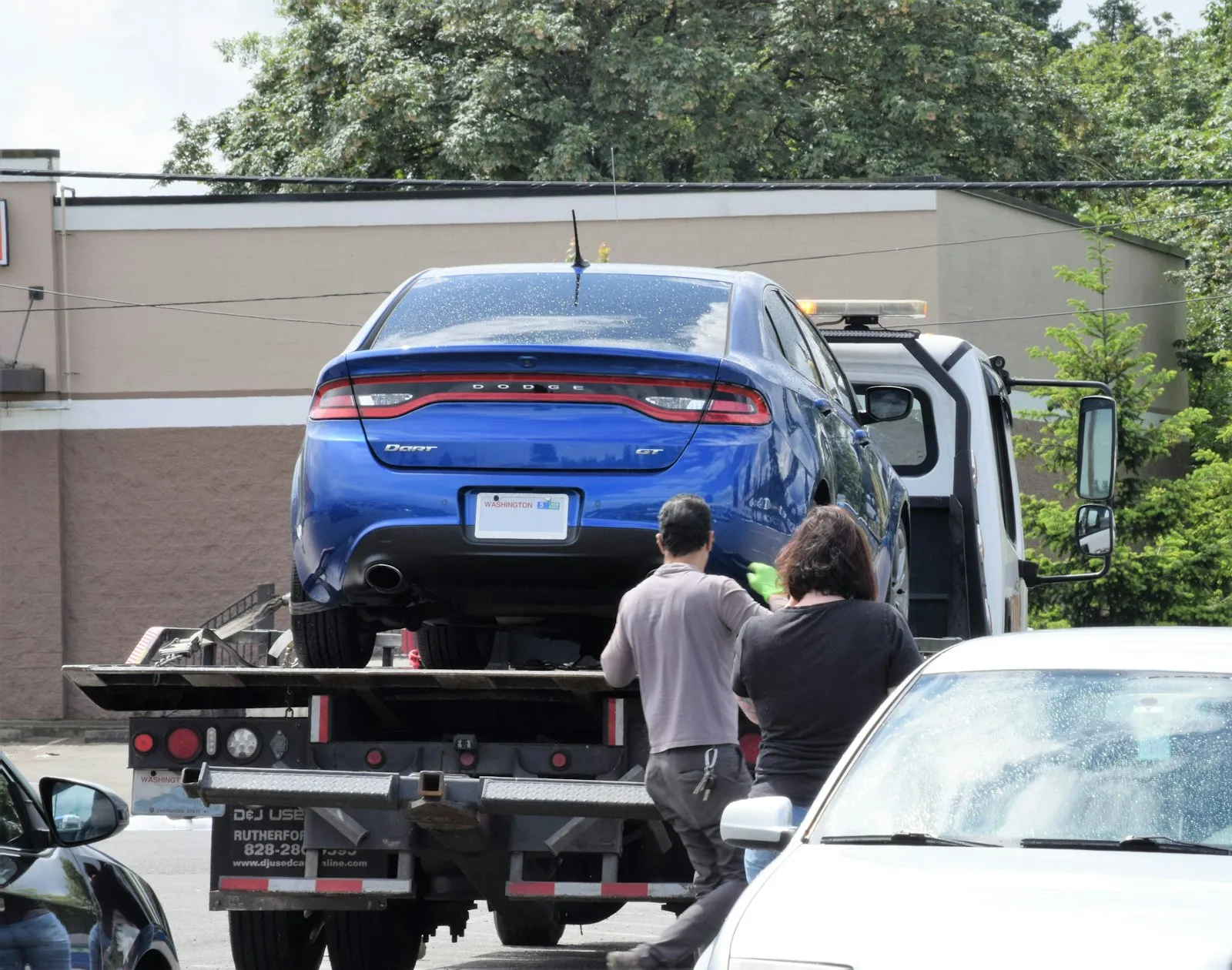
- Vehicle damage. If your car was towed, photograph it at the yard before repair or salvage.
- Your own injuries. Take dated photos of bruises, cuts and swelling each day for the first week.
- Clothing and gear. Keep torn clothes, a damaged helmet or a bent bike. Do not wash or throw them out.
- Your memory. Write a short account: time, direction of travel, weather, what the driver said. Keep it private and share it only with your lawyer.
Also check whether a DMV report is needed. New York requires drivers to file an MV-104 in certain crashes involving injury or significant property damage. The forms and rules are on the New York DMV site.
Hours 48 to 72: Before You Talk to Any Adjuster
By day three, an adjuster for the taxi’s insurer or the app company’s carrier may call. They may sound helpful. Keep these points in mind:
- You are not required to give the other driver’s insurer a recorded statement.
- Do not sign medical authorizations that open up your whole history.
- Do not accept a quick settlement before you know how serious your injury is.
- Keep social media quiet. Photos from the Bell Boulevard strip the next weekend can be taken out of context.
The reason for caution is the new fault rule. For motor-vehicle injury lawsuits filed on or after May 26, 2026, CPLR 1411(b) bars any recovery if your fault is greater than the defendant’s. If your fault is 50% or less, your damages are reduced by that share. Under amended Insurance Law 5104, fault is now decided before serious injury. An adjuster’s goal in an early call is often to get an admission that moves the fault percentage. These rules apply based on the date the suit is filed, not the date of the crash.
Past Day 3: The Deadlines Still Running
The 72-hour window ends, but several clocks keep running. Put each one on your calendar now:
- Day 30: no-fault application due (11 NYCRR 65-1.1).
- Day 90: notice of claim due if a City-owned or MTA vehicle was involved (General Municipal Law 50-e).
- Year 2: wrongful death lawsuit deadline (EPTL 5-4.1). Recovery is limited to pecuniary damages.
- Year 3: personal injury lawsuit deadline under CPLR 214(5).
Where Bayside Taxi Trips Cluster: Fort Totten Park and Bell Boulevard
Two destinations draw a large share of Bayside’s taxi and app-based traffic, and each creates its own kind of scene.
Fort Totten Park
Fort Totten is a former Army post at the northern tip of Bayside. It is now a park with historic fortifications, old buildings and wide water views toward the Throgs Neck Bridge. Visitors come for walks, events and the waterfront. Because the park sits at the end of local streets off the Cross Island Parkway, drop-offs and pickups bunch up near the entrance. Cars pull over, wait for riders and turn around in a small area where people are walking in. If a crash happens there, the useful evidence is often the app’s trip record showing exactly where the car stopped, plus photos of where it was parked.
The Bell Boulevard Restaurant Strip
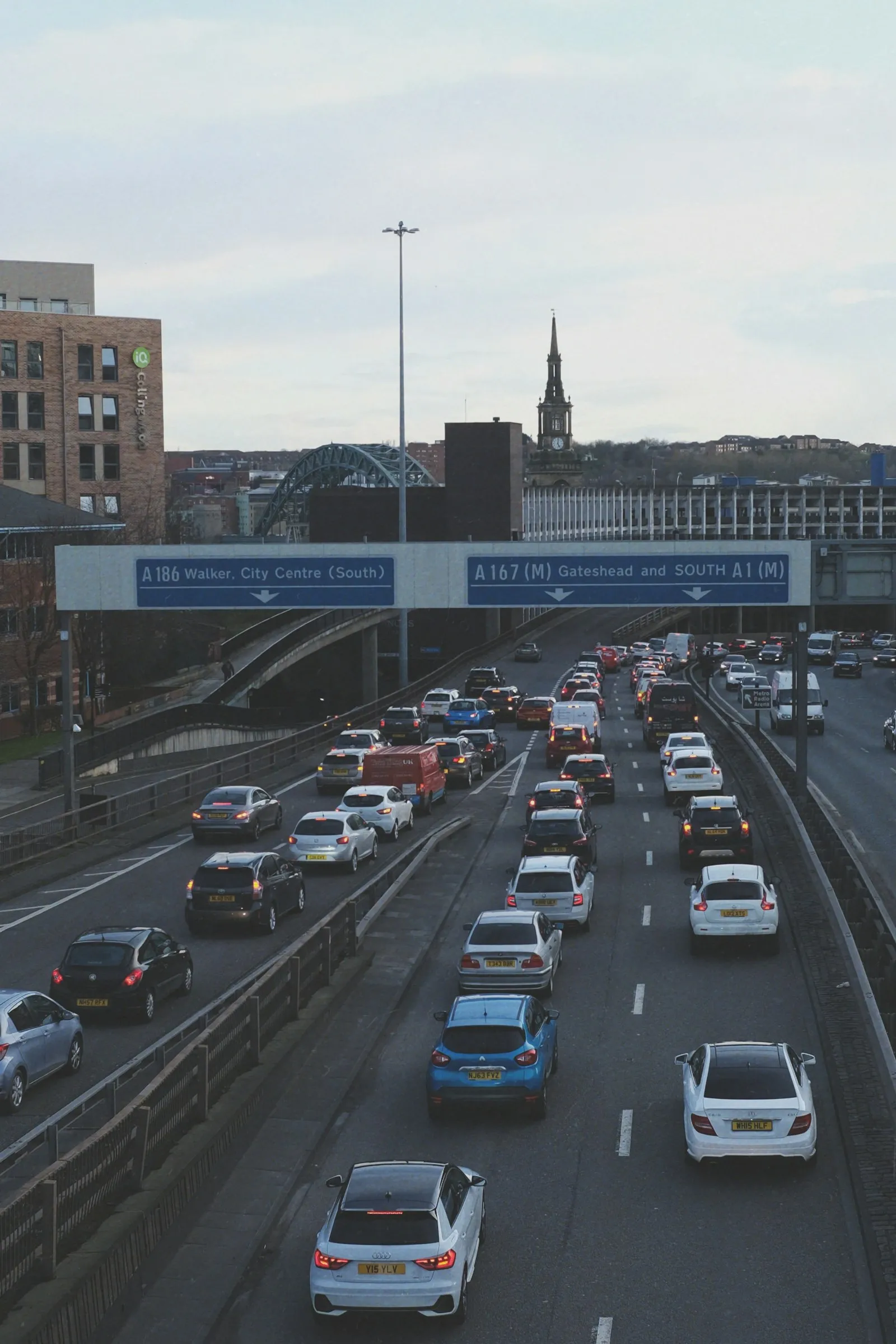
Bell Boulevard near the Bayside LIRR station is the neighborhood’s dining and nightlife street. Evenings bring a steady flow of pickups, double-parked cars and diners crossing between parked vehicles. A cab door opened into a cyclist, a ride-share pulling out without signaling, or a pedestrian struck mid-block are the patterns to watch for. Here, storefront video is often the key evidence, which is why the day-two checklist above matters.
Hypothetical example: A diner leaves a Bell Boulevard restaurant at night and books an app-based ride. As she gets in, a second car clips the open rear door. In this made-up scenario, she would usually claim PIP from the ride she was entering, and her photos, trip receipt and the restaurant’s camera would help show who caused the crash.
Questions About the First 72 Hours
Do I need a police report if the taxi driver and I agreed to exchange information?
It is strongly recommended if anyone was hurt. A report from the responding officers records the parties, vehicles and location while it is fresh.
I felt fine at the scene. Is it too late to see a doctor on day three?
No. Go now, and tell the doctor about the accident. The longer the gap, the easier it is for an insurer to argue the injury came from something else.
How much PIP does an Uber or yellow cab carry for passengers now?
TLC-licensed vehicles must carry $100,000 in PIP per person, effective March 1, 2026.
Should I talk to the taxi company’s insurer?
Report the claim, but avoid recorded statements about fault until you have spoken with a lawyer. Under the 2026 rule, being found more at fault than the defendant ends a motor-vehicle injury claim.
What if the vehicle that hit me was an MTA bus or City car?
A notice of claim must be served within 90 days. That deadline is much shorter than the general three-year statute of limitations.
Can a lawyer help even in the first 72 hours?
Yes. The early window is when preservation letters for video and trip data are most useful. Our review is free and there is no fee unless we win.
Bayside Neighborhood FAQs
Where is the nearest LIRR station to Bell Boulevard?
Bayside station on the Port Washington Branch is right by Bell Boulevard, which is why the street is busy with pickups at rush hour.
Which highways run through Bayside?
The Cross Island Parkway runs along Little Neck Bay, the Clearview Expressway runs along the western side, and the Long Island Expressway crosses the southern edge. Northern Boulevard is the main east-west surface road.
Which NYPD precinct would take a crash report in Bayside?
The 111th Precinct covers Bayside.
What ZIP codes are in Bayside?
Bayside is mainly 11360 and 11361, with Oakland Gardens to the south using 11364.
Is Fort Totten open to the public?
Yes. Fort Totten Park is a public park run by NYC Parks. Check the NYC Parks website for current hours before you go.
Which nearby neighborhoods does your firm also cover?
We also handle taxi claims in neighboring Whitestone and Auburndale, and across Queens.
Your Next Step: A Free Review

If you are still inside the first few days, call 718.775.3110. Phone intake runs 24/7. For a full explanation of claims, insurance and the 2026 changes, see our Bayside taxi accident lawyer page, our Bayside accident lawyer hub, and our car accident practice. You can also read our FAQ, look at past settlements, or contact us online. Yakov Mushiyev & Associates, P.C., 1 Cross Island Plaza, Suite 325, Rosedale, NY 11422. Consultations are available in English, Russian and Spanish, at home, in the hospital or by video.
Attorney Advertising. This is general information about New York law, not legal advice, and reading it does not create an attorney-client relationship. Every case depends on its own facts. Prior results do not guarantee a similar outcome.