
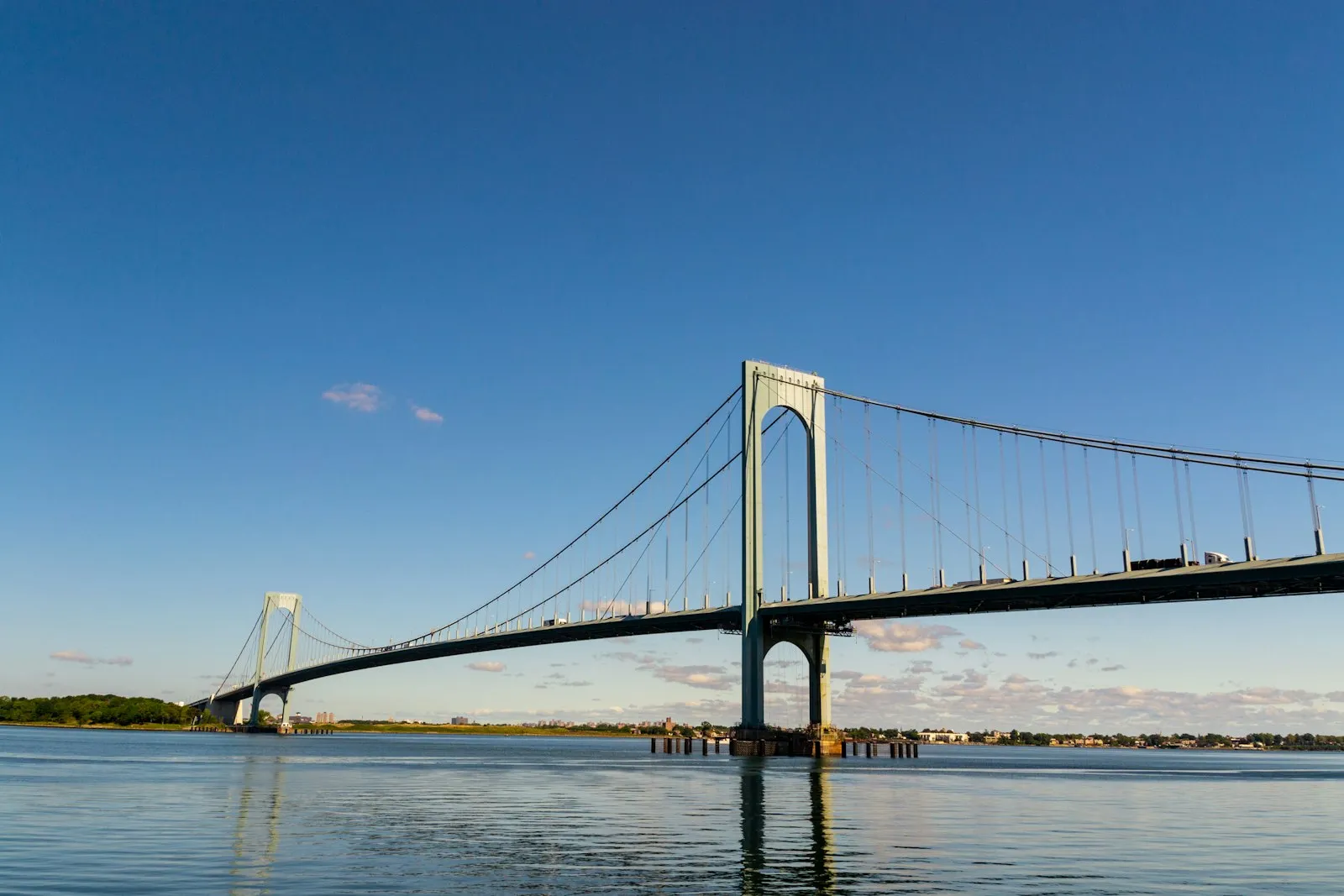
A taxi crash on a Whitestone highway rarely happens somewhere convenient. It happens in the left lane of the Whitestone Expressway, on the curve of a Cross Island Parkway ramp, or on the climb toward the Bronx–Whitestone Bridge, with traffic still moving at speed around you. What you do in the next 72 hours shapes almost everything that follows: whether your medical bills get paid, whether the evidence survives, and whether an insurer can later argue the crash was your fault. This guide walks through those first three days from the point of view of someone who uses these roads every day, whether you were the passenger in the back seat, the driver of the other car, or someone on foot near the bridge.
If you are looking for an overview of who pays and how a claim is built, see our Whitestone taxi accident lawyer page. This article is the practical checklist.
Hour Zero: Stopped on a Highway Shoulder
Highway crashes are different from fender-benders on a side street. The biggest danger in the first few minutes is often a second collision. On the Whitestone Expressway and the Cross Island Parkway, shoulders are narrow in places and traffic behind you may not see a stopped car until late.
- Check for injuries and call 911. Tell the dispatcher which road, which direction and the nearest exit or ramp you passed. “Whitestone Expressway, southbound, just past the bridge” is far more useful than “near Whitestone.”
- Stay buckled if the car is in a live lane and you cannot safely reach the shoulder. Passengers should not step out of the traffic side of a cab.
- Turn on hazards if you are the driver, and move the car to the shoulder only if it is safe and drivable.
- Let the police come to you. In Whitestone, the responding officers are often from the NYPD’s 109th Precinct, or highway units on the expressways.
Hours One to Six: What to Capture Before You Leave
Taxi and for-hire crashes generate more paperwork than ordinary car crashes, because the vehicles are licensed by the NYC Taxi and Limousine Commission and carry TLC-specific insurance. Getting the right identifiers at the scene saves weeks later. If you are able, collect the following:
| Item | Where to find it | Why it matters |
|---|---|---|
| TLC license or medallion number | Roof light, rear panel, or the driver’s hack license | Identifies the vehicle owner and the TLC insurance |
| Driver’s name and license | Ask the driver; police will also record it | Needed for the liability claim |
| App trip screenshot | Uber, Lyft or other ride app on your phone | Shows time, route and the car you were in |
| Other drivers’ plates and insurers | Exchange at the scene or from the police report | Highway crashes often involve more than two cars |
| Photos of lanes and ramps | Your phone, from a safe spot | Shows where the merge or lane change happened |
| Witness names and numbers | Other drivers who stopped | Fault is often disputed on merges |
Do not argue about fault at the scene, and do not apologize as a reflex. Under the rules that took effect in 2026, the share of fault assigned to you can matter enormously (more on that below).
Day One: Get Seen by a Doctor, Even If You Feel Fine
Adrenaline masks pain. Neck, back and shoulder injuries from highway rear-end and side-impact crashes often show up later. Getting evaluated the same day or the next creates a medical record that ties your injuries to the crash.
- Tell the doctor you were in a vehicle crash and describe exactly how your body moved: thrown forward, twisted, struck the door.
- Mention every symptom, even minor ones such as headaches, tingling or trouble sleeping.
- Follow up as directed. Gaps in treatment are a favorite argument for insurers.
- Keep every receipt, prescription and appointment card.
The nearest major hospitals to Whitestone are in Flushing, including NewYork-Presbyterian Queens and Flushing Hospital Medical Center.

Days Two and Three: Paperwork That Cannot Wait
By the second day, the adrenaline is gone and the forms begin. Three items deserve your attention now, even though the formal deadlines are longer than 72 hours.
The no-fault application
New York is a no-fault state. Personal Injury Protection (PIP) pays medical bills, lost earnings and other basic economic loss regardless of who caused the crash, under Insurance Law § 5102. The application is due within 30 days of the accident. Passengers generally claim from the vehicle they were riding in; pedestrians and cyclists from the vehicle that struck them; drivers usually from their own policy. For TLC-licensed vehicles — yellow and green cabs, black cars, limos, Uber and Lyft — the PIP requirement is $100,000 per person as of March 1, 2026, having been reduced from the earlier figure by a TLC rule change.
The DMV report
Crashes involving injury generally need to be reported to the New York DMV on form MV-104. Keep a copy and make sure the details match what you told the police and your doctor.
Preservation of video and trip data
Dashcam footage, ride-app data and private cameras along local streets may be overwritten on a short cycle. A lawyer can send preservation letters right away. This is often the single most time-sensitive part of a highway crash case.
The 30-day no-fault deadline feels far away on day one. On a busy commute, with doctor visits and a car in the shop, it arrives faster than most people expect.
Why the 2026 Rules Make the First 72 Hours Matter More
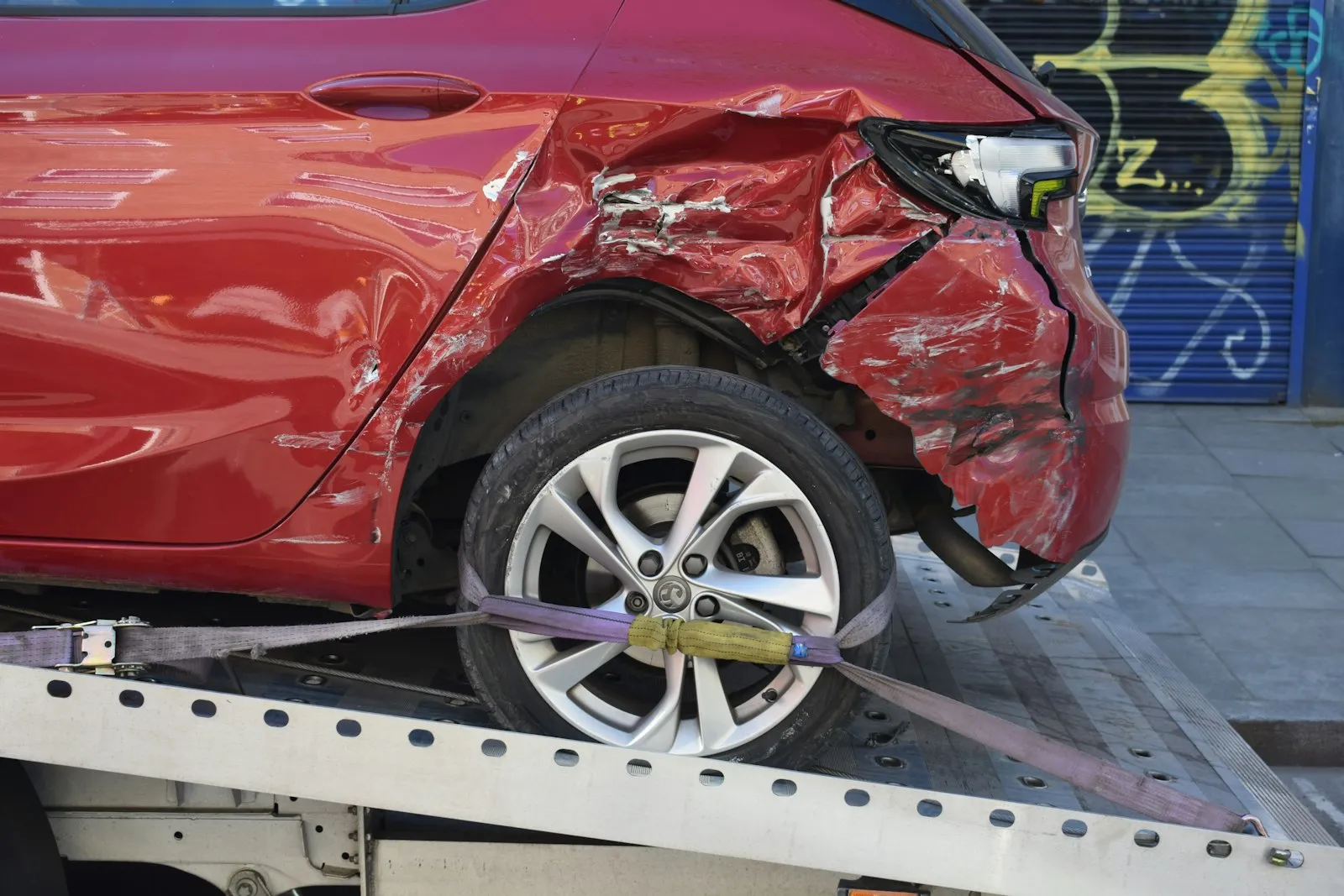
Highway crashes in Whitestone are often multi-vehicle merge or lane-change collisions, and those are the cases where insurers most often argue shared fault. Two 2026 changes raise the stakes:
- A modified fault rule. Under new CPLR 1411(b), for motor-vehicle injury lawsuits under the no-fault article commenced on or after May 26, 2026, a claimant whose fault is greater than the defendant’s (or defendants’ combined) recovers nothing. At 50% or less, recovery is reduced proportionally. The rule applies to lawsuits filed on or after that date regardless of the accident date.
- Fault before injury. Under Insurance Law § 5104, the fact-finder must decide fault before deciding whether you have a serious injury.
- A narrower serious-injury list. To recover for pain and suffering, you need a serious injury under § 5102(d). The 2026 budget removed one category, leaving eight: death; dismemberment; significant disfigurement; fracture; loss of a fetus; permanent loss of use of a body organ, member, function or system; permanent consequential limitation of use of a body organ or member; and significant limitation of use of a body function or system.
Evidence gathered in the first three days — photos, witness contacts, app data, an early medical record — is what answers a shared-fault argument later.
A hypothetical commute
This is a hypothetical example, not a real case. A Whitestone resident takes an app-based ride toward LaGuardia early on a weekday. On the Whitestone Expressway, a private car merges late from a ramp, the ride-share driver brakes hard, and a third car rear-ends the ride-share. The passenger hurts her shoulder. In this scenario, she would generally claim PIP from the ride-share vehicle she was in, and any pain-and-suffering claim could run against one or both of the other drivers, depending on what the evidence shows about the late merge and the following distance. Screenshots of the trip, a photo of the ramp and a witness who saw the merge would all matter.
Near the Bridge: Francis Lewis Park and Its Traffic
Francis Lewis Park sits on the East River shoreline directly beneath the Queens end of the Bronx–Whitestone Bridge. Named for Francis Lewis, a signer of the Declaration of Independence who lived in Whitestone, it is a favorite spot for waterfront walks, picnics and close-up views of the bridge. Visitors from other parts of Queens and beyond often arrive by cab or app-based ride, especially on summer evenings and weekends.
The surrounding blocks are residential, and drivers arriving from the expressway or parkway are still adjusting from highway speed. The combination produces a few predictable hazards: mid-block drop-offs, passengers stepping out on the traffic side, U-turns by drivers who missed the entrance, and pedestrians crossing between parked cars at dusk. If you are hurt here as a passenger, a pedestrian or a cyclist, the 72-hour steps above apply just the same — and a photo of where the car stopped is especially useful.
Taxi Accident FAQs for the First Few Days
Should I talk to the taxi company’s insurer if they call me?
You will need to deal with the PIP carrier to get bills paid, but be careful about recorded statements on fault to a liability insurer before you have advice. Under the 2026 fault rules, early statements can be used to shift blame to you.
I felt fine at the scene. Is it too late to see a doctor?
No, but go soon. The sooner your injuries are documented, the easier it is to connect them to the crash.
What if the crash involved an MTA bus or a city vehicle?
A notice of claim must be served within 90 days for claims against New York City or MTA vehicles. That deadline is far shorter than the general lawsuit window.
How long do I have to file a lawsuit?
Generally three years for personal injury under CPLR 214(5), and two years for wrongful death, which in New York is limited to pecuniary damages.
Is there a cap on what I can recover?
A $100,000 cap on non-economic damages now applies only to certain at-fault claimants: those driving uninsured (with a narrow short-lapse exception), convicted of impaired driving, or convicted of a felony committed while driving. It does not cap economic damages, claims by others, or wrongful death claims.
Where can I read the insurance rules myself?
The Department of Financial Services auto insurance page explains no-fault for consumers, and the TLC posts its insurance requirements on its website.
Whitestone Local FAQs
Which highways run through Whitestone?
The Whitestone Expressway (I-678), the Cross Island Parkway and the Clearview Expressway (I-295) all pass through or along the neighborhood, connecting to the Bronx–Whitestone and Throgs Neck bridges.
Is there a subway station in Whitestone?
No. The closest subway is the 7 train at Flushing–Main Street. Many residents reach it by bus, taxi or app-based ride.
What neighborhoods border Whitestone?
College Point lies to the west, Bayside to the east and Flushing to the south. Beechhurst and Malba are generally considered part of greater Whitestone.
Which precinct handles crash reports here?
The NYPD’s 109th Precinct covers Whitestone along with Flushing and College Point.
Which court hears Whitestone injury cases?
Whitestone is in Queens County, so personal injury lawsuits are generally filed in Queens County Supreme Court. General information is available from the New York State courts.
Talk to Us Before Day 30
Mushiyev Law helps people hurt in taxi, ride-share and black-car crashes across northeast Queens, from Whitestone to College Point and throughout the borough through our Queens accident lawyer practice. We offer free consultations in English, Russian and Spanish; we visit you at home, in the hospital or by video; and there is no fee unless we win. Learn more about our car accident practice, browse our settlements, or read our general FAQ.

Call 718.775.3110 for a free case review — phone intake is open 24/7 — or contact us online. Our office is at 1 Cross Island Plaza, Suite 325, Rosedale, NY 11422, open Monday through Friday, 9 a.m. to 6 p.m.
Attorney Advertising. This is general information about New York law, not legal advice, and reading it does not create an attorney-client relationship. Every case depends on its own facts. Prior results do not guarantee a similar outcome.