
A Citi Bike accident can turn a quick ride across town into weeks of treatment, lost shifts and a pile of insurance paperwork. The good news: New York law gives injured riders several possible routes to recovery. The catch: which route applies depends on what caused the crash, who was involved, and what you agreed to when you unlocked the bike. Here is what matters, in order.
Citi Bike in Brief
Citi Bike is New York City’s bike share system. It is operated by Lyft, and its fleet includes both classic pedal bikes and electric bikes. Riders unlock bikes through the app or at a dock, ride, and return the bike to a station.
Two points to keep in mind from the start:
- You signed a rental agreement. Every rider agrees to Citi Bike’s terms before riding. Those terms can matter after a crash. Read them, save a copy, and have a lawyer review them. We will not guess at what they say here.
- The bike type matters. Pedal bikes and e-bikes are covered by somewhat different traffic rules, and a crash on an electric model raises a few extra questions, covered below.
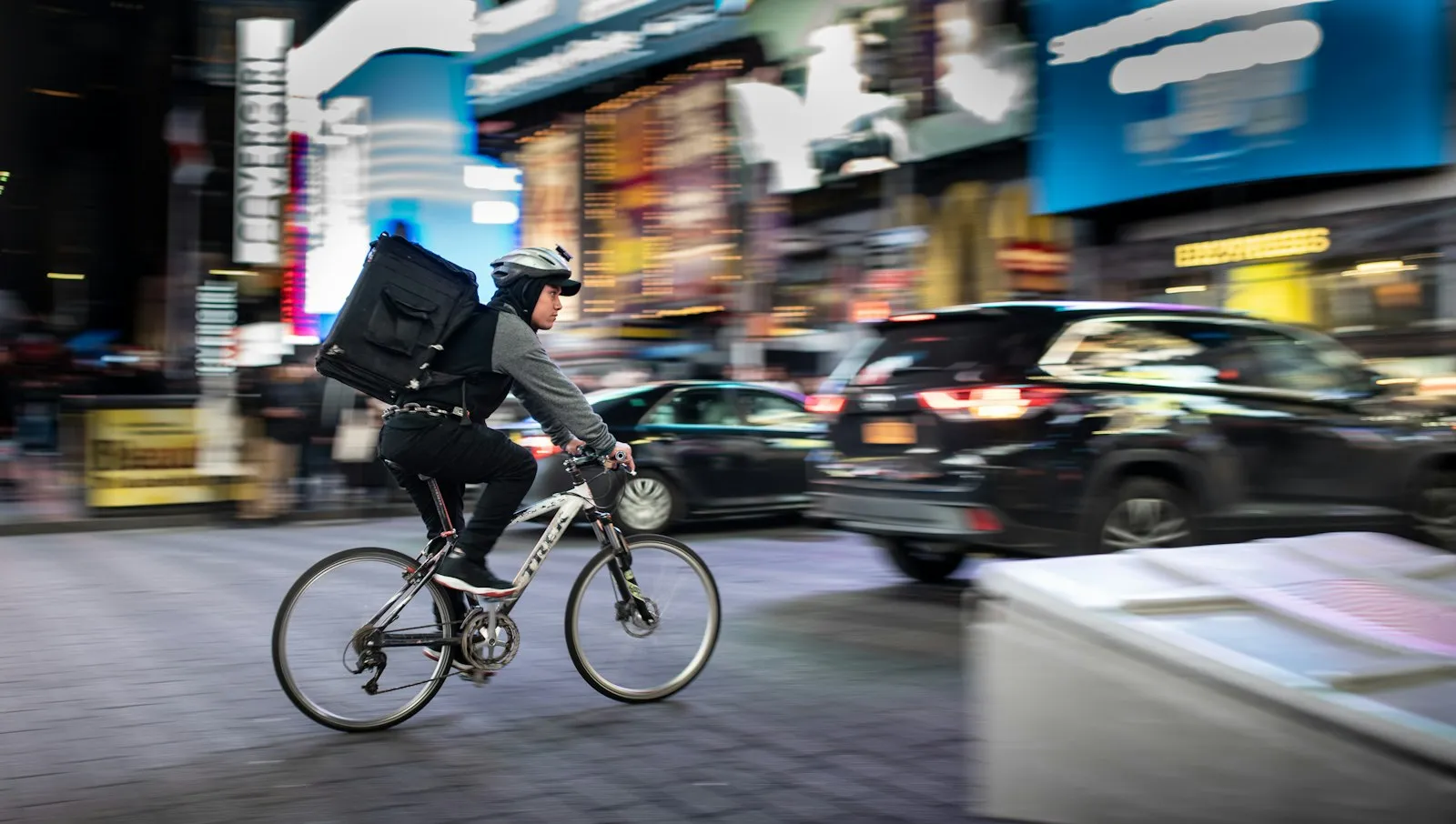
Typical ways a Citi Bike ride ends in a crash
Shared bikes travel the same streets as every other cyclist. The crash patterns are familiar:
- Turning drivers. A car or truck turns across a bike lane and cuts off the rider.
- Dooring. A parked driver or passenger swings a door open into the rider’s path.
- Sideswipes and close passes. A vehicle drifts into the rider while overtaking.
- Bike lane blockages. A double-parked vehicle forces the rider into traffic.
- Road defects. Potholes, broken pavement, raised grates and ruts throw the rider off the bike.
- Equipment problems. Brakes, chains or other parts fail mid-ride.
- Crashes with pedestrians or other riders. A Citi Bike rider strikes a pedestrian, or another cyclist strikes the rider.
Each one points to a different responsible party. Identifying that party is the core of any Citi Bike accident claim, and it is rarely as obvious as it looks at the scene. A dooring crash may involve both the driver and a passenger. A bike lane blockage may involve a delivery truck and the business that dispatched it.
Step One at the Scene
Get safe. Get medical care. Then, if you can:
- Call 911 so a police report is made.
- Photograph the bike, its number, the dock or location, the vehicle, its plate and the road surface.
- Collect the driver’s name, license and insurance information.
- Get witness names and phone numbers.
- Note any nearby businesses with cameras.
- Do not ride the damaged bike away. Report the problem through Citi Bike’s official channels and keep a record of what you reported.
Our guide to the first 72 hours after an e-bike accident in NYC covers this window in more detail. Most of it applies to pedal riders too.
Your Trip Record Is Evidence
This is the piece many riders overlook. A shared bike ride is logged. Your app account generally shows a ride history, and that history may help confirm when you unlocked the bike, where you started and when the ride ended.
Why it matters:
- It can pin down the time and approximate location of the crash.
- It can corroborate your account if the driver disputes that you were there.
- It identifies the specific bike, which matters if equipment failure is at issue.
Screenshot your ride history right away. Save any receipts, emails or in-app messages about the trip. If a formal request for records is needed later, your lawyer can handle it. Public crash data can also help show patterns on a given street; the city publishes collision records through NYC Open Data.

Who Pays: Matching the Crash to the Claim
A car or truck hit you
This is the most common scenario. A rider hit by a motor vehicle is generally treated as a non-occupant, and gets no-fault benefits from the vehicle’s policy under Insurance Law § 5103. No-fault generally pays for medical treatment and some lost earnings regardless of who caused the crash.
To go further and claim pain and suffering against the driver, you generally must meet the serious-injury threshold in Insurance Law § 5102(d). Our New York no-fault claims guide walks through the forms and deadlines.
The driver had no insurance or drove off
Hit-and-runs and uninsured drivers are a real problem for cyclists. Your own household’s uninsured motorist coverage may apply. If there is none, the Motor Vehicle Accident Indemnification Corporation, known as MVAIC, may be an option. Report the crash to police promptly; it helps either path.
The road caused the crash
A pothole or broken pavement on a city street points toward the City of New York. Claims against the city follow short, strict rules:
- A notice of claim is generally due within 90 days under General Municipal Law § 50-e.
- The lawsuit is generally due within 1 year and 90 days.
- The city may demand a sworn examination, called a 50-h hearing.
- In NYC, claims are filed with the NYC Comptroller.
Ninety days goes fast when you are recovering. See our guide to deadlines for suing a city in New York.
The bike itself failed
A defective bike or battery can support a product liability claim against the maker or seller. With a shared bike, the facts get specific fast: what failed, how the bike was maintained, and what the rental agreement says. Preserve every detail, report the failure, and let a lawyer sort out which parties are involved.
You hit a pedestrian, or a pedestrian was hit by a rider
A pedestrian struck by an e-bike generally has no no-fault coverage from the e-bike, because e-bikes are not “motor vehicles” under VTL § 125. The claim runs against the rider, and possibly the rider’s homeowners or renters policy, which varies. If you are the rider facing that claim, get advice before giving any statement.
A Citi Bike E-Bike Accident: The Extra Questions
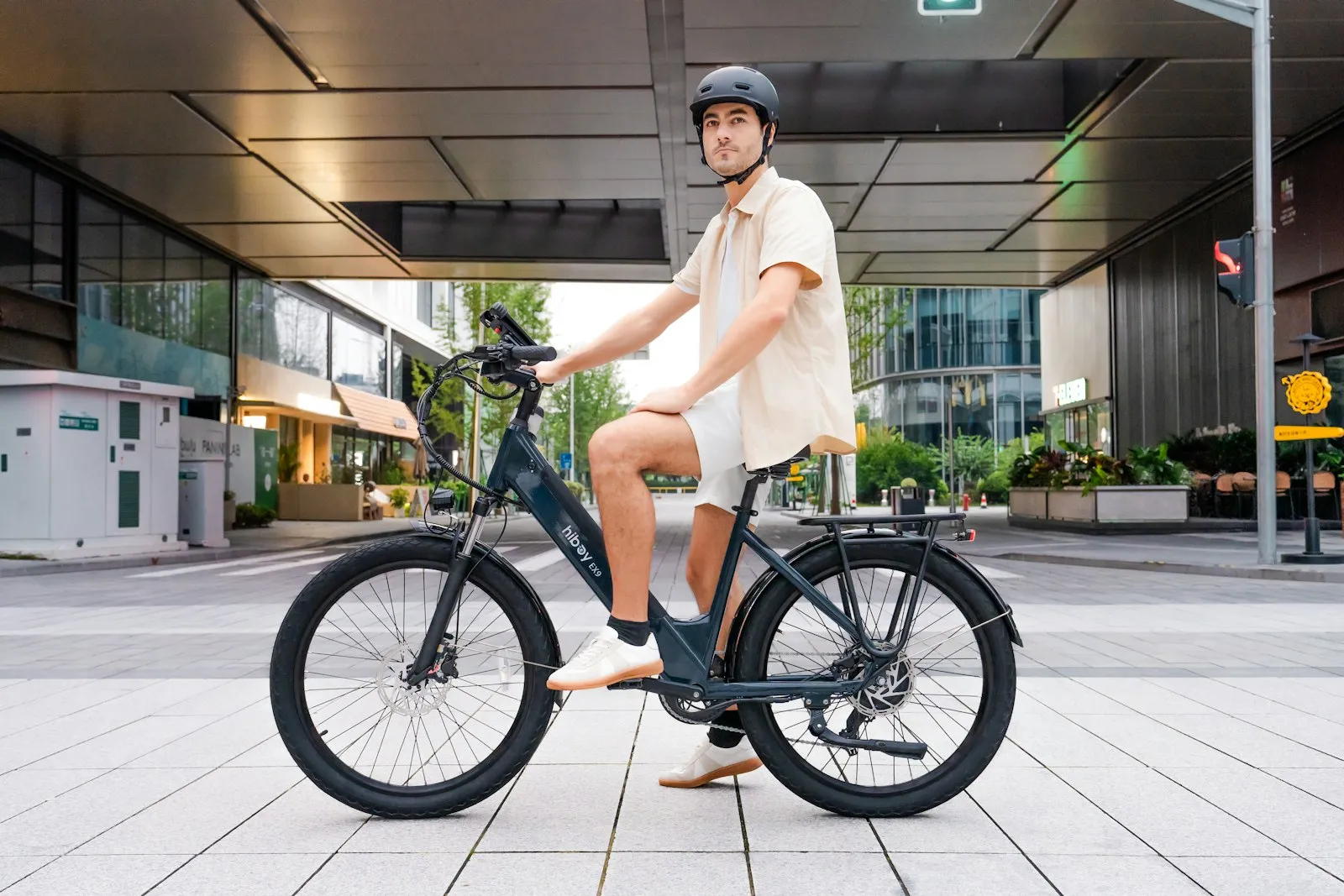
A citi bike e-bike accident is handled under the same framework, with a few additions. New York sorts e-bikes into classes under VTL § 102-c:
| Class | How it is powered | Top assisted speed |
|---|---|---|
| Class 1 | Pedal-assist | 20 mph |
| Class 2 | Throttle | 20 mph |
| Class 3 | Pedal-assist or throttle | 25 mph, only in a city of 1 million or more, such as NYC |
City rules then layer on top. Under NYC DOT’s e-bike rules:
- e-bikes and e-scooters are capped at 15 mph on city streets;
- helmets are required for Class 3 riders and anyone riding for work;
- sidewalk riding is not allowed;
- e-bikes may use bike lanes, bike lanes on bridges, and some park drives and greenways.
Riders must also be at least 16 to operate an e-bike. Expect an insurer to ask about speed, helmet use and where you were riding. A rule violation does not automatically end a claim, but it can be used to argue shared fault. Our post on New York e-bike laws after a crash goes deeper.
Handling the Insurance Calls
Within days of a citi bike accident involving a car, expect a call from the driver’s insurer. The adjuster may sound friendly. The goal is still to limit what the company pays.
Ground rules:
- Keep it short. Confirm your name and contact details. Decline a recorded statement until you have advice.
- Do not guess. If you are unsure of your speed, the light or the distance, say so. A wrong guess becomes a fact in the file.
- Do not minimize. “I’m fine” on day two can be quoted back to you when the shoulder pain turns out to be a tear.
- Do not sign releases or medical authorizations without understanding their scope.
- Stay off social media about the crash, your injuries or your recovery.
No-fault forms are different. Those need to go in promptly, and accurately, to keep medical bills moving.
Building the Record of Your Losses
A claim is only as strong as the proof behind it. Start building that proof on day one.
Medical. Follow through on every referral: orthopedics, neurology, physical therapy, imaging. Missed appointments and long gaps give an insurer room to argue you were not badly hurt. If an insurer sends you to its own doctor, read up on what an IME is and how to prepare.
Work. Save pay stubs, schedules and any letter from your employer about missed time. Gig and delivery workers should keep app earnings screenshots from before and after the crash.
Daily life. Note what you can no longer do: climbing stairs, carrying groceries, sleeping through the night, riding at all. Short daily notes beat a fuzzy memory months later.
Property. Photograph your damaged phone, helmet, clothing and bag. Keep receipts.
Put it all in one folder. When it is time to value the claim, that folder does the talking.
Shared Fault Will Come Up
Insurers routinely argue that the cyclist was partly to blame. Running a light, riding the wrong way, weaving between cars, riding on the sidewalk: all of these get raised.
New York uses pure comparative fault under CPLR § 1411. If you were partly at fault, your recovery is reduced by your share. It is not barred. A rider found 30 percent at fault, for instance, still recovers the remaining share of their damages. Details are in our explanation of comparative negligence in New York.
Common Citi Bike Injury Patterns
A rider has no steel frame, airbags or seatbelt. A citi bike injury often involves:
- head injuries, including concussions;
- broken wrists, arms, collarbones and legs from bracing against a fall;
- back and neck injuries;
- road rash and deep lacerations;
- knee and shoulder damage.
After any citi bike accident, get evaluated even if you feel fine. Some injuries show up later, and gaps in treatment are easy for an insurer to attack. Keep every record, bill and work note.

Deadlines in One Place
- Most injury lawsuits: 3 years under CPLR § 214.
- Claims against the City: notice of claim generally within 90 days; lawsuit within 1 year and 90 days.
- Injured children: deadlines are generally paused until age 18 under CPLR § 208.
- No-fault: has its own short filing deadlines; start right away.
Getting Help After a Citi Bike Accident
Yakov Mushiyev & Associates handles bike share, e-bike and scooter crash claims across Queens and the rest of New York City. We identify every possible source of coverage, preserve the trip record and other evidence, and keep the deadlines in check. Our firm has recovered over $80 million for injured New Yorkers. Talking with us is free; we’re paid only if we recover money for you.
We meet clients at home, in the hospital or by video, in English, Russian or Spanish. Learn more on our scooter and e-bike accident page and our bicycle accident page, read about bike lane and delivery crashes in Queens, or contact our office to talk it through.
Citi Bike Crash Questions, Answered
Does Citi Bike pay for my injuries?
Not automatically. The rental agreement you accepted sets out terms that may matter, so review it with a lawyer. Coverage more often comes from the driver’s insurer, no-fault, MVAIC or another responsible party.
I was on a pedal bike, not an e-bike. Do I still get no-fault?
If a motor vehicle hit you, a rider is generally treated as a non-occupant and can claim no-fault benefits from that vehicle’s policy. A serious injury is generally needed to claim pain and suffering against the driver.
Can I still recover if I was not wearing a helmet?
Often, yes. Helmets are required for Class 3 e-bike riders and work riders under city rules, and the insurer may argue shared fault. Under pure comparative fault, your recovery may be reduced but is not barred.
What if a pothole caused my Citi Bike accident?
A defect on a city street points to a claim against the City of New York. A notice of claim is generally due within 90 days, filed with the Comptroller, so move quickly.
How do I prove I was riding when the crash happened?
Your app ride history, photos, the police report and witness statements work together. Screenshot the ride record right away and keep any messages about the trip.
Visit Yakov Mushiyev & Associates
Our office is at 1 Cross Island Plaza, Suite 325, Rosedale, NY 11422, just off the Cross Island Parkway on the Queens–Nassau border. If you can’t come to us, we’ll come to you: at home, in the hospital or by video.

Talk to a Queens e-bike accident lawyer today
Yakov Mushiyev & Associates has recovered over $80 million for injured New Yorkers across the five boroughs and Nassau County. Consultations are free, available in English, Russian and Spanish, and there is no fee unless we win.
Call 718.775.3110 or contact us online for a free case review.
This article is general information, not legal advice. Every case is different. Attorney Advertising.