
If you are reading this, chances are something terrible happened on a road you have driven a hundred times. Maybe it was a car that drifted over the line on a quiet street near home, or headlights coming the wrong way down a ramp you take to work. Head-on crashes are among the most frightening things that can happen to a driver, and the weeks afterward can feel overwhelming. Please take a breath. You do not have to figure all of this out tonight. A head on collision lawyer in Queens can carry a lot of it for you, and this guide is here to explain, in plain language, what usually comes next.
We are Yakov Mushiyev & Associates, P.C., and our office sits at 1 Cross Island Plaza in Rosedale, right where the Cross Island and Belt Parkways come together. We know these roads because we drive them too. What follows is general information about New York law, not advice about your specific situation, but we hope it helps you feel a little more steady.
First, Take Care of Yourself and Your Family
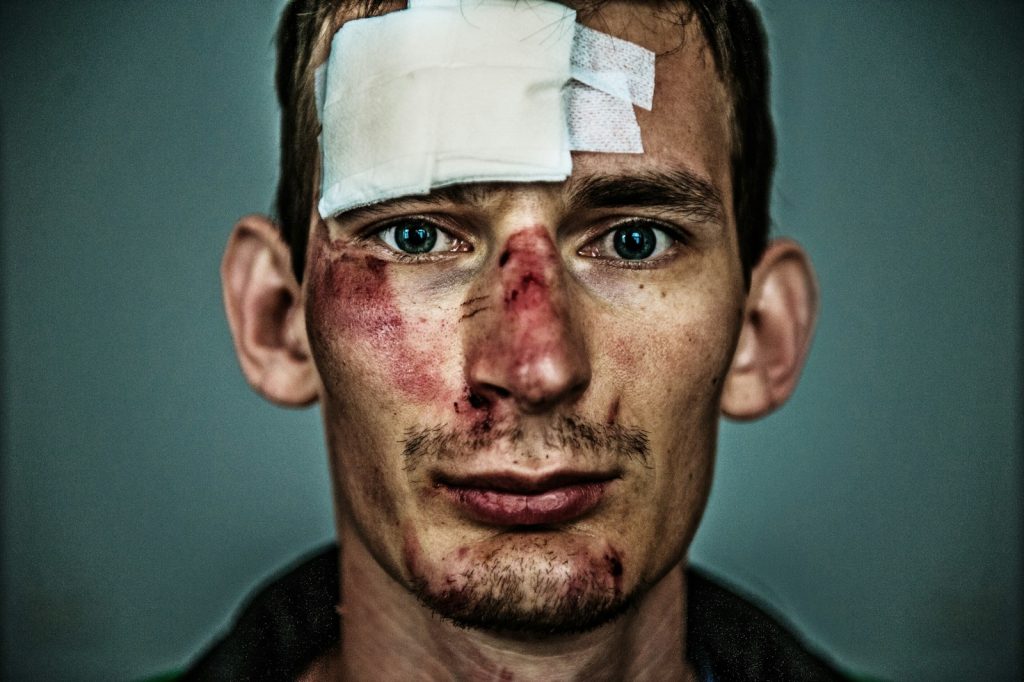
Before anything legal, let us say the most important thing: get the medical care you need, and keep getting it. Head-on collisions combine the speed of both vehicles into one impact, which is why the injuries are so often serious: concussions and other brain injuries, broken bones, chest and abdominal injuries, spinal injuries and deep cuts from glass and airbags. Some of those, especially brain injuries, are not obvious in the first hours.
If you are home from the hospital, follow up with your doctors even when you start to feel better. If a family member was hurt, write down questions for their doctors as they come to you. And give yourself permission to lean on people. Neighbors drive each other to appointments in Queens; that is just what we do.
When you are ready, a few small things make a big difference later:
- Keep every piece of paper from the hospital, pharmacy and doctors in one folder.
- Write down what you remember about the crash, even fragments. Memory fades faster than people expect.
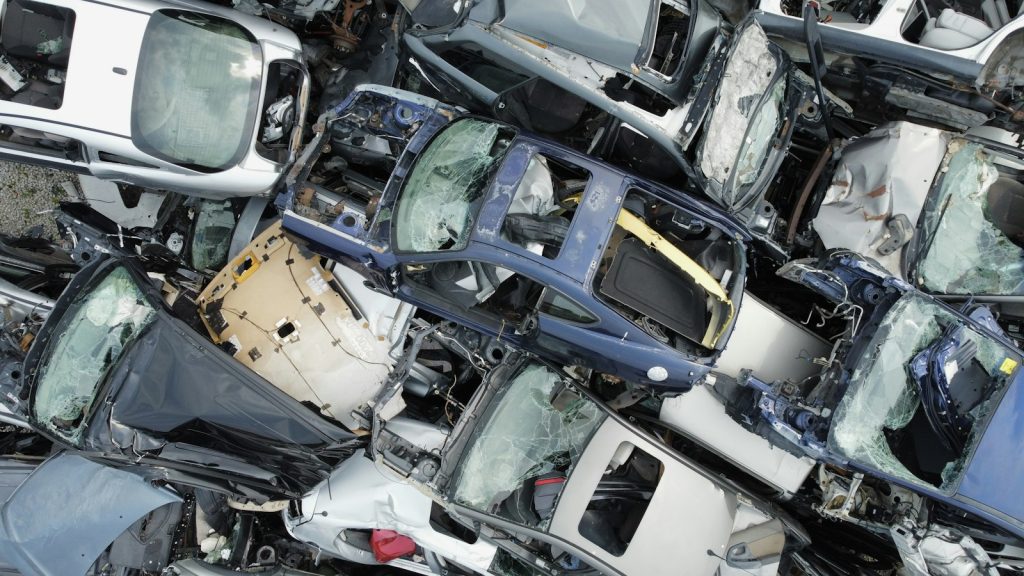
- Ask a family member to photograph your car wherever it was towed, before anything is repaired or scrapped.
- Save the police report or incident number.
How Head-On Crashes Happen on Our Streets
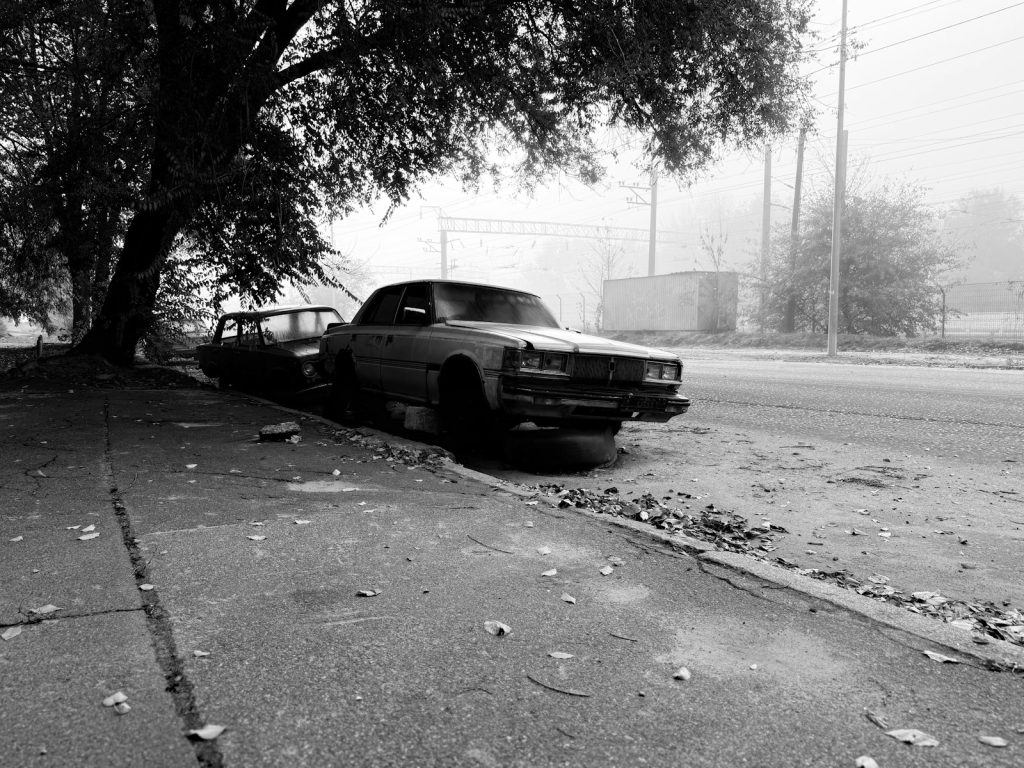
When people hear “head-on collision,” they often picture two cars on a country road. In Queens it usually looks different. Most of our big roads are divided, so true front-to-front crashes tend to happen in a handful of familiar ways:
- Wrong-way drivers on highways and ramps. A confused, drowsy or impaired driver who enters an exit ramp off the Van Wyck, the Belt Parkway, the Grand Central or the Cross Island can end up facing traffic at full speed.
- Drifting over the center line on two-way, undivided streets, the kind you find all over neighborhoods like Rosedale, Laurelton, Bayside and Middle Village, especially on curves or at night.
- Left turns across oncoming traffic. A driver turning left onto a side street from Northern Boulevard, Merrick Boulevard or Francis Lewis Boulevard who misjudges a gap can cause a front-end or offset-frontal impact.
- Passing around double-parked trucks. On narrow streets, swinging into the opposing lane to get around a delivery van or garbage truck can put a driver nose-to-nose with oncoming traffic.
- Service roads and one-way confusion. Conduit Avenue, the service roads along the LIE and Queens Boulevard’s side lanes can confuse drivers who are not from the area.
Impairment and distraction show up in many of these crashes. Driving while intoxicated is prohibited under Vehicle and Traffic Law §1192, and wrong-way crashes in particular often involve a driver who was impaired or exhausted.
Who Is Responsible in a Head On Collision in Queens
Sometimes fault is obvious. A wrong-way driver on the Belt Parkway, for example, is very hard to defend. Other times it is less clear. When two cars meet in the middle of a narrow street, each driver may say the other crossed over. That is where careful investigation matters, and where a head on collision lawyer in Queens earns their keep.
The evidence that usually settles these questions includes:
- The point of impact, often shown by debris, gouge marks and fluid on the roadway, which can show which lane the crash happened in.
- Vehicle event data, which may record speed, braking and steering in the moments before impact.
- Video from nearby homes, businesses, buses and dashcams.
- Witnesses, including drivers who saw a car weaving or heading the wrong way before the crash.
- Police findings, including any evidence of impairment or phone use.
Other people besides the driver can be responsible, too. Under Vehicle and Traffic Law §388, a vehicle’s owner is generally liable for the negligence of someone driving with permission. If the other driver was working, an employer may be involved. If a city vehicle was involved, the rules change, which we will come to in a moment.
Paying the Bills While You Heal
One of the first worries people share with us is money: the hospital bill, the missed paychecks, the rent. Here is how it usually starts.
New York’s no-fault system pays basic economic loss regardless of who caused the crash, up to $50,000 per person. That includes medical bills, 80% of lost earnings up to $2,000 per month and up to $25 per day for other reasonable expenses, such as rides to appointments. If you were driving, your own auto insurer usually handles it. If you were a passenger, the policy on the car you were in is usually the starting point. The application is generally due within 30 days of the accident, so if a family member can help you start it, now is a good time.
Head-on crashes often cause injuries that cost far more than $50,000. Beyond no-fault, a claim can be made against the at-fault driver for the rest of your economic losses and, if your injuries meet New York’s “serious injury” standard under Insurance Law §5102(d), for pain and suffering. Fractures, significant disfigurement and permanent limitations are among the categories, and unfortunately many head-on injuries fall within them.
If the other driver’s insurance is not enough, it is worth looking at your own policy’s supplementary uninsured/underinsured motorist (SUM) coverage. Many people have never looked at this part of their policy. Pull out your declarations page, or ask us to help you find it.
2026 update: For motor-vehicle personal injury actions commenced on or after May 26, 2026, New York applies modified comparative fault under CPLR 1411: an injured person whose share of fault is greater than the defendants’ combined share (more than 50%) recovers nothing, and at 50% or less, recovery is reduced by their percentage. The “90/180-day” category was also removed from the serious injury definition. Wrongful death actions are reported to remain under pure comparative fault, and the Grieving Families Act, which would have expanded wrongful death damages, was vetoed again in December 2025.
That fault rule matters in head-on crashes where both drivers blame each other. If the other side argues that you drifted too, the allocation of fault can affect whether you recover at all, which is one more reason to preserve the evidence early.
When a City Vehicle Is Involved
Queens streets are full of city and transit vehicles: sanitation trucks, agency cars, buses. If one of them was part of your crash, please do not wait. Claims against New York City, its agencies and many public authorities generally require a Notice of Claim within 90 days, and a lawsuit within one year and 90 days. The city may ask you to attend a 50-h hearing, which is a sworn question-and-answer session before any lawsuit. Ninety days goes by fast when you are recovering from a serious injury.
If You Lost Someone in a Head-On Crash
We are so sorry. Some head-on collisions take lives, and no explanation of the law can make that easier. When you are ready, it may help to know that New York allows a wrongful death claim, generally brought by the personal representative of the estate, within two years of the death under EPTL 5-4.1. Under current law, wrongful death damages are mainly limited to economic losses, such as lost financial support and services, along with certain expenses. The estate may also bring a separate claim for the pain and suffering your loved one consciously experienced before death. Our page for families pursuing wrongful death claims in Queens explains these rules gently and in more detail.
How We Help Neighbors After a Head On Collision in Queens
When a family comes to us after a head-on crash, our first job is to take things off their plate. That usually means getting the police report and any available video, sending letters asking the other side to preserve vehicle data, identifying every insurance policy that may apply, helping with no-fault paperwork and keeping track of every deadline. It also means listening. Every family’s situation is different, and the right approach depends on the injuries, the people involved and what matters most to you.
Head-on crashes have a lot in common with side-impact crashes at intersections; if that is closer to what happened to you, our guide for T-bone crash victims in Queens may help. You can see everything we handle on our practice areas page, find quick answers on our general FAQ page, and if you live near the eastern edge of the borough, our page for head-on collision victims in Bellerose speaks to that neighborhood.
Three Queens Landmarks Close to Home
We love this borough, and some of its most remarkable places are right in our corner of it. Here are three, with a neighborly word about the roads around each.
JFK International Airport
John F. Kennedy International Airport fills a huge stretch of southeastern Queens along Jamaica Bay, bordered by neighborhoods like Howard Beach, South Ozone Park, Springfield Gardens and Rosedale. It is one of the busiest international gateways in the country, and the roads feeding it, including the Van Wyck Expressway, the Belt Parkway, the Nassau Expressway, Rockaway Boulevard and Conduit Avenue, carry heavy traffic at all hours. Tired travelers, rental cars driven by visitors and confusing ramp layouts make wrong-way entries and sudden lane changes a real concern. If you are picking someone up, set your route before you start driving and give yourself extra time.
Idlewild Park Preserve
Idlewild Park Preserve is a quiet surprise just east of JFK, near Rosedale and Springfield Gardens. Its name recalls Idlewild Airport, the airport’s original name, and the park protects salt marsh, wetlands and woodland along the edge of Jamaica Bay, with trails and an environmental education center. It is a favorite of birdwatchers and families looking for green space close to home. The residential streets around it are often two-way and undivided, the kind of roads where a driver who drifts across the line, especially at night or in fog off the bay, can cause a head-on crash. Take those curves slowly.
The Calvary Cemetery Skyline View
Calvary Cemetery, in western Queens near Maspeth and Woodside, is one of the largest cemeteries in the United States, and its hills offer one of the most striking views of the Manhattan skyline anywhere, framed by rows of old headstones. Photographers come for that view, and families come to visit loved ones. The cemetery sits beside the Long Island Expressway, the Brooklyn-Queens Expressway and the Kosciuszko Bridge, some of the busiest and most complicated stretches of highway in the city. Ramps and merges there can confuse drivers who are not familiar with them, so plan your route before you go.
Directions to Our Rosedale Office from JFK Airport
We are a short drive from JFK. From the airport, follow signs for the Belt Parkway eastbound toward Long Island. Stay on the Belt Parkway as it passes Rosedale, and follow the exits near the Cross Island Parkway junction to Cross Island Plaza, where our office is in Suite 325. Outside of rush hour, the trip often takes about 10 to 20 minutes; the map shows the current route.
Questions Neighbors Ask Us About Head-On Crashes
Who pays my hospital bills after a head-on collision?
Usually no-fault insurance pays first, no matter who caused the crash. It covers up to $50,000 per person in basic economic loss, including medical bills, 80% of lost earnings up to $2,000 per month and up to $25 per day in other reasonable expenses. If you were driving, your own insurer usually handles it; passengers generally go through the car they were riding in. Try to submit the application within 30 days.
Both drivers say the other one crossed the line. How is fault decided?
Through evidence rather than words. Debris and marks on the road can show where the impact happened, vehicle data can show speed and steering, and video from homes, businesses or dashcams can show the moments before the crash. Witnesses help too. For motor-vehicle cases commenced on or after May 26, 2026, if you are found more than 50% at fault you recover nothing, so this evidence matters.
Can I sue for pain and suffering after a head-on crash?
Yes, if your injuries meet New York’s “serious injury” standard, such as a fracture, significant disfigurement, a permanent loss of use, a permanent consequential limitation or a significant limitation of use. Many head-on injuries meet one of these categories, but each case is evaluated on its own medical records. Economic losses beyond no-fault can be pursued regardless.
What if the other driver was drunk or going the wrong way?
Driving while intoxicated is prohibited under Vehicle and Traffic Law §1192, and evidence of impairment or wrong-way driving can make fault much clearer. If the driver had been served alcohol while visibly intoxicated at a bar or restaurant, New York’s Dram Shop Act may also allow a claim against that business. The criminal case runs separately from your civil claim.
What if the other driver’s insurance is too small?
That happens often in serious head-on crashes. Other sources may include the vehicle owner’s coverage, an employer’s coverage if the driver was working, and your own supplementary uninsured/underinsured motorist (SUM) coverage. Check your policy’s declarations page, or bring it to a consultation so it can be reviewed.
How long do I have to file a claim?
For injury claims against a private driver, generally three years under CPLR 214(5). If a city vehicle or public authority was involved, a Notice of Claim is generally due within 90 days, with a lawsuit within one year and 90 days. Wrongful death claims are generally due within two years of the death. Shorter deadlines, like the 30-day no-fault application, start right away.
My family member died in a head-on crash. What can we recover?
Under current New York law, wrongful death damages are mainly economic, such as lost financial support, services and certain expenses. The estate may also bring a claim for the conscious pain and suffering your loved one experienced before passing. The Grieving Families Act, which would have expanded these damages to include grief, was vetoed again in December 2025, so the existing limits still apply.
Do I have to file a report with the DMV?
If you were driving and anyone was injured or killed, or property damage exceeded $1,000, you must file DMV form MV-104 within 10 days. This is separate from the police report. If you are hospitalized, a family member or your lawyer can help make sure it is handled.
Where do head-on crashes tend to happen in Queens?
Wrong-way crashes often start at highway ramps along the Van Wyck, the Belt, the Grand Central and the Cross Island Parkways. On local streets, crashes tend to happen on undivided two-way roads, during left turns across busy roads like Northern or Merrick Boulevard, and where drivers swing around double-parked trucks into oncoming traffic.
Is your office easy to get to if I am still recovering?
Our office at 1 Cross Island Plaza in Rosedale is right off the Belt and Cross Island Parkways, with easy access from much of Queens and nearby Nassau County. If traveling is hard while you recover, call us first and we can talk about what arrangements make sense for you.
Related: For a full overview of how our firm handles these claims, visit our Head On Collision Lawyer in Queens page.
Talk With a Head On Collision Lawyer in Queens Who Knows These Roads
You do not have to go through this alone. Whether you are still in the hospital or months into recovery, a head on collision lawyer in Queens can help you understand where you stand, protect the deadlines and handle the insurance companies, so you and your family can focus on healing.
Call Yakov Mushiyev & Associates, P.C. at 718.775.3110, or contact us online whenever you are ready. We are your neighbors at 1 Cross Island Plaza, Suite 325, in Rosedale.
General information, not legal advice. Attorney Advertising. Prior results do not guarantee a similar outcome.