
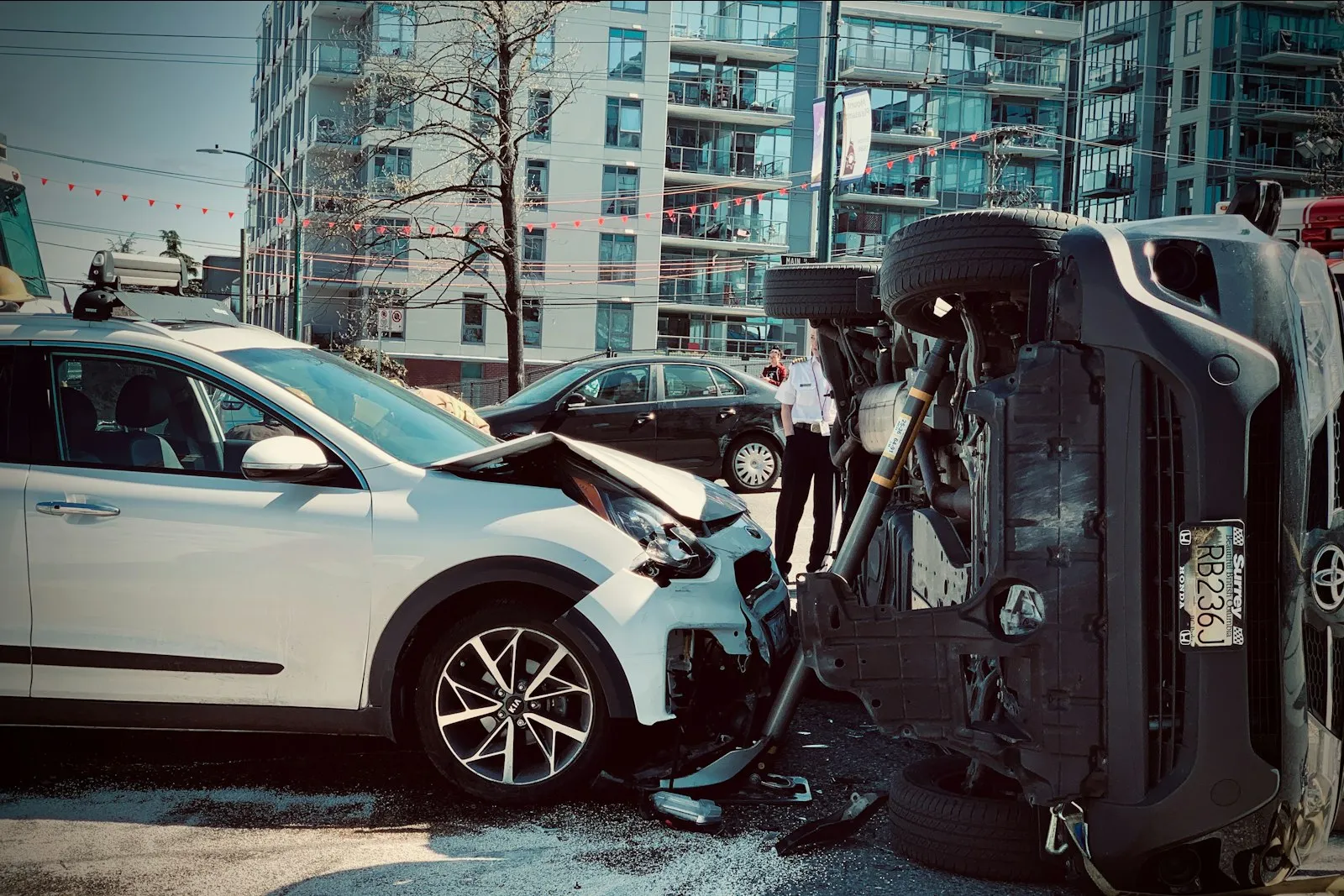
The car hit you, and then it was gone. Maybe you saw a partial plate. Maybe you saw nothing but taillights heading up Queens Boulevard or onto the LIE ramp. You’re hurt, you’re angry, and the person who did this isn’t around to answer for it.
Here’s what most people don’t know: a hit-and-run victim in New York can still get compensation, often through their own insurance or a state fund. But the path runs on a strict clock, with some deadlines measured in hours. This guide is built around that clock.
If you were hit in Rego Park and want help now, call Yakov Mushiyev & Associates, P.C. at 718.775.3110. Phone intake is available 24/7.

Minute 0 to Hour 1: At the Scene
- Call 911. Ask for police and an ambulance. Leaving the scene of an accident involving injury is a crime under New York’s Vehicle and Traffic Law § 600, and police will want to investigate.
- Write down everything about the car while it’s fresh: color, make, model, body style, any part of the plate, damage, stickers, direction of travel. Even “dark SUV, NJ plate starting with K” helps.
- Look around for witnesses and get phone numbers. Drivers who stopped, people at bus stops, store workers.
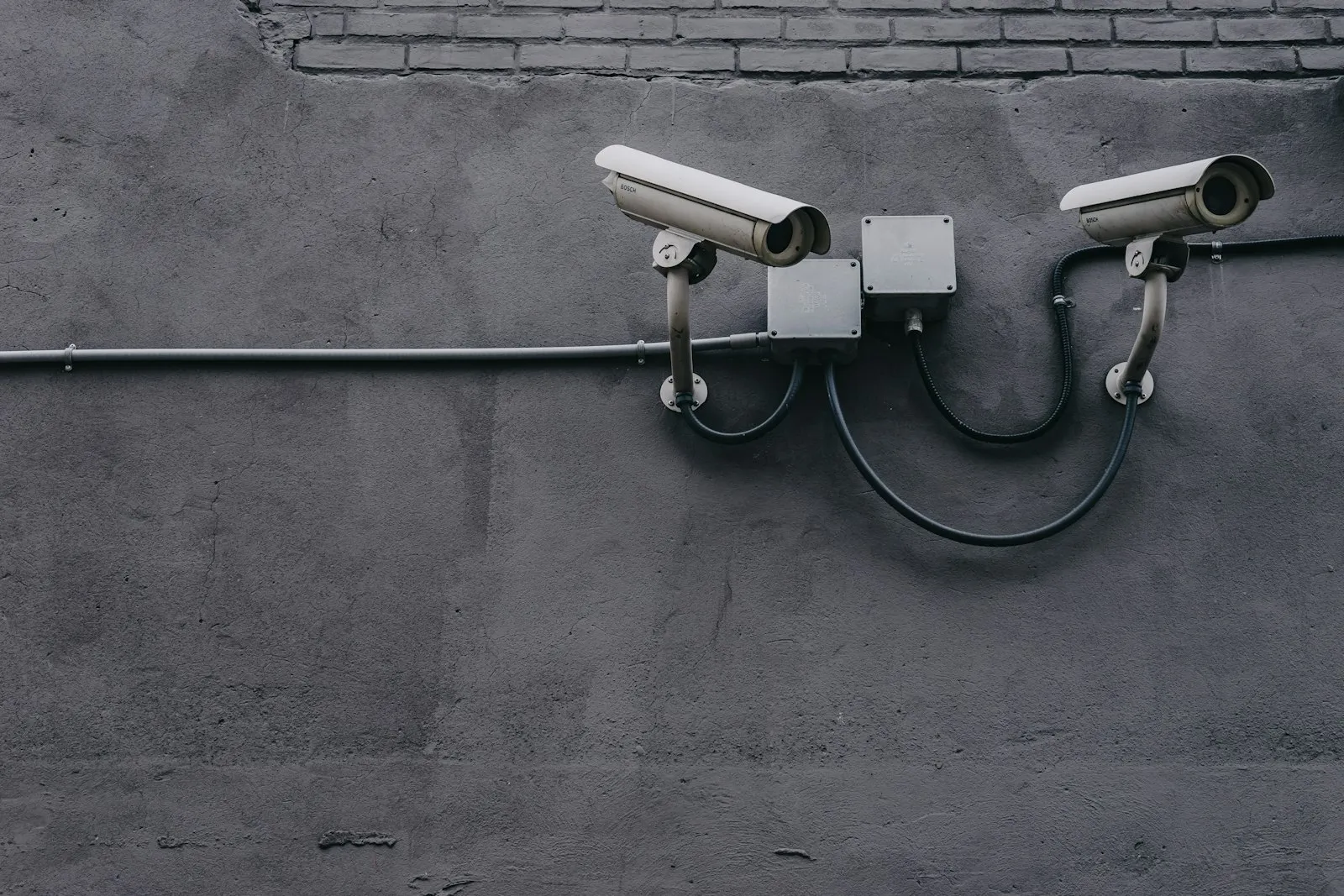
- Notice cameras. Storefronts, building entrances, bus stops, intersections. Make a note of where they are.
- Get medical care. Don’t refuse the ambulance just because you can walk.
Hour 1 to Hour 24: Make Sure There’s a Police Report
This is the first hard deadline. Under Insurance Law § 5208, a hit-and-run claim through the Motor Vehicle Accident Indemnification Corporation (MVAIC) requires that the accident be reported to the police (or another listed officer) within 24 hours, unless it wasn’t reasonably possible, in which case it must be reported as soon as reasonably possible. Your own auto policy will typically have a similar requirement for uninsured motorist claims.
If officers responded at the scene, make sure you get the report number. If they didn’t, or you left by ambulance before a report was taken, go to or call the NYPD’s 112th Precinct, which covers Rego Park, and make a report. Write down the officer’s name and the date and time you reported.

Day 1 to Day 7: Chase the Video
This is the week that decides whether the driver is ever found. Many building, store and home security systems overwrite footage within days.
- Go back to the scene, or have a family member go, and ask businesses and building managers to save footage from the right time window.
- Ask in writing if possible, and get the name of whoever you spoke to.
- Tell the investigating officer where the cameras are.
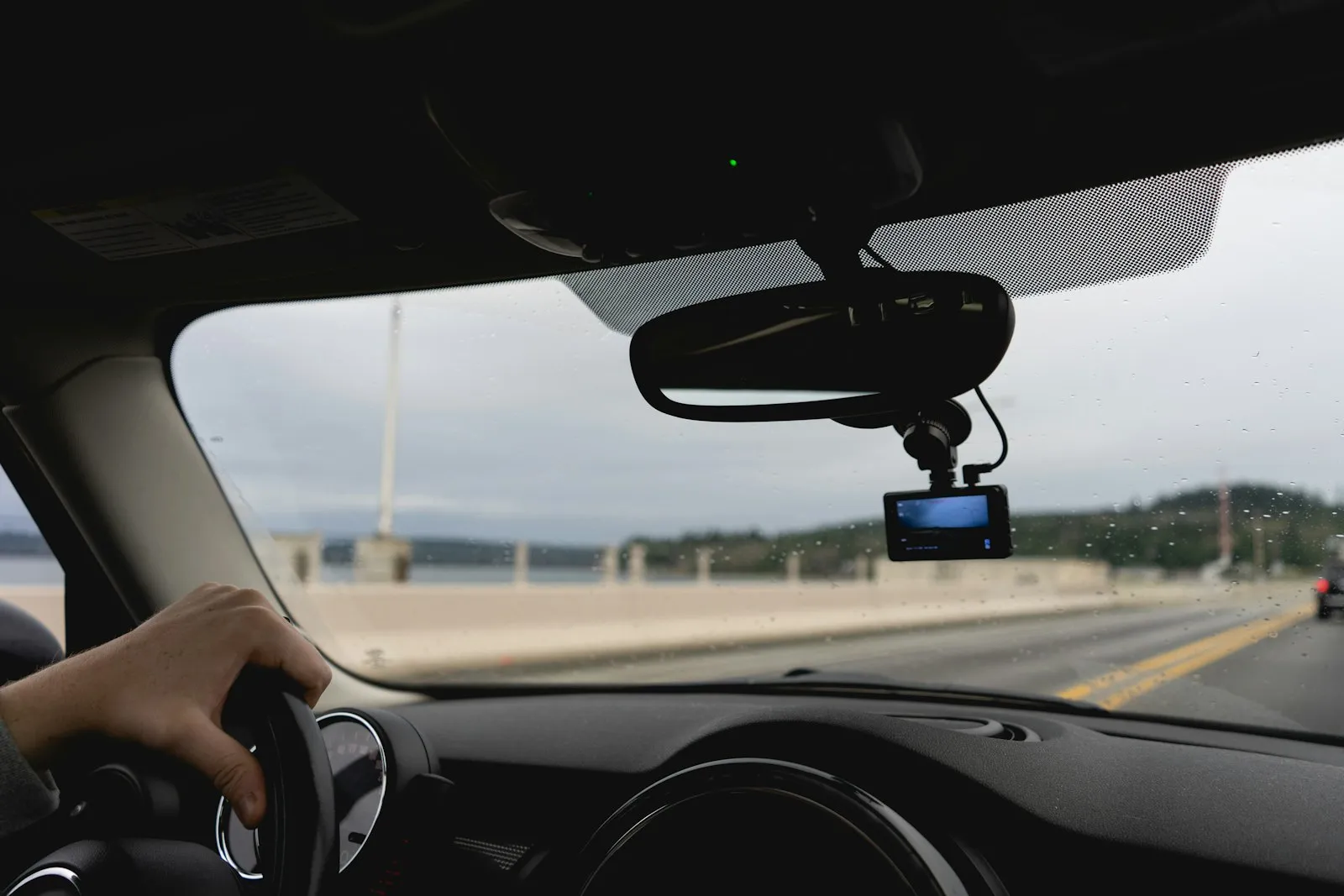
- Check whether you or a passenger had a dashcam, or whether a ride-share or delivery driver nearby might have one.
Rego Park’s commercial corridors, Queens Boulevard, 63rd Drive, Junction Boulevard and Woodhaven Boulevard, are lined with cameras. A partial plate plus thirty seconds of video has broken open many hit-and-run cases. A lawyer can also send preservation letters on your behalf.
Day 1 to Day 30: File for No-Fault Benefits
New York’s no-fault insurance pays medical bills and part of lost wages, up to $50,000 in basic coverage, no matter who caused the crash. The deadline to file the application is 30 days.
Where you file depends on where you were:
- In your own car or someone else’s: the insurer of that car.
- On foot or on a bike, with a car policy in your household: according to the Department of Financial Services, when the striking vehicle is unknown, the claim goes to the insurer of a household relative’s auto policy.
- On foot or on a bike, with no car policy in the household: MVAIC.
Our Rego Park pedestrian guide and Rego Park bicycle guide explain how these rules apply when you weren’t in a car.
Day 1 to Day 90: The MVAIC Affidavit
If MVAIC is involved in your claim, Insurance Law § 5208 requires that a sworn affidavit be filed with MVAIC within 90 days for a hit-and-run with an unidentified driver. This is separate from the no-fault application and is easy to miss.
Month 1 Onward: Your Uninsured Motorist Coverage
Pain and suffering isn’t covered by no-fault. In a normal crash, you’d pursue that against the at-fault driver. In a hit-and-run, the usual sources are:
- Uninsured motorist (UM) coverage on your own auto policy, or a household relative’s. New York auto policies include UM coverage, and many people also carry higher supplementary (SUM) limits.
- MVAIC, if you have no applicable auto policy.
These claims usually proceed through your own insurer, and disputes are often resolved by arbitration. Your own insurance company is not on your side in a UM claim. It stands in the shoes of the driver who fled. Read your policy’s notice requirements carefully, and see our article on whether you can sue an insurance company after a New York car accident.
The 2026 rules still apply
To recover for pain and suffering in a motor vehicle case, you generally must show a “serious injury” under Insurance Law § 5102(d), and the 2026 budget removed the old “90/180-day” category. And the 2026 addition to CPLR § 1411 bars recovery for a claimant who is more at fault than the defendant in personal injury actions governed by the no-fault article. Expect the insurer to look closely at whether you were in a crosswalk, had the light, or were riding with lights at night.
Where Hit-and-Runs Happen Around Rego Park
Hit-and-runs can happen anywhere, but the geography of Rego Park makes some places especially common:
- Near expressway ramps. The Long Island Expressway and its service roads run along the neighborhood’s northern edge. A driver who hits someone near a ramp can be on the highway in seconds.
- Queens Boulevard. Its many lanes and service roads give a fleeing driver several ways out, especially at night.
- Woodhaven Boulevard. Long, fast stretches between signals and heavy traffic make it easy for a driver to blend in.
- Residential side streets. Cut-through drivers on the numbered avenues and drives sometimes clip a pedestrian, a cyclist or a parked car and keep going.
- Parking lots around the big stores, where backing crashes happen and drivers simply leave.
Why Drivers Flee, and What It Means for Your Case
Drivers leave the scene for many reasons: no license, no insurance, intoxication, an outstanding warrant, a work vehicle they weren’t supposed to be driving, or plain panic. Whatever the reason, the flight itself matters.
If the driver is identified, leaving the scene can be powerful evidence in a civil case. It also often reveals the very facts the driver was trying to hide, such as no insurance, which changes where compensation comes from. If the car was owned by someone else, such as a parent, an employer or a rental company, the owner’s insurance may be responsible under New York’s vehicle owner liability rule.
If the driver is never identified, your claim doesn’t disappear. It shifts to your own uninsured motorist coverage, a household relative’s policy, or MVAIC, which is why meeting every deadline in this guide matters so much.
What a Hit-and-Run Claim Can Recover
- Medical bills and part of lost wages through no-fault
- Additional economic losses beyond no-fault, depending on the source of recovery
- Pain and suffering, through UM/SUM, MVAIC or a claim against an identified driver, when the serious-injury threshold is met
- Wrongful death damages for families who lost someone, subject to a two-year deadline
UM and MVAIC recoveries are limited by the coverage available. That’s why it’s worth checking every policy in your household, not just your own.
If the Driver Is Found
Sometimes video, a witness or a tip identifies the car weeks later. If that happens, your claim can proceed against the driver and owner directly, and their insurance becomes the main source of recovery. The driver’s flight can also be strong evidence at trial. The three-year statute of limitations under CPLR § 214 applies to a lawsuit against an identified private driver, so keep your options open even while the UM or MVAIC claim moves forward.
The Countdown at a Glance
| When | What to do | Why |
|---|---|---|
| Immediately | Call 911, get medical care, note the car | Safety and evidence |
| Within 24 hours | Make sure a police report is filed | Required for MVAIC hit-and-run claims; most policies require it too |
| Within 7 days | Ask nearby businesses and buildings to save video | Footage is often overwritten |
| Within 30 days | File the no-fault application | No-fault deadline |
| Within 90 days | File the MVAIC affidavit, if MVAIC is involved | Insurance Law § 5208(a)(2) |
| Promptly | Give your insurer notice of a UM/SUM claim | Policy conditions |
| 3 years | Lawsuit against an identified private driver | CPLR § 214 |
Our Firm
Yakov Mushiyev & Associates, P.C. handles hit-and-run, uninsured motorist and MVAIC claims for Queens residents. Learn more on our Rego Park car accident lawyer page and our Rego Park practice page. If a rideshare or taxi was involved, see our Rego Park Uber accident guide.
Getting to Our Rosedale Office
Our office is at 1 Cross Island Plaza, Suite 325, Rosedale, NY 11422. By car, take the Van Wyck Expressway south to the Belt Parkway east. By transit, take the M or R to Forest Hills–71st Avenue, the E or F to Jamaica and the LIRR to Rosedale. If you’re still recovering, call first and ask about a phone or video consultation.
Open turn-by-turn directions in Google Maps · 1 Cross Island Plaza, Suite 325, Rosedale, NY 11422 · 718.775.3110
Hit-and-Run FAQs
I only got a partial plate. Is that enough?
It can be. Police can often narrow a partial plate by make, model and color, especially with video. Give the officer everything you remember.
My own insurance company is treating me like the bad guy. Is that normal?
In uninsured motorist claims, your insurer takes the position the missing driver would take. It can dispute fault, injury and damages. That’s a reason to have someone on your side.
I didn’t report it right away because I was in the hospital. Is my claim dead?
Not necessarily. The law allows for a report as soon as reasonably possible when it wasn’t possible within 24 hours. Report it now and document why it was delayed.
Should I post about the crash on social media to find the driver?
It can help, but be careful. Share facts about the car, the time and place, and ask people to contact the police. Don’t post about your injuries or how you feel, since insurers can use those posts later.
Can I still get compensation if the driver is never found?
Often, yes, through no-fault, your own UM/SUM coverage, or MVAIC, as long as the deadlines are met.
Talk to a Queens Hit-and-Run Lawyer
If a driver hit you and fled in Rego Park, call Yakov Mushiyev & Associates, P.C. at 718.775.3110 or contact us online.
General information, not legal advice. Attorney Advertising. Prior results do not guarantee a similar outcome.