
Most writing about Lyft crashes is addressed to the person in the back seat. This article is for the person in the front. If you drive for Lyft and were hurt in a crash in or around Kew Gardens, you are dealing with two systems at once: a work-injury system built for for-hire drivers, and the ordinary rules that govern claims against whoever caused the collision. Knowing where one ends and the other begins is the difference between a claim that moves and one that stalls. Below, we separate the two tracks, explain what to preserve from the driver app before you log off, and note what the 2026 changes in New York law mean for someone who was behind the wheel.
Hypothetical example: A Lyft driver has just dropped a juror at Queens Borough Hall and is waiting on the Queens Boulevard service road for the next request. A car exiting the main roadway cuts across and strikes the driver’s door. The driver has a passenger-free car, an app showing “waiting for a request,” and an injured shoulder. Who pays, and through which door? This scenario is illustrative only; it does not describe a real client.
Two Tracks for an Injured Lyft Driver
An injured Lyft driver in New York City typically has to think about more than one source of recovery. They are related, but they are not the same thing, and each has its own paperwork.
| Track | What it is | Who it is against | Does fault matter? |
|---|---|---|---|
| New York Black Car Fund | Workers’ compensation for black-car and app-based for-hire drivers | The Fund, for work injuries | It is a work-injury benefit, not a lawsuit |
| No-fault (PIP) | Basic economic loss: medical bills, part of lost earnings, other costs | The insurer of the vehicle involved | No, it pays regardless of fault |
| Injury claim against the other driver | Pain and suffering and losses beyond no-fault | The at-fault driver and that driver’s insurer | Yes, and under the 2026 rules it is decided first |
How these tracks interact in a particular case, and which pays first for which bill, depends on the facts and on each program’s own rules. Do not assume that opening one closes another, and do not let one deadline pass while you are waiting for an answer on a different track.
Track One: The New York Black Car Fund
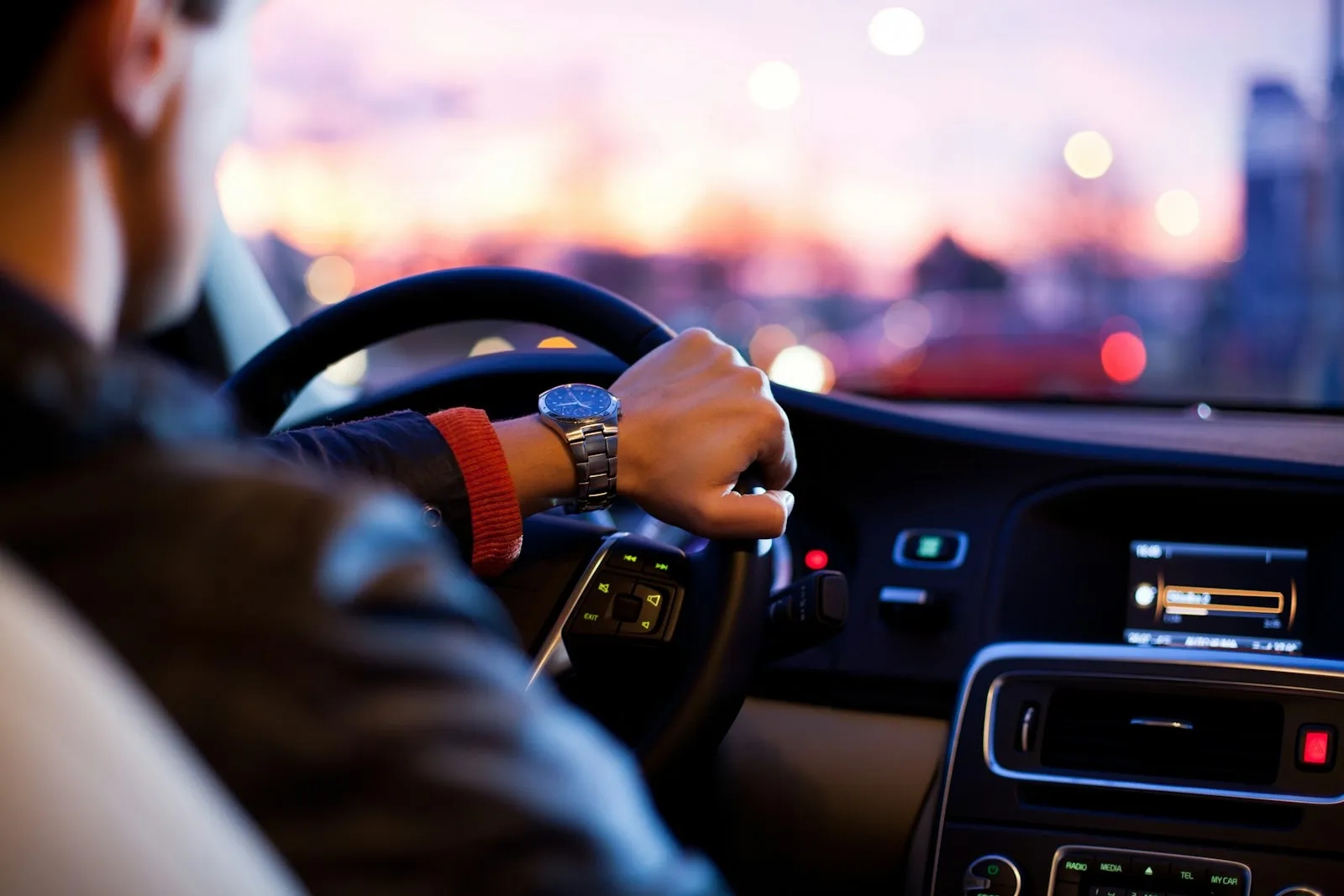
Lyft drivers in New York City are TLC-licensed for-hire drivers. When they are hurt on the job, they are generally covered for their own work injuries through the New York Black Car Fund, which provides workers’ compensation for black-car and app-based for-hire drivers. That coverage is separate from any claim a passenger in the same crash may bring.
The Fund has its own procedures, and we will not paraphrase them from memory. What we can say with confidence is practical:
- Report the injury promptly and keep copies of everything you submit.
- Tell every doctor that the injury happened while you were working as a for-hire driver.
- Keep a record of the trips and hours you could not work, using your Lyft earnings history.
- Check the Fund’s own site, or ask us, before you sign any form that describes how the crash happened.
A work-injury benefit is valuable, but it is not designed to compensate for pain and suffering caused by someone else’s careless driving. That is the job of the second track.
Track Two: A Claim Against the Driver Who Caused the Crash
When another motorist causes the collision, an injured Lyft driver may also pursue that motorist for losses no-fault does not cover. New York sets two gates in front of that claim.
Gate one: fault, decided first
Under Insurance Law § 5104, the judge or jury must decide fault before deciding whether the injury is serious. And under new CPLR 1411(b), for motor-vehicle injury lawsuits under Insurance Law Article 51 commenced on or after May 26, 2026, regardless of the accident date, a claimant whose fault is greater than the defendant’s (or the defendants’ combined) recovers nothing. A claimant at 50% or less has the recovery reduced proportionally.
This matters more for drivers than for passengers. A passenger is rarely blamed for a crash. A Lyft driver who stopped on a service road, changed lanes to reach a rider, or glanced at a new request will hear the other side argue that the driver was the one mostly at fault. The answer is evidence, gathered early.
Gate two: a serious injury
To recover for pain and suffering, a person hurt in a car crash generally must show a serious injury under Insurance Law § 5102(d). After the 2026 state budget (Chapter 58, Part EE) removed one former category, eight remain:
- Death
- Dismemberment
- Significant disfigurement
- Fracture
- Loss of a fetus
- Permanent loss of use of a body organ, member, function or system
- Permanent consequential limitation of use of a body organ or member
- Significant limitation of use of a body function or system
The new non-economic damages cap
New Insurance Law § 5104(d) caps non-economic damages at $100,000 for an at-fault claimant who was driving uninsured through his or her own responsibility (a lapse of under 30 days is excepted), was convicted of impaired driving, or was convicted of a felony committed while driving. It does not cap economic damages, other people’s claims, or wrongful death claims. The Department of Financial Services addressed these rules in Circular Letter 2026-01.
Where No-Fault Fits for a Driver
New York is a no-fault state: personal injury protection pays medical expenses, a portion of lost earnings and other basic economic loss regardless of who caused the crash. The state minimum is $50,000 per person. For TLC-licensed vehicles, including Lyft cars, the requirement was cut from $200,000 to $100,000 per person effective March 1, 2026; a crash before that date may still fall under the policy then in force. The no-fault application is generally due within 30 days of the accident.
A driver who also has a Black Car Fund claim should not treat no-fault as optional paperwork. File on time and let the carriers sort out which benefit applies to which bill.
What to Capture From the Driver App Before You Log Off
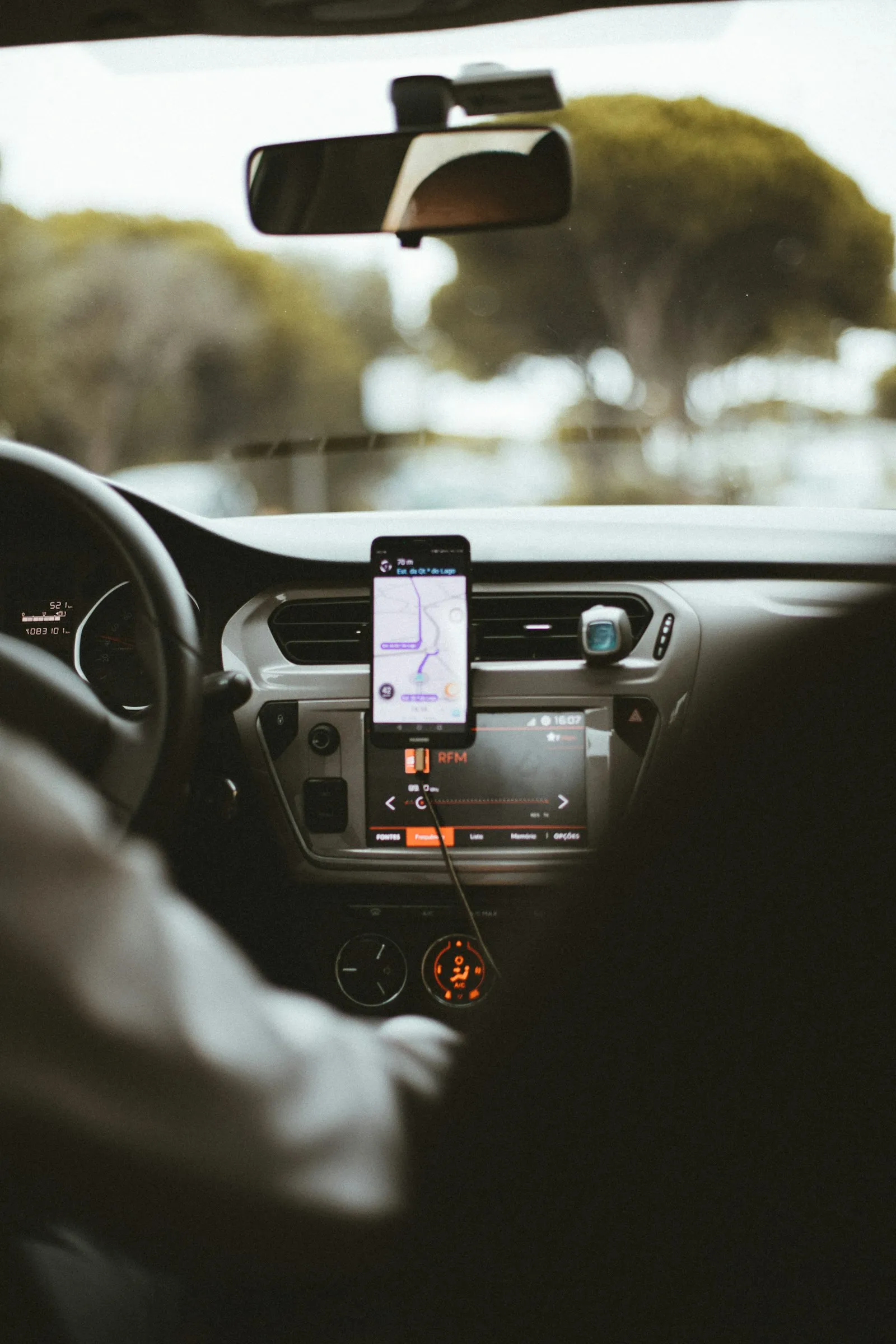
Lyft’s records are often the most objective account of what you were doing when the crash happened. Before anything scrolls away:
- Your status at impact. App off, waiting for a request, en route to a pickup, or carrying a passenger. Screenshot whatever the app shows.
- The trip ID and receipt for any ride in progress or just completed, with start and end times and the route.
- An in-app safety report. Report the crash through the app as well as to the police.
- Your earnings history for the weeks before the crash, which helps show lost income.
- The other driver’s information: name, plate, insurer and policy number, plus photos of both vehicles.
Do not delete the app or deactivate your account. Drivers involved in a crash may also have a duty to file an MV-104 report with the New York DMV, and a dash camera recording, if you have one, should be saved in its original file.
When the Driver Who Hit You Carries Little Insurance
Uninsured and underinsured motorist coverage on TLC vehicles in New York City is far lower than under the state’s rideshare rule, which applies to trips starting outside the city, for example in Nassau County. When another driver causes the crash and has little coverage, your own supplementary uninsured/underinsured motorist (SUM) coverage on a personal policy, or a household relative’s, may matter. Bring every insurance card in your household to the first meeting.
Forest Park and the Borough Hall Curb, Seen From the Driver’s Seat
For Lyft drivers, two destinations define a good share of Kew Gardens work. Queens Borough Hall and the Queens criminal courthouse stand next to each other on Queens Boulevard, and weekday mornings bring jurors, witnesses, lawyers and families who must arrive on time. Drivers queue for drop-offs on the service road, wait there for the next request, and merge back into a wide boulevard where traffic moves fast between the main lanes and the service lanes. Opened doors, sudden stops and lane-cutting are the recurring hazards.
Forest Park, along the neighborhood’s southwest edge, is one of the largest parks in Queens, with trails, a golf course, a historic carousel, a bandshell used for summer concerts, and ballfields. Riders headed there are often families with gear, which means longer stops along Park Lane South and Metropolitan Avenue. The Jackie Robinson Parkway crosses the park, and Woodhaven Boulevard and Myrtle Avenue cut through it as well, so a driver finishing a drop-off may be pulling into fast traffic with limited sight lines.
If Your Passenger Was Hurt Too
A passenger’s claim is separate from yours. The passenger generally claims no-fault from your car’s commercial policy and may pursue whoever caused the crash. Our Lyft accident lawyer Kew Gardens page covers the passenger side. If a yellow or green cab was involved instead, see our Kew Gardens taxi accident page. Drivers working the area south of Forest Park can also read our Richmond Hill Lyft accident guide, and our Kew Gardens accident lawyer page covers other crash types.
Lyft Accident FAQs for Drivers
Does it matter that I had no passenger when I was hit?
It can. Your app status (off, waiting for a request, en route to a pickup, or carrying a passenger) is part of the record insurers review. Screenshot it and keep it.
Is the Black Car Fund the only thing I can claim?
Not necessarily. The Fund covers work injuries. If another driver caused the crash, a separate injury claim against that driver may be available, subject to the serious-injury threshold and the fault rules.
How long do I have to sue the other driver?
The personal injury statute of limitations is three years under CPLR 214(5). If a city or MTA vehicle hit you, a notice of claim is due within 90 days under General Municipal Law § 50-e.
The other driver says I stopped short. Can I still recover?
Under CPLR 1411(b), for lawsuits filed on or after May 26, 2026, you can recover a reduced amount if your share of fault is 50% or less, and nothing if it is greater than the other side’s. That makes early evidence essential.
Who regulates my license and vehicle?
The NYC Taxi and Limousine Commission. Your car carries TLC plates and commercial for-hire insurance.
Will a lawyer cost me anything up front?
Not with us. Our review is free, and there is no fee unless we win. More general answers are on our FAQ page.
About Kew Gardens: Local FAQs for Drivers
Which highways meet at the Kew Gardens Interchange?
The Grand Central Parkway, the Van Wyck Expressway and the Jackie Robinson Parkway meet there, along with Union Turnpike and Queens Boulevard. It is a heavy merge zone for airport trips.
Which road do drivers use from Kew Gardens to JFK?
The Van Wyck Expressway runs south from the interchange toward JFK Airport. LaGuardia trips typically use the Grand Central Parkway.
Where do riders come off the train in Kew Gardens?
At Kew Gardens–Union Turnpike on the E and F lines, and at the LIRR’s Kew Gardens station near Lefferts Boulevard and Austin Street. Both are busy pickup points.
What is the building next to Queens Borough Hall?
The Queens criminal courthouse. Civil injury cases in Queens County Supreme Court are generally heard at the courthouse on Sutphin Boulevard in Jamaica; the New York State Unified Court System lists locations.
Which neighborhoods surround Kew Gardens?
Forest Hills to the west, Richmond Hill to the south, Briarwood to the east and Kew Gardens Hills to the north, with Forest Park on the southwest edge.
Where can I get treated nearby?
Long Island Jewish Forest Hills is close by to the west, and Jamaica Hospital Medical Center is a short drive south and east. In an emergency, call 911.
Talk to a Lawyer Who Knows Both Tracks
You drive for a living; time off the road costs you directly. Let us handle the coordination. Call 718.775.3110 for a free case review. Phone intake runs 24/7, and the office is open Monday through Friday, 9 to 6. You can also contact us online. We meet clients at home, in the hospital or by video, in English, Russian or Spanish, and there is no fee unless we win. Learn more about our car accident practice.

Yakov Mushiyev & Associates, P.C.
1 Cross Island Plaza, Suite 325
Rosedale, NY 11422
718.775.3110
Attorney Advertising. This is general information about New York law, not legal advice, and reading it does not create an attorney-client relationship. Laws change, and every case depends on its own facts. Prior results do not guarantee a similar outcome.