
Living in Rosedale means living on the line. Walk east a few blocks from our office and you are in Valley Stream, Nassau County. Most of the time nobody notices the change. After a Lyft accident, though, that invisible border can matter, because a Lyft ride that starts in New York City and one that starts in Nassau are generally governed by different insurance rules. We see this question come up with our neighbors more than almost anywhere else in Queens, so we wrote down how it works.
This article is about one specific issue: where your ride began, and why it can change the coverage behind your claim. If you want the full overview of Lyft claims in our neighborhood, start with our Lyft accident lawyer in Rosedale page.
Two Rulebooks, One Short Drive
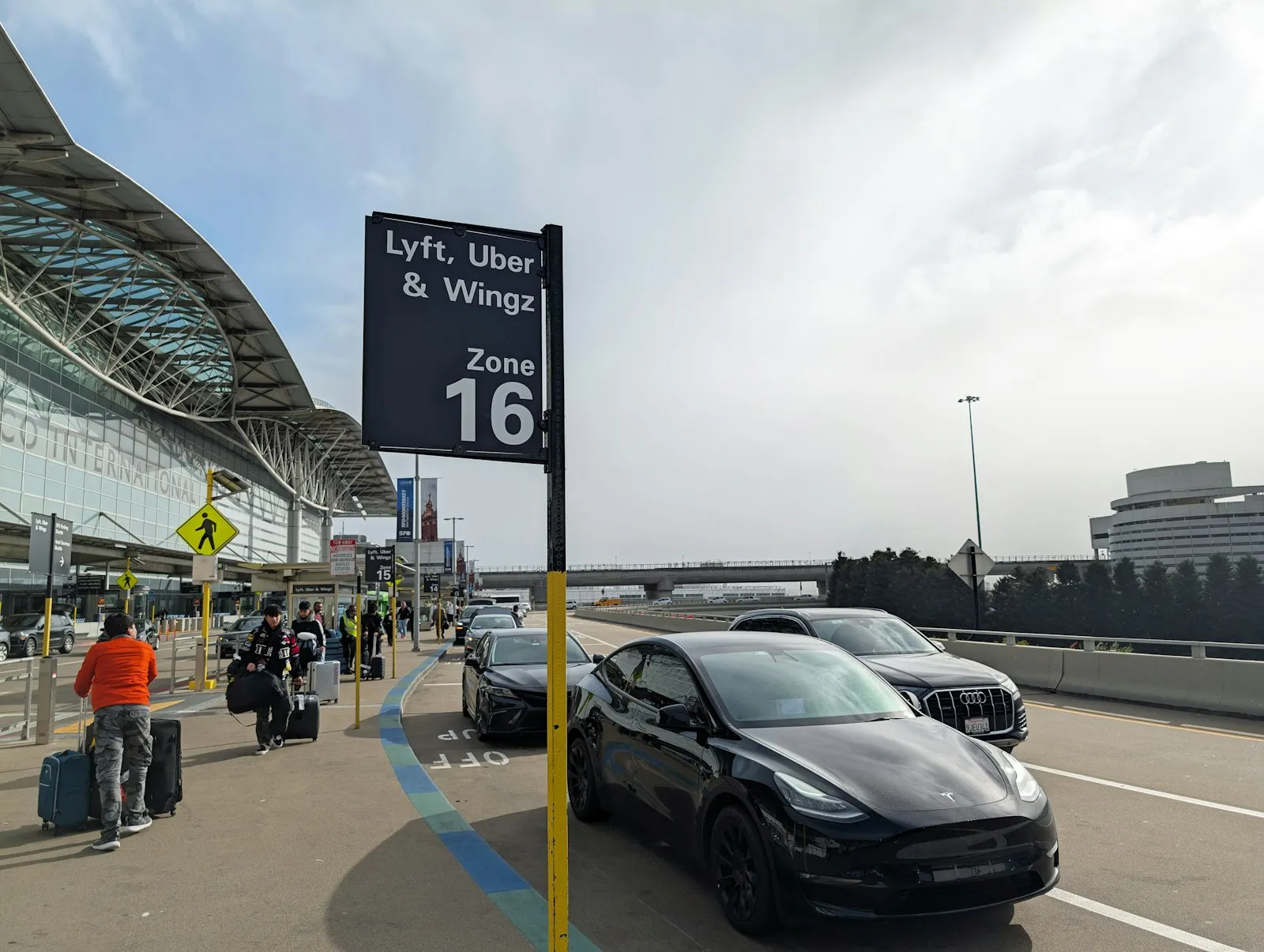
Inside New York City, Lyft cars are for-hire vehicles licensed by the Taxi and Limousine Commission. The driver holds a TLC license, the car carries TLC plates, and the TLC sets the insurance minimums. New York State also has a rideshare insurance law, but it does not apply inside the city; it exempts cities with a million or more people and leaves them to their own regulators.
The practical result is that the trip’s starting point usually decides which set of rules applies:
| Where the Lyft trip started | Rules that generally apply | Liability coverage |
|---|---|---|
| Rosedale, JFK or anywhere else in NYC | TLC rules for for-hire vehicles | $100,000 per person / $300,000 per occurrence minimum (cars with fewer than 8 seats); PIP $100,000 per person since March 1, 2026 |
| Valley Stream, Elmont or elsewhere in Nassau County | New York State rideshare rules | $1.25 million while a passenger is aboard, under the state rule for trips starting outside the city |
On some trips Lyft may carry additional coverage above the TLC minimums, but whether it applies, and how much, has to be confirmed from the insurer and the trip record. Nobody should promise you a number before that is checked.
The crash location tells you which precinct writes the report. The pickup location is what usually tells you which rideshare insurance rules apply.
A Hypothetical: Same Street, Different Rides
The following is a hypothetical example, not a real case. Picture two riders on the same evening. The first requests a Lyft outside a friend’s house in Valley Stream, heading to a family dinner in Laurelton. The second requests a Lyft at the Rosedale LIRR station, heading home. Both cars end up on Sunrise Highway inside Rosedale, and both are struck by a driver who runs a light.
Both crashes happened in Queens. Both police reports will likely come from the same precinct. Yet the first ride started in Nassau, so the state rideshare rules would generally govern the Lyft coverage, while the second started in the city, so the TLC minimums would generally apply. The two riders could be looking at very different insurance behind the Lyft car, even though they were hurt on the same stretch of road.
Real cases are rarely this tidy. A ride may be requested in one place and begin somewhere else, or a driver may be between trips when the crash happens. That is why we always start from the trip record rather than from assumptions.
Rides that cross the line the other way
The reverse happens just as often. Plenty of Rosedale residents take a Lyft to work, to shop or to visit family in Valley Stream or Elmont. Those trips start in the city, so the TLC rules generally follow the car across the border. If the crash happens in Nassau, the report may come from a different police agency and the paperwork may look unfamiliar, but the starting point of the ride is still what we look at first when we sort out the Lyft coverage. Keep every screenshot, even from a short ride; a five-minute trip across the line can raise the same questions as a long one.
What Does Not Change at the County Line
Nassau and Queens are both in New York State, so the core injury rules are the same on either side:
- No-fault comes first. Under Insurance Law Section 5102, PIP pays medical bills, lost earnings and other basic economic loss regardless of fault. Passengers claim from the car they were in; pedestrians and cyclists claim from the vehicle that struck them.
- The no-fault application is due within 30 days of the accident, filed with the Lyft car’s insurer if you were a passenger.
- Pain-and-suffering claims need a serious injury under one of the eight categories left in Insurance Law 5102(d) after the 2026 budget, such as a fracture or a significant limitation of use of a body function or system.
- The 2026 fault rule applies. For motor-vehicle suits commenced on or after May 26, 2026, a claimant more at fault than the defendant recovers nothing; at 50% or less, the award is reduced. Passengers are rarely at fault, but riders who were hit while walking to or from the car can be.
- The lawsuit deadline is generally three years for personal injury, and two years for wrongful death.
How to Prove Where Your Ride Began
Your phone holds most of what we need. Do these things in the first day or two:
- Screenshot the ride receipt, including the trip ID and the pickup and drop-off addresses.
- Save the route map and the start and end times of the trip.
- Capture the driver’s name and plate exactly as the app showed them.
- Report the crash inside the Lyft app, and also to the police at the scene.
- Keep the app and your account. Deleting them can make the trip history harder to retrieve.
The driver’s status matters too: was the app off, was the driver waiting for a request, heading to pick you up, or carrying you? That detail usually comes from Lyft’s trip data and the insurer, and it is one of the first things we ask for.
Our Corner of Queens: Brookville Park, Idlewild and the JFK Edge
Ask a Rosedale family where they spend a Saturday and the answer is often Brookville Park, the city park along Brookville Boulevard with ball fields, playgrounds and paths. West of it, Idlewild Park Preserve protects salt marsh and wetland at the airport’s edge, carrying the old name JFK had before it was renamed. And JFK’s eastern edge borders the neighborhood, which is why app-based cars are such a constant presence here.
For the border question, these places cut both ways. JFK is in Queens, so a Lyft picked up at a terminal is a city trip, even if it is heading to Valley Stream or farther out on Long Island. Park visitors, on the other hand, often come from both sides of the line, and a ride that starts at a home in Nassau and ends at the Brookville Boulevard curb began outside the city. Drop-offs near the fields, pickups after games, and drivers looping back toward Rockaway Boulevard, the Belt Parkway and Sunrise Highway all add to the traffic around the park.
When the Driver Who Hit You Barely Has Insurance
Sometimes the Lyft driver did nothing wrong and the crash was caused by another motorist. If that driver has little or no insurance, the uninsured and underinsured coverage on a TLC vehicle in the city is far lower than what the state rideshare rule requires on trips that start outside it. In that situation, your own supplementary uninsured/underinsured motorist (SUM) coverage, or the policy of a relative you live with, may become important. The Department of Financial Services auto insurance page has consumer information on these coverages, and we review every policy that might apply.
If You Were the One Driving for Lyft
Plenty of our neighbors drive for Lyft. If you were hurt while working in New York City, your own work injuries are generally covered through the New York Black Car Fund, the workers’ compensation system for black-car and app-based for-hire drivers. That is separate from any passenger’s claim. Tell us where the trip started and what your app status was, and we can help you sort out which path fits.
Lyft Accident FAQs
The crash happened in Rosedale but my ride started in Valley Stream. Which rules apply?
Generally, a Lyft trip that starts outside New York City falls under the state rideshare rules rather than the TLC minimums. We confirm it from the trip record and the insurer before relying on it.
My ride started at JFK. Is that a city trip?
Yes. JFK is in Queens, so a pickup there is a trip that starts in New York City, and the TLC minimums generally apply.
What if my ride started in Rosedale and the crash happened in Nassau?
Because the trip started in New York City, the TLC minimums generally apply to the Lyft car’s coverage, even though the crash happened across the line. The local police department there, rather than the NYPD, would likely handle the report, so ask the officers for the report number before you leave.
Does the no-fault deadline change depending on where the ride started?
No. The no-fault application is due within 30 days of the accident either way, and as a passenger you file it with the insurer of the Lyft car.
Will my case be filed in Queens or Nassau?
That depends on the facts of your case. We review the options with you before anything is filed, so you know where and why.
I was hit by a Lyft while walking to my car. Whose insurance pays?
Pedestrians generally claim no-fault benefits from the vehicle that struck them. A liability claim may follow if the injury is serious, and the 2026 fault rule will matter. Our FAQ page answers more general questions.
About Rosedale: Local FAQs
Is Rosedale part of New York City?
Yes. Rosedale is in the borough of Queens, in Queens County, even though it sits right against the Nassau County line and Valley Stream.
What ZIP code covers Rosedale?
Most of the neighborhood, including our office at Cross Island Plaza, uses 11422.
Which roads connect Rosedale to Nassau County?
Sunrise Highway is the main east-west link toward Valley Stream, and the Belt Parkway and Cross Island Parkway meet nearby. Merrick Boulevard, Francis Lewis Boulevard, Brookville Boulevard and Rockaway Boulevard carry much of the local traffic.
Is there a train station in the neighborhood?
Rosedale has a Long Island Rail Road station but no subway stop, so many residents rely on the LIRR, buses and app-based rides.
Where are Queens injury cases heard?
Injury suits in Queens County are typically filed in Queens County Supreme Court in Jamaica. The New York State Unified Court System has court locations and information.
Talk It Through With Us, Right Here in Rosedale
If you are not sure which side of the line your ride falls on, that is exactly the kind of thing we sort out in a free case review. There is no fee unless we win, and we meet in English, Russian and Spanish, at our office, at your home, in the hospital or by video. Call 718.775.3110 (phone intake is open 24/7), reach us through our contact page, or visit Yakov Mushiyev & Associates, P.C. at 1 Cross Island Plaza, Suite 325, Rosedale, NY 11422, Monday through Friday, 9 to 6.
For more, see our car accident practice and our Rosedale accident lawyer page. If you were hurt in a yellow or green cab instead, our Rosedale taxi accident page covers that, and neighbors just north of us can visit our Lyft accident lawyer in Queens Village page.

Attorney Advertising. This is general information about New York law, not legal advice, and reading it does not create an attorney-client relationship. Every case depends on its own facts. Prior results do not guarantee a similar outcome.