
To understand moped crashes in this borough, it helps to ride the routes, at least on paper. So before we get to statutes and insurance policies, let us take a slow loop through the corridors where mopeds and cars meet most often, from the elevated tracks of Roosevelt Avenue to the airport roads near JFK. Along the way, we will point out what tends to go wrong at each stop. Then we will turn to the law, and to what a moped accident lawyer in Queens looks at first when a rider is hurt on one of these streets.
A note before we start: “moped” is used loosely in everyday speech. Here it means a seated two-wheeler with a gas or electric motor that is faster than a bicycle but smaller than a full motorcycle. New York generally treats these as limited-use motorcycles that must be registered and insured, and that classification shapes everything we discuss later.
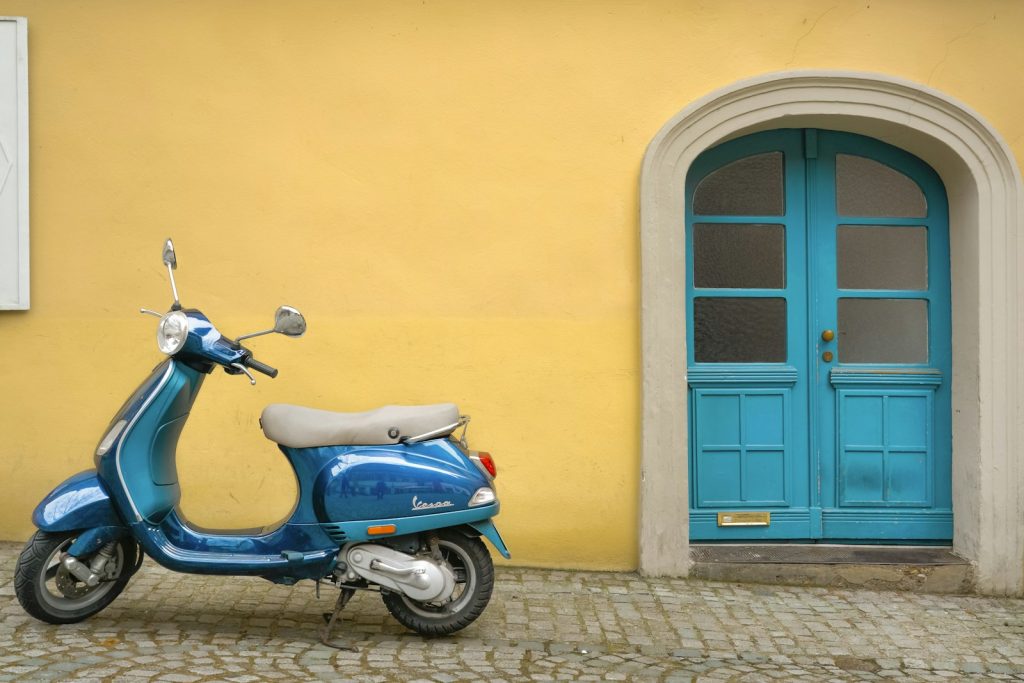
Stop One: Roosevelt Avenue, Beneath the 7 Train
Begin in Jackson Heights and head east toward Corona. Roosevelt Avenue runs beneath the elevated 7 line, and the steel columns that hold up the tracks split the roadway into narrow, shadowed lanes. Storefronts crowd both sides, and the avenue serves as a working corridor for restaurant delivery riders, many of them on mopeds, from late morning until well after midnight.
The hazards here are about sightlines. A driver pulling out from a side street cannot see past the columns until the nose of the car is already in the lane. Double-parked trucks force riders to swing left without warning. Pedestrians step out between parked cars to reach the other side. When a crash happens on Roosevelt, the question of who saw whom, and when, is almost always the heart of the case. The good news is that few streets in Queens have more cameras pointed at them.
Stop Two: Northern Boulevard, End to End
Turn north and pick up Northern Boulevard, which runs from Long Island City all the way through Flushing and on toward the Nassau line. Its western stretch is lined with car dealerships and auto shops; its middle passes through Woodside, Jackson Heights, and Corona; its eastern end runs through the heart of Flushing’s commercial district.
Northern is a classic left-turn corridor. Drivers waiting to turn across traffic are watching for cars, and a moped’s narrow profile, especially at night, is easy to miss. Add vehicles darting in and out of dealership lots and gas stations, and the boulevard becomes one of the most common settings for the kind of crash where a driver says “I never saw him.” Under New York law, a driver’s failure to see what was there to be seen is not an excuse; it is often the very negligence at issue.
Stop Three: Main Street and Downtown Flushing
Continue east into downtown Flushing, where Main Street meets Roosevelt Avenue and the end of the 7 line. This is one of the busiest pedestrian districts in the city, with buses lined up at the curb, delivery vans unloading at every hour, and drivers circling for parking that rarely exists. Mopeds threading through this traffic deal with constant stop-and-go movement, car doors swinging open, and buses pulling away from stops.
Parking lots and garages around Flushing deserve their own warning. Drivers backing out of spaces or exiting onto the street often look for cars, not for something the size of a moped. We cover those conflicts in more depth in our page on parking lot accidents in Queens.
Stop Four: Queens Boulevard and Woodhaven Boulevard
Swing south and west to Queens Boulevard, the wide, multi-lane spine that runs from Long Island City through Sunnyside, Woodside, Elmhurst, Rego Park, Forest Hills, and Kew Gardens. Its service roads, long crossings, and complex intersections create conflict points everywhere. A bike lane has been added along much of the boulevard, but where a moped may legally ride depends on its classification, and many riders end up in the travel lanes alongside cars moving at speed.
Cross over to Woodhaven Boulevard, another wide corridor running north-south through Glendale, Woodhaven, and Ozone Park toward Cross Bay Boulevard. Woodhaven carries heavy bus traffic in dedicated lanes, and drivers changing lanes to get around buses or to make turns are a recurring source of side-swipe and cut-off crashes. Speeds on both boulevards encourage the kind of impact that causes serious injury.
Stop Five: Jamaica, Where the Avenues Converge
Head east into Jamaica, where Jamaica Avenue, Hillside Avenue, Archer Avenue, and Merrick Boulevard all carry heavy local traffic, and where the LIRR, subway, and bus networks meet. Downtown Jamaica’s commercial blocks are dense with buses, double-parked vehicles, and pedestrians. Hillside Avenue, running east toward Queens Village and Bellerose, is wide and fast in places, with drivers making quick turns into side streets and driveways.
Merrick Boulevard heads southeast from Jamaica toward Springfield Gardens and Laurelton, passing through busy shopping strips. Mopeds in this part of Queens often serve local delivery and commuting needs, and crashes tend to involve vehicles pulling out of parking spaces, turning without signaling, or stopping abruptly at bus stops.
Stop Six: Rockaway Boulevard, Conduit Avenue, and the Airport Roads
Finish the loop in southeastern Queens, near JFK. Rockaway Boulevard, North and South Conduit Avenues, and the streets feeding Sunrise Highway carry drivers moving between the airport, the Van Wyck, and the Belt Parkway. Many of those drivers are in a hurry, unfamiliar with the area, or following a GPS that asks for a sudden turn. Mopeds cannot use the Belt Parkway, the Van Wyck, or other limited-access highways, so riders here are on the service roads and boulevards that absorb highway traffic. That mismatch, between drivers moving at highway speed and riders moving at local speed, is a recipe for rear-end and merge crashes.
This is also the part of Queens closest to our office in Rosedale, just off the Cross Island and Belt Parkways. Riders hurt anywhere along this loop are welcome to call, but it is a short trip for anyone in southeastern Queens.
Moped riders who travel faster or ride full-size bikes face many of the same hazards. Our guide for motorcycle accident claims in Queens covers that category, including the different insurance rules that apply.
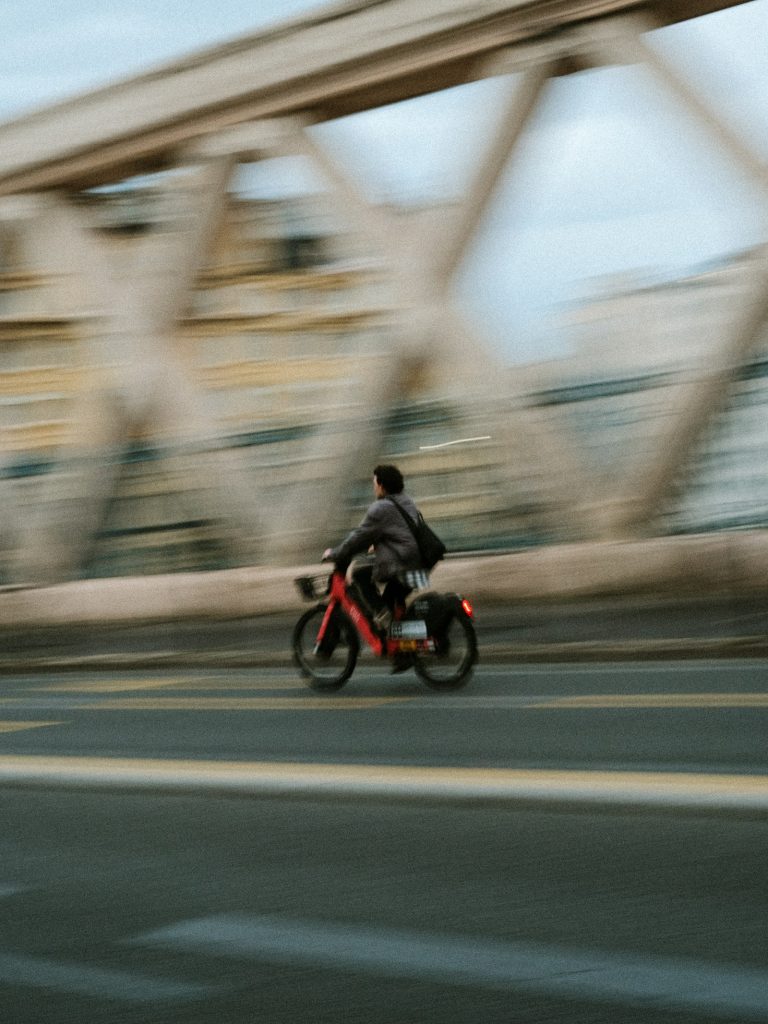
Leaving the Map: The Law a Moped Accident Lawyer in Queens Works With
The tour shows where crashes happen. The law decides what happens next. Moped cases sit in an unusual spot in New York injury law, somewhere between bicycle cases and motorcycle cases, and several rules interact in ways that surprise riders.
Classification, registration, and insurance
New York generally treats mopeds as limited-use motorcycles, sorted into classes based on top speed. The class affects what license is needed and where the vehicle may be operated. Mopeds and limited-use motorcycles must be registered and insured. If a moped was not registered or insured, an insurer will raise it, but the gap does not automatically defeat a claim against a driver who caused the crash. It does affect which coverages are available to the rider and can feed into arguments about fault. Many riders are not sure how their moped is classified, especially electric models bought online. Keep the receipt, the manual, and photos of any labels showing the motor rating and top speed.
Which insurance pays medical bills
New York’s no-fault system pays basic economic loss up to $50,000 per person regardless of fault, covering medical bills, 80% of lost earnings up to $2,000 per month, and up to $25 per day for other reasonable expenses. Applications are generally due within 30 days. But no-fault does not treat every rider the same way. Motorcycle operators and passengers are not covered by New York no-fault, while pedestrians and bicyclists struck by a car generally claim through the car’s insurer. Whether a particular moped rider has access to no-fault depends on the vehicles involved and the policies in play, so the coverage question has to be answered with the specific facts in hand.
When no-fault does not apply, other sources may help: health insurance, the at-fault driver’s liability coverage, supplementary uninsured/underinsured motorist (SUM) coverage, and in hit-and-run or uninsured cases, the Motor Vehicle Accident Indemnification Corporation (MVAIC). MVAIC has strict notice requirements, including a police report and timely notice, so act as soon as possible.
Proving the driver was at fault
Drivers owe moped riders the same duty of care they owe everyone else, and Vehicle and Traffic Law §1146 requires drivers to exercise due care to avoid colliding with vulnerable road users. Common breaches on the corridors we toured include failing to yield on a left turn, opening a door into the path of a rider, changing lanes without checking mirrors, and following too closely. In a rear-end crash, VTL §1129 and the case law around it generally create a presumption that the rear driver was negligent, unless that driver has a non-negligent explanation. Drivers who were looking at a phone may also have violated the hand-held device bans in VTL §1225-c and §1225-d.
Head-on and wrong-way crashes deserve a mention, too. On narrow side streets and around double-parked vehicles, a driver crossing the center line can leave a moped rider no room at all. These crashes often produce the most serious injuries we see.
2026 update: For motor-vehicle personal-injury actions commenced on or after May 26, 2026, New York’s modified comparative fault rule in CPLR 1411 applies: a claimant more than 50% at fault recovers nothing, and a claimant at 50% or less has recovery reduced by their share. The same 2026 amendments removed the “90/180-day” category from the serious-injury definition. Both changes make early evidence and thorough medical documentation more important for moped riders.
The serious injury threshold
In motor-vehicle cases governed by no-fault, a person must show a “serious injury” under Insurance Law §5102(d) to recover for pain and suffering. Qualifying categories include fractures, significant disfigurement, permanent loss of use, permanent consequential limitation, significant limitation of use, and death. Economic loss above what no-fault pays can be pursued regardless. Moped riders commonly suffer fractures to the wrists, collarbone, and legs, road rash that can scar, knee and shoulder injuries, and head trauma. Objective documentation, including imaging and range-of-motion testing, is often what separates a strong threshold case from a weak one.

Delivery riders and work-related crashes
Many moped riders on Roosevelt Avenue, Northern Boulevard, and Main Street are working when they crash. That raises additional questions. If you are an employee, workers’ compensation may provide benefits, and New York’s Workers’ Compensation Law generally bars suing your own employer except for a “grave injury.” But a claim against a third party, such as the driver who hit you, is generally still available. If you work through an app as an independent contractor, workers’ compensation may or may not apply depending on your arrangement. These questions depend heavily on the paperwork and facts of your work, and they should be sorted out early because they affect which benefits you can claim and when.
Deadlines that can sink a moped claim
- 30 days: the general deadline for a no-fault application, where no-fault applies.
- 90 days: the general deadline for a Notice of Claim against New York City, its agencies, or NYC Transit, including crashes with City vehicles or MTA buses, and many road-defect claims.
- One year and 90 days: the general deadline to sue the City after a timely Notice of Claim.
- Three years: the general statute of limitations for personal injury under CPLR 214(5).
Separately, drivers must file a DMV MV-104 accident report within 10 days if anyone is injured or killed or property damage exceeds $1,000.
Evidence worth chasing on these corridors
The tour stops share one feature: cameras everywhere. Storefronts on Roosevelt and Main Street, dealerships on Northern, apartment buildings on Queens Boulevard, and buses on every route may all have captured part of a crash. Footage is often overwritten within days or weeks, so preservation requests should go out quickly. Photos of the moped, the scene, and your injuries; witness contact information; GPS or delivery-app data showing your speed and route; and the police report all help reconstruct what happened.
For a citywide perspective, see our explainer on NYC scooter and moped accident claims. Riders in eastern Queens can also visit our page for moped crashes in Bellerose, and the full range of injury cases we handle is listed on our practice areas page.
Three Queens Landmarks on a Moped Rider’s Map
Three well-known destinations show how different riding in Queens can be from one neighborhood to the next.
Rockaway Beach and Boardwalk
Rockaway Beach stretches along the Atlantic side of the Rockaway Peninsula, with a long boardwalk rebuilt after Hurricane Sandy and a lively summer scene of surfers, food stands, and beachgoers. On warm weekends, traffic on Beach Channel Drive, Rockaway Beach Boulevard, and Shore Front Parkway thickens with visitors searching for parking, and Cross Bay Boulevard becomes a steady stream of cars heading over the bridge from the mainland. Mopeds are a popular way to get around the peninsula, and the combination of crowds, distracted drivers looking for spots, and people crossing toward the beach makes summer months especially risky. Sand on the road surface near beach access points can also affect braking.
The USTA Billie Jean King National Tennis Center
The USTA Billie Jean King National Tennis Center sits in Flushing Meadows–Corona Park and hosts the US Open each summer. During the tournament, the area surrounding the park, including Roosevelt Avenue, Northern Boulevard, and the approaches to the Grand Central Parkway and Van Wyck, sees enormous crowds and traffic. Ride-hail vehicles, shuttle buses, and drivers unfamiliar with the area all converge at once. Moped riders delivering food or commuting through Corona and Flushing should expect sudden stops, illegal U-turns, and pedestrians crossing outside crosswalks, particularly as sessions let out in the evening.
York College in Jamaica
York College, a senior college of the City University of New York, occupies a campus in the heart of Jamaica near Guy R. Brewer Boulevard and Liberty Avenue, a short walk from the Jamaica Center subway station and the LIRR hub. The surrounding blocks are some of the busiest in southeast Queens, with bus routes converging on Jamaica Avenue and Archer Avenue and steady traffic heading toward the Van Wyck. Students and staff who commute by moped navigate dense traffic, frequent bus stops, and drivers circling for parking. It is also a fairly direct ride from the campus to our Rosedale office.
Directions to Our Rosedale Office from Rockaway Beach
From Rockaway Beach, head north on Cross Bay Boulevard over the bridge and through Broad Channel and Howard Beach. Continue to the Belt Parkway and take it east past JFK Airport toward the Cross Island Parkway and Southern State junction. Exit for the local streets near Brookville Boulevard in Rosedale, where our office is located at 1 Cross Island Plaza, Suite 325. Mopeds are not allowed on the Belt, so riders should use local streets such as Rockaway Boulevard and Conduit Avenue instead.

Moped Accident Questions From Queens Riders
What does a moped accident lawyer in Queens do first?
Usually three things: identify every insurance policy that might apply, make sure time-sensitive notices are filed, and preserve evidence. That means checking no-fault eligibility, the at-fault driver’s coverage, any SUM coverage, and possible City or transit claims, while sending preservation requests to businesses with cameras. Medical documentation is gathered as treatment continues. You can find more general answers on our frequently asked questions page.
Do mopeds need to be registered and insured in New York?
Yes. Mopeds and limited-use motorcycles must be registered and insured in New York. They are sorted into classes based on top speed, which affects licensing and where they may be operated. If your moped was not registered or insured, it does not automatically end a claim against a negligent driver, but it can affect your coverage options and how fault is argued.
Will no-fault cover my medical bills after a moped crash?
It depends on the vehicles and policies involved. Motorcycle operators are not covered by New York no-fault, while pedestrians and bicyclists hit by a car generally are. Moped riders can fall into different situations. File any potentially applicable no-fault application within 30 days, and give your health insurer the accident information while coverage is sorted out.
I was making a delivery when I was hit. What changes?
Your work status may open other benefits, such as workers’ compensation if you are an employee. Workers’ compensation generally bars suing your own employer, but a claim against the driver who caused the crash is generally still available. If you work through an app as an independent contractor, the analysis depends on your specific arrangement and paperwork.
The driver says he never saw me. Does that help him?
Generally not. Drivers have a duty to see what is there to be seen and to exercise due care toward other road users. “I didn’t see the moped” is often an admission of inattention rather than a defense. The evidence, including camera footage, lighting conditions, and witness accounts, will show what the driver should have seen.
What if I was hit by a City vehicle or an MTA bus?
Claims involving New York City vehicles, including Sanitation trucks, and MTA buses follow special rules. A Notice of Claim is generally required within 90 days, the lawsuit is generally due within one year and 90 days, and a 50-h hearing may be demanded. These deadlines are strictly enforced, so contact a lawyer promptly.
Can I still recover if I was partly at fault?
Possibly. For motor-vehicle personal-injury actions commenced on or after May 26, 2026, a claimant more than 50% at fault recovers nothing; a claimant at 50% or less has recovery reduced by their share. For actions outside that category, New York’s pure comparative fault rule reduces recovery by your percentage of fault.
What injuries count as “serious” after a moped accident?
Under Insurance Law §5102(d), serious injury includes fractures, significant disfigurement, permanent loss of use, permanent consequential limitation, significant limitation of use, and death, among other categories. The 2026 amendments removed the “90/180-day” category. Whether an injury qualifies depends on medical evidence, so consistent treatment and objective testing matter.
Should I post about my crash on social media?
It is wise not to. Insurers routinely review public social media, and photos or comments can be taken out of context to argue that your injuries are minor or that you were at fault. Keep your account private and avoid discussing the crash, your injuries, or your activities until your claim is resolved.
How far is your office from Jamaica and the Rockaways?
Our office at 1 Cross Island Plaza in Rosedale is a short drive from Jamaica via local streets or the Belt Parkway, and reachable from the Rockaways by way of Cross Bay Boulevard and the Belt. We work with clients throughout Queens. If traveling is hard after an injury, call us and we will discuss options.
Related: For a full overview of how our firm handles these claims, visit our Moped Accident Lawyer in Queens page.
End of the Route: Call a Moped Accident Lawyer in Queens
We started on Roosevelt Avenue and ended near JFK, and the lesson at every stop was the same: moped crashes happen fast, but the questions they raise take time and care to answer. Classification, coverage, fault, and deadlines all have to be handled in the right order. If you were hurt on a moped anywhere in the borough, call Yakov Mushiyev & Associates, P.C. at 718.775.3110, or contact our team online. Our office is in Rosedale, and a conversation with a moped accident lawyer in Queens can help you understand where your claim stands.
General information, not legal advice. Attorney Advertising. Prior results do not guarantee a similar outcome.