
The story below is a composite. It is built from the kinds of crashes and questions we hear from drivers in New Cassel and Westbury, not from any one client, and names and details are invented. The law and the steps are real.
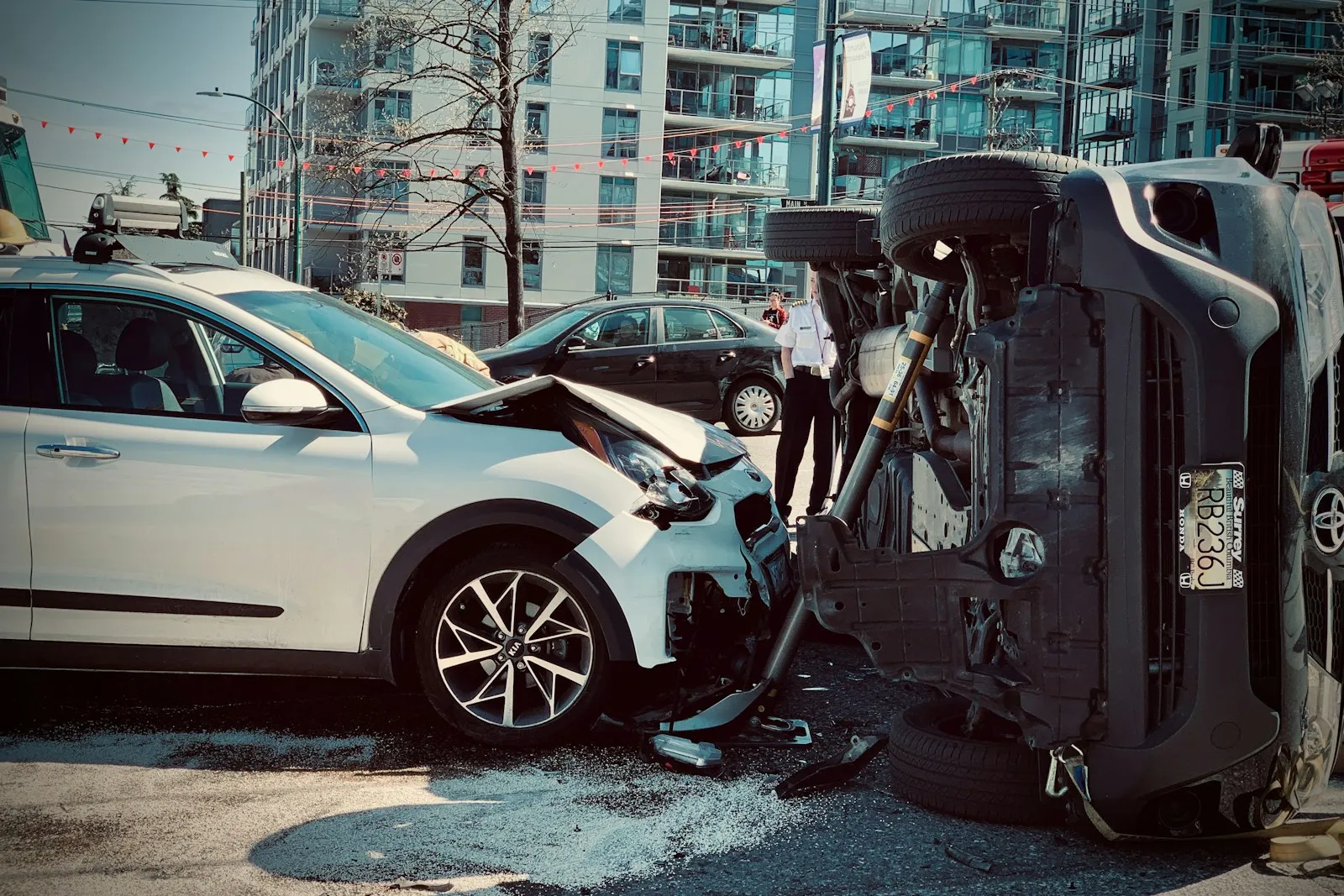
Maria had driven down Prospect Avenue a thousand times. Drop-off at school, a stop for coffee, then onto Old Country Road toward work. On a gray Tuesday morning, a pickup truck rolled through a stop sign on a side street and hit her front passenger door. The airbags went off. Her phone flew under the seat. A neighbor ran out with a blanket.
By lunchtime she was home from the emergency room with a neck brace, a bruised shoulder, a car that would not start, and a voicemail from the other driver’s insurance company asking for “a quick recorded statement.” This is the point where most people first search for a New Cassel car accident lawyer. Let’s follow Maria through the weeks that came next, and look at what she did right, what nearly went wrong, and what New York law says at each turn. If you are in the same spot, call Yakov Mushiyev & Associates at 718.775.3110.
Day One: The Scene and the Police Report
Before the ambulance left, Maria did three smart things almost by instinct. She asked her neighbor to take photos of both cars and the stop sign. She got the pickup driver’s name, plate and insurance card. And she made sure the Nassau County police officer wrote down the other driver’s statement that he “didn’t see the sign.”
In New York, drivers must also file their own report, form MV-104, with the New York DMV within 10 days of a crash that causes injury or significant property damage. Maria almost forgot. Her lawyer filed a reminder in her first week.
- Photos of vehicles, skid marks, traffic signs, weather and road conditions.
- Witness names and numbers, especially neighbors and other drivers.
- The police report number and the officer’s name.
- Nearby cameras: homes with doorbell cameras, gas stations and stores along Prospect Avenue or Old Country Road. This footage disappears quickly.
Week One: No-Fault and the 30-Day Clock
Maria assumed the pickup driver’s insurance would pay her doctor bills. In New York, it usually works the other way. Under the no-fault system, your own car insurance pays your medical bills and a portion of lost wages up to the policy limits, regardless of who caused the crash. Our New York no-fault guide explains the details.
The catch is timing. The no-fault application generally must be filed within 30 days of the accident. Miss it, and the insurer can deny benefits. Maria’s lawyer filed it in week one, along with authorizations so her doctors could bill directly.

Week Two: The Recorded Statement Maria Did Not Give
The other driver’s insurer called four times. The adjuster was friendly. “Just a few questions so we can get this resolved.” Maria’s lawyer took over that communication. Recorded statements are not required by the other side’s insurer, and they are often used to lock you into early descriptions of your injuries (“I’m okay, just sore”) before you know how serious things are.
Maria did need to cooperate with her own insurer for no-fault purposes, including, eventually, an independent medical exam. That is a different relationship with different rules, and having a lawyer guide it kept the no-fault benefits flowing.
Month One: The Car
Property damage is often the first fight. Maria’s car was declared a total loss, and the first offer was well below what similar cars were selling for in Nassau County. Her lawyer helped her gather listings for comparable vehicles and push for a fair valuation. Our article on filing a car accident claim in Nassau County to get your car repaired walks through the repair-versus-total-loss process.

Months Two Through Six: Treatment and the Serious Injury Question
Maria’s shoulder did not get better. An MRI showed a tear. Her doctor recommended physical therapy, then surgery. This is where her case changed from a no-fault claim to a full injury lawsuit.
In New York, you can only sue the at-fault driver for pain and suffering if you meet the serious injury threshold in Insurance Law § 5102(d). The categories include fractures, significant disfigurement, a permanent consequential or significant limitation of use of a body part or system, and an injury that prevents you from performing substantially all of your usual daily activities for at least 90 of the first 180 days after the accident.
Proving the threshold is a medical exercise as much as a legal one. Range-of-motion measurements, imaging, consistent treatment, and a doctor’s opinion connecting the injury to the crash all matter. Gaps in treatment are one of the most common reasons insurers fight serious injury claims, so Maria kept every appointment.
Fault, Shared Blame and the Stop Sign
The pickup driver’s insurer eventually argued that Maria was speeding and could have avoided the collision. New York uses pure comparative negligence: even if a jury had found Maria partly at fault, her compensation would be reduced only by that percentage. In practice, a driver who rolls through a stop sign faces a steep climb in arguing that the driver with the right of way was mostly to blame. The police report, the photos of the sign and a neighbor’s doorbell video settled the question.

What If the Other Driver Had No Insurance?
Maria was lucky the pickup was insured. Many New Cassel drivers are not so lucky. If the at-fault driver has no insurance, flees the scene, or has too little coverage, your own policy’s uninsured or supplementary uninsured/underinsured motorist coverage may step in, and in some cases MVAIC is available. We explain those options in our guide to uninsured and underinsured motorist claims.
The Ending: How Maria’s Case Resolved
In this composite, Maria’s case settled after surgery, once her doctors could explain her long-term limitations. Many cases resolve that way, when the full picture of the injury is clear. Others go to court at the Nassau County Supreme Court in Mineola. There is no single timeline, and nobody honest can promise a result. What Maria’s story shows is that the decisions made in the first 30 days, including photos, witness names, no-fault filing and silence with the other insurer, shaped everything that followed.
Five Mistakes We See After Nassau County Crashes
Maria avoided most of the common pitfalls. Plenty of drivers do not. These are the mistakes we see most often from people who call us weeks or months after a crash in New Cassel, Westbury and the surrounding area:
- Waiting to see a doctor. Adrenaline hides pain. A gap of a week or two between the crash and the first medical visit gives insurers an argument that something else caused the injury.
- Posting on social media. A photo at a family barbecue can be presented as proof that you were not really hurt, even if you spent the next day in bed.
- Accepting the first property damage offer without checking what comparable cars are actually selling for.
- Missing the 30-day no-fault deadline because they assumed the other driver’s insurer would handle everything.
- Signing a general release to get a small check quickly, which can end the right to recover anything more, even if surgery is needed later.
None of these mistakes is unusual, and some can be repaired. The earlier a lawyer is involved, the fewer of them there are to fix.
Three New Cassel-Area Landmarks Locals Drive Past Every Week
1. Old Westbury Gardens
Just north of New Cassel, Old Westbury Gardens preserves a historic estate with formal gardens that draw visitors from across Long Island, especially on spring and summer weekends. Weekend event traffic on the narrow roads around the estate, combined with drivers unfamiliar with the area searching for parking, is a familiar recipe for low-speed collisions and pedestrian close calls.
2. The Theatre at Westbury on Brush Hollow Road
The round theater on Brush Hollow Road, known for decades as the Westbury Music Fair, has hosted concerts and comedy shows since the 1950s. Show nights bring heavy traffic into and out of the parking lots at the same time. Parking lot crashes raise their own questions about who has the right of way and whether the lot owner bears responsibility for lighting and traffic control.
3. Eisenhower Park
A few minutes south in East Meadow, Eisenhower Park is one of Nassau County’s largest parks, with golf courses, athletic fields and the Harry Chapin Lakeside Theatre. Drivers heading there from New Cassel often use Old Country Road and the Meadowbrook State Parkway. Busy summer weekends bring cyclists, joggers and families crossing park roads, and drivers should expect them. Learn more about local park information on the Nassau County government site.

Directions From New Cassel to Our Office
Our office is at 1 Cross Island Plaza, Suite 325, Rosedale, NY 11422, just over the Queens line. From New Cassel, most drivers take the Meadowbrook State Parkway or Wantagh State Parkway south to the Southern State Parkway west, then the Belt Parkway or Cross Island Parkway. Trips usually take about 25 to 35 minutes depending on traffic. We regularly meet Nassau County clients by phone and video as well. We also serve neighboring communities, including Hempstead, Garden City and New Hyde Park.
Open turn-by-turn directions from New Cassel, NY in Google Maps
New Cassel Car Accident FAQs
Who pays my medical bills after a car accident in New Cassel?
Your own auto insurer usually pays first under New York’s no-fault system, regardless of fault, up to your policy limits. You generally must file the no-fault application within 30 days of the crash.
Can I sue the other driver for pain and suffering?
Yes, if your injuries meet New York’s serious injury threshold, such as a fracture, a significant limitation of use of a body part, or an injury that kept you from most daily activities for 90 of the first 180 days.
How long do I have to file a car accident lawsuit in Nassau County?
Generally three years from the date of the crash. Claims against a county, town or other public entity usually require a Notice of Claim within 90 days and have shorter lawsuit deadlines.
Should I give the other driver’s insurance company a recorded statement?
You are not required to, and it is usually wise to speak with a lawyer first. Early statements are often used to minimize injuries that later turn out to be serious.
What if I was partly at fault for the crash?
New York’s comparative negligence rule reduces your recovery by your share of fault but does not bar it. Even a driver found partly responsible can recover compensation for the rest.
Talk With a New Cassel Car Accident Lawyer
Your story will not be exactly like Maria’s, but the first steps are the same. Call Yakov Mushiyev & Associates at 718.775.3110 or contact us online. We will review the crash, explain your no-fault and injury options, and answer your questions in plain English. Learn more about our car accident practice.
This article is general information, not legal advice, and reading it does not create an attorney-client relationship. Every case turns on its own facts. Attorney Advertising. Prior results do not guarantee a similar outcome.