
On the surface, a rideshare crash looks like any other collision: bent metal, a police report, an ambulance if someone is hurt. Underneath, it is a different animal. The driver is working, the insurance is commercial, the trip was dispatched by a platform that logs everything, and the injured person may be a passenger who had no control over anything. A Rideshare Accident Lawyer in Queens spends much of the first conversation explaining exactly those differences. This guide does the same thing, side by side.
We take the familiar rules that govern an ordinary car accident between two private drivers and hold each one up against a crash involving an Uber, Lyft, or other app-dispatched car in New York City. Some rules stay the same. Some bend. A few change the strategy entirely.
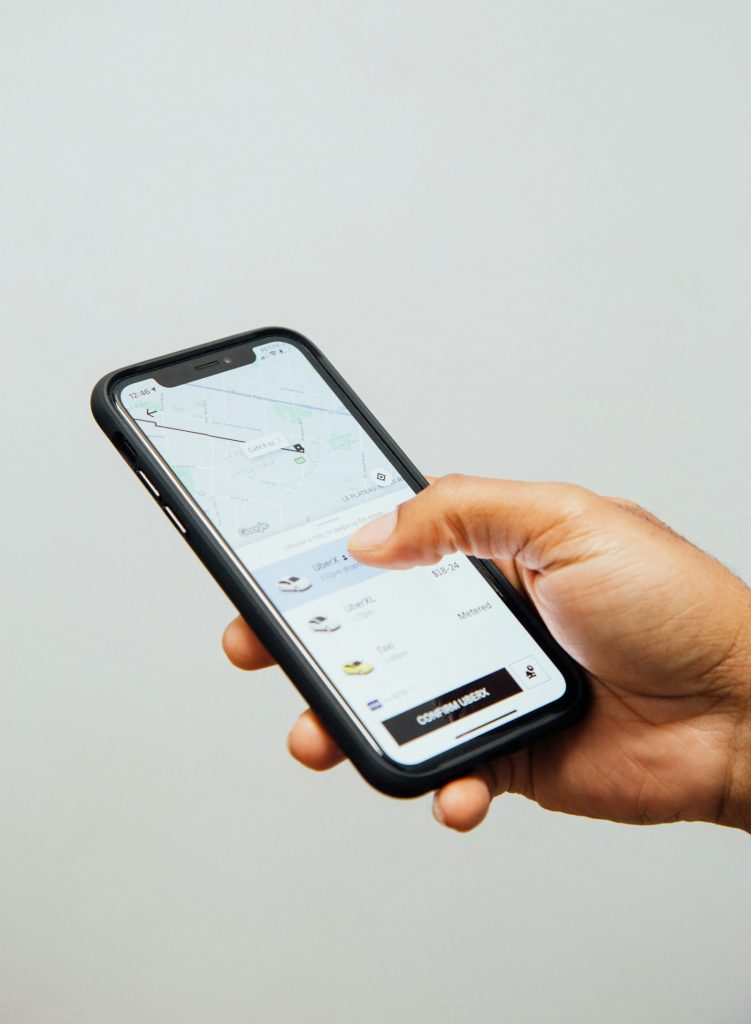
The Short Version: Ordinary Crash vs. Rideshare Crash
| Issue | Ordinary car crash | Rideshare crash in NYC |
|---|---|---|
| Who is driving | A private motorist on personal business | A TLC-licensed driver working a trip or waiting for one |
| Insurance on the car | Personal auto policy | Commercial insurance required for TLC-licensed vehicles |
| Who owns the car | Usually the driver or a family member | Often the driver, but frequently a fleet or leasing company |
| Passenger’s first source of payment | No-fault on the car they were riding in | No-fault on the rideshare vehicle’s commercial policy |
| Digital evidence | Phones, maybe a dashcam | Trip logs, GPS, app status, dashcams, in-app messages |
| Typical crash setting | Commutes, errands | Curbside pickups, airport runs, late-night trips, event surges |
| Basic legal deadlines | Same | Same, but more parties to identify within them |
The rest of this page explains each row, and what it means for someone injured in a rideshare crash on a Queens road.
Difference One: The Driver Is on the Clock
Ordinary crash: The at-fault driver was going to work, picking up groceries, or heading home. Their reasons for being on the road rarely matter legally.
Rideshare crash: The driver’s activity is part of the story. Were they carrying a passenger? Driving to a pickup? Logged into the app and waiting for a request? That status can affect which insurance applies and what records exist. It also shapes the behavior that leads to crashes. A rideshare driver may be watching a phone mount for navigation, scanning the curb for a rider, or pulling over abruptly when a passenger says “right here.”
The underlying duty is the same in both cases. Every driver must use reasonable care, and Vehicle and Traffic Law §1146 specifically requires due care to avoid colliding with pedestrians and bicyclists. Hand-held phone use is prohibited under §1225-c and portable electronic device use under §1225-d. What differs is how often rideshare work creates the conditions for those rules to be broken, and how much data exists to prove it.
Difference Two: Commercial Insurance Replaces the Personal Policy
Ordinary crash: Each car usually carries a personal auto policy. The at-fault driver’s liability coverage is the main target for a pain-and-suffering claim, and many personal policies carry relatively modest limits.
Rideshare crash: In New York City, app-dispatched drivers and their vehicles are licensed by the Taxi and Limousine Commission and must carry commercial insurance. That means a different kind of insurer, often with dedicated claims teams handling large volumes of for-hire vehicle claims. Commercial carriers tend to be organized, quick to make contact, and practiced at evaluating injury claims. That is not a reason to fear them, but it is a reason not to negotiate with them alone.
A practical contrast: in an ordinary crash, an injured person may deal with a single adjuster from a familiar insurance company. In a rideshare crash, there may be two or three carriers in the picture at once, one for the rideshare vehicle, one for another car, and possibly one for the injured person’s own household policy.
Difference Three: The Owner May Be a Company
Ordinary crash: The driver usually owns the car, or a spouse or parent does.
Rideshare crash: Many New York City rideshare drivers lease or rent TLC-plated vehicles from fleet operators. Under Vehicle and Traffic Law §388, a vehicle’s owner can be held vicariously liable for the negligence of anyone driving with permission. When the owner is a fleet company, that can add a defendant and an insurance policy. Some federal and state rules limit liability for certain rental and leasing businesses, so the answer depends on the specific arrangement.
What about the app company? Rideshare platforms generally classify drivers as independent contractors. Whether the platform itself can be held responsible depends on the facts and the insurance in place. The responsible answer is that a claim may involve the driver, the owner, the commercial insurer, and in some circumstances the company, and a lawyer has to examine each relationship.
What Stays the Same: No-Fault Comes First
Here the two kinds of crashes line up closely. New York’s no-fault system under Insurance Law Article 51 applies whether the car was a family sedan or a rideshare vehicle. No-fault pays basic economic loss up to $50,000 per person regardless of who caused the crash: necessary medical expenses, 80 percent of lost earnings up to $2,000 per month, and up to $25 per day for other reasonable expenses. The application is generally due within 30 days.
The difference lies in which policy pays:
- Rideshare passenger: usually the no-fault coverage on the rideshare vehicle’s commercial policy, just as a passenger in a friend’s car would usually claim on the friend’s policy.
- Pedestrian or cyclist struck by a rideshare car: generally the insurer of the vehicle that hit them, the same rule that applies when an ordinary car strikes a pedestrian.
- Driver of another car: usually that driver’s own policy.
- Motorcyclist: not covered by New York no-fault, in either kind of crash.
And when the at-fault vehicle cannot be identified, as in a hit-and-run on the Belt Parkway, MVAIC (the Motor Vehicle Accident Indemnification Corporation) may apply if no other coverage exists. Its notice requirements are strict, so report to police and notify MVAIC as soon as possible. Your own uninsured and SUM coverage should also be checked.
What Stays the Same: The Serious Injury Threshold
To sue for pain and suffering after any motor vehicle accident in New York, ordinary or rideshare, an injured person must show a “serious injury” under Insurance Law §5102(d). That includes, among other categories, fractures, significant disfigurement, permanent loss of use, permanent consequential limitation, significant limitation of use, and death. Economic losses above no-fault can be pursued regardless of the threshold.
One subtle difference: rideshare passengers are often seated in the rear, sometimes unbelted for short trips, and sometimes looking down at a phone. The injury patterns can differ from those of a driver bracing on the wheel. Side-impact crashes at intersections are particularly hard on rear-seat passengers. The legal standard does not change, but the medical proof has to match the mechanics of how the person was actually sitting and moving.
How the 2026 Fault Rules Compare for Rideshare Cases
Comparative fault is the system for dividing blame. For years, New York applied pure comparative fault to every negligence case under CPLR 1411: recovery reduced by the injured person’s percentage of fault, no matter how high.
2026 update: For motor-vehicle personal-injury actions commenced on or after May 26, 2026, CPLR 1411 was modified: a claimant whose fault is greater than the defendants’ combined fault (more than 50 percent) recovers nothing, and a claimant at 50 percent or less has recovery reduced by that share. The same legislation removed the “90/180-day” category from the serious-injury definition in §5102(d). Rideshare crashes are motor-vehicle cases, so both changes apply to them exactly as they apply to ordinary car crashes.
The comparison worth noticing is between kinds of claimants rather than kinds of crashes. A rideshare passenger rarely bears meaningful fault. A pedestrian struck by a rideshare car mid-block, a cyclist hit while filtering between lanes, or a driver who made a quick left in front of a rideshare vehicle may face a serious fault fight, and under the new rule, the 50 percent line matters.
Different Evidence: A Rideshare Accident Lawyer in Queens Has More to Collect
Ordinary crash: The evidence usually consists of the police report, photos, witness statements, vehicle damage, medical records, and sometimes video from a nearby business.
Rideshare crash: All of that, plus:
- App trip records showing pickup, drop-off, route, timestamps, and the driver’s status.
- GPS and speed data the platform may hold.
- In-app messages between rider and driver, which can show rushing or confusion about a pickup spot.
- Dashcam footage, common in TLC vehicles.
- Fleet company records if the car was leased, including maintenance history.
- TLC licensing information for driver and vehicle.
Much of this is held by companies, not individuals, and none of it is kept forever. A rideshare accident lawyer in Queens sends preservation requests early and follows up with formal discovery if a lawsuit is filed. Drivers must also file DMV form MV-104 within 10 days when anyone is injured or killed or property damage exceeds $1,000, in rideshare and ordinary crashes alike.
Same Deadlines, More Parties to Find Within Them
The clock runs the same for both kinds of crashes:
- No-fault application: generally 30 days.
- Notice of claim against the City, its agencies, or NYC Transit: generally 90 days under General Municipal Law §50-e (and Public Authorities Law §1212 for NYC Transit), with suit generally within one year and 90 days. This matters if a DSNY truck, MTA bus, or city-maintained road defect was involved.
- Wrongful death: two years from death.
- Most personal injury lawsuits: three years under CPLR 214(5).
What differs is the workload inside those windows. In an ordinary crash, identifying the defendants may take a phone call. In a rideshare crash, it may take formal requests to learn who owned the car, which insurer covered the trip, and whether a fleet company or another vehicle was involved.
Different Roads, Different Risks: Where Rideshare Crashes Cluster in Queens
Ordinary car crashes follow commuting patterns. Rideshare crashes follow demand, and in Queens demand concentrates in a few predictable places.
- Airport corridors. The Van Wyck Expressway, Belt Parkway, and Conduit Avenue feed JFK; the Grand Central Parkway and Ditmars Boulevard area feed LaGuardia. Rideshare cars make up a large share of this traffic, and pickup-zone congestion produces sudden stops and lane changes.
- Commercial strips. Northern Boulevard in Flushing, Roosevelt Avenue in Jackson Heights and Corona, Jamaica Avenue and Hillside Avenue in Jamaica. Double-parked drop-offs push cyclists and other cars into traffic lanes.
- Wide arterials. Queens Boulevard, Woodhaven Boulevard, and Francis Lewis Boulevard combine speed with complex turns. Intersection crashes here are frequently side impacts; our page for an intersection accident lawyer in Queens goes deeper on those.
- Southeast Queens. Merrick Boulevard, Rockaway Boulevard, Linden Boulevard, and Sunrise Highway serve neighborhoods with fewer subway options, so residents rely on rideshare for daily trips.
If you were a passenger rather than a driver or pedestrian, our dedicated guide for an Uber passenger accident lawyer in Queens focuses on that perspective. For crashes along the eastern edge of the borough, see our Bellerose rideshare accident lawyer page. And for the full list of injury cases we handle beyond rideshare, see our practice areas.
Three Queens Landmarks, Three Very Different Rideshare Trips
Alley Pond Park
Alley Pond Park in northeast Queens, spanning parts of Douglaston, Oakland Gardens, and Bayside, is one of the largest parks in the borough, with wetlands, forest trails, and the Alley Pond Environmental Center. It is also cut through by major highways: the Long Island Expressway, the Grand Central Parkway, and the Cross Island Parkway all run through or alongside it. Rideshare trips to trailheads and the environmental center often begin with high-speed merges and end at small lots or curbside spots on busy roads like Northern Boulevard and Winchester Boulevard. Compare that with an ordinary weekend drive and the difference is the curbside stop.
Addisleigh Park Historic District in St. Albans
The Addisleigh Park Historic District in St. Albans is a neighborhood of early 20th-century Tudor and Colonial Revival homes, designated a New York City historic district and known as the home, over the decades, of celebrated African American musicians, athletes, and civic leaders. Its quiet, tree-lined streets sit near busy Linden Boulevard and Merrick Boulevard. Rideshare drivers cutting through residential blocks to reach the Long Island Rail Road or southeast Queens destinations raise speed concerns for pedestrians and children. From here, our Rosedale office is a short drive south and east.
Fort Tilden
Fort Tilden is a former U.S. Army coastal defense post on the Rockaway peninsula, now part of the Gateway National Recreation Area, with dunes, old batteries, and a quieter beach than its neighbors. Parking is limited, and on summer weekends many visitors arrive by rideshare from across Queens and Brooklyn via the Marine Parkway–Gil Hodges Memorial Bridge or Cross Bay Boulevard. Heavy beach traffic along Rockaway Point Boulevard, bikes, and pedestrians carrying gear make drop-offs and pickups risky. Compared with an ordinary drive, a rideshare trip here often ends with a stop on a crowded two-lane road.
Directions to Our Rosedale Office from Alley Pond Park
From Alley Pond Park, the simplest route is the Cross Island Parkway south. The parkway runs along the eastern edge of Queens, past Bellerose and Cambria Heights, toward the Belt Parkway and Southern State interchange in the Rosedale area. Exit toward Rosedale and follow local streets to 1 Cross Island Plaza near the Queens–Nassau line. Without heavy traffic, the drive is often around 15 to 20 minutes.
Rideshare vs. Regular Car Accidents: Frequently Asked Questions
Is a rideshare accident claim harder than a regular car accident claim?
Not necessarily harder, but usually more involved. The core rules, such as no-fault, the serious injury threshold, and the statute of limitations, are the same. What adds work is the number of parties: the driver, a possible fleet owner, a commercial insurer, other motorists, and sometimes the platform. Rideshare cases also involve more digital evidence, which must be preserved quickly. Organization and speed matter more than in a typical two-car crash.
Does a rideshare driver have more insurance than a regular driver?
Rideshare vehicles in New York City are TLC-licensed and must carry commercial insurance, rather than an ordinary personal auto policy. The specific limits and how coverage applies depend on the policy and the circumstances of the trip, so it is important to obtain the actual policy information rather than assume. A lawyer can identify all available coverage, including the commercial policy, any other vehicle’s policy, and your own household coverage.
As a passenger, do I file no-fault the same way as in a regular car?
Largely yes. A passenger in any car usually claims no-fault through the policy covering the vehicle they were riding in. For a rideshare passenger, that is usually the rideshare vehicle’s commercial policy. The benefits are the same: up to $50,000 per person in basic economic loss, including medical expenses and 80 percent of lost earnings up to $2,000 per month. The application is generally due within 30 days.
Who is liable if both the rideshare driver and another driver were careless?
Both can be. New York law allows claims against multiple negligent parties, and fault is divided among them. A passenger who did nothing wrong can pursue both drivers, and potentially the owners of both vehicles under Vehicle and Traffic Law §388. How fault is split between the defendants affects who pays what, but it generally does not reduce a blameless passenger’s recovery.
Does the 2026 change to comparative fault apply to rideshare accidents?
Yes, for lawsuits commenced on or after May 26, 2026. Rideshare crashes are motor-vehicle cases, so the modified CPLR 1411 rule applies: a claimant more than 50 percent at fault recovers nothing, and a claimant at 50 percent or less has recovery reduced by that share. Passengers rarely face substantial fault arguments, but pedestrians, cyclists, and other drivers involved in rideshare crashes often do.
What evidence exists in a rideshare crash that would not exist in a regular one?
App trip records, GPS and timestamp data, the driver’s status in the app, in-app messages, and often dashcam footage. If the car was leased from a fleet operator, there may also be fleet maintenance records and assignment logs. Most of this is held by companies and may not be retained indefinitely, which is why preservation requests should go out early. Ordinary crash evidence, like police reports and witness statements, still matters too.
I was hit by a rideshare car while biking. Is that different from being hit by a regular car?
The basic rules are the same. Drivers owe cyclists due care under Vehicle and Traffic Law §1146, and a cyclist struck by a car generally claims no-fault through the striking vehicle’s insurer. The difference is mainly practical: rideshare drivers frequently pull to the curb or into bike lanes for pickups, and the vehicle’s commercial insurance and digital records come into play. Document the car’s TLC plate and any app branding.
What if the rideshare car was hit by a city bus or garbage truck?
Then the special deadlines for government claims become the priority. Claims against the City and its agencies, including DSNY trucks, generally require a notice of claim within 90 days, and NYC Transit buses fall under Public Authorities Law §1212 with a similar notice requirement. The lawsuit generally must follow within one year and 90 days. This is far shorter than the three-year rule for ordinary claims.
Should I talk to the rideshare company’s insurer before getting a lawyer?
You will need to provide basic information for your no-fault claim, but be cautious about recorded statements, broad medical authorizations, and early settlement offers. Commercial insurers handle many for-hire vehicle claims and evaluate them carefully. Getting legal advice before giving a detailed statement helps you avoid comments that could be taken out of context and ensures you understand what a release would give up.
Can I bring a rideshare case to your office if the crash was outside southeast Queens?
Yes. Our office is in Rosedale, but we represent people injured throughout Queens and across New York City, from Astoria and Long Island City to Flushing, Jamaica, and the Rockaways. Many clients reach us after crashes on the Van Wyck, the Grand Central Parkway, or Queens Boulevard. Call to discuss where and how your crash happened, and we will explain how we can help.
Related: For a full overview of how our firm handles these claims, visit our Rideshare Accident Lawyer in Queens page.
Speak With a Rideshare Accident Lawyer in Queens
A rideshare crash borrows most of its rules from ordinary car accidents, then adds commercial insurance, corporate owners, and a trail of digital evidence that will not wait. Getting the comparison right early makes everything after it easier. If you were hurt as a rideshare passenger, pedestrian, cyclist, or driver anywhere in Queens, call Yakov Mushiyev & Associates, P.C. at 718.775.3110 or reach our Rosedale team online. Our office is at 1 Cross Island Plaza, Suite 325, Rosedale, NY 11422. You can also read about cases our firm has handled, keeping in mind that every case is different.
General information, not legal advice. Attorney Advertising. Prior results do not guarantee a similar outcome.