
The first three days after a taxi crash tend to blur together. There is the scene itself, then maybe an ambulance ride, then a night of not sleeping, then phone calls from people you have never heard of. Most of the decisions that shape an injury claim get made, or quietly missed, during those 72 hours. This article follows one hypothetical Richmond Hill rider, hour by hour, and pulls out the practical steps anyone can use after a taxi accident in Richmond Hill, Queens.
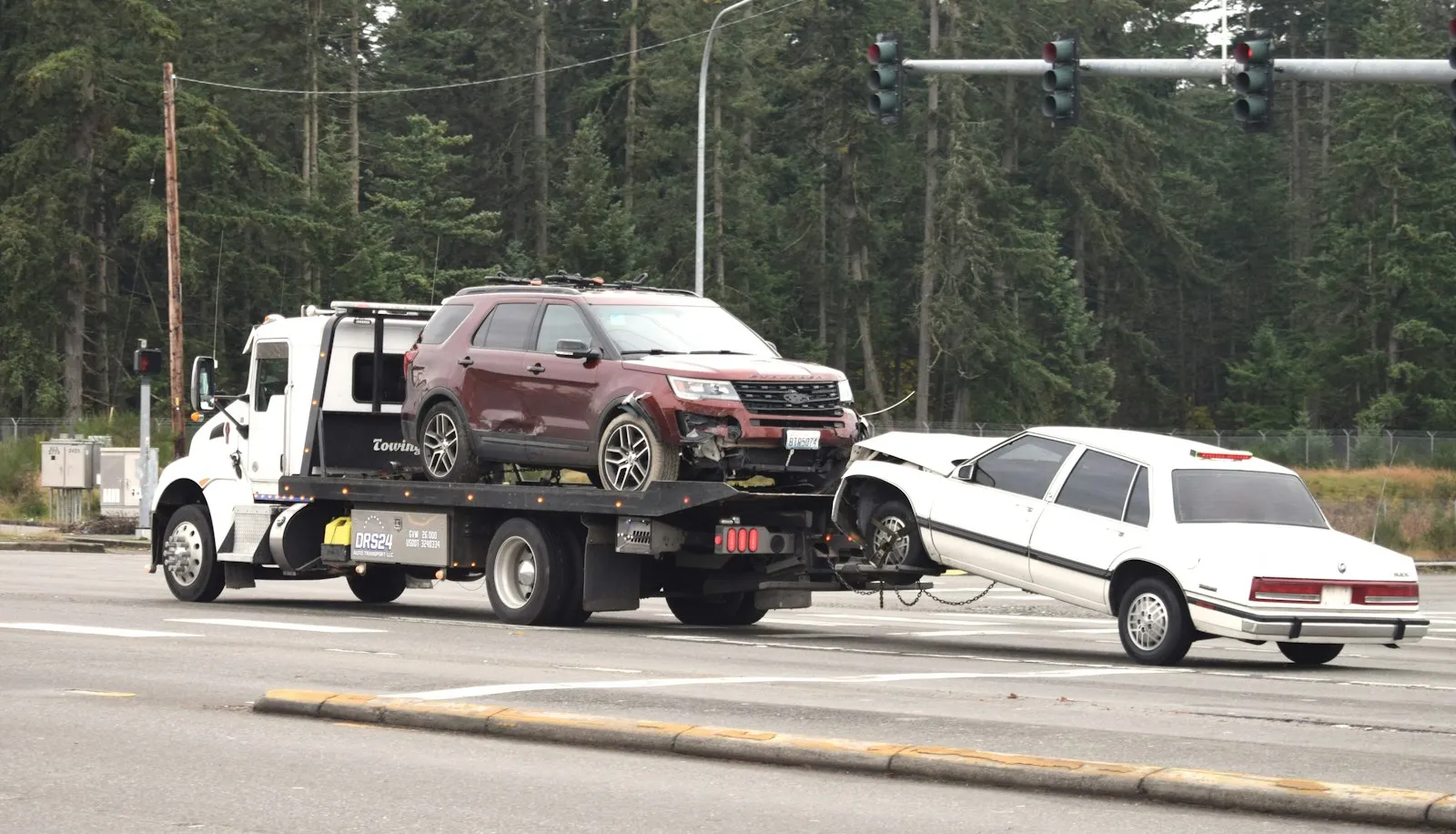
Meet Ravi. He is not a real client; he is a composite we use to explain how things usually unfold. Ravi lives off Lefferts Boulevard and takes an app-based car home from work most evenings. One rainy Thursday, his driver is stopped at a light on Atlantic Avenue when a yellow cab heading for the Van Wyck rear-ends them. Ravi’s head snaps forward, his knee hits the seat in front of him, and the rest of his week changes.
Hour 0 to 1: At the Scene
Ravi’s first instinct is to say “I’m fine” and get out of the rain. That instinct is common and understandable, and it is the first thing worth resisting. Adrenaline hides pain. Neck and knee injuries often feel worse the next morning than they do at the curb.
Here is what helps most in that first hour, if you are able to do it safely:
- Call 911 if anyone is hurt, and ask for police to respond. A police report becomes a key document later.
- Photograph the taxi’s identifiers: the medallion number on the hood or roof light, the license plate, and the TLC license information displayed inside the cab.
- Screenshot your ride app if you were in an app-based car. The trip screen shows the driver’s name, the car and the time.
- Look up and around. Note storefronts, the nearest cross street, and any cameras. Businesses along Liberty, Jamaica and Atlantic Avenues may have video that gets recorded over within days.
- Get witness names and numbers. Other drivers, people at the bus stop, a shopkeeper who stepped outside.

The single most useful photo after a taxi crash is the one most people forget: the medallion or TLC license number. It tells us which vehicle, which owner and which insurer we are dealing with.
Hours 1 to 12: Getting Checked Out
Ravi decides to go to the emergency room after all. Good call. For people in Richmond Hill, Jamaica Hospital Medical Center by the Van Wyck is close by, though EMS will take you wherever is appropriate.
Getting seen the same day matters for two reasons. First, your health. Second, the record. Insurers look closely at gaps between an accident and the first treatment, and under New York’s 2026 rules, the medical record is what shows whether an injury fits one of the serious injury categories. Tell the doctor about every symptom, even the small ones, and mention that you were in a car crash.
Practical takeaway
- Keep every discharge paper, prescription receipt and follow-up instruction in one envelope.
- Write down the time you left the scene and the time you arrived at the hospital.
- If you skipped the ER, see your own doctor or an urgent care as soon as you can.
Hours 12 to 24: The Phone Starts Ringing
The next morning Ravi’s knee is swollen and he cannot turn his head to the left. His phone shows a missed call from an unfamiliar number. It turns out to be an insurance adjuster, friendly and quick, asking whether he would give a short recorded statement “to get things moving.”
You do not have to give a recorded statement to the other side’s insurer, and it is usually wise not to until you understand your rights. Statements made while you are in pain and still sorting out what happened can be used later to argue that you were partly to blame. That matters more than ever in 2026, because under new CPLR 1411(b), in motor vehicle injury cases commenced on or after May 26, 2026, a claimant whose fault is greater than the defendant’s recovers nothing, and a claimant who is 50% or less at fault has the recovery reduced in proportion.
A polite “I’m not ready to give a statement; please send me your contact information in writing” is enough.
Hours 24 to 72: Paperwork That Protects You
By day two or three, the urgent part is over and the paperwork begins. This is where an injured person can lose benefits without realizing it, simply by waiting.
Figure out whose no-fault policy pays
New York is a no-fault state, so personal injury protection pays medical bills, lost earnings and other basic economic loss regardless of fault (Insurance Law § 5102). As a general rule, passengers claim from the vehicle they were riding in, and pedestrians and cyclists claim from the vehicle that struck them. Ravi was a passenger in the app-based car, so his no-fault claim generally goes to that vehicle’s insurer, not the yellow cab’s.
| Where you were | Whose no-fault coverage you generally claim |
|---|---|
| Passenger in a taxi or app-based car | The vehicle you were riding in |
| Pedestrian struck by a taxi | The taxi that struck you |
| Cyclist struck by a taxi | The taxi that struck you |
Vehicles licensed by the NYC Taxi and Limousine Commission must carry $100,000 per person in no-fault coverage, a requirement reduced from a higher figure effective March 1, 2026. Private cars must carry at least $50,000 per person.
Mark the deadlines on your calendar
- 30 days from the accident to file the no-fault application.
- 90 days to file a notice of claim if a city or MTA vehicle, such as a bus, was involved.
- 3 years to file a personal injury lawsuit (CPLR 214(5)).
- 2 years for a wrongful death action, which in New York allows pecuniary damages only.
Start a simple injury journal
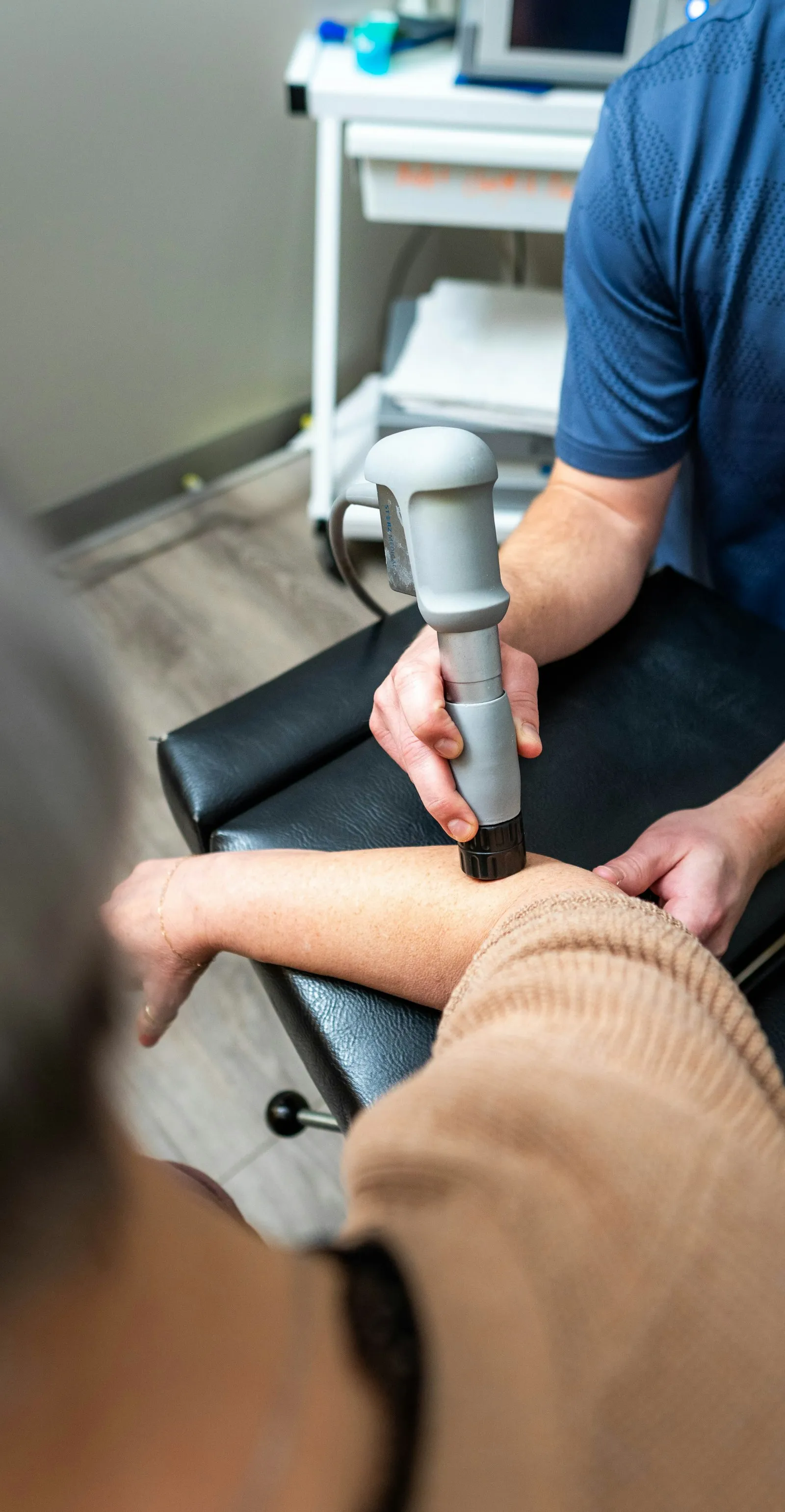
A few lines a day is enough: pain level, what you could not do, appointments, missed work. When Ravi’s physical therapist asks months later how long he struggled with stairs, his notebook answers the question.
Why the First 72 Hours Matter More After the 2026 Changes
The 2026 state budget changed the rules for lawsuits filed on or after May 26, 2026, regardless of when the accident happened. Three changes connect directly to what you do in those first days:
- Fault is decided first. Under Insurance Law § 5104, the judge or jury must decide fault before deciding whether the injury is serious. Scene photos, video and witnesses carry real weight.
- Fewer serious injury categories. The category based on a set number of days of disability was removed. The eight remaining categories include fracture, significant disfigurement, permanent consequential limitation of use of a body organ or member, and significant limitation of use of a body function or system. Prompt, consistent treatment documents which one applies.
- A cap for certain at-fault claimants. Non-economic damages are capped at $100,000 for an at-fault claimant who was driving uninsured, convicted of impaired driving, or convicted of a felony committed while driving. It does not cap economic damages or other people’s claims.
The Department of Financial Services has consumer information on auto insurance and no-fault. For a fuller picture of who pays and how a claim moves from start to finish, see our Richmond Hill taxi accident lawyer page.
If It Happens Near Forest Park or on Liberty Avenue
Two places in Richmond Hill draw a lot of taxi and app-based traffic, and each shapes what the first hour looks like.
Forest Park runs along Richmond Hill’s northern edge, with entrances along Park Lane South and Myrtle Avenue. People go for its wooded trails, ballfields and golf course, and for a quiet walk away from the avenues. Cars drop off and pick up at the park’s edges, and drivers coming off the Jackie Robinson Parkway or through the park drives can be moving faster than the residential streets around them. A crash here may have fewer storefront cameras nearby, so witness names and your own photos become even more important.
Liberty Avenue’s commercial strip, known as Little Guyana, is lined with restaurants, bakeries, jewelry and clothing shops, and grocery stores under the elevated A train. Shoppers come from all over the city. Cabs and car services stop wherever a fare waves, double-parked trucks force cars into the next lane, and el columns block sight lines at intersections. The upside, for evidence purposes, is that many shops have cameras. Ask quickly; footage is often overwritten within days.
First-72-Hours Taxi Accident FAQs
I felt fine at the scene. Is it too late to see a doctor?
No. Go as soon as you notice symptoms and tell the doctor about the crash. A short gap is far better than no treatment at all, though the sooner the better.
Should I talk to the taxi company’s insurer?
You can share basic contact information, but you do not have to give a recorded statement. It is usually wise to speak with a lawyer first, since fault now plays a larger role in motor vehicle claims.
How fast do I need to file for no-fault benefits?
Within 30 days of the accident. Missing this deadline can jeopardize payment of your medical bills and lost wages.
Do I need to report the crash to the DMV?
Drivers involved in certain crashes must file an MV-104 report. The New York DMV explains when it is required.
What if a city bus was also involved?
A claim against a New York City or MTA vehicle requires a notice of claim within 90 days, which is much shorter than the usual lawsuit deadline.
Will my own car insurance go up if I was a passenger?
As a passenger, you generally claim no-fault benefits from the vehicle you were riding in, not from your own policy. Questions about your specific policy are best answered by reviewing it together.
When should I call a lawyer?
Ideally within the first few days, while evidence is fresh and before the 30-day no-fault deadline. Our FAQ page covers more general questions.
Richmond Hill Questions Readers Ask
Which hospital is closest to Richmond Hill?
Jamaica Hospital Medical Center, by the Van Wyck Expressway near Jamaica Avenue, is the major hospital nearest most of Richmond Hill.
What trains run through the neighborhood?
The A train runs above Liberty Avenue, and the J train runs above Jamaica Avenue.
What are the main roads in and out?
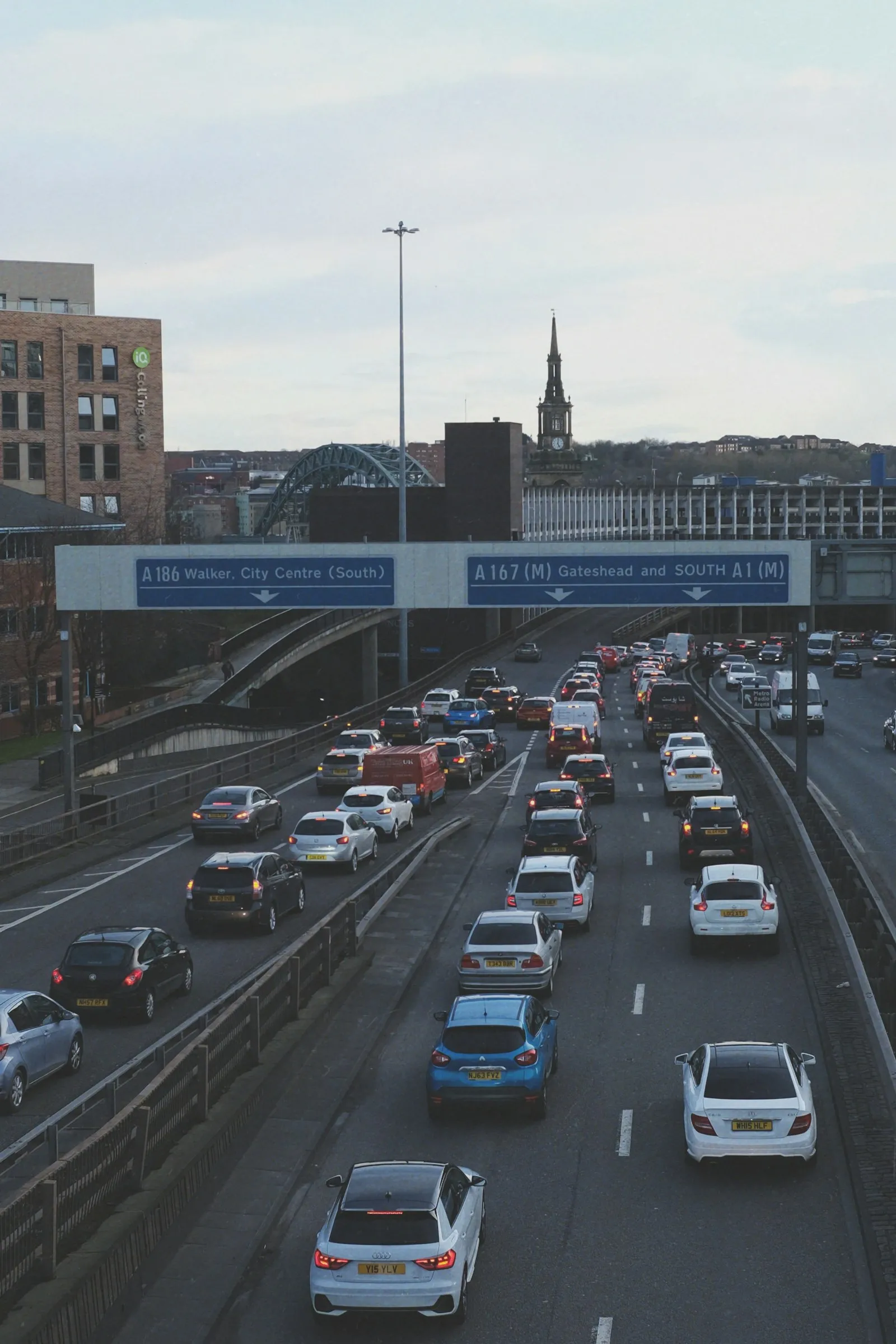
Lefferts Boulevard, Liberty Avenue, Jamaica Avenue, Atlantic Avenue and Myrtle Avenue carry local traffic. The Van Wyck Expressway runs along the east side, Woodhaven Boulevard along the west, and the Jackie Robinson Parkway passes through Forest Park to the north.
Where would a Richmond Hill injury lawsuit be filed?
Typically in Queens County Supreme Court in Jamaica. The New York State courts website has general information.
Is parking hard near Liberty Avenue?
It can be, especially on weekends. Many people take the A train or a car service instead, which is one reason pickups and drop-offs are so frequent along the strip.
Ravi’s Fourth Day, and Yours
On day four, Ravi calls a lawyer. His no-fault application gets filed on time with the right insurer, a letter goes out to the shop on the corner asking it to preserve its video, and he gets back to focusing on his knee. That is the whole point of acting early: it lets you rest while someone else handles the clock.
If you were hurt in a taxi, green cab or app-based car in Richmond Hill, call Yakov Mushiyev & Associates, P.C. at 718.775.3110 for a free case review, or contact us online. We speak English, Russian and Spanish, visit clients at home, in the hospital or by video, and charge no fee unless we win. Our office is at 1 Cross Island Plaza, Suite 325, Rosedale, NY 11422. You can also read more about our car accident practice, our work across Richmond Hill, or nearby Kew Gardens taxi claims.

Attorney Advertising. This is general information about New York law, not legal advice, and reading it does not create an attorney-client relationship. “Ravi” and his accident are hypothetical. Prior results do not guarantee a similar outcome.