
A car crash is usually a story about two drivers. A truck crash is a story about a system: a driver, a company that hired or dispatched them, a schedule that pushed them, a vehicle that someone maintained (or didn’t), a load that someone packed, and a route that someone chose. When a truck hurts someone in Rego Park, the strength of the case depends on how much of that system gets examined, and how fast.
This article walks through a truck accident investigation the way we approach it, step by step, with the specific rules that apply on Rego Park’s streets and highways. If you or a family member was hurt, call Yakov Mushiyev & Associates, P.C. at 718.775.3110.
The Setting: Why Rego Park Sees So Many Truck Conflicts
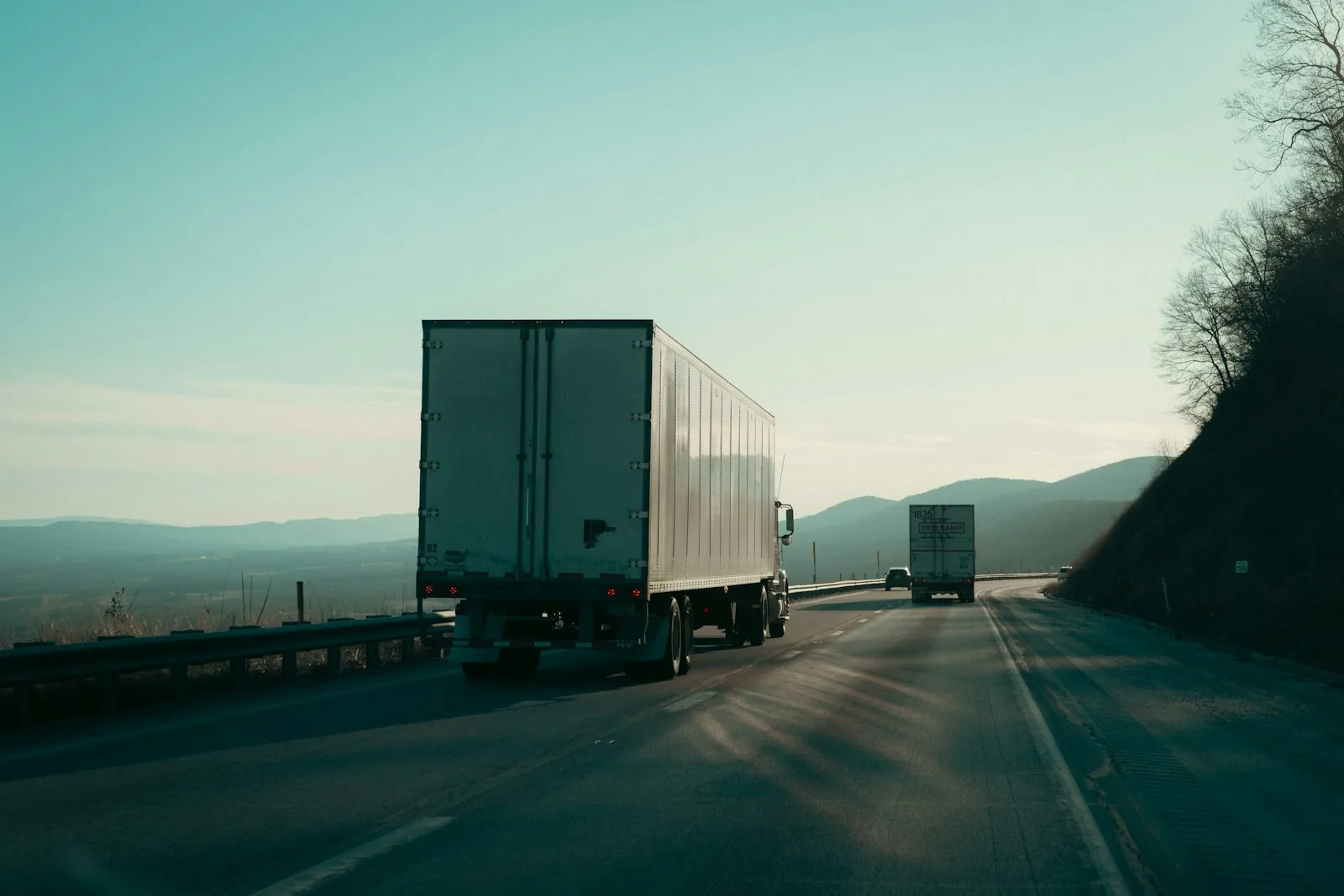
Rego Park sits at a crossroads of freight. The Long Island Expressway runs along the neighborhood’s northern edge and carries a constant stream of tractor-trailers between Manhattan, the bridges and Long Island. Woodhaven Boulevard connects the expressway to southern Queens. And Queens Boulevard is lined with big-box stores, supermarkets and the Rego Center complex, all of which receive deliveries throughout the day.
That combination creates three recurring crash patterns:
- Expressway crashes involving lane changes, merges at the ramps and rear-end collisions in sudden slowdowns.
- Turning crashes on the boulevards, where a long truck swings wide to turn right and squeezes a car, cyclist or pedestrian on its inside.
- Delivery-zone crashes, where double-parked trucks force cars and cyclists into traffic, or where a truck backs up without a spotter.
Before the Investigation: What You Can Do Right Now
Lawyers and experts do most of the heavy lifting in a truck case, but a few things only you can do, and they matter:
- Photograph the truck. Capture the company name, USDOT number on the door, the license plates on the tractor and the trailer, and any fleet number. These identify the carrier and the owner, which may be different companies.
- Photograph the scene before vehicles are moved, if it’s safe: final positions, skid marks, debris, signals and signs.
- Get the police report number from the officers. Rego Park is covered by the NYPD’s 112th Precinct; expressway crashes may involve other units.
- Get witness contacts. Other drivers, delivery workers and store employees often see more than anyone else.
- Get medical care immediately and follow through with every referral.
- File your no-fault application within 30 days.
- Don’t sign anything from the trucking company or its insurer.
Step 1: Lock Down the Evidence Before It Disappears
Truck evidence has a short shelf life. In the first days after a crash, the priority is preservation.
- Electronic control module (ECM) and event data. Many trucks record speed, braking and throttle data around a hard-braking or crash event. That data can be overwritten as the truck keeps operating.
- Electronic logging device (ELD) records. Federal rules require most interstate commercial drivers to record their hours of service electronically. These records show when the driver started, how long they drove and whether they took required breaks.
- Dashcam and telematics. Fleets increasingly run forward- and driver-facing cameras and GPS tracking.
- Dispatch communications and delivery schedules. These show whether the driver was under time pressure.
- Maintenance and inspection records for brakes, tires, lights and mirrors.
The tool for this is a preservation letter, sent to the trucking company and its insurer as early as possible, demanding that all of it be kept. Without it, a company can sometimes lawfully overwrite data in the ordinary course of business.
Step 2: Identify Every Company Behind the Truck
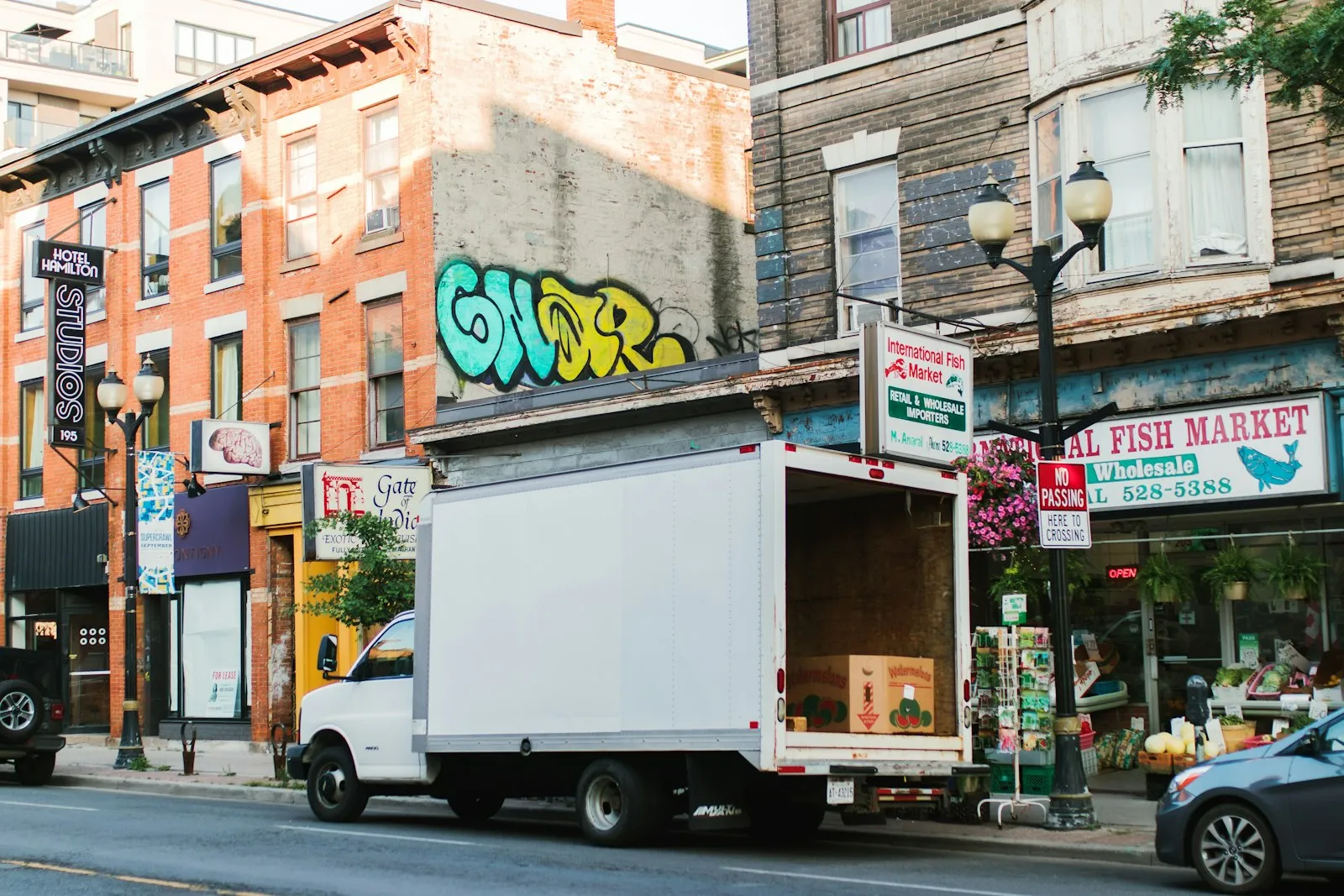
The name on the door is a starting point, not the answer. A single truck can involve:
- The driver
- The motor carrier operating under its federal authority
- The owner of the tractor or trailer, which may be a leasing company
- A shipper or loader responsible for how cargo was packed and secured
- A broker that arranged the load
- A maintenance contractor
- For local deliveries, the business that hired the delivery service
Each can carry separate insurance. Federal regulations set minimum financial responsibility for interstate motor carriers. For many carriers of general freight, the floor is $750,000, with higher minimums for hazardous materials. Local delivery vans and box trucks operating only within New York may carry much less, which makes finding every policy all the more important.
Step 3: Check the Route, the Rules and the Hours
New York City truck routes
New York City requires trucks, defined by the city’s Department of Transportation as vehicles with two axles and six tires or three or more axles, to stay on the designated Truck Route Network. Trucks may leave the network only to reach a delivery, by the most direct path, and must return the same way. A truck found cutting through Rego Park’s residential side streets without a delivery there may have been violating those rules, and that can be powerful evidence of negligence. DOT finalized changes to the truck route network that took effect October 4, 2026, so the route in force on the date of the crash matters.
Federal hours of service
Interstate truck drivers are limited in how long they may drive and work before taking rest. Driver fatigue is a recognized cause of serious truck crashes, and the ELD records described above are how it gets proven. The Federal Motor Carrier Safety Administration publishes the hours-of-service rules.

Step 4: Apply New York’s 2026 Rules
New York changed two rules in 2026 that affect most truck cases.
Serious injury. To recover pain and suffering in a motor vehicle case, an injured person generally must show a “serious injury” under Insurance Law § 5102(d). The state budget signed in late May 2026 removed the old “90/180-day” category, leaving categories such as fracture, significant disfigurement, permanent consequential limitation and significant limitation. Truck crashes often produce injuries that clear this bar easily, but soft-tissue claims now need careful medical proof.
Fault. The same legislation added subdivision (b) to CPLR § 1411. In personal injury actions governed by the no-fault article of the Insurance Law, a claimant who is more at fault than the defendant recovers nothing. Trucking companies and their insurers have experienced defense teams, and they will look hard for ways to shift blame: a car that cut in front of the truck, a cyclist riding on the truck’s right, a pedestrian outside the crosswalk. The investigation in Steps 1 through 3 is how that argument is answered.
Wrongful death claims are treated differently. Practitioner summaries of the 2026 amendments indicate that wrongful death actions remain under New York’s pure comparative fault rule.
Step 5: Reconstruct the Crash
In serious cases, an accident reconstruction expert uses scene measurements, vehicle damage, ECM data and video to determine speed, braking, sight lines and timing. Some questions come up again and again in Rego Park truck cases:
| Question | Why it matters |
|---|---|
| Was the truck on a designated route? | A violation can be evidence of negligence |
| How fast was it going before braking? | Speed changes stopping distance and impact force |
| Did the driver check mirrors and cameras before turning? | Right-turn squeeze crashes turn on this |
| How long had the driver been on duty? | Fatigue can explain delayed reactions |
| Were the brakes, lights and mirrors in working order? | Maintenance failures point to the carrier |
| Was the load secured and within weight limits? | Shifting or overweight loads affect handling |

Step 6: Measure the Full Harm
Truck crashes produce some of the most severe injuries we see: spinal injuries, traumatic brain injuries, multiple fractures and crush injuries. A claim has to account for:
- Past and future medical care, including surgeries and rehabilitation
- Lost wages and lost earning capacity
- Home modifications and care needs
- Pain and suffering and loss of enjoyment of life
- For families who lost someone, the losses recoverable in a wrongful death claim
The no-fault benefits that pay early bills, up to $50,000 in basic coverage, are rarely enough in a truck case. That’s why identifying every liable party and policy in Step 2 matters so much.
Deadlines
| Deadline | What it covers |
|---|---|
| 30 days | No-fault application to the insurer of the vehicle you were in (or, for pedestrians, the vehicle that struck you) |
| 90 days | Notice of claim if a city vehicle, such as a sanitation truck, was involved |
| 3 years | Personal injury lawsuit against a private driver, carrier or owner (CPLR § 214) |
| 2 years | Wrongful death lawsuit (EPTL § 5-4.1) |
Why Truck Cases Settle Differently
Truck cases also tend to be negotiated differently from car cases. Commercial insurers set aside reserves based on how serious they believe a claim is, and that belief is shaped by what they see early: preserved data, a clear liability theory and well-documented injuries. A claim that arrives with the ECM download, the driver’s logs and a reconstruction outline is valued differently from one that arrives with a police report and a stack of bills. That is the practical reason the steps above come first.
Who We Are
Yakov Mushiyev & Associates, P.C. is a Queens personal injury firm. Read more on our Rego Park truck accident lawyer page and our broader truck accident practice. Truck crashes often involve riders and walkers too; see our Rego Park motorcycle accident guide and Rego Park pedestrian accident guide, or browse our Rego Park practice page.
Directions From Rego Park to Our Rosedale Office
We’re at 1 Cross Island Plaza, Suite 325, Rosedale, NY 11422. Drivers usually take the Van Wyck Expressway south to the Belt Parkway east. By transit, take the M or R to Forest Hills–71st Avenue, the E or F to Jamaica, and the LIRR to Rosedale. If you can’t travel, call and ask about a phone or video consultation.
Open turn-by-turn directions in Google Maps · 1 Cross Island Plaza, Suite 325, Rosedale, NY 11422 · 718.775.3110
Truck Accident FAQs
The trucking company’s insurer called me the day after the crash. Should I talk to them?
Be careful. Trucking insurers often move quickly to get statements and early settlements. Give basic contact information and decline a recorded statement until you’ve gotten advice.
What if the truck was a city sanitation or DOT truck?
Claims against the City of New York generally require a notice of claim within 90 days and a lawsuit within one year and 90 days.
Can I sue the company and not just the driver?
Often, yes. An employer is generally responsible for an employee driver’s negligence on the job, and a carrier may also be responsible for its own negligence in hiring, training, scheduling or maintenance.
I was partly at fault. Is my case over?
Not necessarily. Your damages are reduced by your share of fault, and under the 2026 change to CPLR § 1411 a claimant more at fault than the defendants recovers nothing. Many cases that look like shared fault at first look different once the truck’s data, the route rules and the driver’s hours are examined.
How long will a truck case take?
Truck cases often take longer than car cases because there are more parties, more records and more experts. The early preservation work is what makes the later stages go faster.
Talk to a Queens Truck Accident Lawyer
If a truck injured you or a family member in Rego Park, call Yakov Mushiyev & Associates, P.C. at 718.775.3110 or send us a message.
General information, not legal advice. Attorney Advertising. Prior results do not guarantee a similar outcome.