
Broken bones are among the most common serious injuries in Queens car crashes, from wrist fractures when a driver braces against the steering wheel to broken legs and pelvises in side-impact collisions on Queens Boulevard or the Van Wyck. In New York, a fracture also matters legally: it’s one of the injuries that opens the door to a full claim for pain and suffering. This guide from a Queens car accident broken bones lawyer explains why, and what it takes to get a fair result.
Why a fracture matters under New York’s no-fault system
New York is a no-fault state. After a crash, your own policy’s no-fault coverage pays basic medical bills and part of your lost wages, regardless of who caused the crash. To sue the at-fault driver for pain and suffering, you generally must show a “serious injury” as defined in Insurance Law § 5102(d).
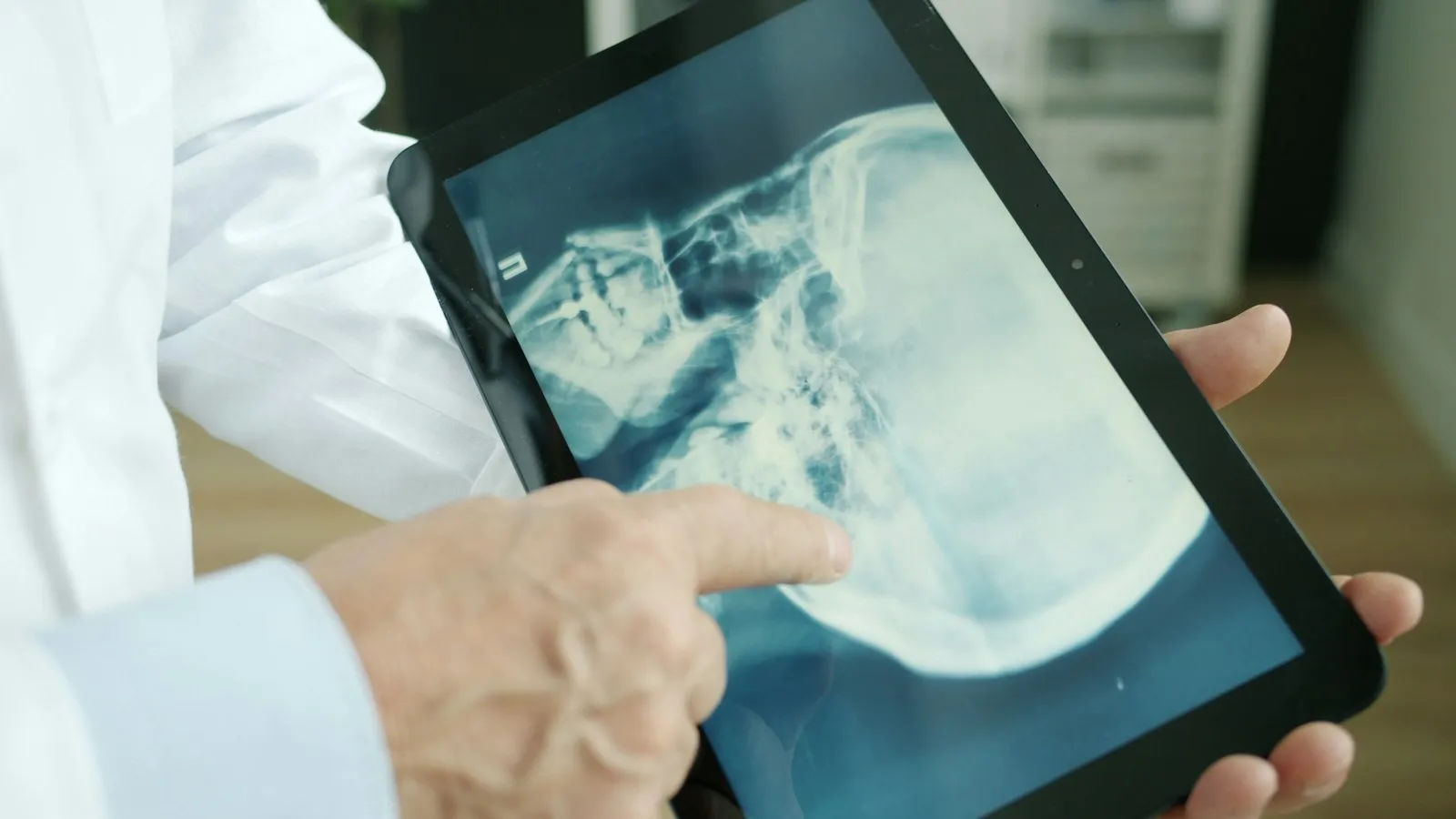
That definition lists specific categories, and a fracture is one of them. Many soft-tissue injuries have to fight over whether they qualify. A fracture confirmed by imaging usually meets the threshold on its own, which is why the diagnosis and the imaging reports are so important.
Common fractures in car crashes
- Wrist and forearm: from bracing against the wheel or dashboard
- Clavicle (collarbone): from seatbelt force
- Ribs and sternum: from the belt, the wheel or an airbag
- Hip, pelvis and femur: in side-impact and high-speed crashes
- Tibia, fibula and ankle: from footwell intrusion
- Vertebrae: compression fractures in the spine
- Facial fractures: from striking the wheel, window or dashboard
Pedestrians and cyclists struck by cars often suffer leg, pelvis and skull fractures; see our pedestrian accident page. Riders have their own coverage problems, explained in our guide from a motorcycle accident lawyer in New York.
What drives the value of a broken bone claim
The type of fracture and treatment
A hairline fracture treated with a cast is valued very differently from a comminuted fracture requiring open reduction and internal fixation (surgery with plates and screws). Surgery, hospital stays and hardware all increase a claim’s value.
Complications
Infection, bones that heal poorly or not at all, a second surgery to remove hardware, reduced range of motion, and post-traumatic arthritis years later can all be part of the claim, if a doctor documents them.
Lost income
No-fault pays a portion of lost earnings up to a monthly cap. Income beyond that, and long-term loss of earning capacity, can be claimed against the at-fault driver. Our guide to proving inability to work explains the proof.
Daily life
Weeks on crutches in a walk-up apartment, needing help to bathe, missing a child’s events, giving up a sport: these belong in the claim. A daily journal helps; here’s how to keep one.
Medical steps that protect a fracture claim
Insurers look closely at the gap between the crash and the diagnosis. If you felt pain in a wrist, ankle or ribs, say so at the emergency room and ask for imaging. Some fractures, especially small wrist bones like the scaphoid and hairline fractures in the foot, don’t show up clearly on the first X-ray and are found days later on a follow-up scan or MRI. Go to every orthopedic appointment, do the physical therapy you’re prescribed, and keep copies of every imaging report. If your surgeon recommends hardware removal, a second surgery or long-term restrictions, ask that it be written in your chart. Those notes are what turn a future complication into a documented part of your claim.
Keep receipts for crutches, braces, rides to appointments and help at home. In a walk-up building, a cast can mean paying someone to carry groceries or take a child to school; those costs count too.
Proving the other driver was at fault
Queens crashes that cause fractures are often rear-end collisions, left turns across oncoming traffic and red-light crashes. In a rear-end crash, New York courts generally presume the rear driver was negligent. Police reports, photographs, witness statements, dashcam and traffic camera footage, and sometimes an accident reconstructionist establish the rest. Under CPLR § 1411, any share of fault on your part reduces your recovery without barring it.
Deadlines
- No-fault application: generally within 30 days of the crash. Our no-fault guide explains the forms.
- Claims against the city or MTA: usually a notice of claim within 90 days.
- Lawsuit against the driver: generally three years under CPLR § 214.
Learn more on our car accident practice page.
Frequently asked questions
Do I need a Queens car accident broken bones lawyer if the insurer already accepted fault?
Accepting fault isn’t the same as paying fair value. Insurers often undervalue fractures, especially future complications and lost earning capacity. A Queens car accident broken bones lawyer documents the full picture before any settlement.
Is a fracture automatically a serious injury in New York?
A fracture is one of the listed serious injury categories under Insurance Law § 5102(d). The insurer may still dispute whether the crash caused it, so imaging and prompt treatment matter.
Should I settle before my cast comes off?
Usually not. Complications and the need for more surgery often aren’t known until healing is further along.
Visit Yakov Mushiyev & Associates
Our office is at 1 Cross Island Plaza, Suite 325, Rosedale, NY 11422, just off the Cross Island Parkway on the Queens–Nassau border. If you can’t come to us, we’ll come to you: at home, in the hospital or by video.

Talk to a Queens car accident broken bones lawyer today
Yakov Mushiyev & Associates has recovered over $80 million for injured New Yorkers across the five boroughs and Nassau County. Consultations are free, available in English, Russian and Spanish, and there is no fee unless we win.
Call 718.775.3110 or contact us online for a free case review.
About this article: written by Ribacoff Enterprises for Yakov Mushiyev & Associates. It is general information for injured New Yorkers, not legal advice.
This article is general information, not legal advice. Every case is different. Attorney Advertising.