
Most injury claims are about getting someone back to where they were. Catastrophic injury claims are different. When a crash, fall or workplace accident causes a spinal cord injury, a severe brain injury, an amputation or disabling burns, “back to where they were” may not be possible. The question becomes what a person and their family will need for the next 10, 20 or 40 years, and who should pay for it.
This guide is written for families in Nassau County who are standing at the beginning of that road. It walks through the phases a catastrophic case usually moves through, from the trauma unit to life at home, and explains what a catastrophic injury attorney in Nassau County does at each stage. When you are ready to talk, call Yakov Mushiyev & Associates at 718.775.3110. We will come to the hospital if that is easier.
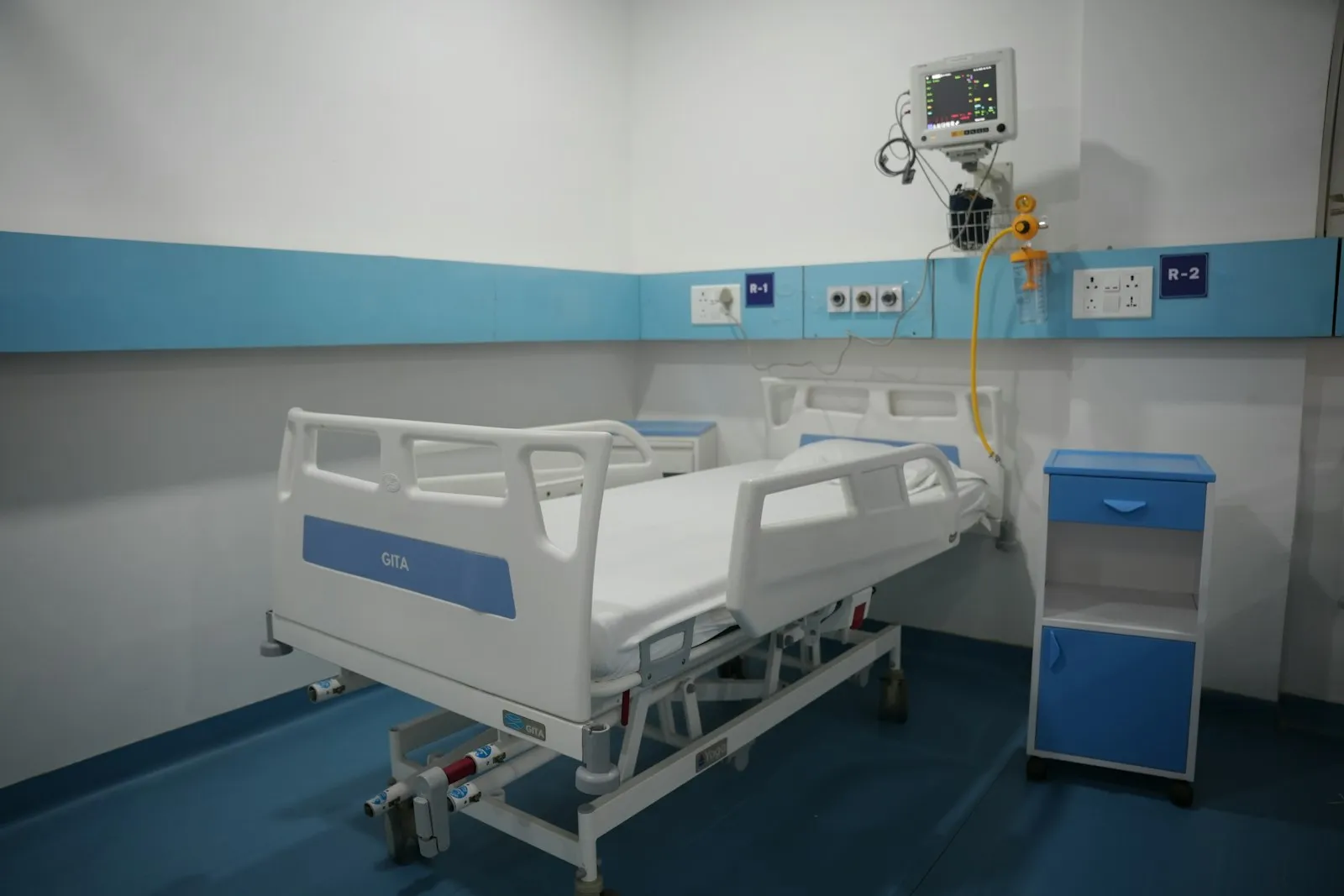
What Makes an Injury “Catastrophic”?
There is no single legal definition, but lawyers, doctors and insurers generally use the term for injuries that permanently change a person’s ability to work and live independently. These include:
- Traumatic brain injuries with lasting cognitive, behavioral or physical effects. See our article on traumatic brain injury claims.
- Spinal cord injuries, including paraplegia and quadriplegia. Our spinal cord injury guide goes deeper.
- Amputations and limb loss.
- Severe burns requiring grafts and long-term care.
- Loss of vision or hearing.
- Multiple fractures and organ damage that leave permanent impairments.
In Nassau County, these injuries most often come from high-speed crashes on the Long Island Expressway, the Meadowbrook and the Southern State, truck and motorcycle collisions, pedestrian strikes on roads like Hempstead Turnpike, construction falls, and serious premises incidents.
Phase One: The Hospital (Days to Weeks)
Seriously injured people in Nassau are typically taken to one of the county’s major trauma centers. Families in this phase are overwhelmed, and that is understandable. Legally, a few things matter even now:
- Evidence is disappearing. Vehicles get repaired or scrapped, video is overwritten, and witnesses scatter. A lawyer can send preservation letters while the family focuses on the patient.
- Notice deadlines may be running. If a county, town, village or other public entity may share responsibility, a Notice of Claim is generally due within 90 days.
- Insurers start calling. Adjusters may ask for recorded statements or medical authorizations. Those requests can wait.
- No-fault and other benefits need to be opened, including the 30-day no-fault application after a motor vehicle crash, or workers’ compensation if the injury happened at work.

Phase Two: Rehabilitation (Weeks to Months)
Inpatient rehabilitation is where the long-term picture begins to come into focus. Therapists measure function, doctors assess what will and will not recover, and families start to learn what life at home might look like. For the legal case, this phase is when we start working with the medical team to understand the prognosis in detail.
It is also when practical financial pressure mounts. Lost income, mortgage or rent payments, and caregivers’ missed work all add up. We help families identify every available benefit, including no-fault, health insurance, disability insurance, workers’ compensation and, where appropriate, Social Security disability, so the household stays afloat while the claim is built properly rather than rushed.
Phase Three: Life at Home (Months to Years)
Coming home is a milestone and a new set of challenges. Homes may need ramps, widened doorways, accessible bathrooms or a first-floor bedroom. Vehicles may need adaptive equipment. Many people need home health aides or attendant care for years. Family members often become caregivers, sometimes giving up their own jobs.
All of these are real, measurable losses, and a fair recovery must account for them.

Phase Four: Planning for the Future
This is where catastrophic injury cases differ most from ordinary ones. The biggest part of the claim is usually the future. To prove it, we typically work with:
- Treating physicians and specialists, who explain the prognosis and future medical needs.
- Life care planners, who build a detailed, itemized plan of future care. Our article on what a life care plan covers explains this in depth.
- Vocational experts, who assess lost earning capacity. See our article on vocational experts in injury claims.
- Economists, who calculate the present value of future losses.
Legal Issues Unique to Catastrophic Cases in New York
Identifying every source of recovery
Catastrophic damages can far exceed a single driver’s insurance policy. We look at every potentially responsible party, including employers, vehicle owners, property owners, contractors, product manufacturers and bars under the Dram Shop Act, as well as your own supplementary uninsured/underinsured motorist coverage.
Structured judgments and settlements
In New York personal injury cases with large awards for future damages, CPLR Article 50-B can require that part of a judgment for future damages be paid over time rather than all at once. Settlements can also be structured to provide guaranteed income for life. Whether a structure makes sense depends on the family’s needs.
Protecting public benefits
Many catastrophically injured people rely on Medicaid or Supplemental Security Income for long-term care. A lump-sum recovery can disqualify them unless it is planned properly, often through a supplemental needs trust. We coordinate with trust and estates attorneys so a settlement improves the client’s life rather than replacing benefits they need.
Liens and the collateral source rule
Health insurers, Medicaid, Medicare and workers’ compensation carriers may have liens on the recovery, and New York’s collateral source rule can affect how certain past payments are treated. Negotiating these properly can make a significant difference to what the client actually receives.
Capacity and guardianship
When a brain injury affects a person’s ability to make decisions, a family member may need legal authority to act on their behalf, sometimes through a guardianship under Article 81 of the Mental Hygiene Law. New York law can also extend some deadlines for people who are legally incapacitated, but families should never assume that applies without advice.

What Damages Can Include in a Catastrophic Case
Families are often surprised by how many categories a full recovery has to cover. Under New York law, a catastrophic injury claim can include:
- Past and future medical expenses, including surgeries, hospital stays, medications, therapy and equipment.
- Home and vehicle modifications needed for accessibility.
- Attendant and home health care, sometimes around the clock.
- Past lost earnings and lost future earning capacity, measured over a working lifetime.
- Pain and suffering, past and future, including the loss of enjoyment of life.
- A spouse’s claim for loss of services and companionship.
Each category needs its own proof. A jury cannot award future care that no one has documented, which is why we start building the future damages case long before any settlement discussion. Keeping a family journal of daily care tasks, hours spent by relatives as caregivers and activities the injured person can no longer do often becomes some of the most compelling evidence in the case.
Three Nassau Landmarks, and the Ordinary Days They Represent
Catastrophic cases are, at heart, about the ordinary life an injury takes away. These three Nassau places are the kinds of everyday destinations families talk to us about when they describe what has changed.
1. Cradle of Aviation Museum, Garden City
On Museum Row near the Nassau Hub, the Cradle of Aviation Museum celebrates Long Island’s role in flight history, from early aviators who took off from the Hempstead Plains to the lunar module built on Long Island. It is a classic family outing. For a parent who now uses a wheelchair, a visit depends on accessible parking, transportation and stamina that used to be taken for granted, and those are exactly the kinds of everyday losses a damages claim has to capture.
2. Old Bethpage Village Restoration
This living history village recreates a 19th-century Long Island community, with historic buildings moved from across the region, working farms and seasonal festivals. Its gravel paths and historic structures are charming and also illustrate how hard ordinary terrain can become after a serious injury. Families tell us about the outings they no longer take, and those details matter to a jury.
3. Sands Point Preserve, Port Washington
On the North Shore, Sands Point Preserve offers Gilded Age mansions, woodland trails and beach views of the Long Island Sound. For many families, a walk there is a weekend ritual. When someone can no longer walk those trails, the loss of enjoyment of life is real and compensable under New York law, as part of pain and suffering damages.
How We Handle Catastrophic Injury Cases
Catastrophic cases take time, resources and patience. Attorney Yakov Mushiyev and our team advance the costs of experts and investigation, and we work on a contingency fee, so families pay no fee unless we recover. We serve families across Nassau County, including Garden City and Hempstead. If a crash involved a distracted driver, see our guide to Nassau County distracted driving claims.
Directions From Garden City to Our Office
Our office is at 1 Cross Island Plaza, Suite 325, Rosedale, NY 11422, just over the Nassau-Queens line. From Garden City, the Meadowbrook State Parkway to the Southern State Parkway west and then the Cross Island Parkway usually gets you here in about 20 to 30 minutes. For catastrophic cases, we expect to come to you: at the hospital, the rehabilitation center or your home.
Open turn-by-turn directions from Garden City, NY in Google Maps
Catastrophic Injury FAQs for Nassau County Families
What counts as a catastrophic injury?
Generally, an injury that permanently affects a person’s ability to work or live independently, such as a severe traumatic brain injury, spinal cord injury, amputation, serious burns or loss of vision.
How long do we have to file a catastrophic injury claim in Nassau County?
Most negligence claims must be filed within three years. Claims against public entities generally require a Notice of Claim within 90 days, and wrongful death claims have a two-year deadline. Some deadlines may be extended for incapacitated people, but get advice early.
How are future medical costs proven?
Usually through treating doctors, a life care plan that itemizes future needs and costs, and an economist who calculates the present value of those future expenses.
Will a settlement affect Medicaid or SSI benefits?
It can. A supplemental needs trust or other planning may be needed to protect eligibility for needs-based benefits. Your injury lawyer should coordinate with a trusts and estates attorney before settlement.
Can a family member handle the case if the injured person cannot?
Yes. Depending on the situation, a family member may act under a power of attorney or be appointed guardian to make legal decisions on the injured person’s behalf.
Talk to a Catastrophic Injury Attorney in Nassau County
You do not have to plan the next 30 years alone. Call Yakov Mushiyev & Associates at 718.775.3110 or contact us online. We will meet you wherever you are.
This article is general information, not legal advice, and reading it does not create an attorney-client relationship. Every case turns on its own facts. Attorney Advertising. Prior results do not guarantee a similar outcome.