
Distracted driving cases are, at their core, evidence problems. Almost everyone agrees that looking at a phone while driving is dangerous. Almost no driver admits doing it. The gap between those two facts is where a Nassau County distracted driving accident lawyer does most of the work.
This analysis takes an evidence-first approach. We break down the types of distraction, the laws that apply in Nassau County, the specific sources of proof, how insurers push back, and how those pieces fit together into a claim. If you were hit by a driver you believe was distracted, call Yakov Mushiyev & Associates at 718.775.3110 for a free review. The sooner we start, the more evidence is still available.
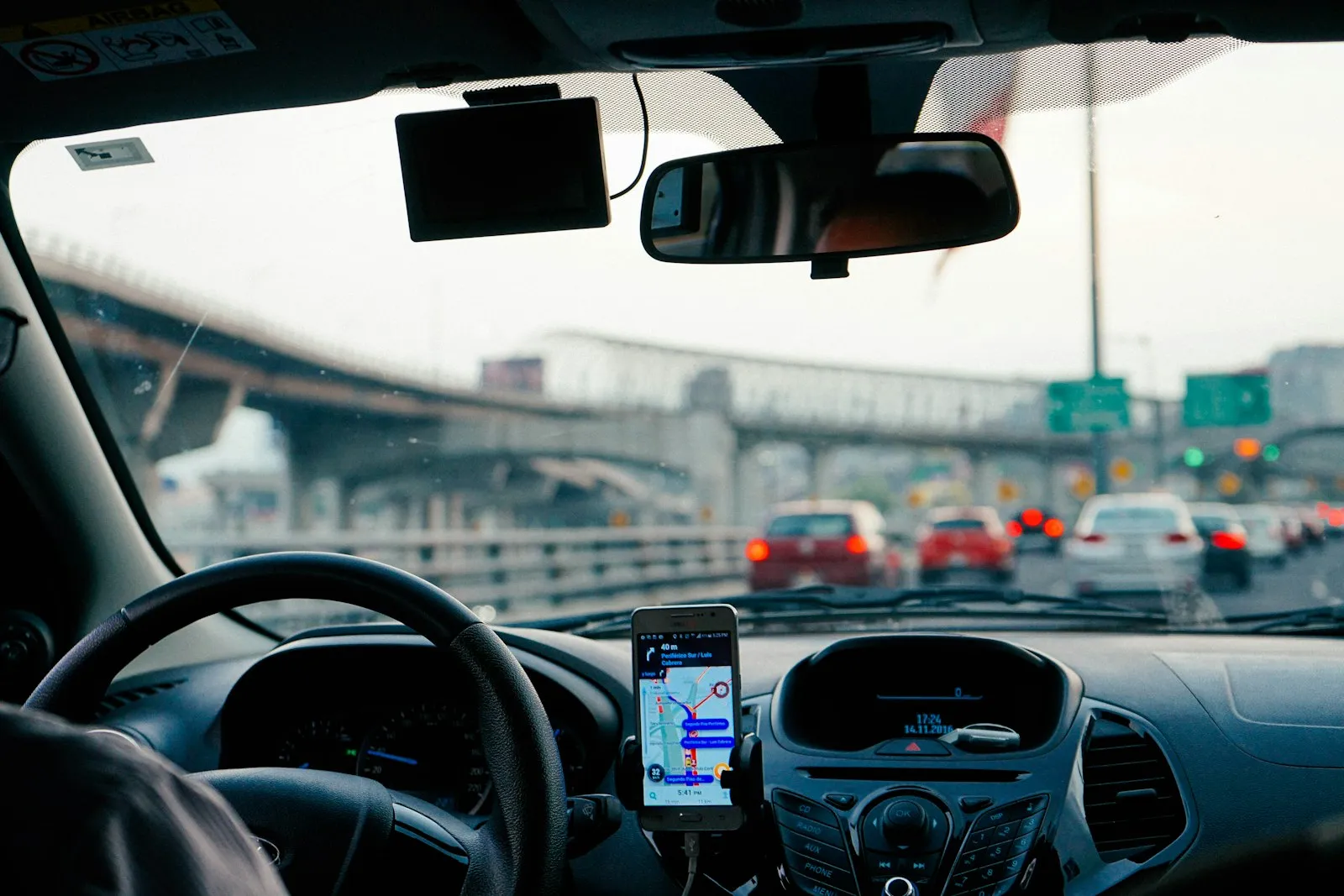
Defining the Problem: Three Types of Distraction
The National Highway Traffic Safety Administration describes distraction as anything that takes attention away from driving. Safety researchers commonly group it into three types:
- Visual: eyes off the road, such as reading a text, checking a map or looking at a passenger.
- Manual: hands off the wheel, such as typing, eating or reaching for something.
- Cognitive: mind off driving, such as an intense phone conversation, even hands-free.
Texting is the classic example because it involves all three at once. NHTSA has noted that reading or sending a text can take your eyes off the road for about five seconds, which at 55 miles per hour is like driving the length of a football field with your eyes closed. On Nassau roads like Hempstead Turnpike, Sunrise Highway and Old Country Road, with frequent lights, turning traffic and pedestrians, five seconds is more than enough time for a serious crash.
The Legal Framework in Nassau County
Three layers of law shape a distracted driving claim:
- Traffic law. New York prohibits drivers from using a handheld phone while driving under Vehicle and Traffic Law § 1225-c and from using portable electronic devices, including texting, under § 1225-d. A violation can be strong evidence of negligence.
- Negligence law. Even when no specific statute was violated, such as with hands-free calls or a driver fiddling with a dashboard screen, a driver who fails to pay reasonable attention can be found negligent.
- New York’s injury claim rules. No-fault benefits pay initial medical bills and part of lost wages through your own policy, and you can sue the at-fault driver for pain and suffering if your injuries meet the serious injury threshold. Fault is shared under pure comparative negligence, CPLR 1411.
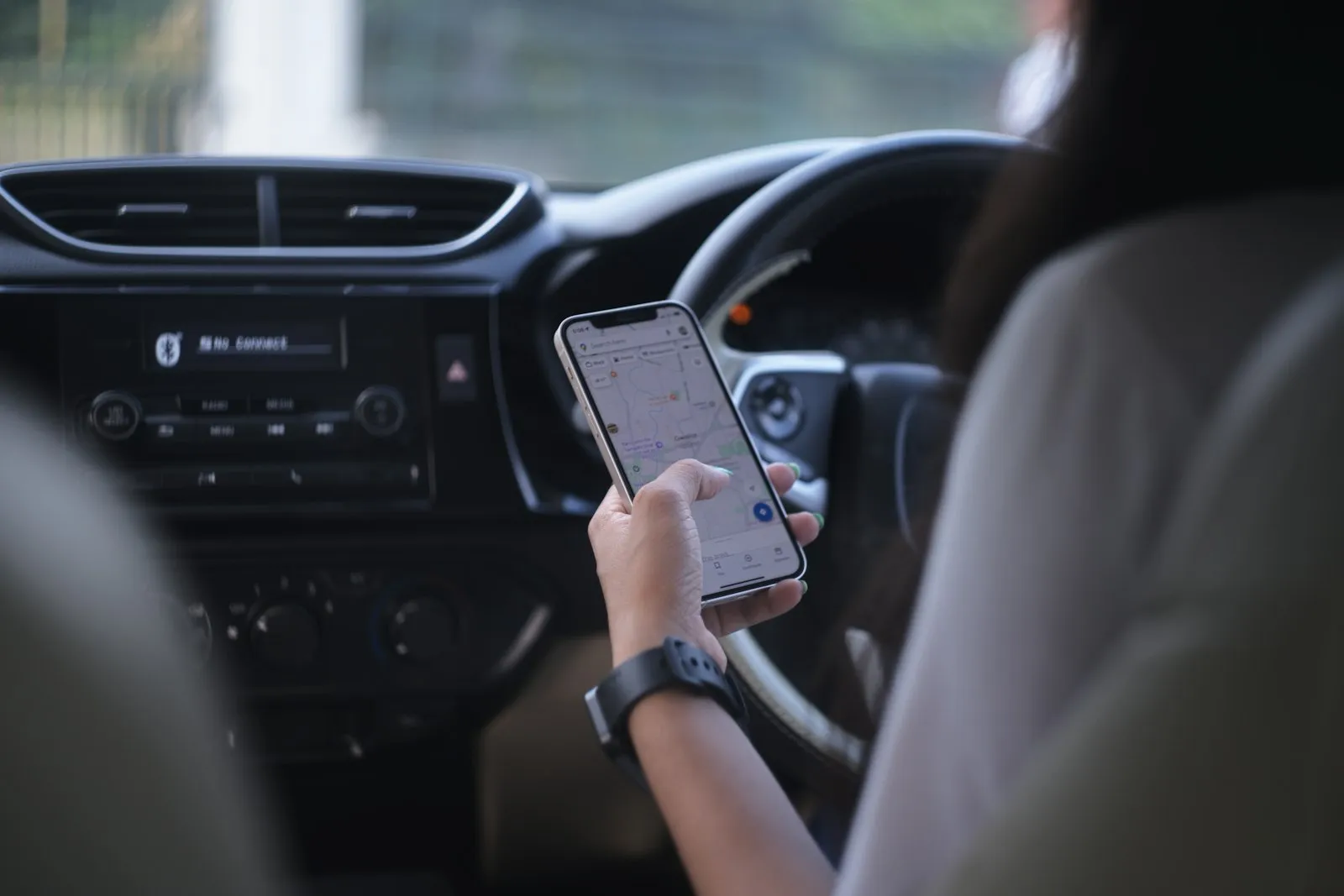
Beyond the Phone: Other Distractions That Cause Nassau Crashes
Phones get the headlines, but they are not the only culprit. In our files, distraction also looks like this:
- Infotainment screens. Modern dashboards bury basic controls like climate and audio in touchscreen menus that demand a driver’s eyes.
- Navigation apps being reprogrammed while the car is moving, often near unfamiliar exits.
- Eating and drinking, especially during morning commutes and after drive-through stops along Hempstead Turnpike.
- Passengers and pets, including turning around to deal with children in the back seat.
- Grooming, such as checking a mirror or applying makeup at a light and continuing as traffic moves.
- Rubbernecking at an earlier crash, which is a common cause of secondary collisions on the parkways.
Some of these leave a digital trail and some do not. When they do not, witnesses, video and crash reconstruction carry more of the load. The legal standard is the same either way: every driver must keep a reasonable lookout and stay in control of the vehicle.
One more point worth making: commercial drivers are held to strict federal rules that limit handheld phone use in trucks and buses. When a commercial vehicle is involved, those rules and the company’s own policies become part of the case.
The Evidence Matrix
No single piece of evidence usually proves distraction on its own. Strong cases combine several sources that point the same way. Here is how we evaluate each one:
1. Phone records
What they show: calls, texts and data sessions, with timestamps. Strength: high when activity lines up with the moment of the crash. Limits: courts usually limit access to a narrow window around the crash to protect privacy, and data usage does not always show what the driver was doing. Records must generally be obtained through a subpoena or court order in a lawsuit.
2. Admissions and the police report
What they show: statements at the scene (“I looked down for a second”), officer observations, and any ticket for phone use. Strength: admissions are powerful. A ticket under § 1225-c or § 1225-d is helpful, although how a traffic ticket can be used in a civil case depends on how it was resolved.
3. Witnesses
What they show: other drivers or pedestrians who saw the driver looking down, holding a phone or drifting. Strength: independent witnesses carry real weight. Limits: they are easy to lose if names are not taken at the scene.
4. Video
What it shows: dashcams, doorbell cameras, business cameras and buses can capture lane drift, delayed braking or the driver’s head position. Limits: much of it is overwritten within days.
5. Vehicle data
What it shows: many vehicles record speed, braking and steering in the seconds before a crash. No braking before a rear-end collision on a straight, dry road is consistent with inattention. Fleet vehicles may also have telematics or driver-facing cameras.
6. Crash physics
What it shows: skid marks, or their absence, damage patterns and the final resting positions can support a reconstruction showing the driver never reacted.
Our Queens article on texting and phone records in distracted driving cases goes deeper on how phone records are requested and used.

How Insurers Push Back, and How We Respond
- “The phone activity was a passenger.” We look for witnesses, video and the pattern of activity to show who was using the phone.
- “It was hands-free, which is legal.” Legal does not mean careful. Cognitive distraction can still support a negligence claim.
- “Your client stopped short.” In New York, a rear-end collision generally creates a presumption that the rear driver was negligent, and the rear driver must offer a non-negligent explanation. A sudden stop is not always enough.
- “The injuries are not serious.” We answer with consistent treatment records, imaging and medical opinions that address the serious injury categories.
- “Your client was distracted too.” Comparative fault may reduce, but not eliminate, your recovery.
High-Risk Settings Across Nassau County
Distracted driving happens everywhere, but some Nassau settings magnify the danger: long commercial corridors with constant turning traffic, school zones at drop-off and pickup, shopping center lots, and parkway merges. Teen drivers, delivery drivers working against the clock, and commuters juggling calls are frequent players in these crashes. If a working driver caused your crash, the employer’s commercial insurance may also apply.

Three Nassau Landmarks and the Distraction Risks Around Them
1. Roosevelt Field, Garden City
One of the largest shopping malls in the country, Roosevelt Field sits along Old Country Road and Meadowbrook Parkway. The roads around it combine heavy traffic, multiple entrances and drivers checking phones for store hours, parking or directions. Inside the lots, pedestrians walking between rows are especially vulnerable. Read more about our work in Garden City.
2. Jones Beach State Park
Reached by the Wantagh and Meadowbrook parkways, Jones Beach State Park draws enormous summer crowds for the beach, concerts at the amphitheater and the annual air show. Event traffic means long backups, sudden slowdowns, and drivers using their phones to coordinate parking and meet-ups, a combination that produces rear-end and lane-change crashes on the causeways.
3. Nassau Veterans Memorial Coliseum, Uniondale
The Nassau Coliseum and the surrounding Nassau Hub host concerts, sporting events and conventions. Event nights push large numbers of drivers onto Hempstead Turnpike and the Meadowbrook all at once, many of them navigating by phone. For crashes in the surrounding area, see our page on Hempstead.
Action Plan After a Distracted Driving Crash
- Get medical care and tell the provider how the crash happened.
- If you saw the other driver on a phone, say so to the police and ask that it be included in the report.
- Photograph the scene and the other driver’s car interior if visible, and look for phones in hand or mounted.
- Get witness names and numbers.
- Note nearby cameras and ask businesses to save footage.
- File your no-fault application within 30 days.
- Call a lawyer before giving any recorded statement, so preservation demands can go out for phone records, vehicle data and video.
More Nassau resources: our walkthrough of a New Cassel car accident case and our guide on filing a car accident claim in Nassau County.
Directions From Mineola to Our Office
Our office is at 1 Cross Island Plaza, Suite 325, Rosedale, NY 11422, just across the Nassau-Queens line. From Mineola, the county seat, most drivers take the Meadowbrook State Parkway south to the Southern State Parkway west, then the Cross Island Parkway or Belt Parkway. It is often a 20 to 30 minute drive outside rush hour. Phone and video consultations are always available.
Open turn-by-turn directions from Mineola, NY in Google Maps
Nassau County Distracted Driving FAQs
How do you prove the other driver was texting?
Usually by combining evidence: phone records for the minutes around the crash, witness accounts, video, vehicle data showing no braking, and any admissions or tickets. Phone records generally require a subpoena or court order once a lawsuit is filed.
Is using a phone hands-free legal in New York?
Hands-free calling is generally allowed, while handheld use and texting are prohibited under Vehicle and Traffic Law sections 1225-c and 1225-d. Even legal hands-free use can still contribute to negligence if the driver was not paying attention.
Can I get the other driver’s phone records myself?
Not directly. Phone carriers will not release another person’s records without legal process. Your lawyer can request them in a lawsuit, usually limited to a narrow time window.
What if the distracted driver was making deliveries?
The driver’s employer and its commercial insurance policy may be responsible, especially if the driver was working at the time. Fleet vehicles may also have telematics or camera data.
How long do I have to file a distracted driving lawsuit in Nassau County?
Generally three years from the crash for injury claims. File your no-fault application within 30 days, and act quickly so phone records and video can be preserved.
Talk to a Nassau County Distracted Driving Accident Lawyer
The evidence that proves distraction has a short shelf life. Call Yakov Mushiyev & Associates at 718.775.3110 or contact us online today. Learn more about attorney Yakov Mushiyev and our car accident practice.
This article is general information, not legal advice, and reading it does not create an attorney-client relationship. Every case turns on its own facts. Attorney Advertising. Prior results do not guarantee a similar outcome.