
We get a lot of the same questions from people who have been hit by a work truck, so we decided to answer them the way we would in a phone call: one question at a time, in plain conversation. The questions below are the kind readers and callers ask us; the answers come from our office. If you are trying to figure out whether you need a commercial truck accident lawyer in Queens, or just what happens next, start here.
A quick note before we begin. Every case turns on its own facts. What follows is general information about New York law and federal trucking rules, not advice about your particular crash. For that, you will want to talk to us directly.
“What Counts as a Commercial Truck, Anyway?”
More than people think. When we say commercial truck, we mean any truck used for business: the tractor-trailer hauling freight on the Long Island Expressway, sure, but also the box truck double-parked on Steinway Street, the dump truck leaving a job site in Maspeth, the cement mixer turning onto Northern Boulevard, the tow truck, the utility bucket truck, the beverage delivery truck, and the step van dropping packages in Forest Hills.
The label matters because commercial trucks come with commercial insurance, company ownership, and often federal safety regulation. A pickup someone uses for weekend errands is a personal vehicle. The same pickup with a contractor’s name on the door, on its way to a job, may be a commercial vehicle with an employer’s policy behind it.
For the largest rigs, our guide for an 18-wheeler accident lawyer in Queens goes deeper into tractor-trailer crashes specifically.
“Why Would I Need a Commercial Truck Accident Lawyer in Queens Instead of Just Calling the Insurance Company?”
Honestly? Because the insurance company already has its team working. When a commercial truck is in a serious crash, carriers commonly notify their insurer right away, and the insurer may send an adjuster or investigator quickly. Their job is to gather evidence that protects the company.
You need someone gathering evidence that protects you. That means identifying every company involved, demanding that records be preserved, getting your medical care documented properly, and dealing with the legal rules that decide whether and how much you can recover. You can call the insurer yourself, of course, but you will be negotiating with people who do this all day against the evidence they have chosen to collect.
“The Driver Works for a Company. Is the Company Responsible?”
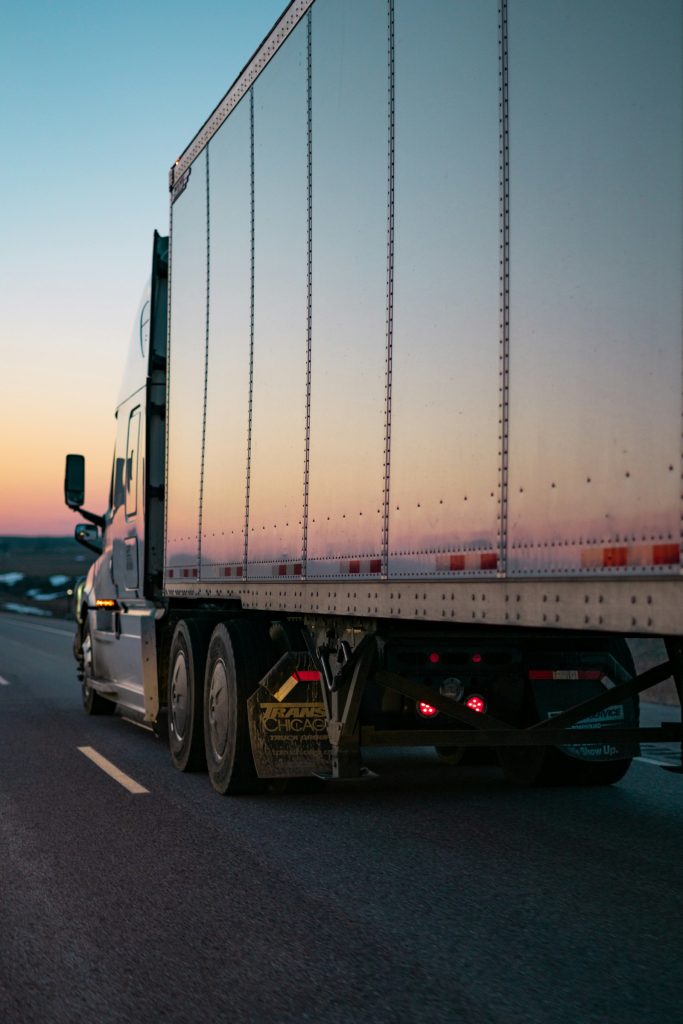
Often, yes, but how depends on the relationship. If the driver is an employee acting within the scope of the job, the employer is generally responsible for the driver’s negligence. Under Vehicle and Traffic Law §388, the vehicle’s owner is also generally liable for a permissive driver’s negligence, which can bring in a leasing company or a separate entity that owns the truck.
Delivery work gets more complicated. Amazon commonly uses third-party Delivery Service Partners. FedEx Ground uses independent contractor service providers. UPS drivers are generally UPS employees. So depending on the facts, responsibility may fall on the driver, the contractor company, the brand, or some combination. We look at the contracts, the vehicle ownership and the insurance before drawing any conclusions.
And it is not only about who employed the driver. A company that loaded cargo badly, a shop that serviced the brakes, or a manufacturer of a defective part may also share responsibility.
“Do Federal Rules Really Apply on a Queens Street?”
For many commercial trucks, yes. Interstate motor carriers fall under the Federal Motor Carrier Safety Regulations, which govern driver qualifications, vehicle inspection and maintenance, and how long drivers can work. The FMCSA’s hours-of-service rules for property-carrying drivers allow up to 11 hours of driving after 10 consecutive hours off duty, no driving after the 14th hour on duty, and require a 30-minute break after 8 hours of driving. Electronic logging devices record that time.
Federal law also sets minimum liability insurance for interstate carriers: $750,000 for general freight under 49 CFR 387.9, higher for hazardous materials. Trucks that operate only within the state can fall under different rules, and that is one of the first things we sort out.
In practice, a truck that crosses the river from New Jersey or comes off the Verrazzano heading for a warehouse in Queens may be subject to these rules. And violations of them can be powerful evidence.
“What Evidence Should Be Saved, and How Fast?”
As fast as possible. Here is the short list we focus on in commercial truck cases:
- Electronic logging device data and any paper logs
- Engine control module data, which may show speed and braking before impact
- Dashcam and telematics video from the truck, plus nearby business and traffic cameras
- Dispatch messages, delivery schedules and GPS routing
- Maintenance, repair and inspection records
- The driver’s qualification file, including license and medical certification
- Post-crash drug and alcohol testing results, where required
- The truck itself, before it is repaired
We send preservation letters early to the carrier and other parties, demanding that this material be kept. Some electronic data and video is overwritten in the ordinary course of business. The longer you wait, the more you risk losing.
“I Saw a Truck on the Grand Central Parkway. Isn’t That Illegal?”
It is. Commercial vehicles are banned from New York parkways, including the Grand Central, the Cross Island, the Belt and the Jackie Robinson. The parkways have low bridges and were built for cars. Trucks belong on the expressways, like the Long Island Expressway, Van Wyck, BQE and Clearview, and on designated city truck routes.
If a commercial truck caused your crash on a parkway, that is worth knowing. It may say something about the driver’s judgment and about how the company trained and routed its drivers. We look at GPS and dispatch records to understand how the truck got there.
“Who Pays My Medical Bills While All This Gets Sorted Out?”
At first, usually no-fault. If you were in a car, no-fault benefits generally come from that car’s policy regardless of who caused the crash. If you were a pedestrian or bicyclist hit by the truck, you generally claim no-fault through the truck’s insurer. No-fault covers basic economic loss up to $50,000 per person: necessary medical expenses, 80% of lost earnings up to $2,000 per month, and up to $25 a day for other reasonable expenses. The application is generally due within 30 days.
If you were on a motorcycle, the picture is different, because motorcycle operators and passengers are not covered by New York no-fault. Our page for a motorcycle accident lawyer in Queens explains how riders’ claims work.
Beyond no-fault, you pursue the responsible parties for pain and suffering and for economic losses above the $50,000. For pain and suffering, your injury has to meet the serious injury threshold in Insurance Law §5102(d): things like a fracture, significant disfigurement, permanent loss of use, or a permanent consequential or significant limitation.
“I Was Driving a Work Truck Myself When I Got Hit. Can I Sue My Boss?”
Usually not your own employer. Under Workers’ Compensation Law §11, workers’ compensation is generally the exclusive remedy against your employer, with a narrow exception for “grave injury” in certain third-party situations. But you can often bring a third-party claim against someone else: the other driver, the other truck’s company, or a vehicle owner. That third-party claim can include pain and suffering, which workers’ compensation does not pay.
These cases need careful coordination between the workers’ compensation claim and the injury claim, because the two interact. Talk to a lawyer before signing anything with either insurer.
“What If They Say I Was Partly at Fault?”
Expect it. It is one of the most common defenses in truck cases: you were in the blind spot, you cut in, you braked suddenly. How much it matters depends on when your lawsuit is commenced.
2026 update: For motor-vehicle personal-injury actions commenced on or after May 26, 2026, amended CPLR 1411 bars recovery for a claimant whose fault is more than 50% (greater than the defendants’ combined fault). At 50% or less, recovery is reduced by the claimant’s share. The 2026 changes also removed the “90/180-day” category from the serious-injury definition. Earlier-commenced actions remain under the prior rules, including pure comparative fault.
What that means in conversation: the evidence about how the crash happened matters more than ever. Engine data showing the truck’s speed, dashcam video showing the lane change, and logs showing a fatigued driver can all push back against an inflated fault argument.
“It Was a City Truck. Does Anything Change?”
A lot changes, and quickly. For claims against New York City and its agencies, such as a Department of Sanitation truck or other city vehicle, a Notice of Claim is generally due within 90 days under General Municipal Law §50-e, and a lawsuit generally must be filed within one year and 90 days. The city may require a 50-h hearing first. Claims involving MTA vehicles have similar 90-day notice rules. Do not let that window close.
“How Long Do I Have Otherwise?”
For claims against private companies and drivers, the general personal injury statute of limitations in New York is three years. If a loved one died, a wrongful death action generally must be brought within two years of the death. Shorter deadlines, like the 30-day no-fault application and the 10-day DMV MV-104 report when someone is hurt or property damage exceeds $1,000, arrive much sooner. And evidence does not wait for any deadline.
“What Happens When I Call Your Office?”
We listen first. We will ask where and when the crash happened, what kind of truck was involved, whether you know the company name or USDOT number, what injuries you have and what treatment you have had. We will ask about deadlines, including whether a city vehicle was involved. Then we will tell you honestly what we see.
It helps if you can have these handy: the police report number, photos, the other driver’s and company’s information, your insurance card, and the names of your doctors. Do not worry if you do not have everything. Gathering it is part of our job.
If your crash happened in eastern Queens near the Nassau line, our page for a commercial truck accident lawyer in Bellerose may be useful. For trucking claims elsewhere in the state, see our page for a truck accident lawyer serving New York. You can also browse our firm’s published settlements, keeping in mind that prior results do not guarantee a similar outcome, and see the neighborhoods and communities we serve.
“Where Do You See These Crashes in Queens?” Three Landmarks and the Roads Around Them
We get this question a lot, and the honest answer is: near anywhere people gather and trucks deliver. Three examples:
The USTA Billie Jean King National Tennis Center
The USTA Billie Jean King National Tennis Center in Flushing Meadows–Corona Park is home to the US Open, played each year in late summer, and its centerpiece, Arthur Ashe Stadium, is one of the largest tennis stadiums in the world. The center sits beside Citi Field and the Mets–Willets Point stop on the 7 train. During tournament weeks, the surrounding roads fill with fans, shuttle buses, broadcast trucks and vendor deliveries, while construction and redevelopment work around Willets Point adds heavy vehicles. Trucks are barred from the Grand Central Parkway that borders the park, so they funnel onto the Van Wyck and local streets nearby.
York College in Jamaica
York College is a senior college of the City University of New York in the heart of Jamaica, a short walk from the Jamaica Center subway station and not far from the Jamaica LIRR station and the AirTrain to JFK. Students, commuters and shoppers crowd the sidewalks along Jamaica Avenue, Archer Avenue and Guy R. Brewer Boulevard, one of the busiest bus and pedestrian areas in Queens. Box trucks and delivery vans servicing the area’s stores often double-park or make tight turns, and those maneuvers, combined with heavy foot traffic, create real risk for pedestrians and drivers alike.
The Queens Museum
The Queens Museum occupies the New York City Building in Flushing Meadows–Corona Park, a structure built for the 1939 World’s Fair that later housed the United Nations General Assembly in its early years. Its best-known exhibit is the Panorama of the City of New York, a huge scale model of all five boroughs created for the 1964 World’s Fair. The museum sits near the Unisphere, inside a park ringed by the Grand Central Parkway, the Van Wyck Expressway and the Long Island Expressway. Two of those three allow trucks, so heavy commercial traffic passes close by every day.
Directions to Our Rosedale Office from Flushing Meadows–Corona Park
From the USTA Billie Jean King National Tennis Center, get on the Van Wyck Expressway heading south toward JFK Airport. Near the airport, take the Belt Parkway east and follow it toward the Cross Island Parkway and Southern State interchange at the Nassau County line. Our office at 1 Cross Island Plaza, Suite 325, in Rosedale sits just off the parkway. Allow extra time on US Open days, when traffic around the park is heavy.
More Commercial Truck Accident Questions
Is a box truck or delivery van a commercial truck?
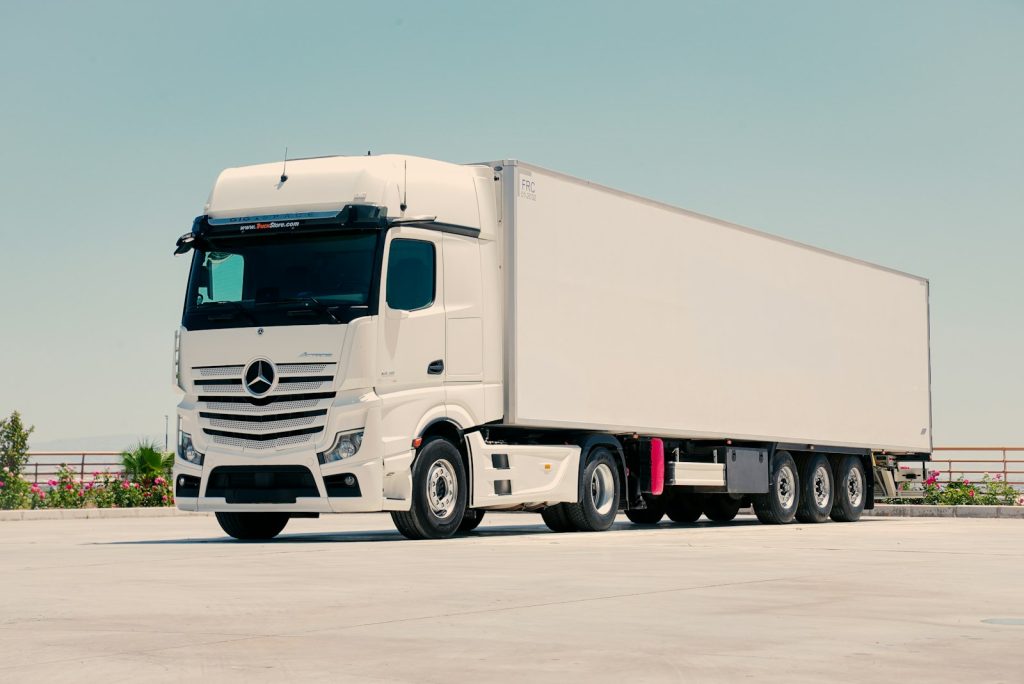
Generally, yes, when it is used for business. Box trucks, step vans, dump trucks, cement mixers, tow trucks, utility trucks and tractor-trailers are all commercial vehicles in everyday terms. Which specific rules apply, including federal safety regulations and insurance minimums, depends on the vehicle’s size, how it is used, and whether the carrier operates across state lines. Your lawyer will confirm which rules govern your case.
Can I sue the company that owns the truck?
Often, yes. An employer is generally responsible for an employee driver’s negligence on the job, and under VTL §388 a vehicle owner is generally liable for a permissive driver’s negligence. Leasing companies, contractors, cargo loaders and maintenance providers may also share responsibility depending on the facts. Identifying every company involved is one of the first steps in a commercial truck case.
What is a USDOT number and why does it matter?
It is an identification number assigned to many commercial motor carriers by the U.S. Department of Transportation and usually displayed on the truck’s cab. It helps identify the carrier responsible for the truck, which leads to its insurance and safety records. If you can photograph it at the scene, do. If not, it can often be found through the police report or later investigation.
What if the truck driver was an independent contractor?
Contractor arrangements are common in delivery and freight work, and they can complicate who is responsible. Depending on the contracts, ownership of the truck, and how much control a company had over the work, the driver, the contracting company, or the brand may be liable. These questions are fact-specific, so we review the paperwork and insurance before drawing conclusions.
Do I have to meet the serious injury threshold in a truck case?
For pain and suffering, generally yes. Truck crashes are motor vehicle accidents, so the threshold in Insurance Law §5102(d) applies. Many truck injuries, like fractures and spinal injuries, can meet it with proper medical evidence. Economic losses above the no-fault limit, such as additional lost wages and medical costs, can be pursued regardless of the threshold.
How much time do I have to file a claim against a trucking company?
The general statute of limitations for personal injury in New York is three years. If a city or transit vehicle was involved, a Notice of Claim is generally due within 90 days, with a lawsuit generally due within one year and 90 days. Wrongful death claims are generally due within two years of the death. Earlier action protects evidence that may otherwise be lost.
I was hurt while driving for work. Do I have a case?
You likely have a workers’ compensation claim, which is generally your exclusive remedy against your own employer. But if another driver or company caused the crash, you may also have a third-party claim against them, which can include pain and suffering. Coordinating the two claims matters, because workers’ compensation can have a lien on a third-party recovery.
What if a commercial truck hit me while I was walking in Jamaica?
Drivers have a duty to exercise due care to avoid pedestrians under VTL §1146. As a pedestrian struck by a vehicle, you generally claim no-fault benefits through the vehicle’s insurer, and you may also pursue the driver and company for injuries that meet the threshold. Note the company name, truck number and location, and look for nearby store cameras.
Will the trucking company’s insurer contact me?
It may, sometimes quickly. You are not required to give a recorded statement to another party’s insurer, and it is wise to speak with a lawyer first. Avoid discussing fault or minimizing your injuries, and do not sign medical authorizations or releases without advice. Basic identifying information is fine to share.
How do I get to your office from Jamaica or Flushing?
Our office is at 1 Cross Island Plaza, Suite 325, in Rosedale. From Jamaica, local roads like Merrick Boulevard or the Belt Parkway lead east toward us. From Flushing, the Van Wyck south to the Belt Parkway east, or the Cross Island Parkway south, both work. If your injuries make travel hard, call us to discuss the best way to meet.
Related: For a full overview of how our firm handles these claims, visit our Commercial Truck Accident Lawyer in Queens page.
Ready to Talk With a Commercial Truck Accident Lawyer in Queens?
If you have more questions than this page could answer, that is normal. Every commercial truck case has its own mix of companies, policies and deadlines. Bring your questions to us.
Call Yakov Mushiyev & Associates, P.C. at 718.775.3110 or send us a message through our contact page. Our office is at 1 Cross Island Plaza, Suite 325, in Rosedale, and we are here for people across the borough who need a commercial truck accident lawyer in Queens.
General information, not legal advice. Attorney Advertising. Prior results do not guarantee a similar outcome.