
If you ride in southeast Queens, you already know the drill. You ride like you're invisible, because to half the drivers on Merrick Boulevard you are. You watch every car waiting to turn left, every door, every phone-lit face behind a windshield. And when someone finally doesn't see you, you find out fast that the system isn't built for riders either. That's where a motorcycle accident lawyer in Rosedale comes in, and it's why this guide talks to you straight, rider to rider.
Here's what you need to know about the bias you'll run into, the helmet question, how your medical bills actually get paid when no-fault won't touch them, and why your own insurance policy may matter more than the other driver's.
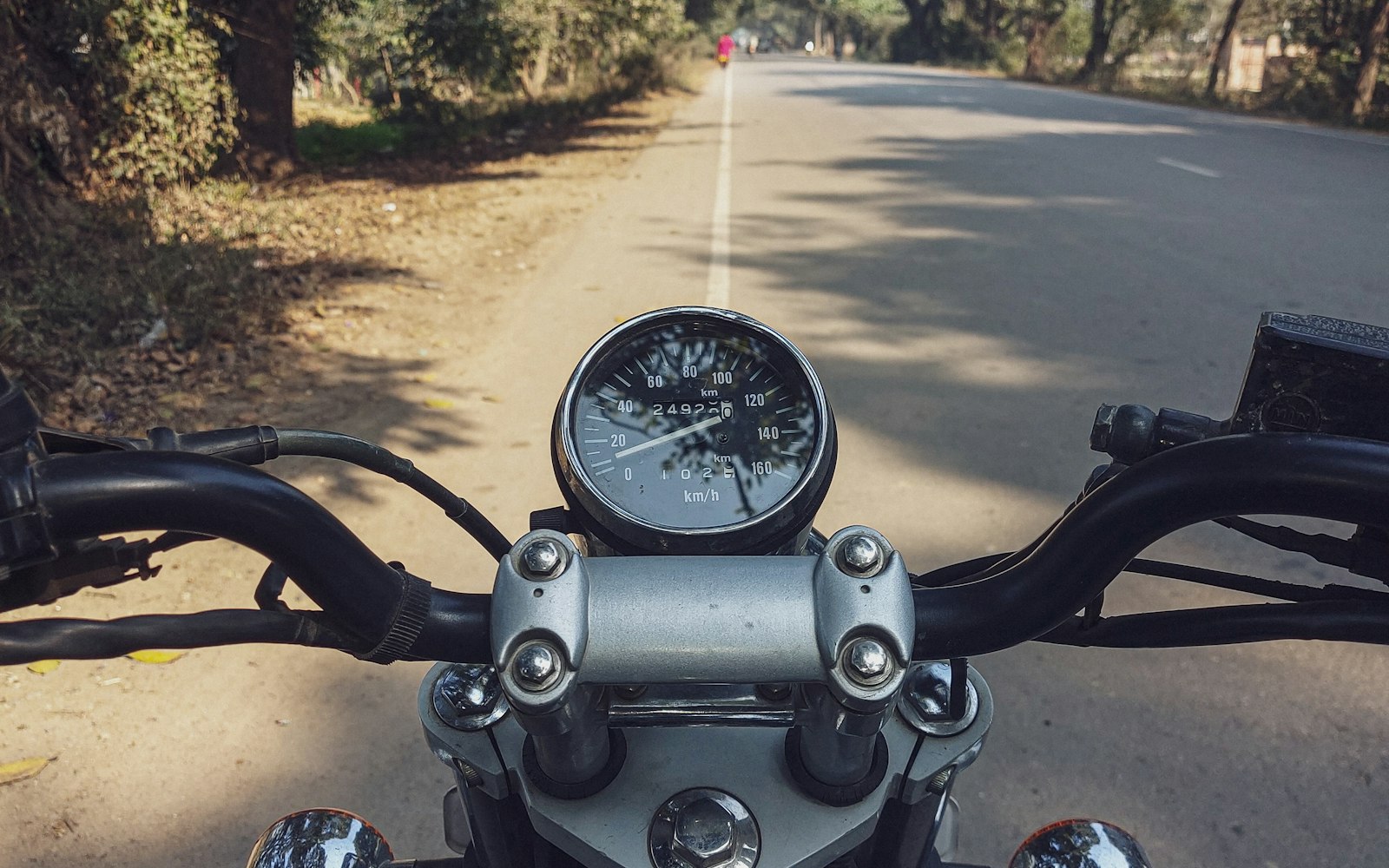
The bias is real, so plan for it
Say "motorcycle crash" to an adjuster, a juror or even a cop, and plenty of them picture a squid doing wheelies at 90. Doesn't matter that you were doing the speed limit with your high-beam on. That picture shows up in police reports ("motorcycle traveling at high rate of speed"), in recorded-statement questions ("how fast were you really going?") and in settlement offers.
You can't change the stereotype. You can beat it with evidence:
- Helmet cam footage. If you run a camera, save the file the same day. Don't post it anywhere.
- Your gear. Keep the helmet, jacket, gloves and boots as they are. Don't toss them, don't fix them. Scuffs and impact marks tell the story of the crash.
- The bike. Photograph it before it's repaired or salvaged. Damage location shows who hit whom.
- Witnesses. Other riders and pedestrians often saw exactly what happened. Get names and numbers.
- Nearby cameras. Storefronts and gas stations along the boulevards may have caught it, but many systems record over themselves within days or weeks.
Our post on the arguments insurers make against Queens riders goes through the most common lines you'll hear.
Left-turn crashes on Merrick Blvd and Sunrise Hwy
The classic bike crash in this part of Queens is the left-turner. A car waiting to turn sees a gap, looks right at you, and goes anyway. Merrick Boulevard and Sunrise Highway are both wide, busy roads with plenty of turning traffic, shopping-center entrances and side streets, so the setup happens all day long.
The law is on your side in that scenario. Under Vehicle and Traffic Law § 1141, a driver turning left at an intersection has to yield to oncoming traffic that's in the intersection or close enough to be an immediate hazard. That includes you. The usual defense comeback is that you were speeding or came out of nowhere, which is why the evidence above matters so much. For more on how these crashes are proven, read our guide to left-turn and red-light crashes in Queens.
A few habits that help on those corridors, whether or not you ever need a lawyer: watch the front wheels of turning cars, not the driver's face; cover your brake through intersections; and position yourself in the lane so you're visible past the car ahead.
Helmets: what NY requires and why it matters to your claim
New York is a full helmet state. Under Vehicle and Traffic Law § 381, riders and passengers have to wear a protective helmet that meets the federal motor vehicle safety standard (FMVSS 218, the "DOT" standard). Operators also need goggles or a face shield approved by the state. Novelty lids that don't meet the standard don't count.
Why that matters after a crash: if you weren't wearing a compliant helmet, expect the defense to argue your head injuries would have been less severe if you had been. That argument usually goes to how much you can recover, not whether the driver who cut you off was at fault. It doesn't touch your broken leg or your road rash. But it can be a real fight in a head injury case, so be upfront with your lawyer about what you were wearing.
The no-fault gap: who pays your medical bills
Here's the part that blindsides riders. If you're hurt in a car, New York no-fault pays your medical bills and part of your lost wages, regardless of fault. If you're hurt on a bike, it generally doesn't. The no-fault law's definition of "motor vehicle" in Insurance Law § 5102 specifically excludes motorcycles, so riders don't get those first-party benefits for their own injuries.
So how do the bills get paid? Usually from a mix of sources:
- Your health insurance. This is often the first line. Your health plan may claim reimbursement from any settlement later, so those liens need to be dealt with.
- Medical payments coverage on your bike policy, if you bought it. Some motorcycle policies offer it as an option. Check your declarations page.
- Medicaid or Medicare, if you qualify, which also have repayment rights.
- Workers' compensation, if you were riding for work when it happened.
- The at-fault driver's liability insurance, which generally pays at settlement or verdict, not as bills come in.
- Your own UM and SUM coverage, if the driver has no insurance or not enough (more on that below).
Lost wages work the same way. Without no-fault, there's no monthly check covering part of your pay while you're laid up. Those losses generally get recovered from the at-fault driver as part of the claim, so keep pay stubs, a letter from your employer and a record of every shift you missed. Same goes for the bike and your gear: the damage is generally claimed against the at-fault driver's property damage coverage, or through your own collision coverage if you carry it, with your insurer then going after the other side.
We dig into the details in the motorcycle no-fault gap and UM/SUM coverage. The short version: line up a payment source early so you don't skip treatment because of the bills.
The upside riders don't hear about
Because riders sit outside the no-fault system, courts have generally held that injured motorcyclists don't have to meet the "serious injury" threshold in § 5102(d) to sue the at-fault driver for pain and suffering. Car occupants do, and for suits filed after late May 2026 that threshold got tighter, with the old 90/180-day category removed. For riders, the fight is usually about fault and damages, not about whether the injury clears a statutory bar. Every case is different, so get advice on how this applies to yours.
SUM and UM: the coverage you buy for yourself
A lot of drivers on the road carry low limits. If one of them puts you in the hospital, their policy may run out long before your losses do. That's where your own coverage comes in.
- Uninsured motorist (UM) coverage pays when the at-fault driver has no insurance, or it's a hit-and-run.
- Supplementary uninsured/underinsured motorist (SUM) coverage, under Insurance Law § 3420(f)(2), is optional. If you choose it, it can pay above what the at-fault driver's policy covers, generally up to your own bodily injury limits. It generally kicks in only after the other driver's available coverage is used up.
Pull out your policy before you need it. If you don't see SUM, call your agent. And after a crash, give your own insurer notice promptly, because these claims come with policy deadlines. Our guide to uninsured and underinsured motorist claims in New York covers the process.
Fault in 2026: where riders stand
New York changed its comparative fault rule in the 2026 budget. For motor vehicle injury suits covered by the no-fault law (Insurance Law article 51) and filed after late May 2026, a plaintiff who is more at fault than the defendants combined generally recovers nothing. Before that, anyone could recover a reduced amount no matter how much of the blame was theirs.
Whether that new rule reaches injured motorcyclists is not settled. Riders sit outside the no-fault system for their own injuries, so there's a real argument that pure comparative fault still applies to them, where your recovery is reduced by your share of fault but not wiped out. Expect insurers to argue the other way. Either way, the practical lesson is the same: the evidence on speed, lane position and visibility matters more than ever. The same budget law also generally caps pain-and-suffering damages at $100,000 for people who were driving an uninsured vehicle (with a lapse of 30 days or more), or who were convicted of impaired driving or a felony tied to the crash. Keep your bike insured and registered.
The ride out of Rosedale: where it happens
The interchange where the Belt Parkway meets the Laurelton Parkway, with the Cross Island close by, is where a lot of local rides start and end. Merging traffic, quick lane changes and drivers sorting out which ramp they want make interchanges like this one a common place for sideswipes and cut-offs. If you went down at a merge, ramp or interchange, note exactly where. Road ownership and camera locations can depend on it.
Your first week after a crash
- Get checked out, even if adrenaline says you're fine. Head, neck and internal injuries can hide.
- Report the crash and get the police report. In Rosedale, that's usually the NYPD's 105th Precinct.
- Preserve your gear, bike and footage. Photos first, repairs later.
- Notify your own insurer about possible UM or SUM claims.
- Skip the recorded statement to the other driver's insurer until you've talked to a lawyer.
- Keep treating and keep every bill, receipt and pay stub.
Our step-by-step guide on what to do after a motorcycle accident in Queens covers more.
Rider FAQ
Does no-fault cover me if I'm hit on my motorcycle?
Generally no. Motorcycles are excluded from the no-fault law's definition of "motor vehicle," so riders don't get no-fault benefits for their own injuries. Health insurance, optional medical payments coverage, workers' comp (if you were working) and, later, the at-fault driver's insurance usually fill the gap.
Can I still recover if I wasn't wearing a DOT helmet?
Often yes. The driver's fault for causing the crash doesn't go away. But expect the defense to argue that a compliant helmet would have reduced any head injury, which can affect the value of that part of the claim.
How long do I have to file a lawsuit?
Most negligence suits generally must be filed within three years under CPLR 214. Claims against the City of New York generally need a notice of claim within 90 days. UM and SUM claims have their own policy deadlines, so notify your insurer quickly.
The driver said they never saw me. Does that help them?
No. "I didn't see the motorcycle" is usually an admission that they didn't look carefully enough. A driver turning left still has to yield to oncoming traffic.
You can also read our earlier guide for motorcycle accident victims in Rosedale, our post for riders in nearby Laurelton, or our motorcycle accident practice page.
Talk to a motorcycle accident lawyer in Rosedale who takes riders seriously
Yakov Mushiyev & Associates is right here at 1 Cross Island Plaza in Rosedale, near the parkways you ride every week. Yakov Mushiyev is a former head litigation attorney who grew up in Queens, and our firm has recovered over $80 million for injured clients. We offer free consultations in English, Russian and Spanish, at our office, by video, at home or in the hospital, and we charge no fee unless we win.
Call 718.775.3110 or contact us online and tell us what happened. We'll take it from there.
This article is general information, not legal advice. Every case is different, and prior results do not guarantee a similar outcome. Attorney Advertising.